By Dewi Abdul Rahman
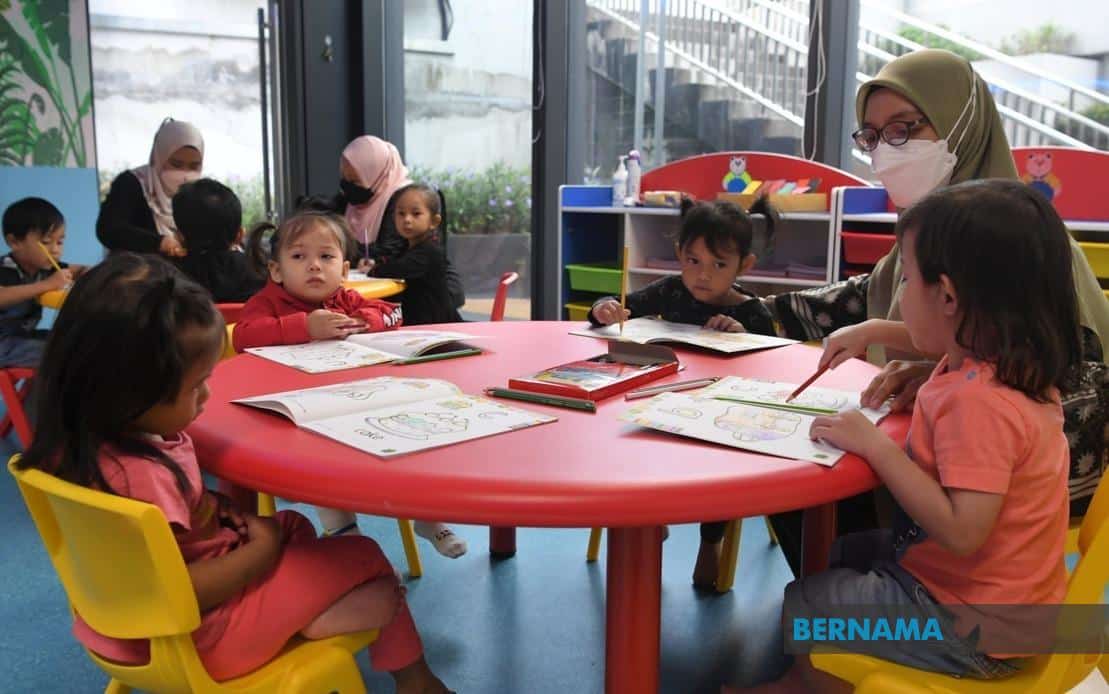
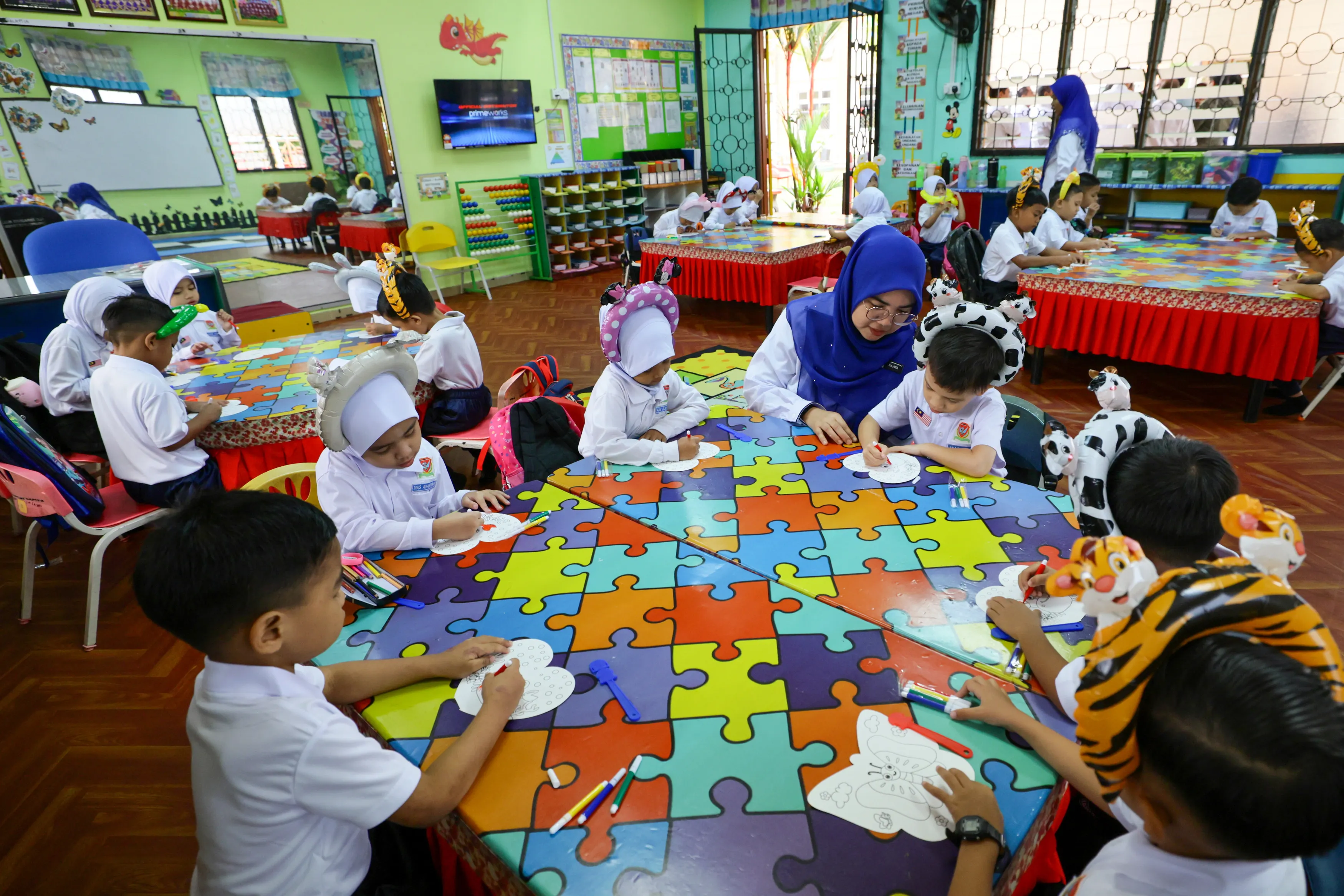
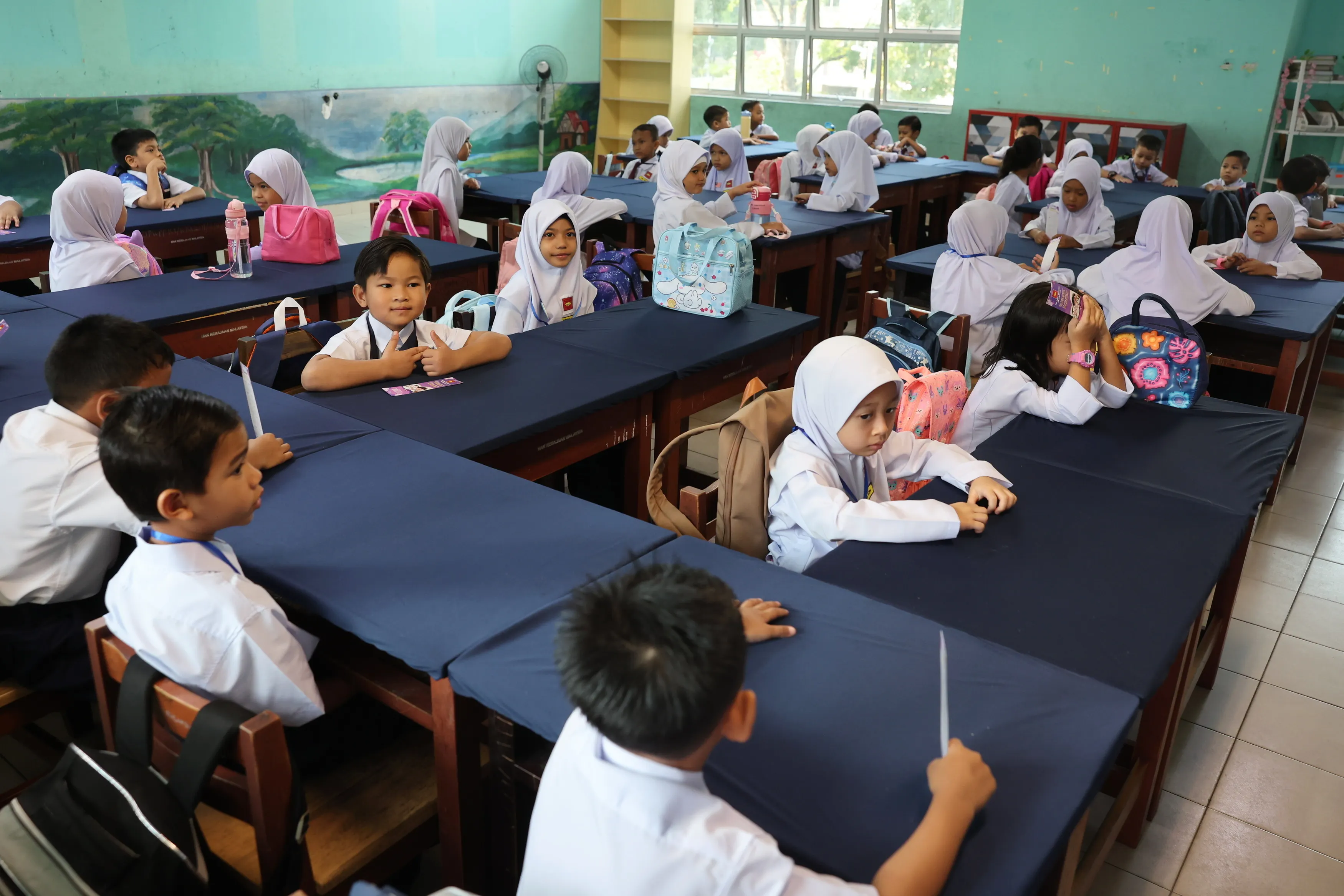
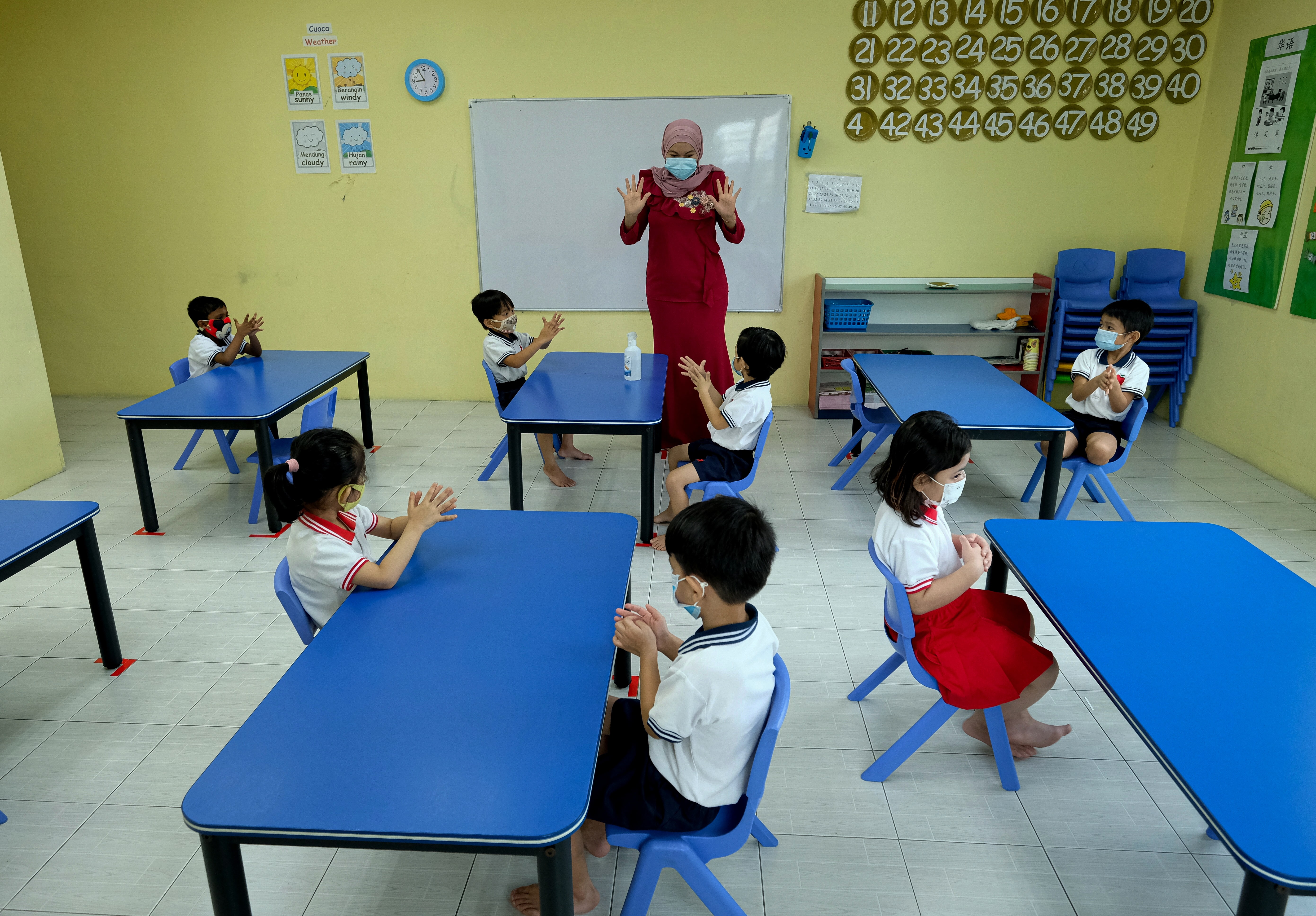
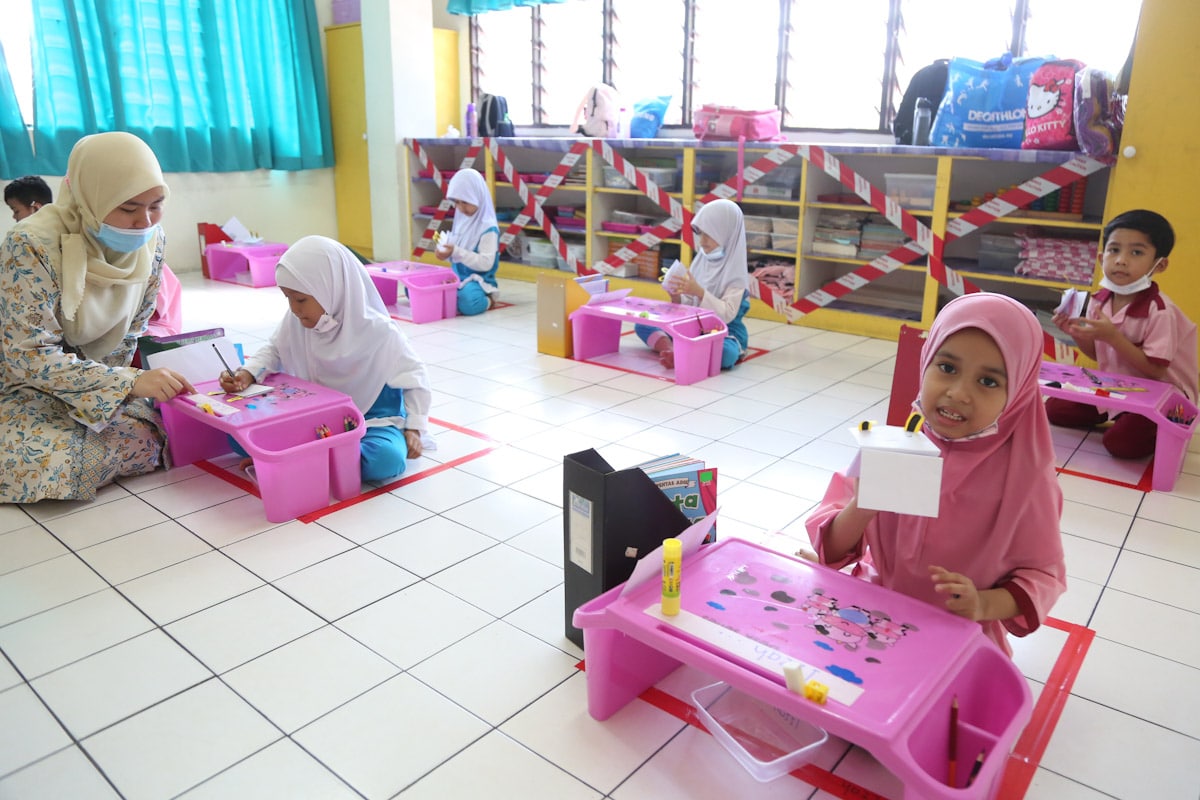
SHAH ALAM, Jan 26 — The admission of six-year-old students directly into Year One without a clear transition plan has raised concerns over the impact on private kindergartens and the welfare of early childhood educators.
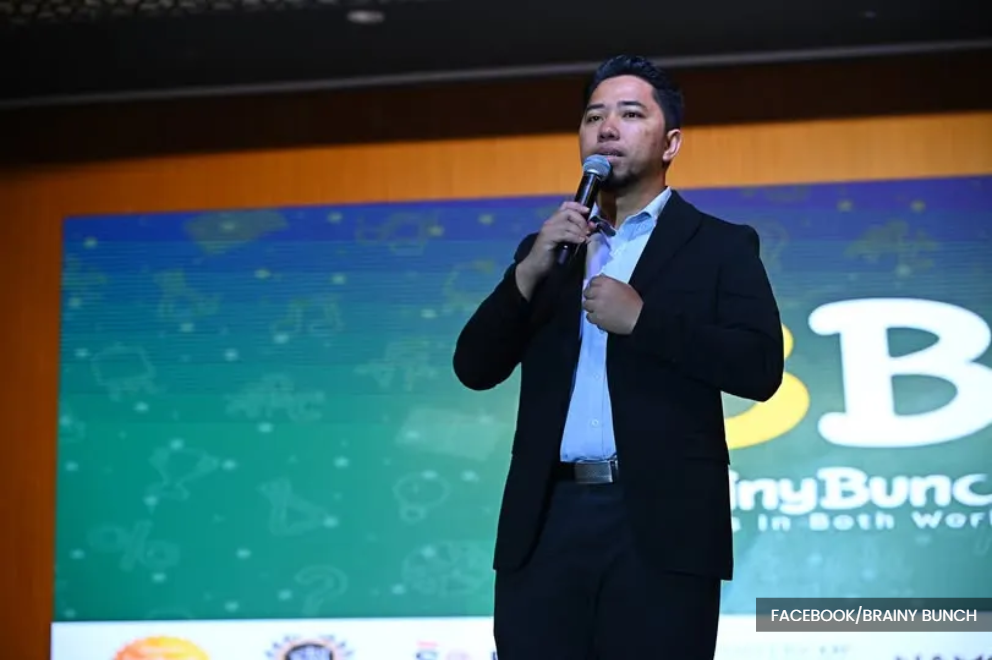
Hilmi Ismail, chief executive officer of Brainy Bunch Education Group, said private kindergartens play a crucial role in supporting the national education system, particularly by addressing the shortage of government preschools.
He warned that the sudden implementation of the policy could sharply reduce kindergarten enrolments, putting financial, operational, and human resource pressures on operators.
“If six-year-olds are moved entirely to Year One without a reasonable transition period, many private kindergartens risk losing students and may need to reassess staffing requirements,” he told Media Selangor.
Hilmi also questioned the planning of the policy, which he said was introduced without detailed guidelines, operational frameworks, or early engagement with industry stakeholders. He noted that early childhood education requires long-term planning.
“The policy also appears inconsistent with the 2026 Preschool Curriculum (KP2026) introduced by the Ministry of Education, which emphasises play-based learning for six-year-olds,” he added.
He suggested postponing the policy, implementing a two- to three-year transition period, and carrying out pilot projects before rolling it out nationwide.
Proposal for a dedicated early childhood agency
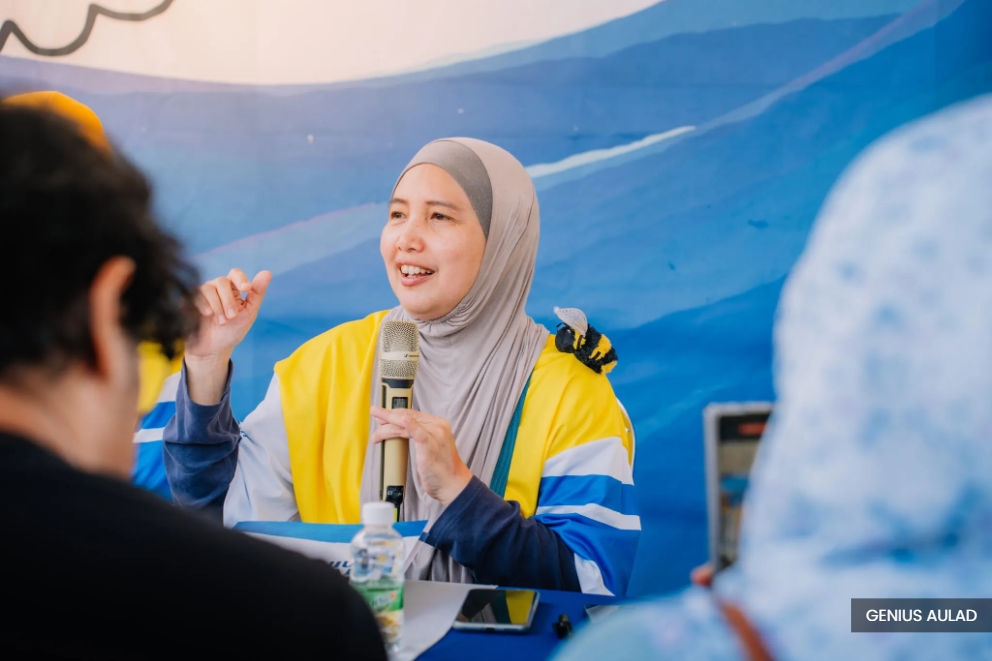
Meanwhile, Genius Aulad founder Zaliza Alias proposed establishing a dedicated national agency for early childhood education to coordinate quality, training, parental support, and licensing.
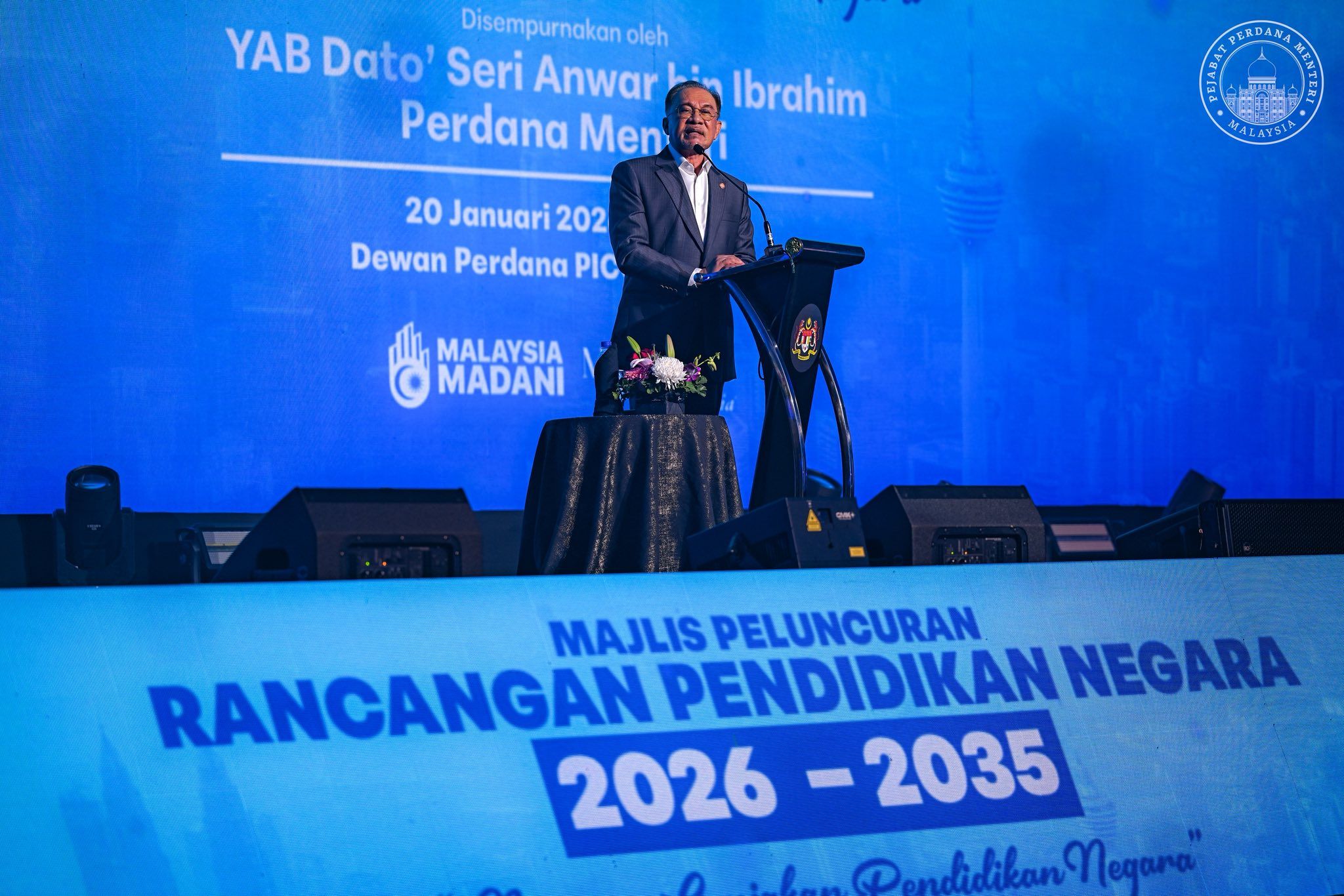
She said that in discussions on the 2026–2035 National Education Plan, the most basic aspect that requires attention is the direction of early childhood education, not just the age of admission to Year One.
“If Malaysia wants to emulate developed countries, early childhood education reform must be comprehensive, phased, and carefully planned, not rushed. Announcing the National Education Plan has only touched on children entering school at six or seven, while curriculum and education direction cannot be determined by age alone,” she said.
She explained that the lack of a clear and comprehensive framework has caused confusion among all stakeholders, including parents, operators, and teachers.
She added that issues in early childhood education have long been raised by associations and kindergarten operators, particularly regarding the various ministries and agencies overseeing the sector.
“When the system is fragmented and uncoordinated, any policy change causes confusion. If this is not addressed in national education planning, early childhood education continues to be treated as business as usual,” she said.
She stressed the need for a complete national framework, including governance, stakeholder support, and the creation of a dedicated agency to coordinate early childhood education in line with practices in developed countries.
“If we truly want to plan the future of the nation’s education, early childhood education must have a clear, organised, and structured place from the start,” she added.
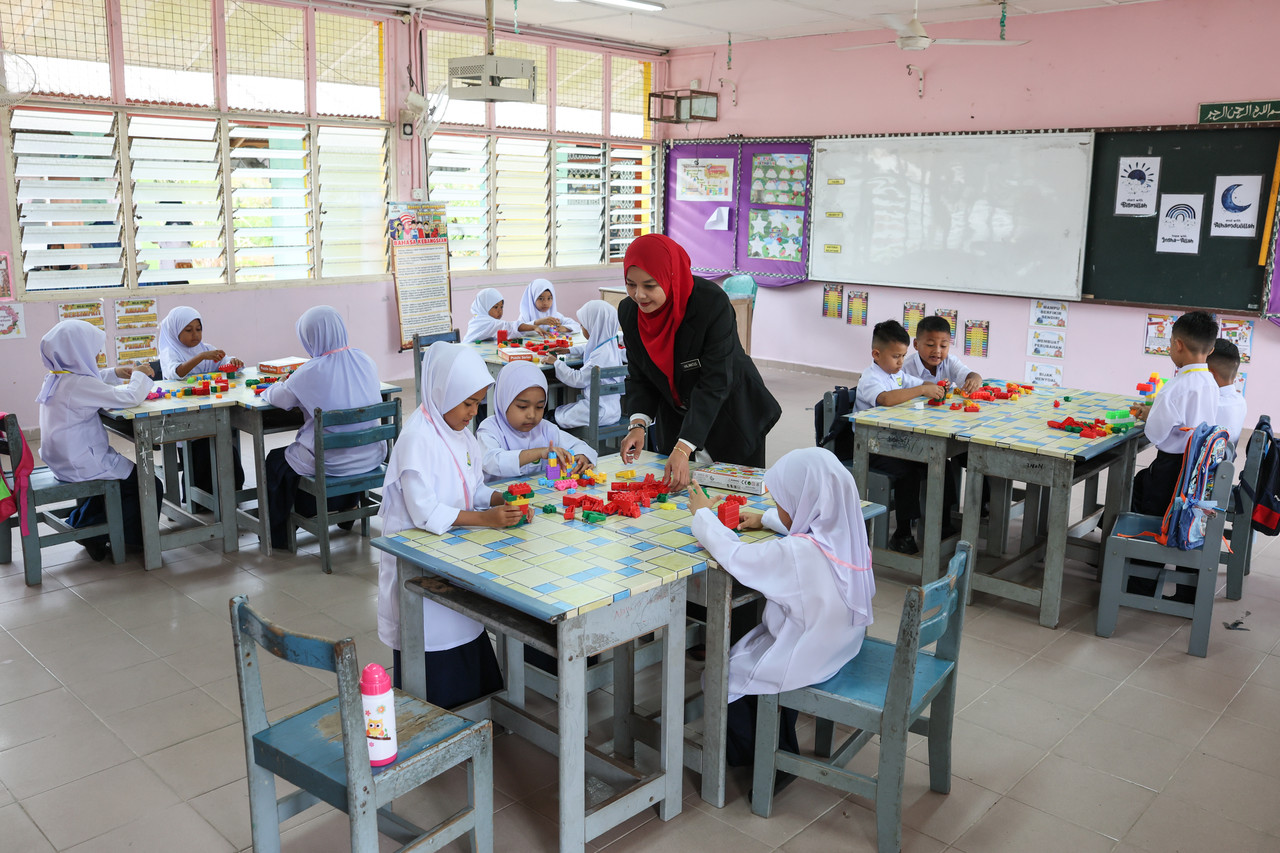
The voluntary admission of six-year-olds to Year One starting in 2027 has received mixed reactions from parents.
Education Minister Fadhlina Sidek said only children who pass a special diagnostic screening test will be eligible to enter Year One at age six. Parents interested in the programme must register their children for the screening test, which is expected to be implemented this year.