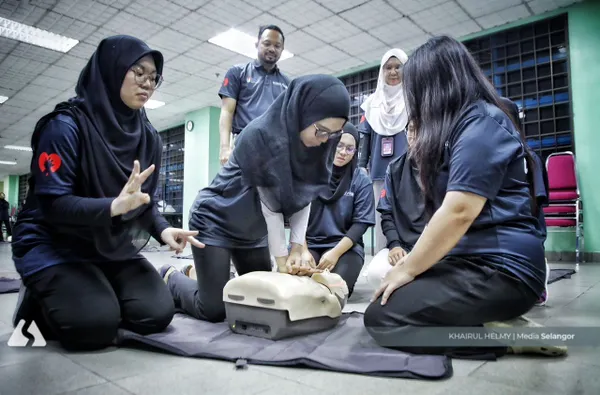
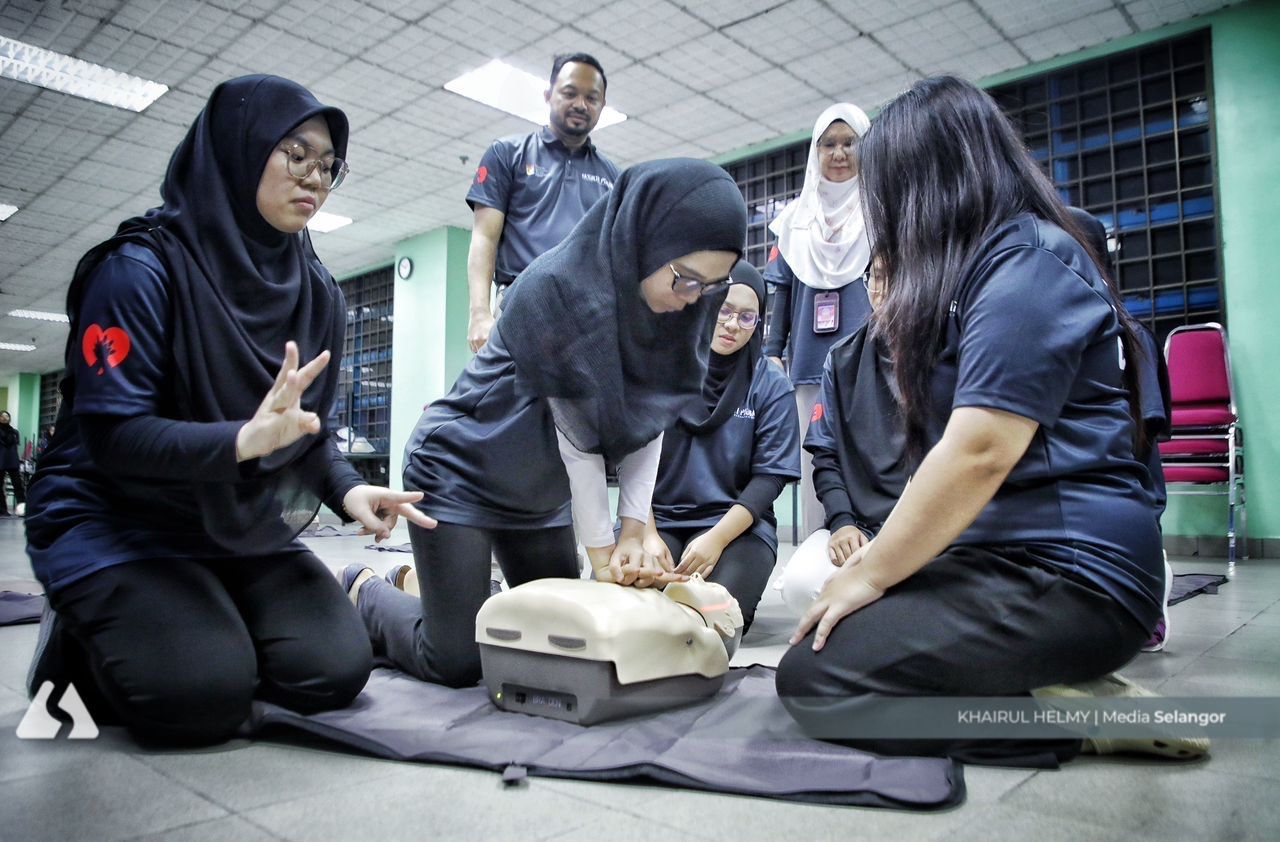
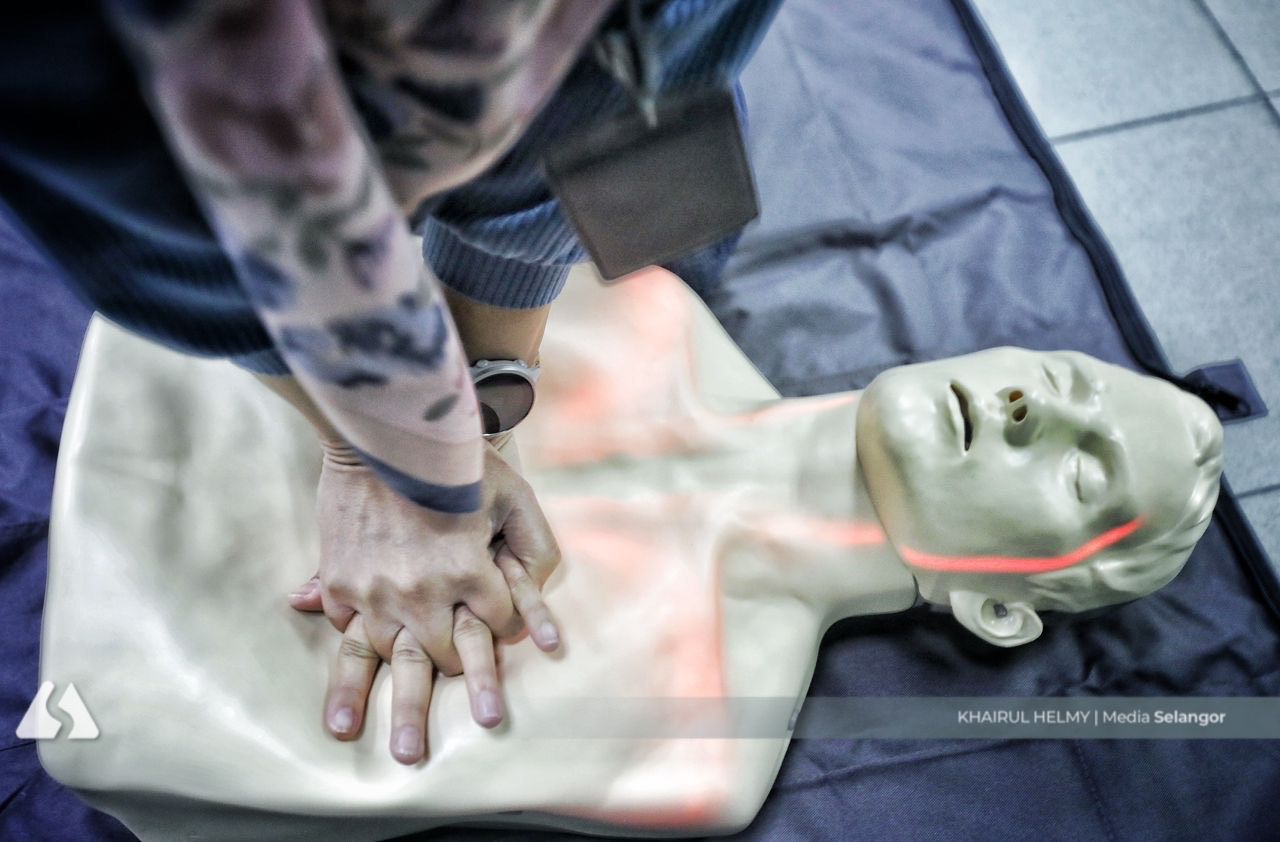
CHERAS, Jan 25 — The Silent Rescuers Programme organised by Universiti Kebangsaan Malaysia (UKM) has opened up opportunities for the hearing-impaired community to build self-confidence and leadership skills while mastering life-saving techniques.
UKM deputy vice-chancellor (student affairs and alumni) Prof Norinsan Kamil Othman said the approach of training the hearing-impaired community as cardiopulmonary resuscitation (CPR) instructors has a long-term impact on personal and community development.
“When a community is empowered to train its own members, we are not merely transferring knowledge, but building self-confidence, grassroots leadership, socio-economic opportunities, and a sense of ownership of the knowledge acquired,” he said when officiating the programme at the Canselor Tuanku Muhriz Hospital yesterday.
Norisan added that the approach ensures the continuity of CPR training without relying entirely on external parties, while positioning the hearing-impaired community as grassroots life-saving agents.
Meanwhile, the Malaysian Islamic Deaf Association's president Aqlam Jafri said the community warmly welcomed the initiative as it creates awareness and learning opportunities in CPR among the deaf community.
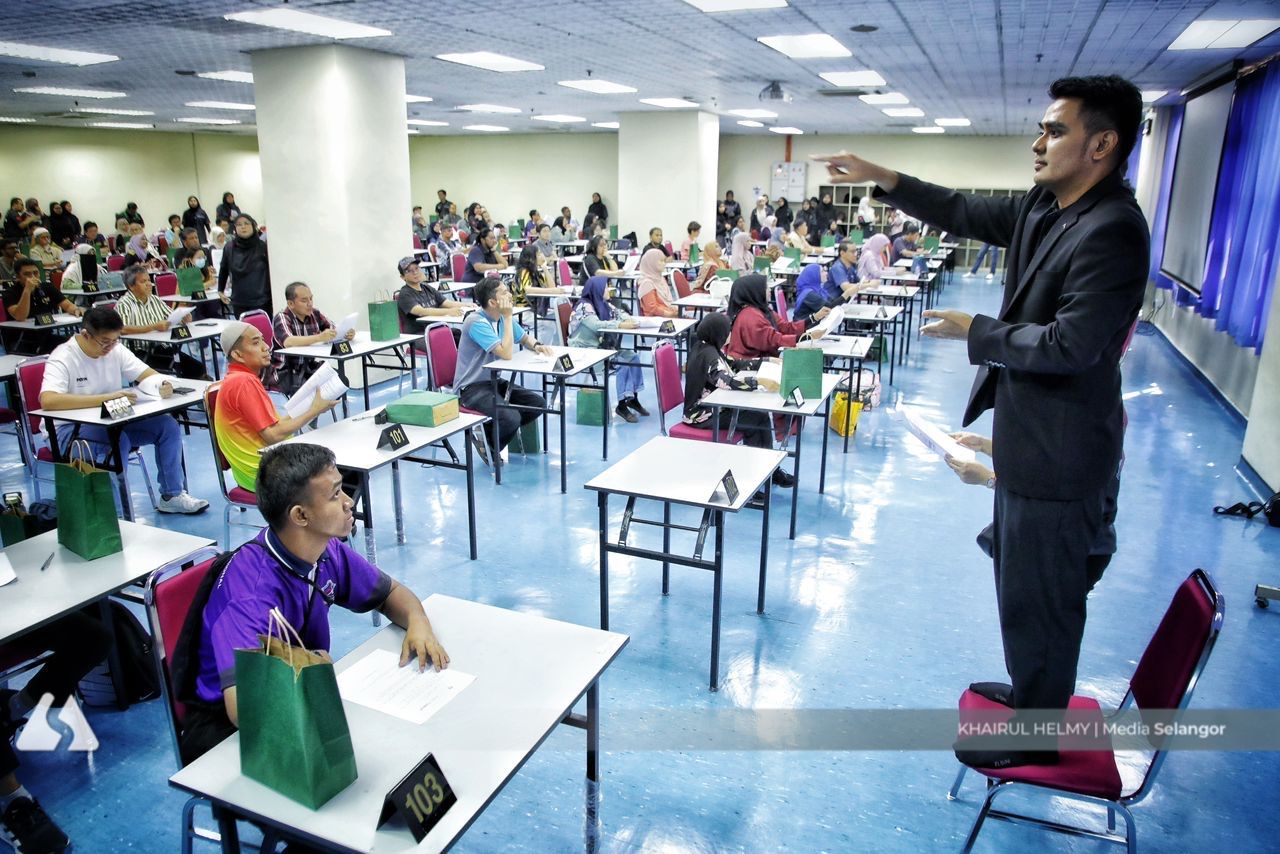
“The Malaysian Islamic Deaf Association is very proud and delighted because this programme raises awareness among the deaf community about the importance of learning and knowing how to perform CPR.
“If an emergency occurs, we hope the deaf community can work together, learn, and spread this awareness to others. We also hope that UKM’s CPR modules and guidebooks can be distributed to other deaf communities,” he said.
Similarly, Sekolah Menengah Pendidikan Khas Vokasional Shah Alam principal Wan Nomi Wan Omar said the initiative adds significant value to the school and its alumni, particularly in terms of student safety.
“As a school, we must accept all students even if they have health issues…indeed, some of my students have seizure-related conditions,” she said, adding that CPR training enables alumni and school staff to respond effectively in emergencies.
Nomi noted that previously, the role of alumni was largely focused on motivational support, but through the Silent Rescuers Programme, alumni can now directly pass on life-saving knowledge to special education students.
The Silent Rescuers Programme involves 120 hearing-impaired participants, some of whom will be selected to undergo advanced training as community CPR instructors.
The initiative also establishes a network of life-savers within the deaf community at the levels of schools, associations, and society.