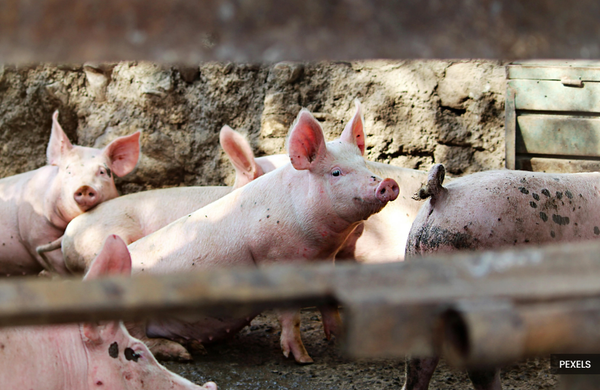
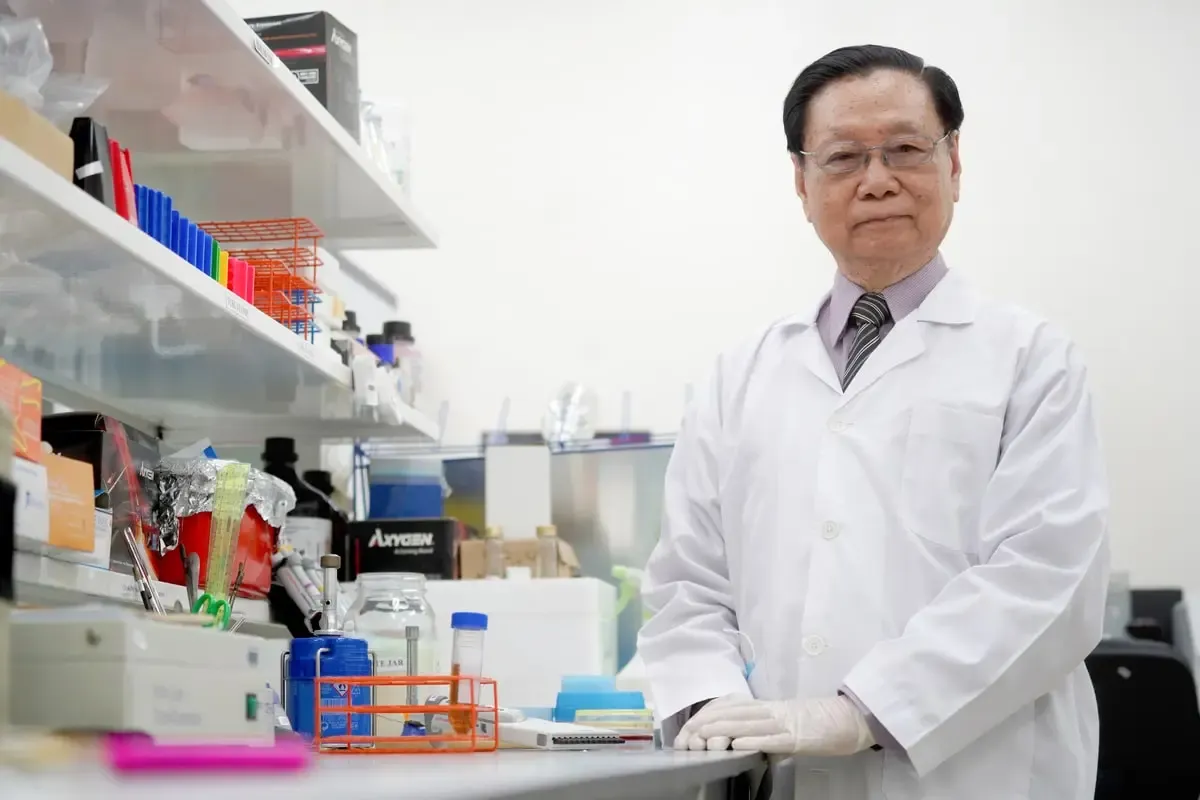
SHAH ALAM, Jan 23 — Virologist Prof Datuk Dr Lam Sai Kit has expressed his support for Selangor’s proposed central pig farm in Bukit Tagar, saying it could lower the risk of zoonotic diseases.
According to a CodeBlue report, Malaysia has long encouraged the transition to modern, centralised closed-system pig farming, controlled waste treatment, and central veterinary monitoring, far from residential areas and wildlife habitats.
However, the expert from Universiti Malaya said the transition hasn’t been fully or equally implemented in all states, though Selangor and Penang have made good progress.
Dr Lam said modern, centralised pig farming is more systematic and facilitates disease control, environmental management, and livestock health monitoring.
Among the advantages of a central farm are stricter biosecurity controls, more systematic waste management, periodic veterinary monitoring, and the ability to act fast in case of an outbreak.
He added that most traditional pig farms in Malaysia are smaller-scaled, use open systems, and are located near villages or jungles.
“This method is cheaper, but increases the risk of environmental pollution and public health,” he explained.
According to Dr Lam, an open system leads to more frequent interactions between pigs and bats or other wildlife, while untreated farm waste could pollute rivers and underground water sources, and affect the surrounding communities.
He said farms that were disorderly with lax controls in the 1990s were among the causes the Nipah virus spread in 1998 and 1999.
Dr Lam added that farms back then were nearby fruit orchards — bat habitats — which facilitated the spread of the Nipah virus from bats to pigs, before it spread to other areas.
He emphasised that pig farming isn’t necessarily risky if done with modern methods in a closed system.
“Modern farms that are bat-proof and monitored continuously can help lower this risk,” he said.
He also said central farms like the one proposed in Bukit Tagar would allow for tighter controls like animal quarantine zones, periodic health checkups, laboratory screening, and more systematic livestock tracking. Centralised farming could also improve odour issues, water pollution, air quality, and pest (like flies and rats) management.
Dr Lam explained that the Nipah virus isn’t a pig-borne disease, but a bat-borne one, with pigs acting as the carrier in the 1999 outbreak.
He added that the Nipah virus, which is still prevalent in Bangladesh, doesn’t involve pigs, and has not reemerged in Malaysia.
On African Swine Fever (ASF), he said the outbreak in Selangor and Penang last year shows just how quickly the disease could spread when farms are too dense and uncoordinated.
He added that central farms are better controlled due to movement controls, standard protocols and integrated monitoring.
However, Dr Lam conceded that high costs could be a challenge for small and medium farmers to switch to centralised farming.
He suggested support such as public-private partnerships, low-interest loans, and cooperative models to assist the transition.
“Discussions with all stakeholders are important as many depend on this industry for income,” Dr Lam said.