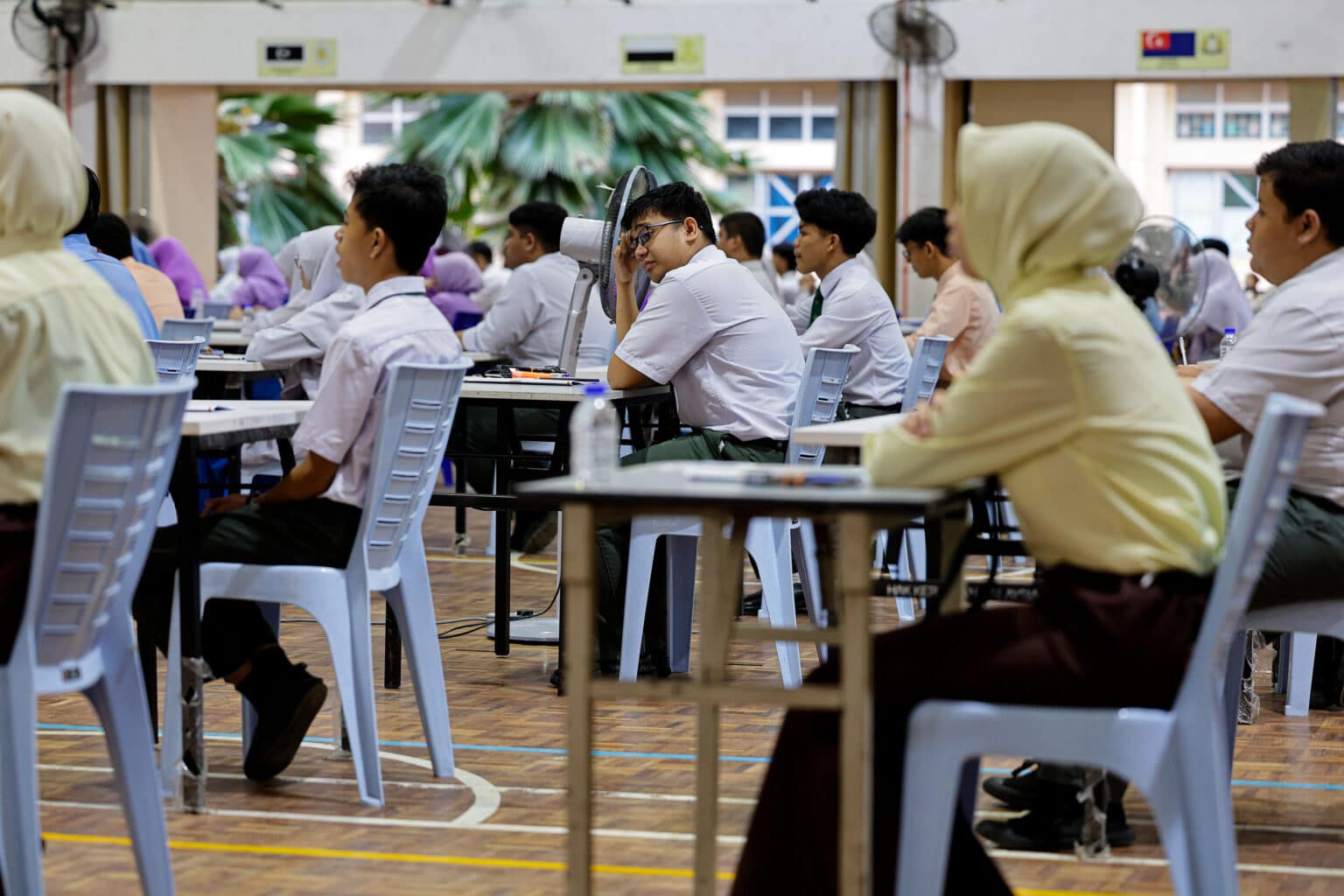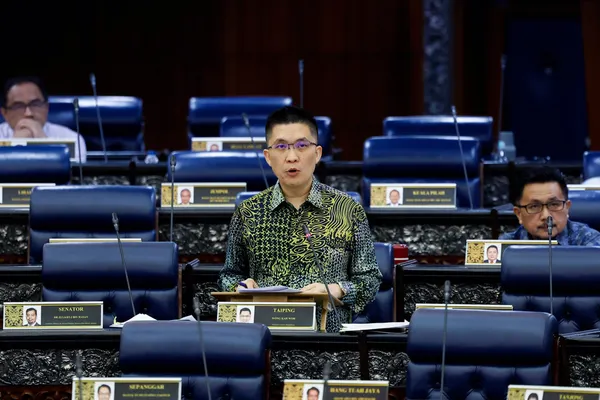

KUALA LUMPUR, Jan 22 — The National Average Grade (GPK) gap between urban and rural candidates still exists, despite Sijil Pelajaran Malaysia (SPM) exam results showing consistent improvement for both groups.
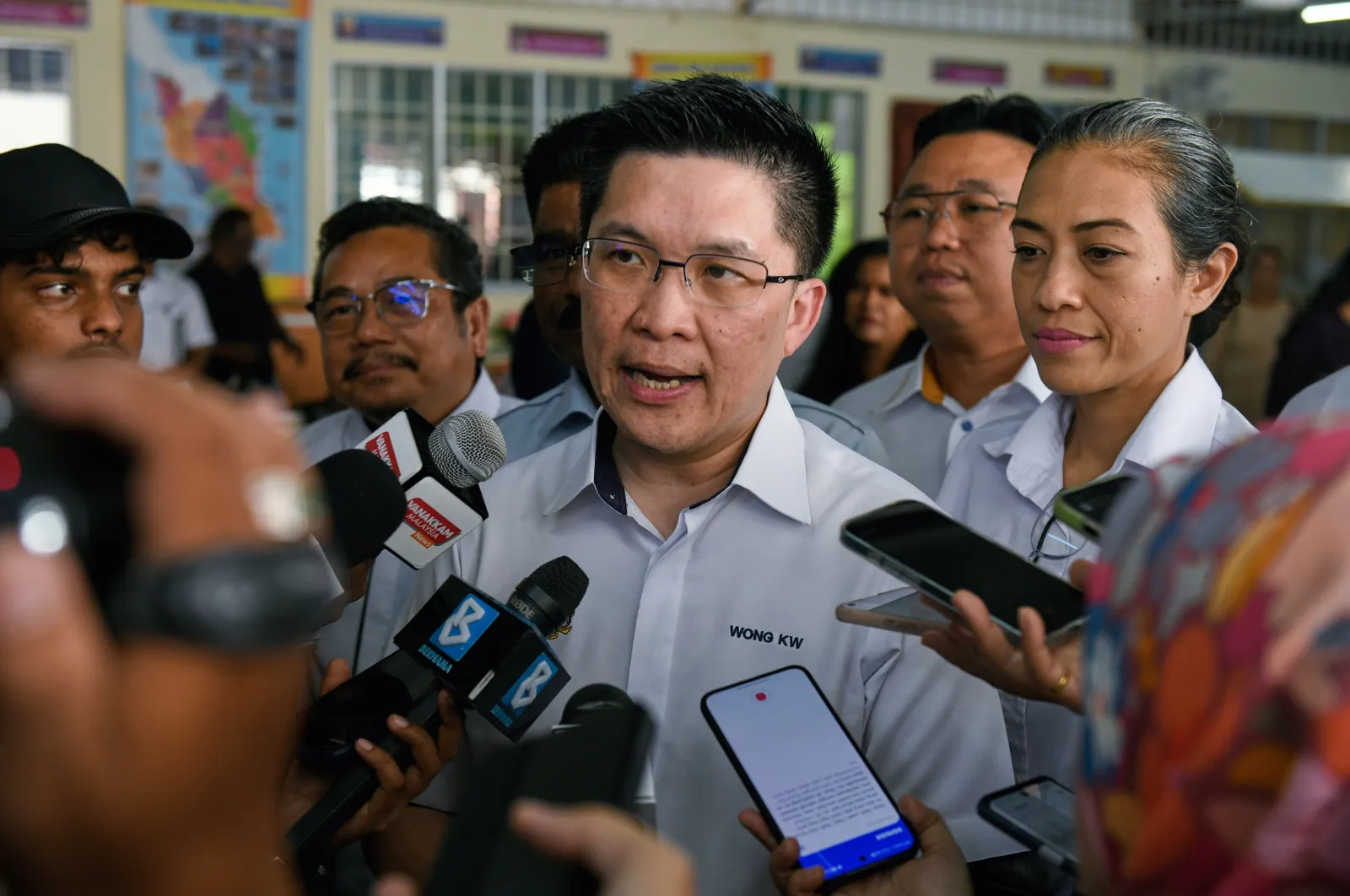
Deputy Education Minister Wong Kah Woh said that in 2022, urban candidates recorded a GPK of 4.73 compared with 5.16 among rural candidates, with a gap of 0.43. In 2023, the GPK stood at 4.58 for urban candidates and 5.01 for rural candidates, maintaining the same 0.43-point gap. In 2024, the figures improved to 4.47 for urban candidates and 4.92 for rural candidates, with the gap widening slightly to 0.45.
“In terms of its impact on student achievement, the analysis report on SPM exam results by location shows continuous improvement in average grades among both urban and rural candidates.
“The integrated approach and measures implemented demonstrate the Education Ministry’s (MOE) ongoing commitment to enhancing teacher competence regardless of location, whether in urban or rural areas,” he said during a question-and-answer session at the Dewan Rakyat today.
He was responding to a question from Ahmad Tarmizi Sulaiman (PN-Sik) on the ministry’s plans to strengthen teacher training programmes in rural areas to narrow the 0.45-point GPK gap between urban and rural candidates to ensure educational equity and teaching standards, comparable to those at high-performing schools.
Wong said that in 2024, the MOE ran 587 training programmes for 68,126 teachers nationwide, including those in both urban and rural areas.
“The training focused on strengthening high-impact pedagogy, enhancing mastery of subject content, improving effective teaching and learning (PdP) practices, as well as providing continuous professional guidance tailored to the context of rural schools,” he said.
He added that this year, the MOE will continue to roll out teacher training programmes in a more structured manner, based on actual needs of schools identified through State Education Departments and District Education Offices. The initiatives are expected to involve 23,000 teachers in rural areas.
“The allocations are channelled into four key areas — Science, Technology, Engineering and Mathematics (STEM); Upholding the Bahasa Melayu and Strengthening Command of English (MBMMBI); curriculum intervention; and preschool education, once teachers are ready to implement the 2027 school curriculum,” he said.
Responding to a supplementary question from Dr Richard Rapu@Aman Begri (GPS-Betong) on teacher placements and incentives in rural areas, Wong said that teacher placement and transfers are determined based on school needs and applications submitted through the eGTukar system.
Wong added that rural schools are categorised into three, and teachers serving in these categories are entitled to receive additional monthly allowances.