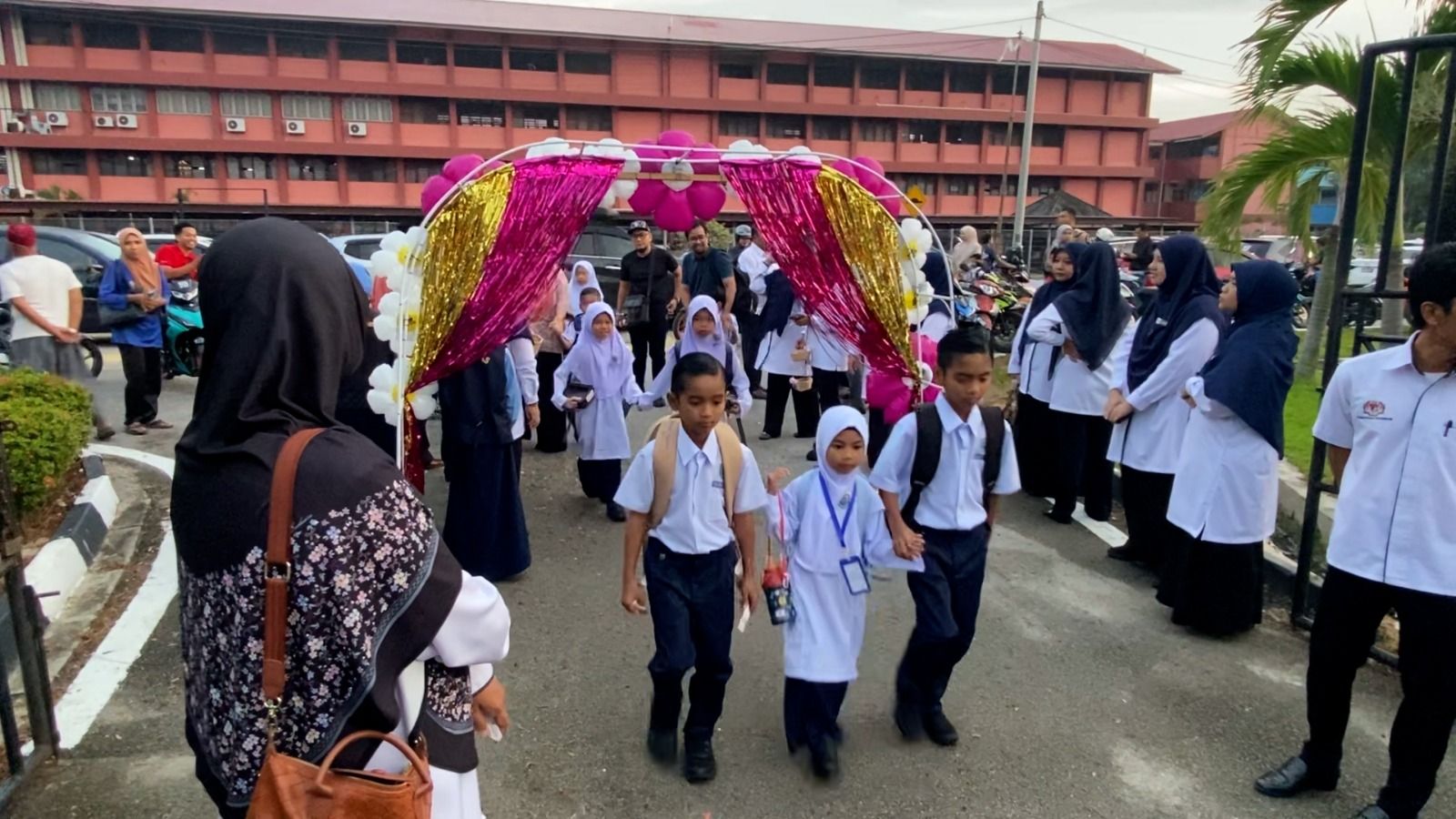
SHAH ALAM, Jan 22 — The recommendation for diagnostic or screening tests for six-year-olds to enter Year One goes against the basic principles of fair access to education, said expert Anuar Ahmad.
The Malaysian Inclusive Development and Progress Institute of Universiti Kebangsaan Malaysia (MINDA-UKM) deputy director said diagnostic tests shouldn’t be used as a selection tool to admit students into school, but instead used to identify children’s learning needs.
“Diagnostic tests (should) only be used to identify students’ needs, not discriminate against them. The term ‘diagnostic test’ isn’t even accurate in this case,” he told Media Selangor.
Anuar said the suggestion is actually an eligibility test that screens and categorises children, which goes against the principles of public education that are supposed to be inclusive.
He questioned the rationale of assessing children as young as five to determine their eligibility to enter Year One based on their reading, writing and arithmetic skills, when it would be their first foray into formal education.
He also rejected the notion of assessments on children’s emotional stability and cognitive ability, saying: “There is no child development theory that can confirm five-year-olds have emotional stability.”

Anuar added that at that age, children’s cognitive development would be in the early stage and heavily influenced by socio-economic factors, parental education backgrounds, and learning facilities at home.
“Of course eligibility tests like this would be supremely advantageous to children of elevated socio-economic backgrounds. What would happen to kids from poor families?” he asked.
“Denying some six-year-olds’ rights to enter school while others pass goes against the principles of education equity, humanitarian values, and aspirations of the national education philosophy,” Anuar said.
Yesterday, Education Minister Fadhlina Sidek said only six-year-olds who pass a screening test would be allowed to enter Year One in 2027.