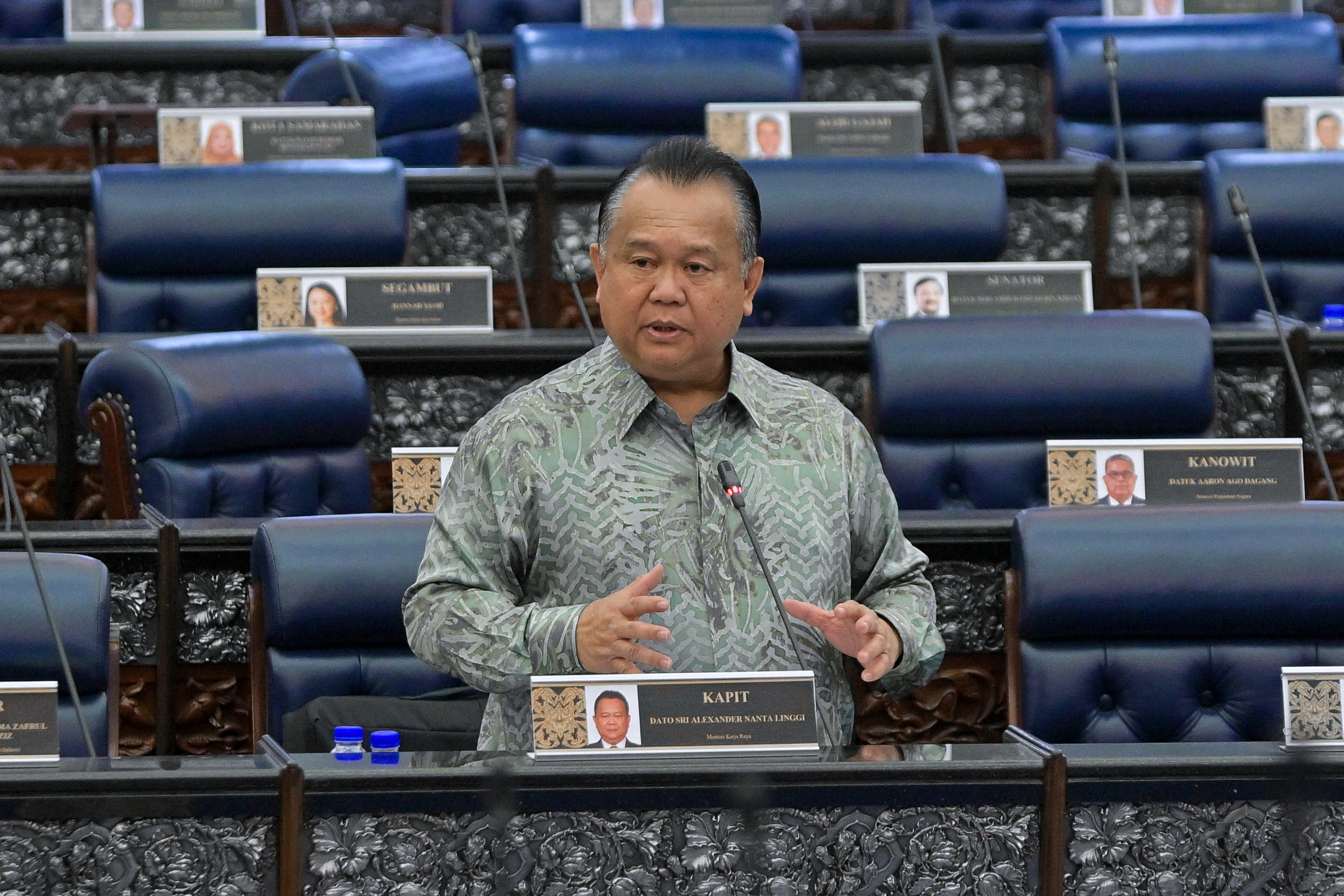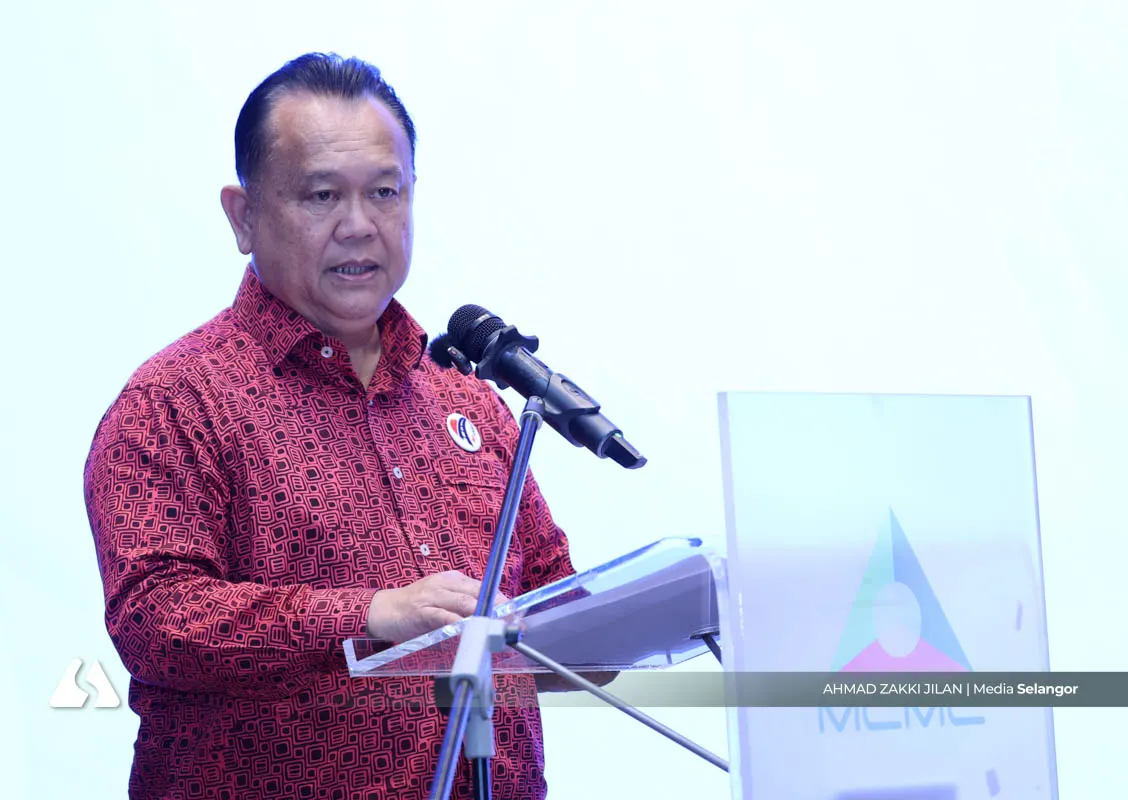

KUALA LUMPUR, Jan 21 — Smart lanes on highways have lowered crash rates at key locations, proving their effectiveness in improving road safety and easing congestion, said Works Minister Datuk Seri Alexander Nanta Linggi.
He said a safety analysis showed crash rates fell by up to 22 per cent on the Putra Mahkota-Southville route, and the Rawang-Rawang Interchange route saw a 74 per cent drop.
“Overall, crash rates in smart lane zones are very low and not significant, relative to the high volume of traffic,” he told the Dewan Rakyat today.
He was responding to a supplementary question from Manndzri Nasib (BN-Tenggara) on crash statistics and the ministry’s safety monitoring mechanisms to ensure the scheme does not increase road risks, especially during festive seasons.
Smart lanes temporarily open the emergency lane to light vehicles during peak times and festive seasons to increase capacity.
Nanta explained that the majority of recorded crashes are not due to road design, but negligence, such as speeding in the smart lane, changing lanes dangerously without signalling, and using the emergency lane outside of smart lane operating hours.
For long-term strategy, he said the Works Ministry (KKR) is committed to more sustainable infrastructure solutions.
These include phased highway-widening and -upgrade projects, such as the Senai Utara to Machap stretch of the North-South Expressway and the Juru-Sungai Dua Traffic Dispersal scheme.
“The lane widening project on the KL-Karak Highway will lower congestion, especially during festive seasons, and the planned Multi-Lane Free Flow toll system will help reduce congestion at plazas by streamlining payment,” he said.
Nanta said the Malaysian Highway Authority continuously monitors traffic via CCTV from its Traffic Management Centre and works closely with the police and Road Transport Department (JPJ) to prevent misuse of the smart lane.