
KUALA LUMPUR, Jan 21 — Fully enforced from October 1, 2025, the Control of Smoking Products for Public Health Act 2024 is expected to curb unhealthy smoking-related activities in Malaysia, including the use of e-cigarettes or vape, especially among minors, and ultimately pave the way for a smoke-free Malaysia or an ‘endgame generation’.
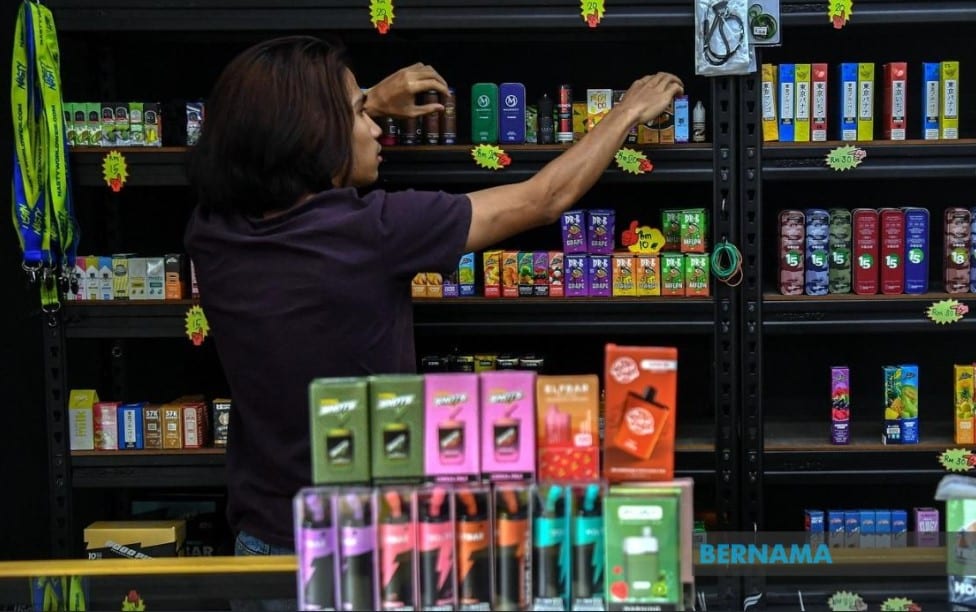
However, despite the restrictions provided under Act 852, including the prohibition of selling, advertising and promoting vape products, a quiet but well-organised wave of promotion has been taking place, targeting the underage population and enticing them to ‘vape’.
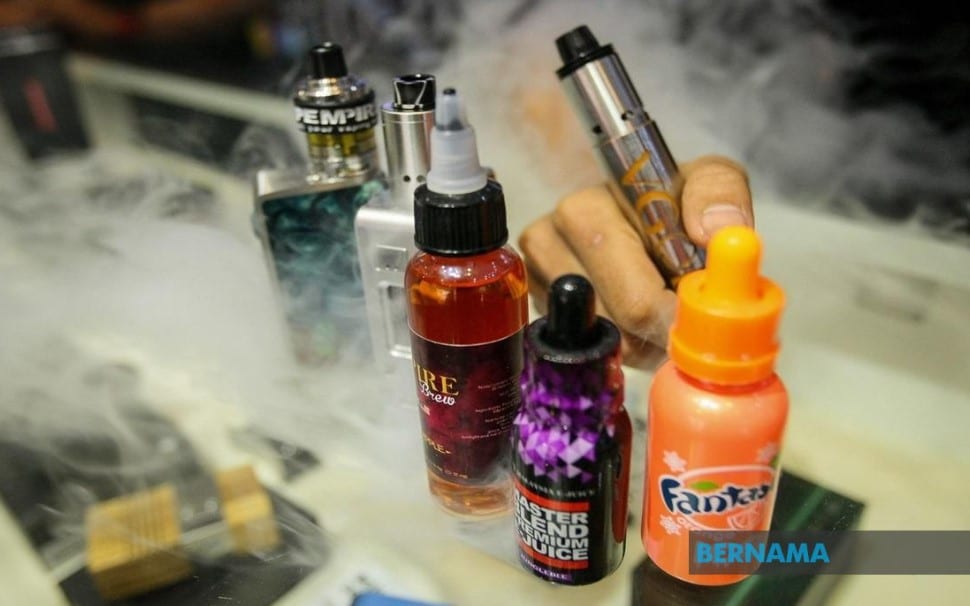
Fuelled by sweet flavours like candy and fruit, vaping is said to be increasingly common among school students, including female pupils. Experts believe the rise is largely driven by teenagers’ lack of knowledge about vaping and its harmful impact on health.
“Many students I have met do not know vaping can lead to addiction,” said Universiti Sains Islam Malaysia's Medicine and Health Sciences Faculty lecturer Dr Nizam Baharom in a recent interview with Bernama.
Unaware of the dangers
His field surveys at several schools revealed that vaping has increasingly become part of student culture.
“In fact, at one school, I was informed by a teacher that a female student had become a vape seller. Most students I met did not understand the effects or reality of vaping, that it can cause addiction and harm their health.
“Because vape flavours are varied and appear harmless, many believe vaping is not dangerous and that they can stop anytime,” Dr Nizam said.
Most students also do not realise vape contains nicotine, nor do they understand nicotine’s effects on the body, since nicotine is typically associated only with conventional cigarettes.
“The way they are drawn into becoming vapers is similar to what we saw in previous generations who were exposed to cigarettes; it begins with a lack of knowledge about nicotine and the dangers of the substance.
“Attracted by the variety of flavours, unlike conventional cigarettes that use tobacco, these young people feel the urge to try. From there, nicotine addiction begins to take root. The process of dependence (on nicotine/vape), both physiologically and psychologically, then starts.
“They vape due to that dependence, without realising vape causes addiction and makes it difficult for them to stop,” he said.
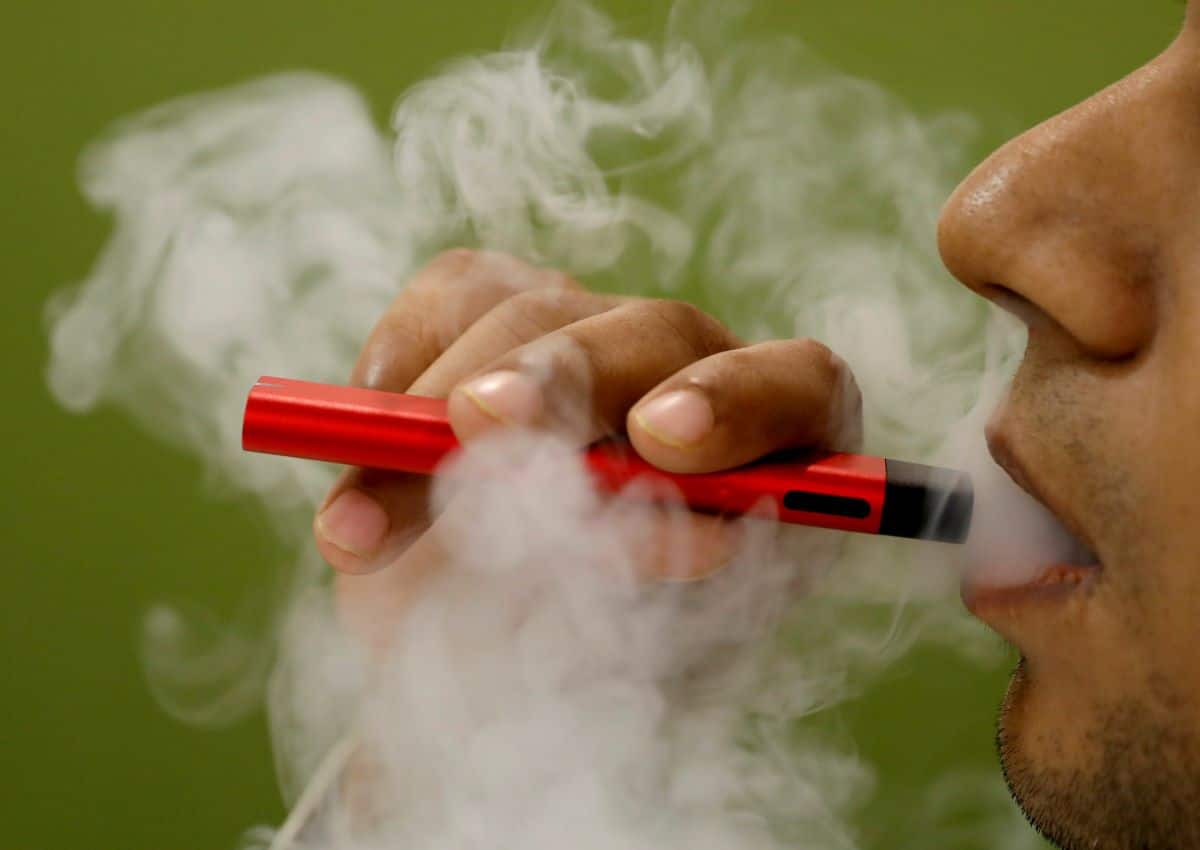
Dr Nizam added that many vapers focus only on flavour without realising they are actually inhaling high doses of nicotine deep into their lungs.
“Imagine repeatedly inhaling a delicious flavour — unknowingly, it opens the door to nicotine addiction,” he said.
Attraction
Believing that environment plays a major role in the spread of vaping among teenagers, Dr Nizam said vape products today are marketed as trendy, gadget-like devices that appeal to Generation Z and Generation Alpha, combined with an ever-expanding range of flavours.
“(Despite the enforcement of Act 852) access to these products is also very easy,” he said, noting that even when schools prohibit smoking and vaping, students are still exposed to vaping outside school through adults.
“Students are exposed to promotions through online social media influencers who portray vaping as safe and nothing wrong to try. Physically, they can also easily see and obtain a vape directly from convenience shops,” Dr Nizam said.
Peer influence contributes significantly, particularly in making vaping part of what seems like an unavoidable trend among youth today.
As such, he warned that without stricter enforcement, it would not be surprising for vaping prevalence among teenagers to continue climbing.
“According to NHMS (National Health And Morbidity Survey) statistics, vaping among teenagers was 9.8 per cent in 2017, rising sharply to 14.9 per cent in 2022. That is nearly a two-fold increase, and it is very alarming. I believe it will rise further in 2026,” Dr Nizam said.
Among others, Act 852 prohibits the sale of smoking products (including vape) to minors, the sale of such products in toy-like forms, and bans on advertising and promotion, implemented under Phase One beginning on October 1, 2024.

The dangers of vape
From a health standpoint, he said continuous vape use carries risks of damaging both lungs and the brain.
“In the past, nicotine came from processed tobacco leaves rolled into cigarettes. Today, nicotine is found in liquid form and is synthetically produced.
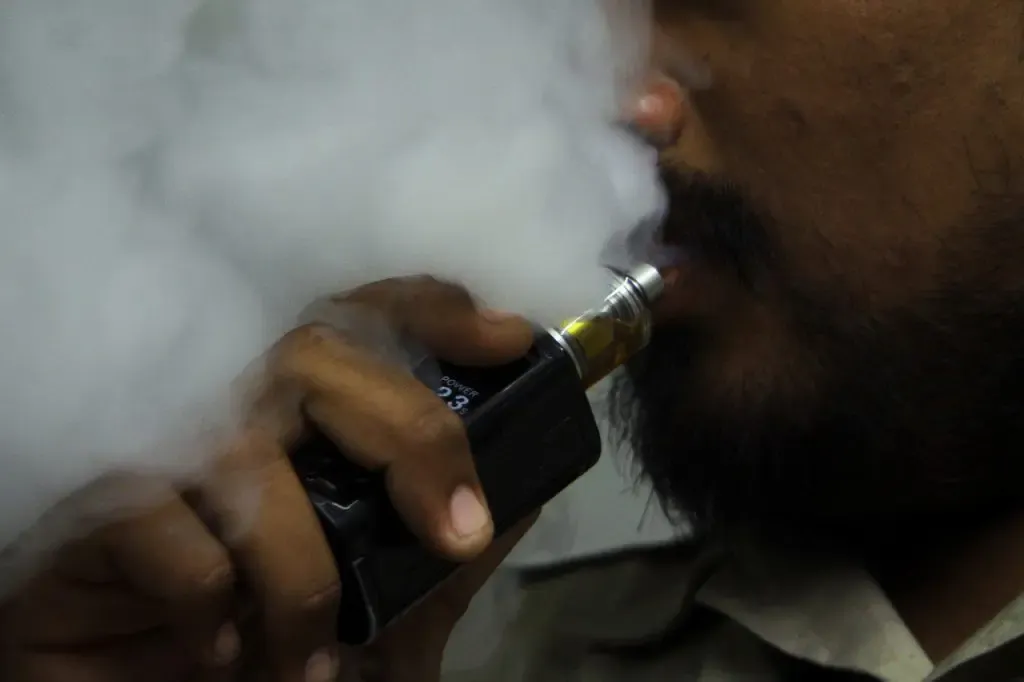
"This enables nicotine to enter the bloodstream more quickly. Not to mention, the harshness normally experienced when inhaling tobacco smoke is no longer felt when vape users inhale aerosol from vape devices,” Dr Nizam said.
For underage users, the danger is multiplied because the brain is still developing, and vaping could disrupt that process.
“Brain development can continue until the age of 25,” he said.
Vape use can harm health and lead to nicotine addiction, making it even harder to quit.
“There is a lot of documentation from smokers who switched to vaping and later admitted it became harder to quit after getting involved with electronic cigarettes. This is one of many reasons why vaping should be treated as a prohibited product and banned nationwide.
"Neighbouring countries such as Thailand, Singapore, and Brunei have banned vaping for a long time. Smokers who want to quit are advised to stop with professional help,” Dr Nizam said.
Previously, media reports also quoted Health Minister Datuk Seri Dr Dzulkefly Ahmad as pledging to ban vaping in 2026, and many hope the decision will proceed without interference from parties opposed to the ban.
Threat to mental health
Commenting on mental health effects, International Islamic University Malaysia's Kulliyyah of Medicine's Psychiatry Department psychiatrist and lecturer Dr Hijaz Ridzwan said vape use among teenagers has become an increasingly worrying social and public health phenomenon.
He stressed that while society’s focus once centred largely on the dangers of conventional cigarettes, Malaysia today is witnessing a nicotine culture shift toward vaping, perceived as more “modern” and supposedly “safer”, even though the reality is far different.
There have been reports of primary school pupils experimenting with vapes, something rarely seen during the conventional smoking era, indicating a serious shift in social norms.
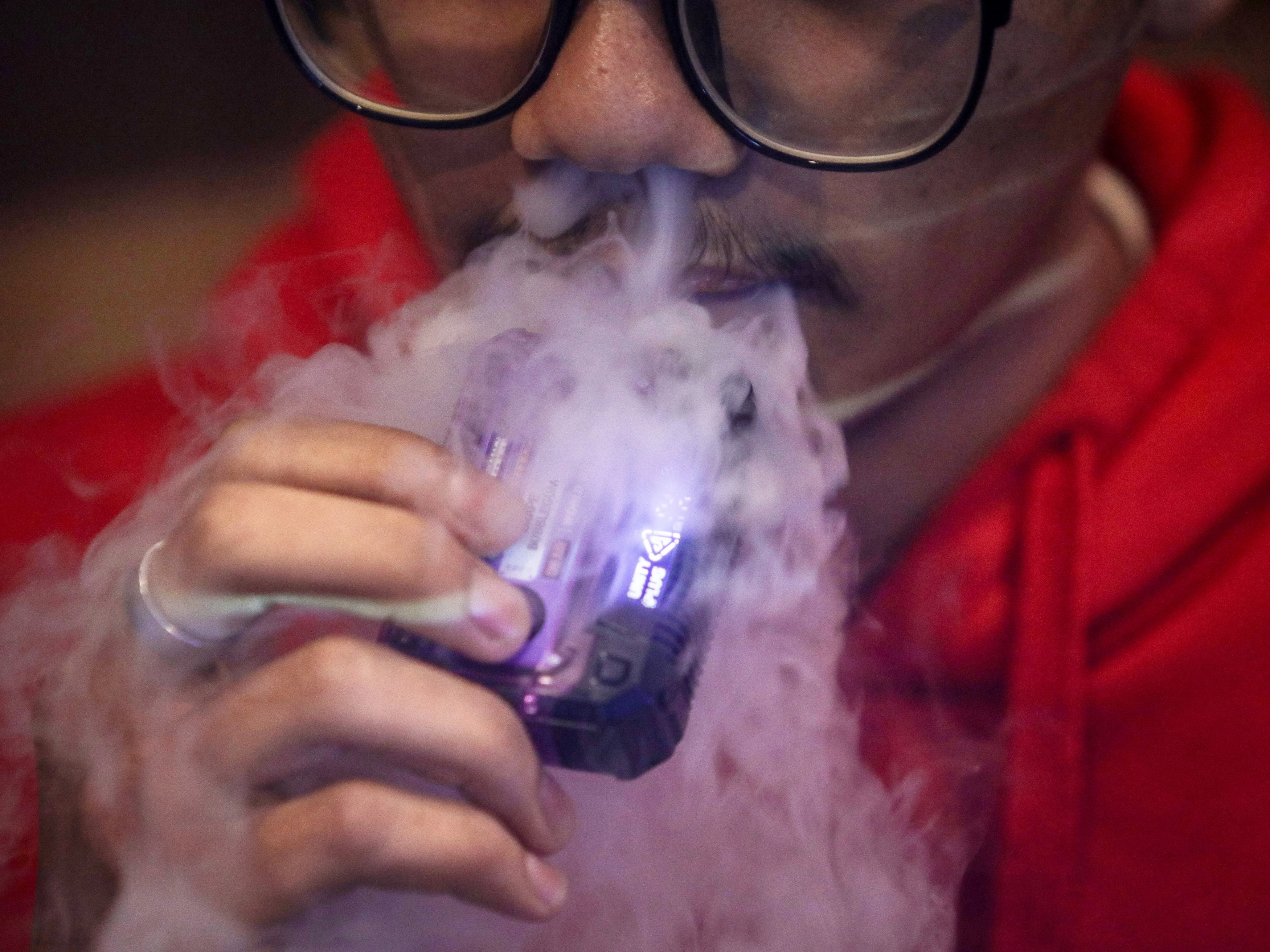
“A vape is a device or gadget that heats e-liquid to produce vapour, which is then inhaled into the lungs. The liquid often contains nicotine, flavouring substances and other chemicals — including synthetic drugs such as methamphetamine.
“Although frequently promoted as safer than conventional cigarettes, vaping is increasingly proven to carry higher health risks, especially for teenagers, because it is far more attractive than cigarettes,” Dr Hijaz said.
From the mental health perspective, vaping may not be the sole cause of mental health problems, but it is an important risk factor, as studies consistently show links between vape use and worsening mental health symptoms among teenagers, especially when combined with academic and social pressures.
“In terms of the impact on teenage brain development, at this age their brains are still growing and not fully mature, especially the areas responsible for emotional regulation, impulse control and decision-making.
“Exposure to nicotine can disrupt that development and increase the risk of emotional control problems, anxiety, depression, and tendencies toward risky behaviour,” he said.
Nicotine can trigger addiction among teenagers because it has a high addictive potential, even when used for a short period.
“In some cases, nicotine levels in vape products are higher than in conventional cigarettes and are absorbed rapidly into the brain.
“Teenagers are more vulnerable to addiction because their brain reward systems are more sensitive to pleasure and stimulation, while self-control mechanisms are not yet fully developed, making them more likely to become 'hooked' and find it difficult to quit,” Dr Hijaz said.
He added that for some teenagers, vaping becomes a form of self-medication to cope with stress, but in the long run, it worsens emotional problems.
“Nicotine also disrupts prefrontal cortex function, the part of the brain crucial for self-control and rational judgment. As a result, teenagers who vape regularly become more impulsive, more easily influenced, and less likely to consider long-term consequences,” Dr Hijaz said.

Risk of illegal substance abuse
The expert also warned that vaping can serve as a gateway to other forms of substance abuse, including illegal drugs. Teenagers already accustomed to nicotine face a higher risk of experimenting with cigarettes, alcohol, cannabis, and other prohibited substances.
“The vape issue is not only about nicotine. It opens a new gateway to modern forms of drug abuse. Flexible vape pod designs make it easier to replace the liquid with various new formulations, including synthetic drugs,” he said.
Many emerging psychoactive substances are now being mixed into vape liquids and sold openly, including new variants of cannabinoids or stimulants that have not yet been regulated under local laws.
“This problem becomes more serious when these substances are difficult to detect through routine urine tests. Most new-generation synthetic drugs are specifically designed to evade existing toxicology kits.
“When vaping is normalised, it lowers teenagers’ psychological barriers to trying other substances through the same channel. This makes vaping not only a nicotine addiction issue but also a gateway to a new-generation drug crisis,” Dr Hijaz said.
Therefore, he urged the implementation of a comprehensive, holistic approach that covers legal enforcement, tighter controls on sales and marketing, mental health education in schools, parental involvement, and early access to treatment.
“The vape issue must not be viewed only as a discipline problem, but also as a mental health issue and the development of the future generation. It demands a broader approach. Control policies must be strengthened with enforcement against underage sales and monitoring of hidden advertising on social media.
“Health education must begin early, exposing children to the real facts about vape risks, including its links to synthetic drugs,” he said.
Teachers and parents should also be trained to recognise early signs of vape use and provide the right emotional support.
“At the same time, public health laboratories must be strengthened to detect trends of new chemical substances in vape liquids so that laws can be updated quickly. Community interventions are also crucial,” Dr Hijaz said.
He also advised that mentor-mentee programmes, school counselling, and social media awareness campaigns must be intensified to counter the increasingly dominant glamorous narratives that are dominating youth culture.