

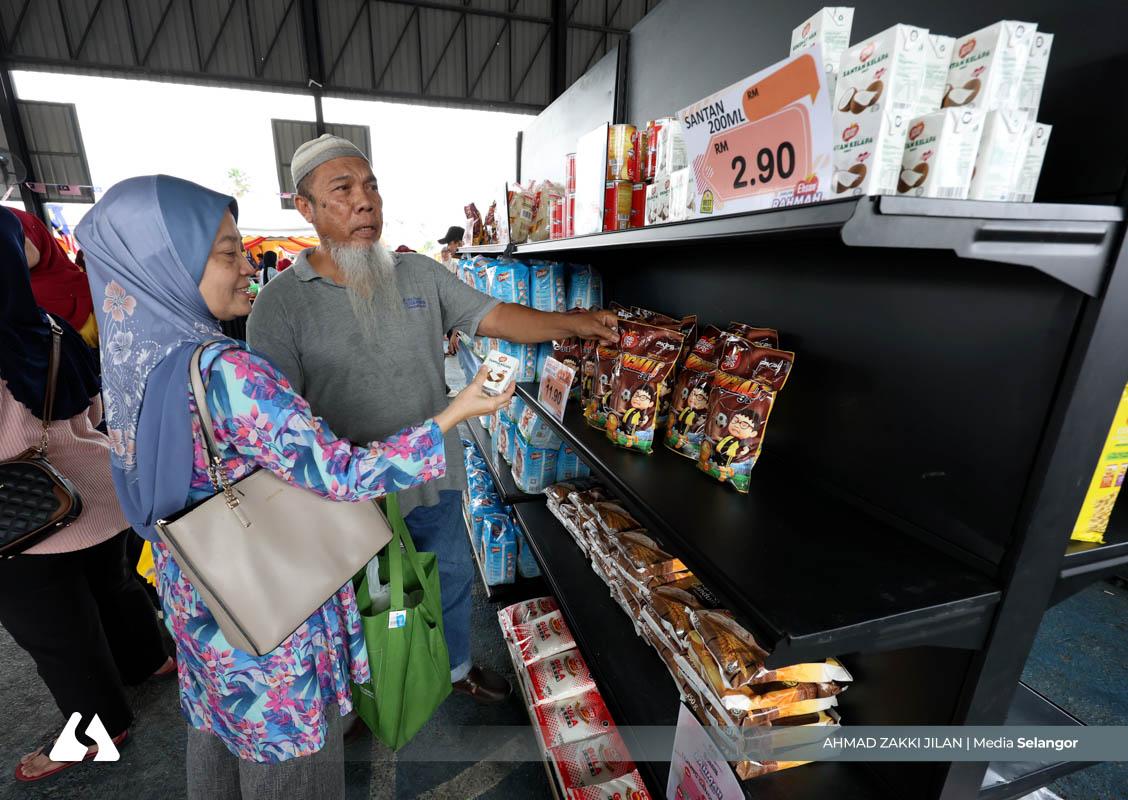
KUALA LUMPUR, Jan 19 — Malaysia’s official inflation rate of 1 to 2 per cent does not reflect the real cost pressures faced by households, especially lower- and middle-income families, said Mydin managing director Datuk Ameer Ali Mydin.
He said that while headline inflation remains low, inflation at the household level is closer to 5 to 7 per cent annually, placing a heavier burden on families who spend as much as 30 to 50 per cent of their income on essentials like food and accommodation.
“Macro-level figures don’t always capture what people feel (in reality). For many households, especially B40 and M40 groups, food prices are rising much faster than overall inflation,” at the launch of a book titled Putting Everything in Its Proper Place by Kamarudin Abu Bakar at Zezz Residence in Country Heights Damansara here on January 15.
Ameer also noted that wages generally do not keep pace with food inflation, except when the government intervenes through policy measures such as minimum wage hikes. In this context, he said gradual, well-communicated minimum wage hikes are crucial.
“The government should continue raising the minimum wage in stages and announce changes early. This protects consumers while giving businesses sufficient time to adjust their cost structures,” he said.

He also highlighted the importance of targeted aid programmes, including Sumbangan Asas Rahmah (SARA), which he said inject billions into the economy and help sustain domestic consumption.
“These programmes create multiple rounds of spending, especially in the retail sector. Without them, consumer spending would weaken sharply, and that would have broader implications for the economy,” he said.
Ameer also urged consumers to adapt their spending habits to cope with rising costs, encouraging households to be less brand-conscious, compare prices, and shop more strategically.
“Consumers should avoid unnecessary premium spending, particularly among B40 groups. Smart consumption allows households to manage inflationary pressures without sacrificing quality of life,” he said.
Ameer added that while policy support is important, household-level decisions also play a role in cushioning the impact of rising living costs amid ongoing price pressures.