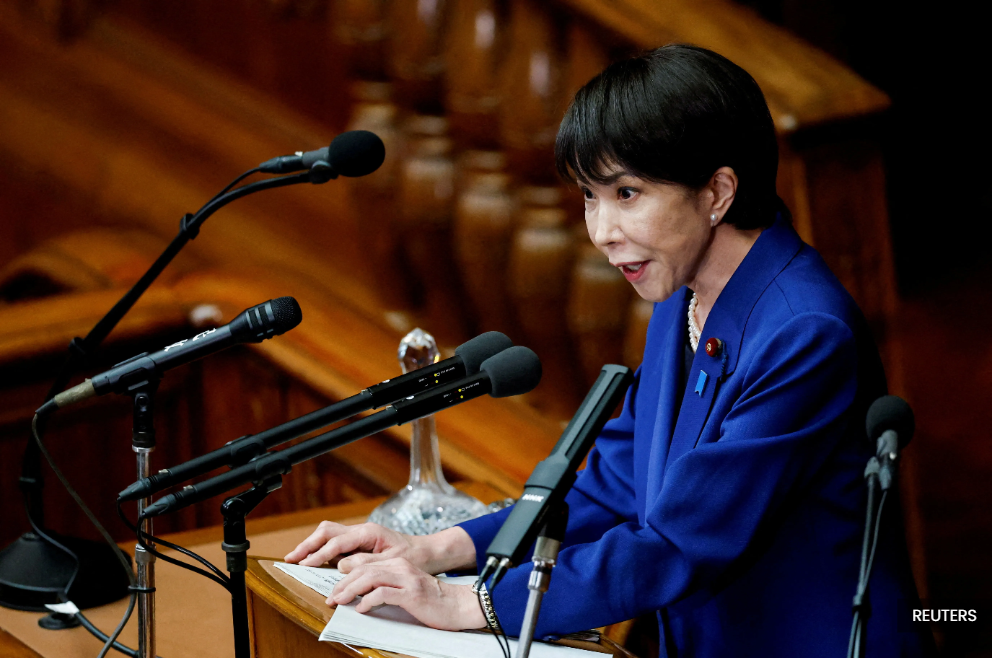
TOKYO, Jan 13 — Japan may face its own version of the United States "fiscal cliff" if Prime Minister Sanae Takaichi calls an early snap election, a move that could delay Parliamentary approval of a bill that grants the government the right to issue deficit-covering bonds.
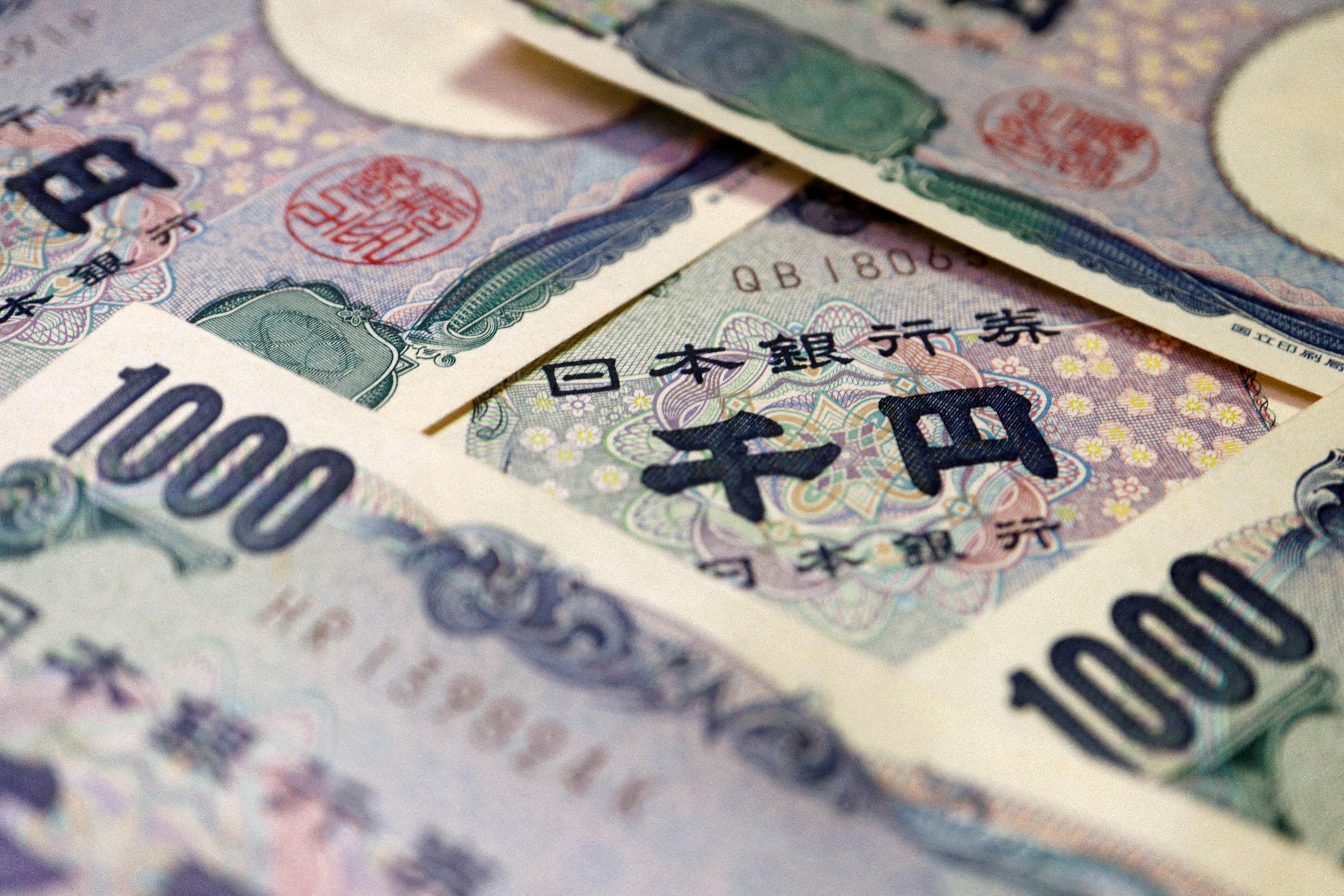
The yen and Japanese government bond prices fell after the Yomiuri newspaper reported on Friday (January 9) that Takaichi might dissolve Parliament this month and call a general election in February.
Earlier today, the Kyodo news agency reported that Takaichi had told a ruling party executive her plan to dissolve the Lower House of Parliament at the start of its regular session, setting the stage for a snap election.
If that happens, Parliament will go into recess shortly after convening on January 23, delaying the passage of the state budget and other legislation.
By law, the government may not issue bonds except for "construction" bonds intended solely to fund public works projects.
As expenditure has ballooned due to large stimulus packages and rising social welfare costs for an ageing population, the government has circumvented the law by passing a separate bill that allows it to issue "deficit-covering" bonds as an exception.
The existing legislation's five-year term expires at the end of the fiscal year ending in March, so the government must pass a new bill through Parliament to continue issuing enough bonds to fund the 2026 budget.
Failure to pass the debt bill on time would leave the government short of funds to fund the big spending plans Takaichi laid out in Japan's record US$783 billion (RM3.17 trillion) budget.
Nearly a quarter of the budget will be funded by debt issuance. Of the ¥29.6 trillion (RM756.2 billion) new debt scheduled to be issued in fiscal 2026, ¥22.9 trillion (RM585 billion) will be deficit-covering bonds, according to the government's plan.
Takaichi's ruling coalition holds a narrow majority in the Lower House but not the Upper House. An election win could boost her hold over the powerful Lower House, but still require her to seek opposition cooperation to pass legislation in the Upper House.
Parliament approval of the debt bill was seen as a done deal with the opposition Democratic Party for the People (DPP), indicating its support.
But an early general election could antagonise the DPP, which would put its flagship tax break plans on hold.
Kyodo reported today that DPP leader Yuichiro Tamaki said the decision on whether his party would cooperate in passing the debt bill was now "in flux".
"In terms of a snap election, there is little to be bullish about the bond market due to heightening political uncertainty.
"Investors will be wary of taking on interest rate risk, which could put upward pressure on the yield curve," said Mitsubishi UFJ Morgan Stanley Securities' senior bond strategist Keisuke Tsuruta.
The yield on the benchmark 10-year Japanese government bond (JGB) hit a 27-year high today, on expectations that a potential snap election could hand Takaichi a mandate to pursue aggressive fiscal stimulus.
Japan's debt, at twice the size of its economy, is the highest among major economies. Debt-funding costs now account for more than a quarter of total government spending and are likely to rise as the Bank of Japan raises interest rates.