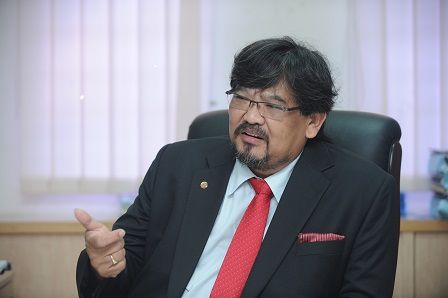
SHAH ALAM, Jan 16 — The redelineation of electoral boundaries should be carried out to balance voter numbers across constituencies and must not give an advantage to any political party, Universiti Teknologi Mara (UiTM) Institution of Malay Rulers’ Chair fellow Prof Datuk Jayum Jawan said.
He however acknowledged that race-based politics could influence certain considerations.
“When political parties and officials carry ethnic backgrounds and sentiments, it cannot be denied that there may be a tendency for redelineation decisions to favour particular groups,” he told Media Selangor.
According to Jayum, redelineation exercises, which are conducted at intervals of no less than eight years, must consider demographic changes.
“Electoral redelineation refers to the need to review constituency boundaries to improve the effectiveness of representation, whether in the Dewan Rakyat or State Legislative Assemblies. It must be carried out periodically in accordance with the Federal Constitution.”
He explained that the Election Commission (EC) is responsible for preparing proposed boundaries before they are published for inspection and objection. The proposal is then tabled in Parliament and state assemblies for approval.
Jayum said the main factors for redelineation include population growth and voter number imbalances between urban and rural areas.
“Urban constituencies typically have far more voters than rural seats. Additionally, the movement of the population must also be taken into account, as many voters remain registered in their original constituencies even though they have moved elsewhere,” he said.
Jayum added that perceptions of fairness in redelineation should not be assessed solely based on the number of voters, but also the size of constituencies and administrative challenges.
As an example, he cited the Seputeh parliamentary constituency in Kuala Lumpur, which has about 125,000 voters, compared with the Igan parliamentary seat in Sarawak with around 28,000 voters, despite both covering nearly the same geographical area.
“The question is, does one MP in Igan equate to 11 MPs in Kuala Lumpur? This shows redelineation issues must be viewed holistically, not from a single perspective.”
Ensure fair, transparent exercise
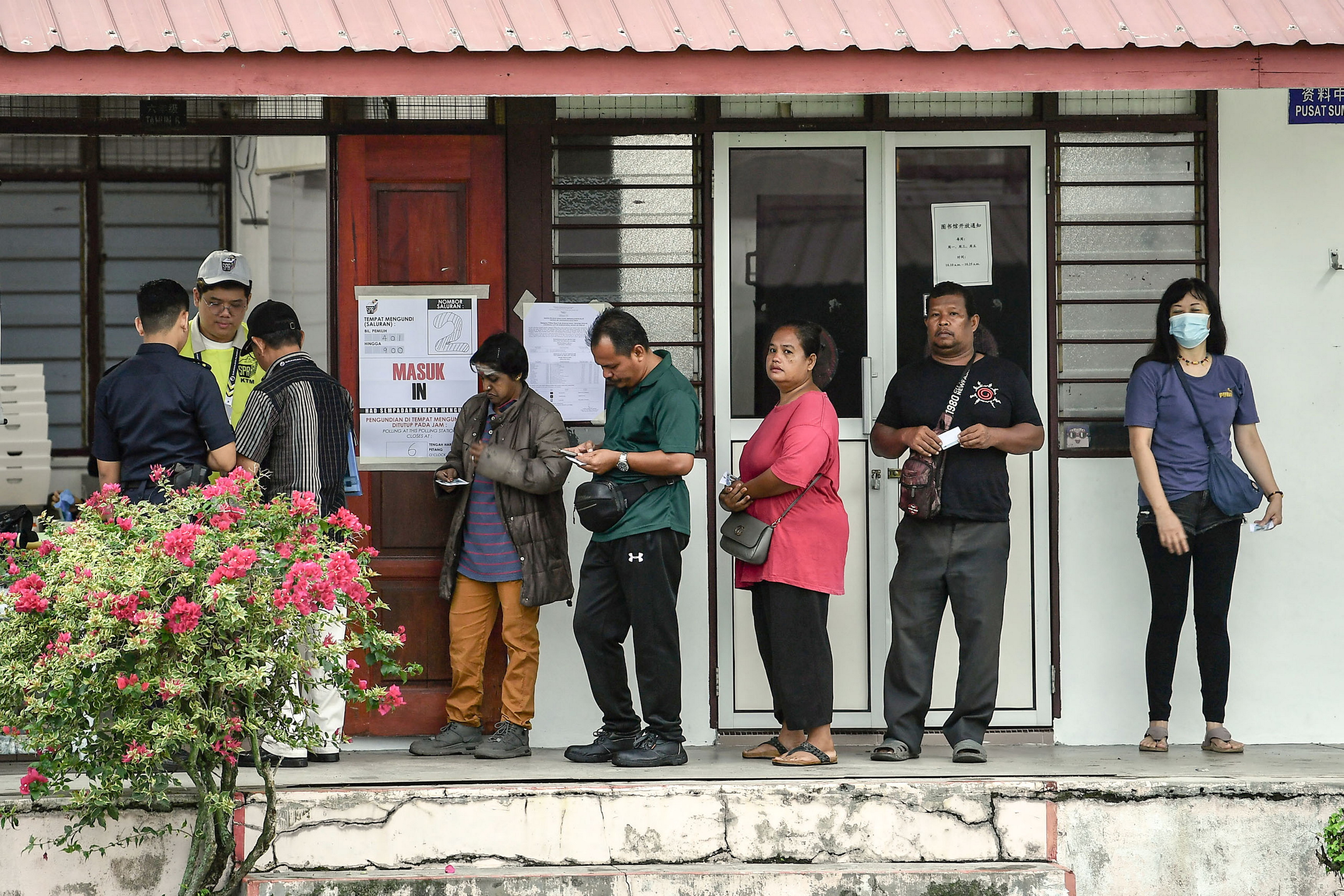
Parliament last approved an electoral boundary review in 2018, with the next redelineation only possible after March this year. Under Article 113 of the Federal Constitution, the EC may conduct a new review after a minimum period of eight years, unless Parliament approves a constitutional amendment.
Jayum urged the EC to adopt a more comprehensive approach in its structure and membership to ensure a fair, transparent redelineation process that also boosts public confidence.
He said the EC’s membership composition should reflect the diversity of society so that considerations in the redelineation process are not perceived as favouring any particular group.
“Besides legal and technical aspects, public confidence in the EC is also crucial. For the commission to be seen as fair and transparent, it should be inclusive and free from the perception of bias.”
Based on information published on the EC’s website, the commission’s senior officials currently comprise five Malays, one Chinese, and one Indian.
On the impact of redelineation on the political landscape, Jayum said changes would not undermine Malay political representation at the federal or state levels.
“Of the 222 seats in the Dewan Rakyat, 125 are Malay-majority seats. Any bill involving constituency changes would require the support of a Malay majority in Peninsular Malaysia,” he said.
Jayum also dismissed arguments about administrative costs and management efficiency to justify unequal boundaries, saying such reasons are outdated.