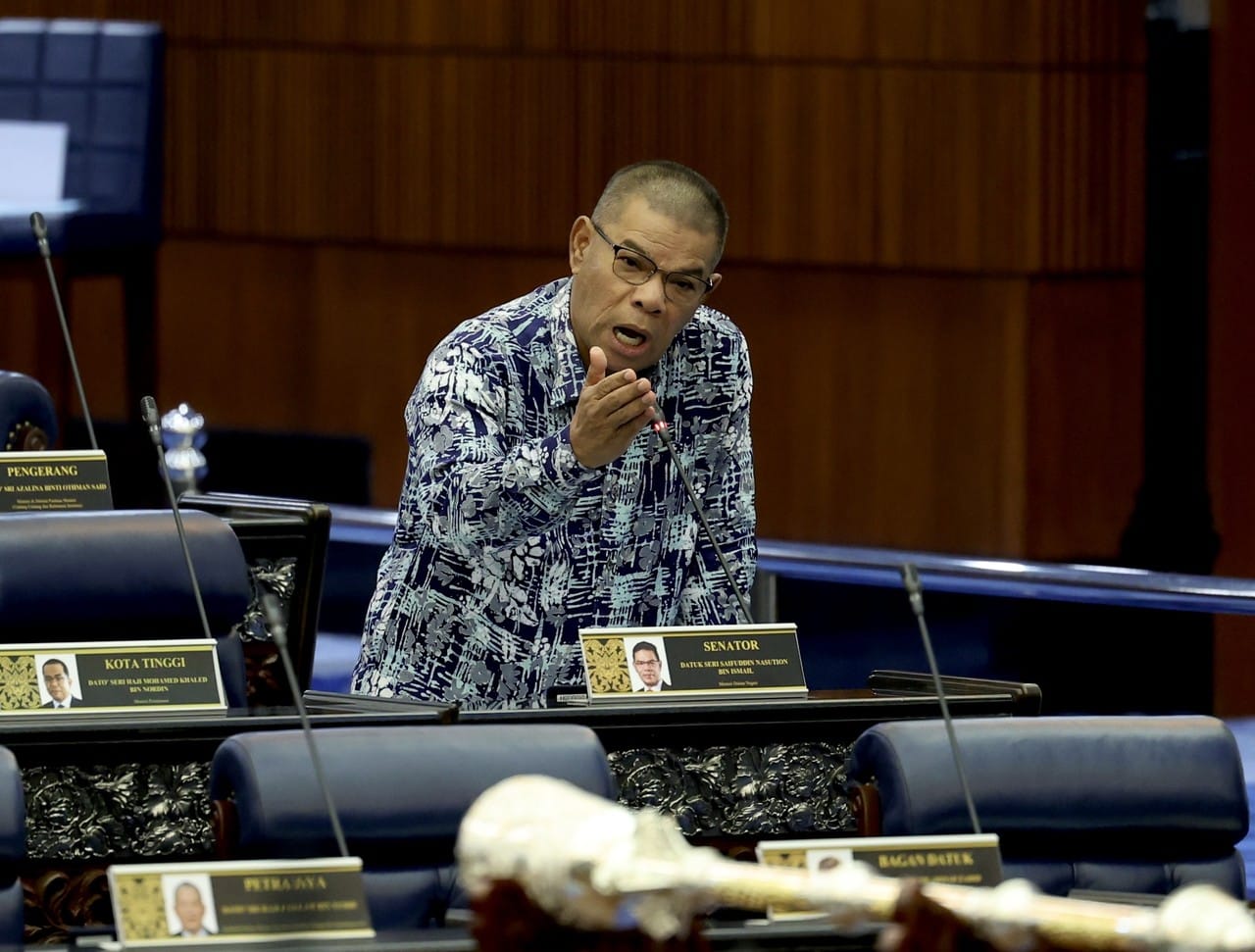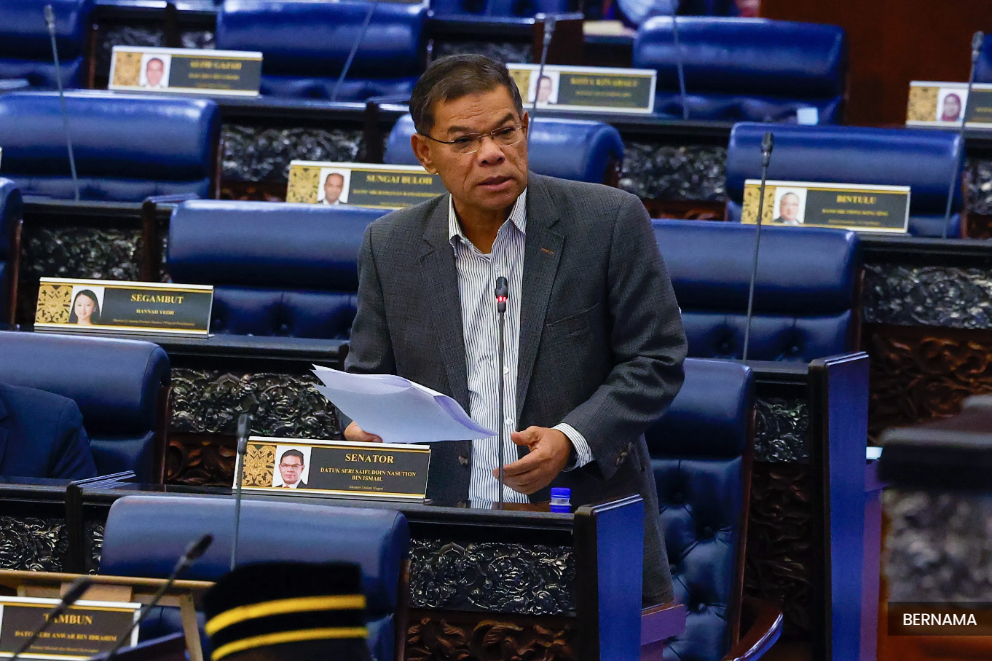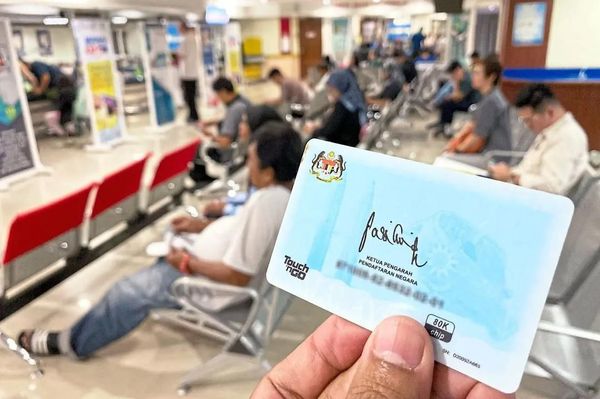
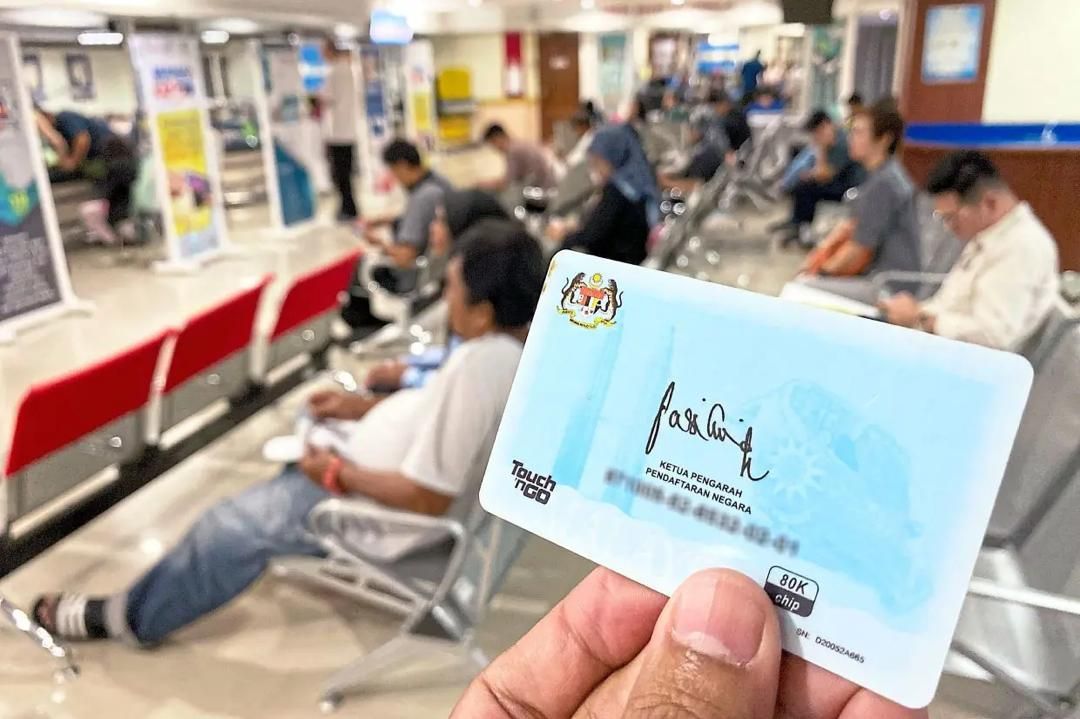

PUTRAJAYA, Jan 8 — The automatic grant of Malaysian citizenship to children born overseas to Malaysian mothers will take effect in June or July this year, said Home Minister Datuk Seri Saifuddin Nasution Ismail.
The timeline aligns with the Home Ministry’s plans following Parliament’s approval last year of constitutional amendments on citizenship.
He said the process took time as amendments to the Citizenship Regulations 1964 had to be prepared in both Malay and English and vetted by the Attorney-General’s Chambers.
“After that, we had to prepare the relevant documents and forms, notify Malaysian missions worldwide, and then obtain royal consent and gazettement,” he told the media after delivering the Home Ministry’s 2026 New Year's Message today.
Saifuddin described the move as a major achievement of the Madani government in ensuring justice for mothers who have long faced difficulties securing citizenship for their children.
However, he stressed that citizenship applications continued to be processed despite the constitutional amendments.
“For 2025, I set a target of deciding on 20,000 citizenship applications. As of yesterday, I have decided on 20,032 cases, exceeding the key performance index by 32,” Saifuddin said.
The minister added that when he assumed office, nearly 50,000 applications were backlogged, but the number has now fallen to fewer than 4,000.
“I am optimistic that cases pending for up to 15 years can be resolved. By the first quarter of this year, decisions on long-outstanding applications will be completed,” he said.
On another development, 35 huffaz (individuals who have completely memorised the entire Quran), most of them inmates at the Kajang Prison, have successfully completed a rehabilitation module.
Therefore, Saifuddin said the programme will be expanded to other prisons nationwide in cooperation with state Islamic religious departments, describing it as a potential national movement.
He noted that societal acceptance remains the biggest challenge for former inmates after their release. To address this, several initiatives are in place, including Licensed Release, Compulsory Attendance Orders, and Community Reintegration Programmes, supported by nearly 900 employers in the plantation and agricultural sectors.
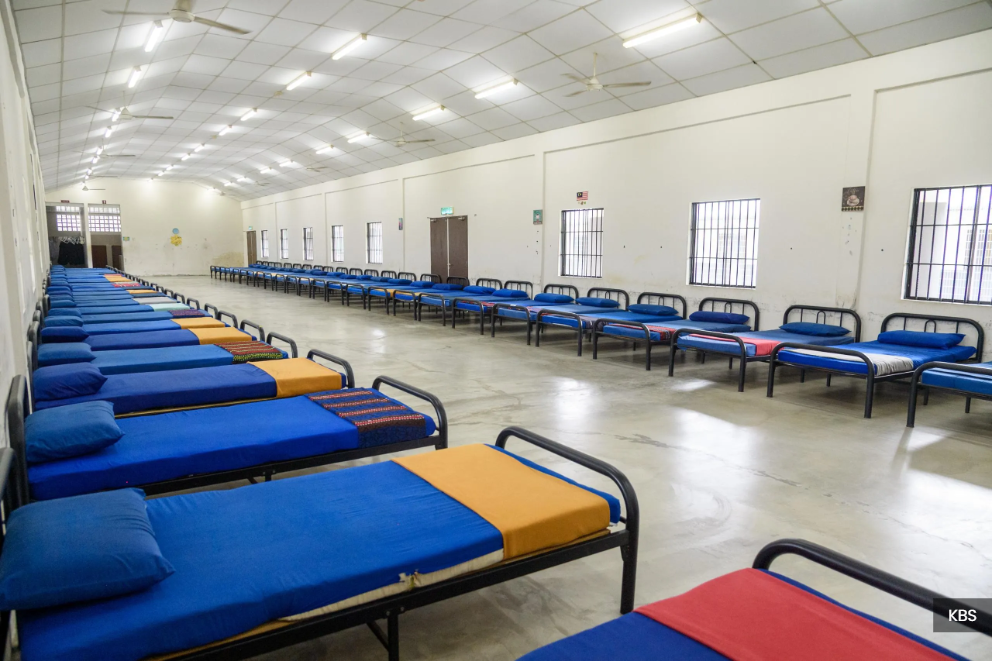
The government has 22 established halfway houses nationwide to assist former inmates who are rejected by their families or communities.
Malaysia’s recidivism rate currently stands at about 12 per cent, but is significantly lower among participants in licensed release and compulsory attendance programmes, with only one in 800 reoffending.