SHAH ALAM, Jan 15 — As the current eight-year redelineation window nears its end in March, lawmakers from Selangor’s more densely populated constituencies are calling for an urgent review of electoral boundaries to ensure equitable representation.
They also say the existing equal-funding model fails to account for large voter populations, and are urging a fairer funding formula.
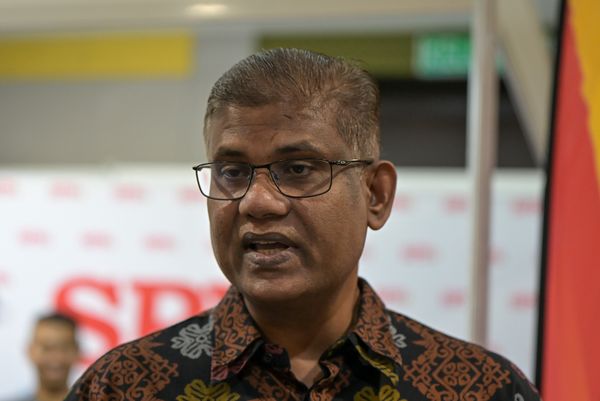
Klang MP Ganabatirau Veraman said redelineation is critical to uphold the democratic principle of equal representation, as some constituencies have disproportionately high numbers of voters while being represented by a single lawmaker.
In the 15th general election (GE15), Klang reportedly had 208,913 registered voters, and was only one of six federal seats in Selangor with more than 200,000 constituents.
“Today, constituencies like Klang carry a disproportionately large voter population compared with many others, yet are represented by only one MP in Parliament. This imbalance dilutes voters’ voices and places an unreasonable burden on MPs serving highly populated constituencies,” he told Media Selangor.
Ganabatirau said the impact of oversized electorates is felt most acutely in service delivery, with lawmakers and their teams struggling to cope with the volume of cases and requests.
“In Klang, the number of constituency cases, welfare requests, infrastructure issues, and community engagements far exceeds what one MP and a standard-sized service team can reasonably manage.
“This impacts response time, follow-ups, and outreach, despite best efforts. The issue is not commitment, but capacity constraints created by structural imbalance,” he said.
The DAP lawmaker also called for a review of the current constituency funding formula, which allocates equal funding regardless of voter population. He said it is “inherently unfair to high-density areas” as constituencies like Klang need more resources for service centres, staffing, welfare assistance and community programmes.
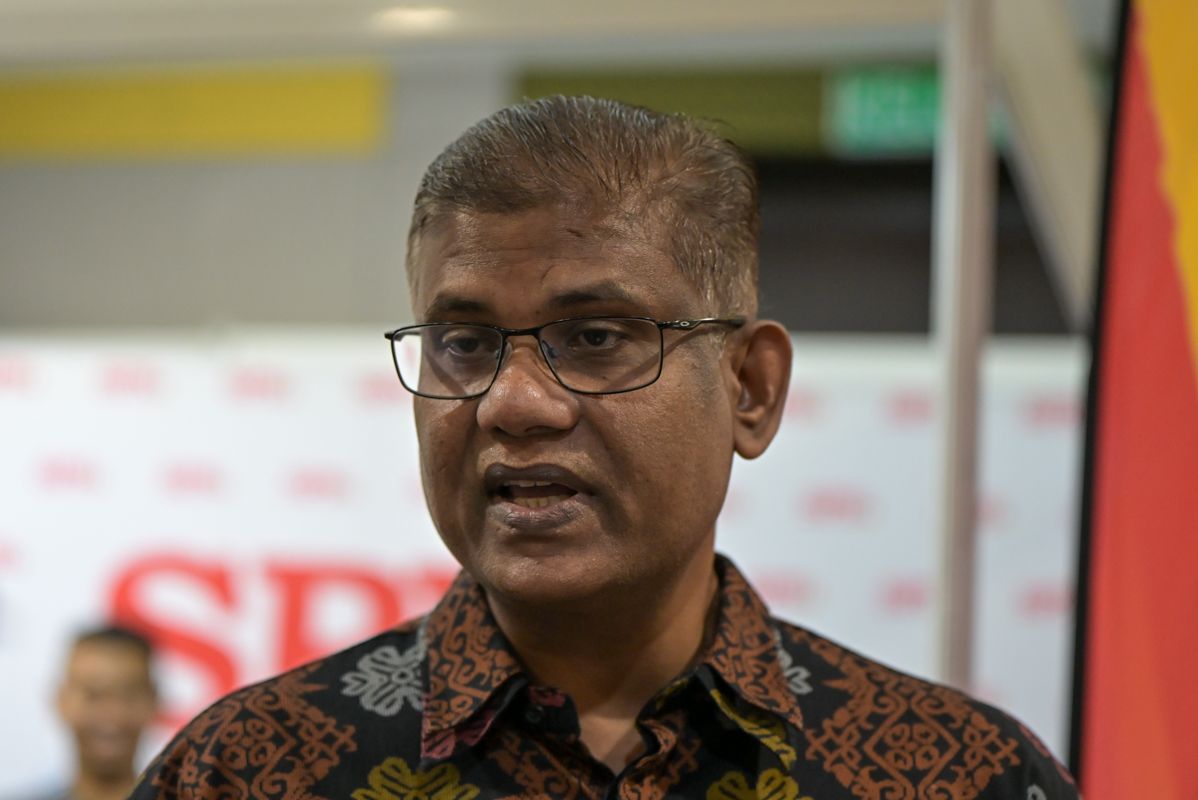
If redelineation cannot be implemented in the near term, Ganabatirau said interim measures such as higher allocations for densely populated seats, additional staffing support, satellite service centres, and better use of digital platforms could help ease service gaps.
On October 28 last year, Deputy Minister in the Prime Minister’s Department (Law and Institutional Reform) Kulasegaran Murugeson said the Election Commission (EC) may consider reviewing the delineation of boundaries in the peninsula after the end of the current eight-year period in March.
He said the principles of demarcation include ensuring a balance between the number of voters, the efficiency of election administration, and voter convenience, adding that the EC considers various other factors such as voter density and growth, geography and topography of the area, development space, infrastructure facilities, and access to the elected representatives’ services.
Stretched resources
Kajang assemblyman David Cheong Kian Young said redelineation is necessary to ensure voters receive fair and effective representation, as constituencies continue to progress unevenly due to population growth and urban development.
He said large constituencies place significant pressure on elected representatives, affecting their ability to respond in a timely manner to constituents’ needs and engage meaningfully with residents.
“Casework, community engagement, and local problem-solving all become more challenging, and residents may experience delays in assistance or difficulty accessing services,” he said.
The Parti Keadilan Rakyat lawmaker similarly believes the current constituency funding model should be reviewed, as equal allocations do not reflect the realities faced by more populous areas.
“Allocating funds purely on an equal basis, without considering population size, can disadvantage areas with more residents and lead to inequitable service delivery.”
As a temporary measure, he suggested aligning allocations more closely with constituency size to ensure resources reach areas where they are most needed, while still maintaining responsible use of public funds.
During the 2023 Selangor election, Kajang had 109,785 registered voters, up from 62,710 during GE14, driven by the adjusted eligible voting age from 21 to 18.
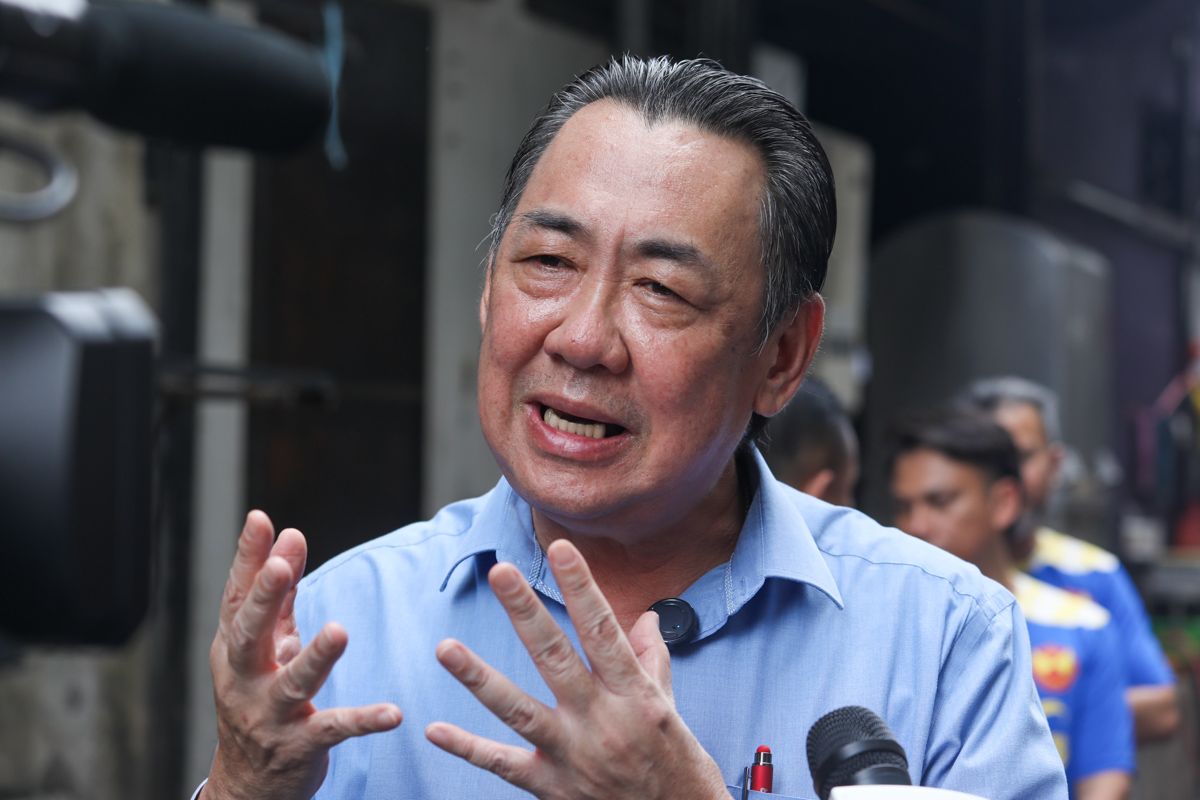
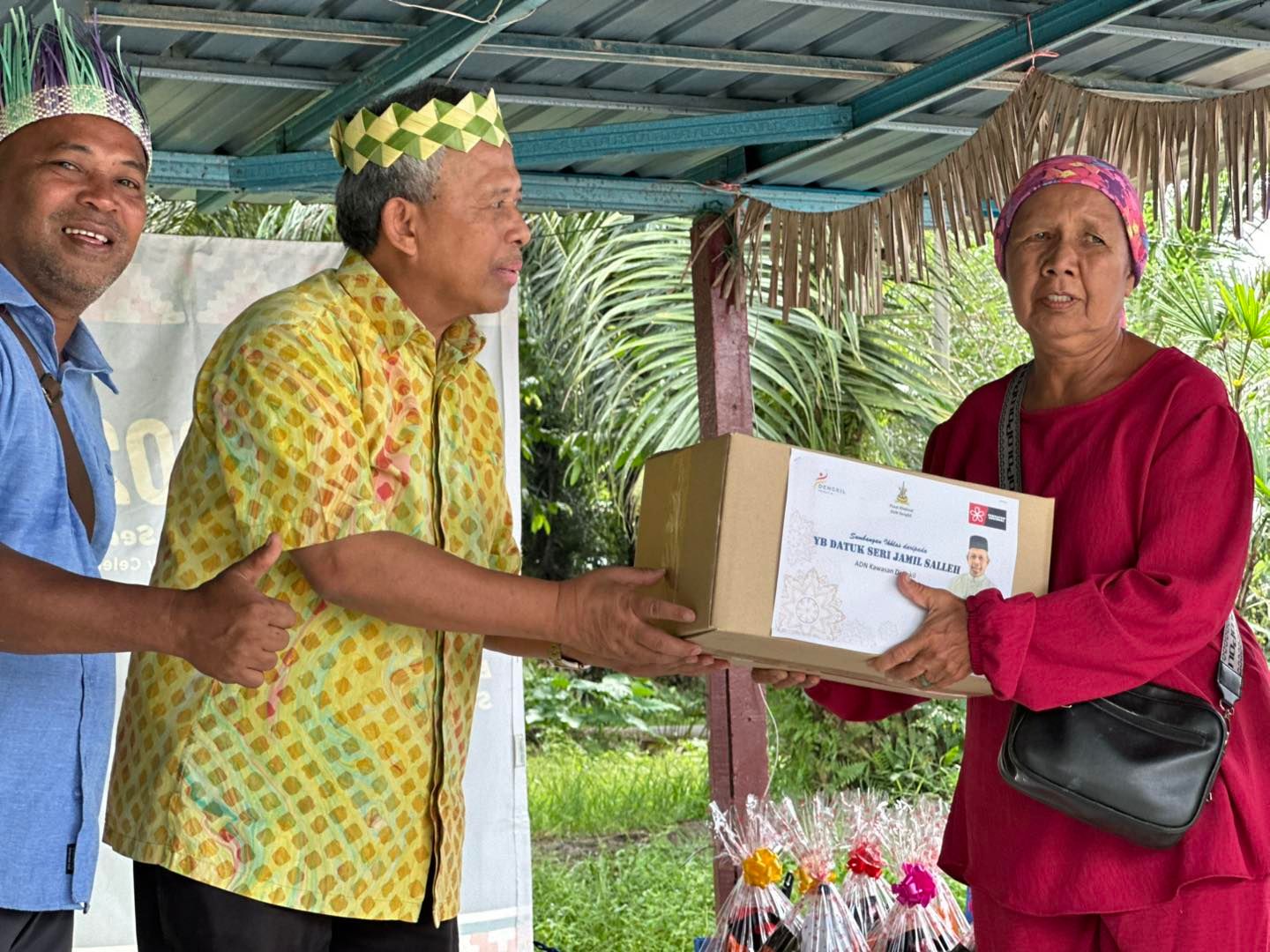
Dengkil assemblyman Datuk Seri Jamil Salleh said constituencies with large electorates and vast land areas are disadvantaged under the current funding and electoral boundaries system, and called for redelineation and a population-based allocation formula.
He argued that the current equal allocation mechanism meant elected representatives in large constituencies effectively receive far less funding per voter.
“If constituency funding were based on the number of voters, my area would clearly be treated unfairly,” he told Media Selangor, noting that Dengkil has 93,931 registered voters and covers about 345sqkm.
“If they (lawmakers with smaller total voters) get RM5 per voter, constituencies like mine may only receive RM1 per voter.”
The Perikatan Nasional assemblyman added that he often has to use his own funds for community initiatives such as attending weddings and funerals, as well as aid like food baskets, diapers and milk for infants.
He also noted that his constituency includes Orang Asli villages, which account for 2 to 3 per cent of total voters, as well as B40 families that require more attention and support.
Jamil said any proposal for a redelineation must be assessed from multiple angles, including land area and the geographic dispersion of constituencies, not solely based on population figures.