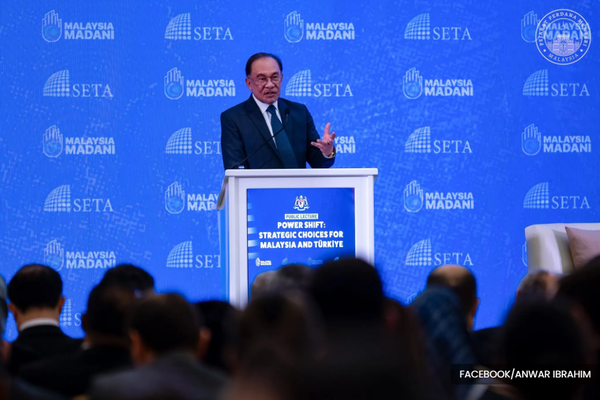
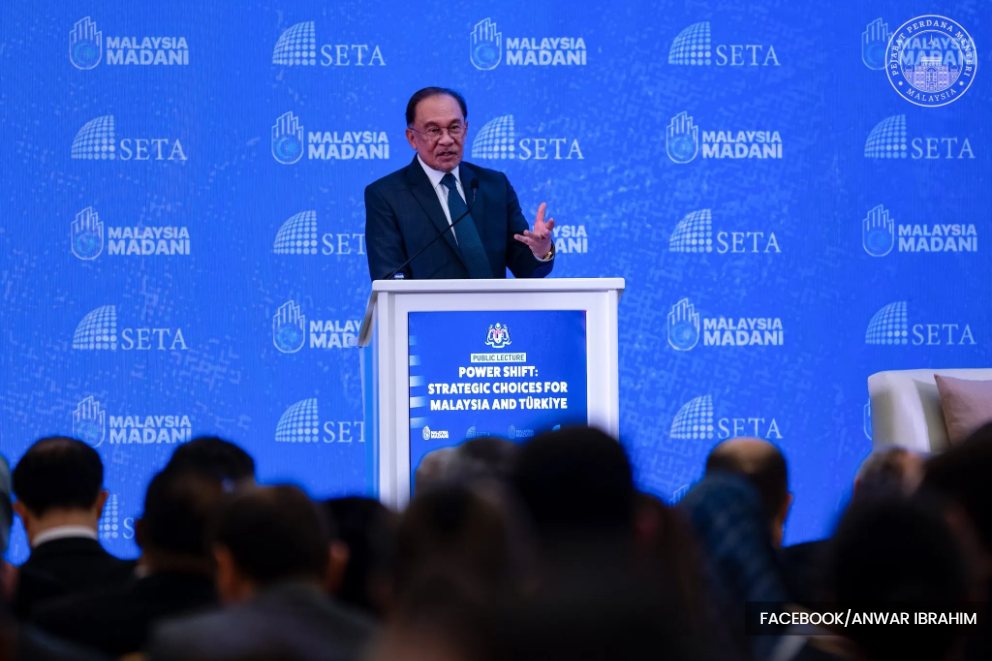
KUALA LUMPUR, Jan 7 — Prime Minister Datuk Seri Anwar Ibrahim has emphasised that Malaysia and Turkiye should work together in areas like sharing technologies, digitalisation, and artificial intelligence (AI) to confront global challenges and achieve mutual prosperity.
Both nations have complementary economies, making close cooperation essential to significantly elevate their economies.
He said that by collaborating, they can better adapt to changing circumstances, expand their choices, and maintain flexibility in response to the failures of developed countries to adhere to a rules-based international order.
As countries globally reach the technological horizon, particularly with the advance of AI, there is a need to pause and come to grips with reality.
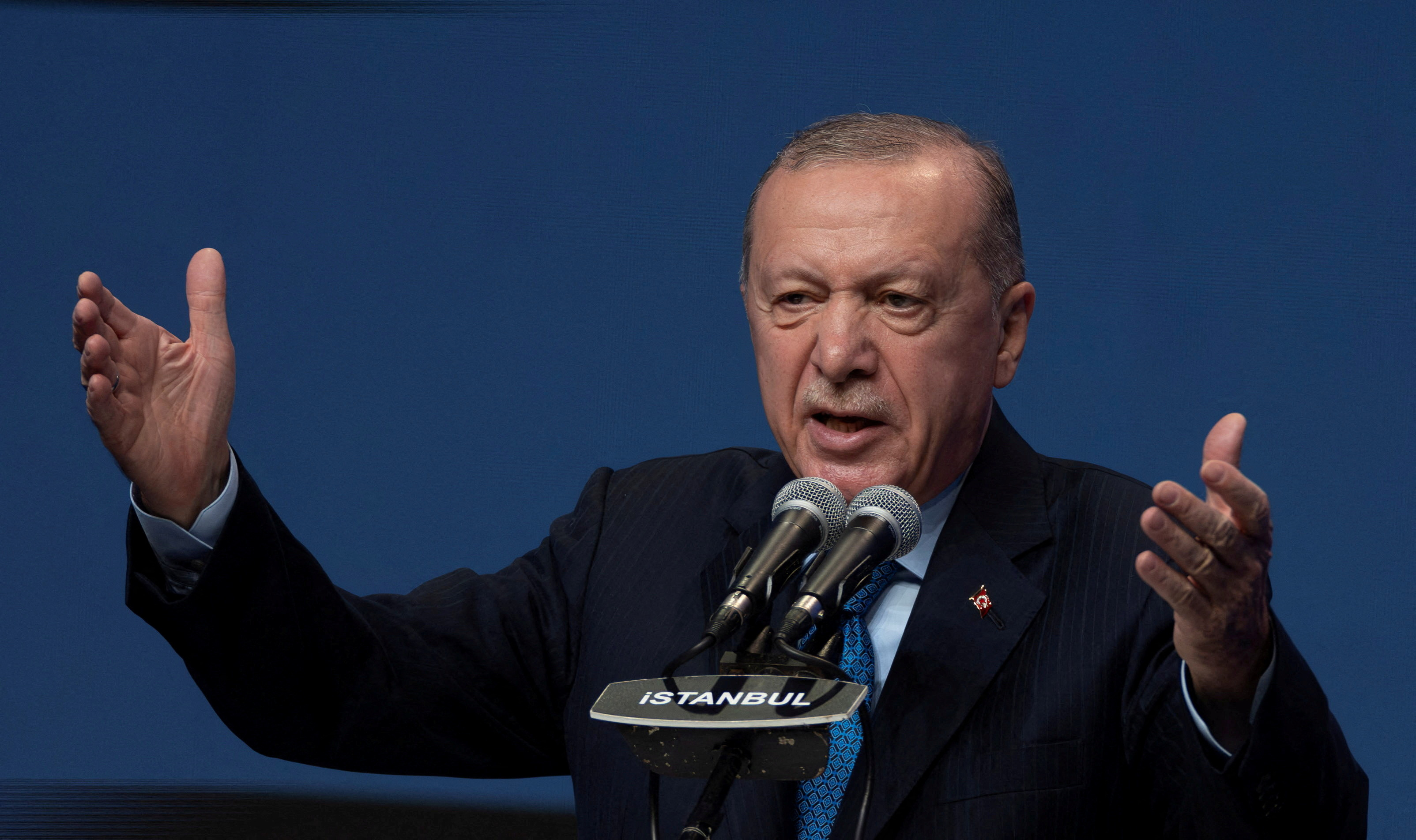
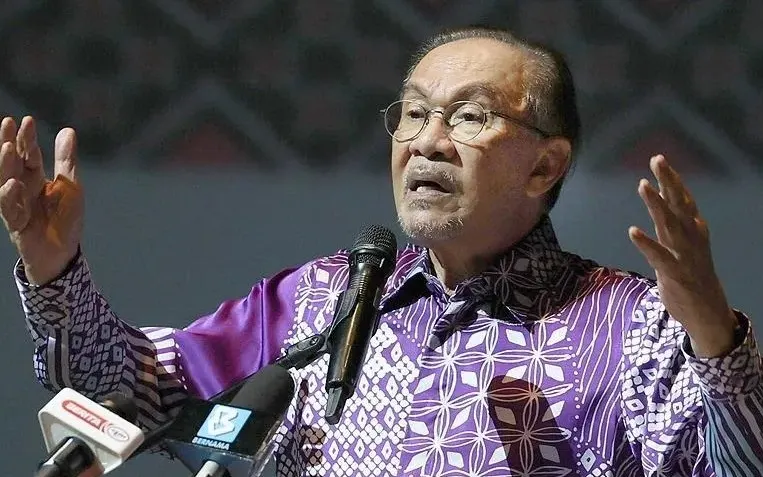
“We should neither be overexuberant nor be overcome by the fear that leads to inaction and paralysis,” said Anwar during a public lecture, titled 'Power Shift: Strategic Choices For Malaysia and Turkiye' in Ankara today.
The Prime Minister is currently on a three-day official visit to the republic, which began yesterday.
Bilateral trade between Malaysia and Turkiye reached US$5.2 billion (RM21.1 billion) in 2024, with a new target to raise it to US$10 billion (RM40.58 billion).
From January to November last year, Malaysia’s total trade with Turkiye was RM21.2 billion, and Turkiye remains an important economic partner.
In 2024, it was Malaysia’s third-largest trading partner, largest export destination and fourth-largest import source among West Asia countries, with total trade valued at RM24.15 billion.
Anwar noted that for decades, the path to prosperity in the developing world followed a pattern: industrialisation absorbed labour, wages increased, and a middle class emerged. However, he cautioned that the pattern now is under strain.
As machines take on not only routine tasks but increasingly cognitive ones, the advantage of competitive labour costs begins to recede.
“Growth models built on employment-intensive manufacturing will face pressure, and if this transition is poorly managed, the result will be deeper inequality and greater instability.
“For Malaysia and Turkiye, the stakes are practical, and the circumstances are similar, as both are manufacturing economies with young populations,” he said.
Both nations are integrated into global markets and exposed to technological disruption across multiple sectors.
“Our challenge is to ensure that our people develop the capabilities that machines cannot replicate, such as critical thinking, creativity, ethical judgement, and leadership, which calls for a rethinking of education,” Anwar said.
Against this backdrop, rote learning will not suffice, and training systems must cultivate adaptability and problem-solving so that technology remains a tool of human control rather than a force that controls humans.
He added that digital systems are now shaping economic opportunity, public discourse and governance, and states can no longer treat this infrastructure as neutral.
Therefore, the capacity to set standards, enforce accountability and protect public trust in the digital sphere has become a core function of government.
“If managed well, AI can support growth that includes more people. AI can improve access to healthcare, enhance education and raise productivity across agriculture, services and manufacturing.
“These initiatives depend on institutional capacity, early investment and a willingness to align technological change with social purpose,” Anwar said.