PETALING JAYA, Jan 7 — Rail services operated by Prasarana Malaysia Bhd recorded a significant improvement in reliability over the past three years, with the number of annual service disruptions reduced from 252 cases in 2022 to just 31 cases in 2025.
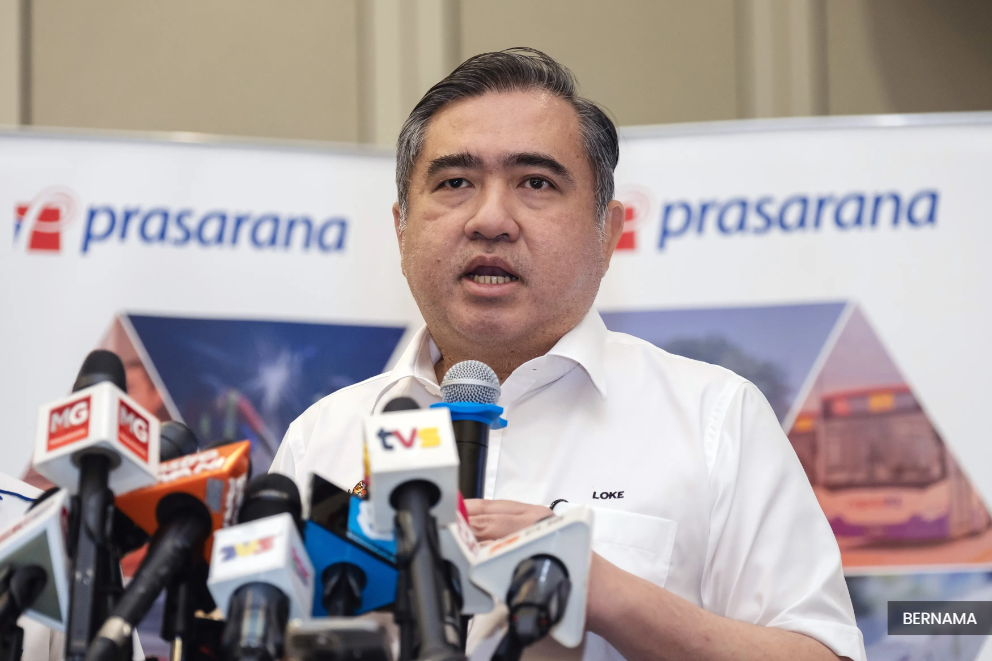
Transport Minister Anthony Loke said the improvement was measured using the Mean Kilometre Between Failures (MKBF) indicator, which showed that one disruption occurred for every 790,000 kilometres of operation in 2025, compared with just 60,000 kilometres in 2022.
“This improvement reflects the outcome of Prasarana’s sustained emphasis on maintenance, system repairs and the implementation of a predictive maintenance approach over the past three years,” he said during a media conference in conjunction with the presentation of the Prasarana Performance Report 2025 and the 2026 Plan at Menara Prasarana today.
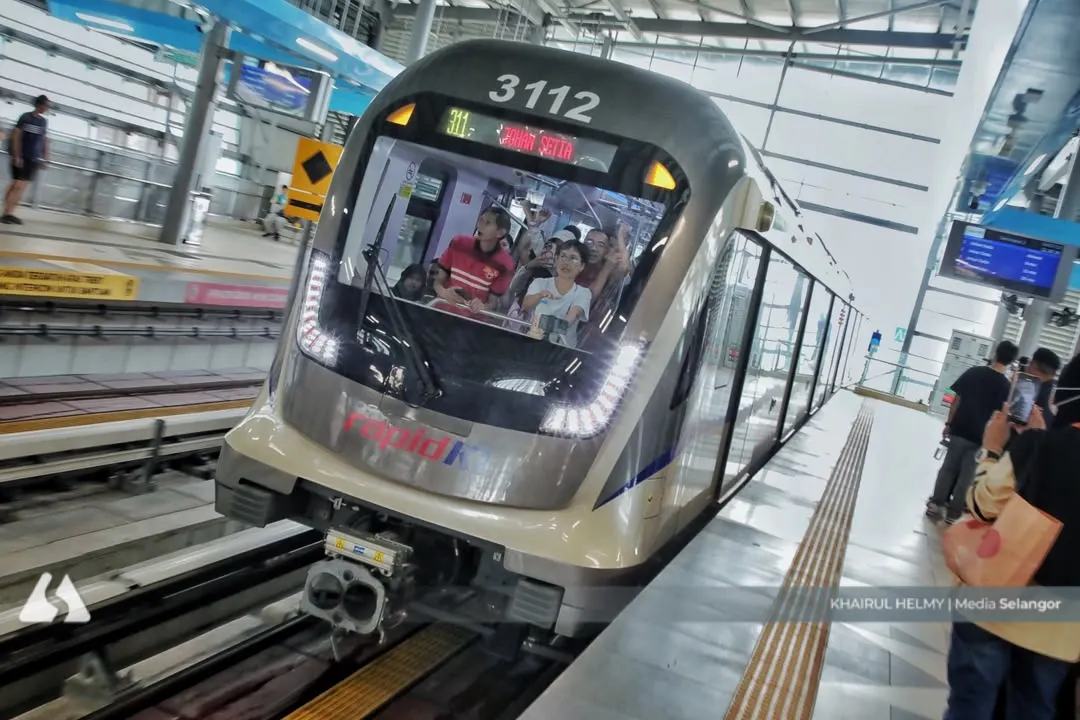
Loke also noted that the Kelana Jaya Light Rail Transit (LRT) Line continued to show unsatisfactory performance despite a clear improvement trend, with 16 disruptions reported in 2025, down from 26 in 2024.
A disruption is defined as a train being stationary at a station for more than five minutes, causing knock-on effects on operations at subsequent stations, particularly during peak hours.
He said the main causes of rail service disruptions include system and operational issues, as well as external factors beyond control, including cable theft and adverse weather.
“When cable theft occurs, the signalling system is affected, and driverless trains such as the Mass Rapid Transit (MRT) and the Kelana Jaya LRT Line will stop immediately for safety reasons because they are unable to communicate with the Operations Control Centre,” Loke said.
In this regard, Prasarana is implementing system and communication upgrades for the Kelana Jaya LRT Line, with the second phase expected to be completed by the end of this year and contributing to a significant improvement in the line’s performance.
On asset expansion, he said 26 new train sets for the Kelana Jaya LRT Line have been awarded to the main contractor, the ZELC-CRM-CLM Consortium (CRRC), while three additional train sets have been allocated for monorail services.
“New trains require about three years before they can be fully operational as they must undergo various stages of testing and safety certification,” Loke said.
In addition, 50 existing train sets will undergo an overhaul as their operational lifespan requires comprehensive maintenance after 15 years of service.
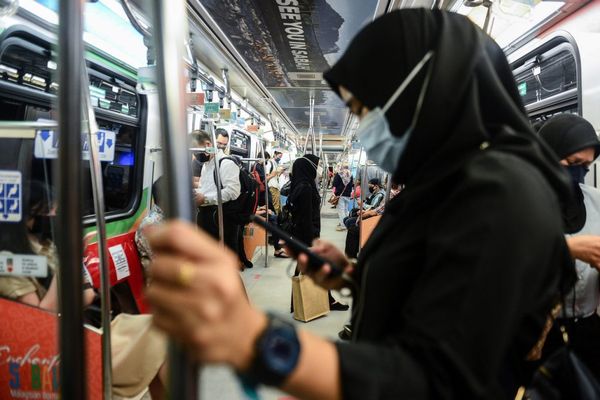
Meanwhile, Prasarana Group president and chief executive officer Amir Hamdan said that as the main public transport operator in the Klang Valley and Penang, the agency recorded 1.63 million daily passenger journeys, the highest in its history.
The average daily passenger journeys throughout 2025 also increased by 11 per cent to 1.31 million, up from 1.18 million in the previous year.
“This achievement demonstrates the growing strength and consistency in the reliability of rail and bus service operations,” he said.
Amir added that the level of service (LOS) for Rapid Bus improved to 1,355 units, up from 1,165 in the previous year, reflecting the enhanced availability of Rapid On-Demand (ROD) services last year.
Efforts to modernise the bus fleet are ongoing, with the procurement of 310 new diesel buses being delivered in stages since last year and expected to be fully completed by February.