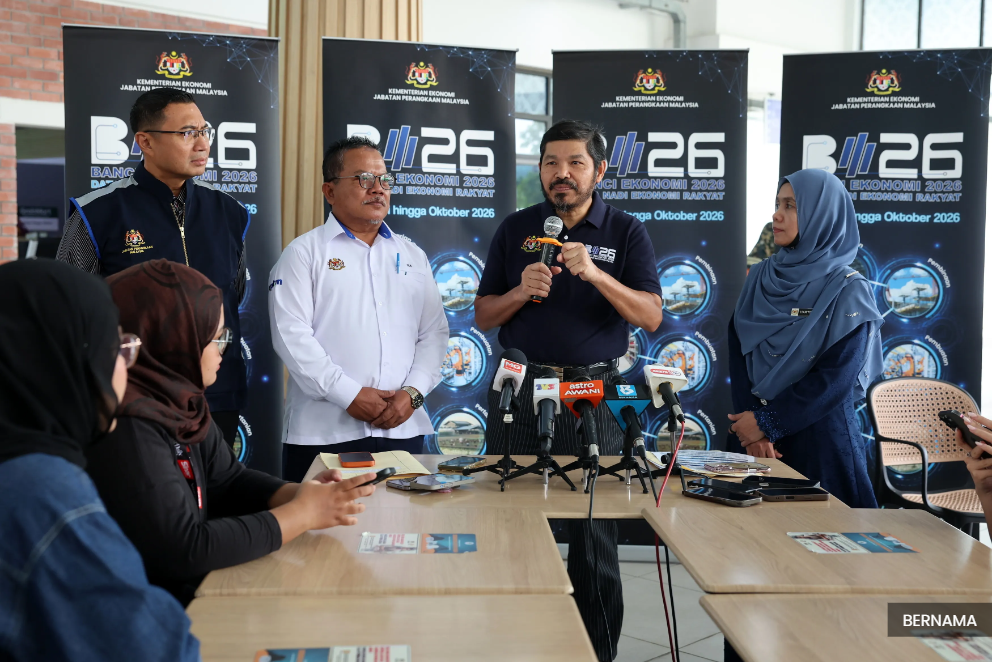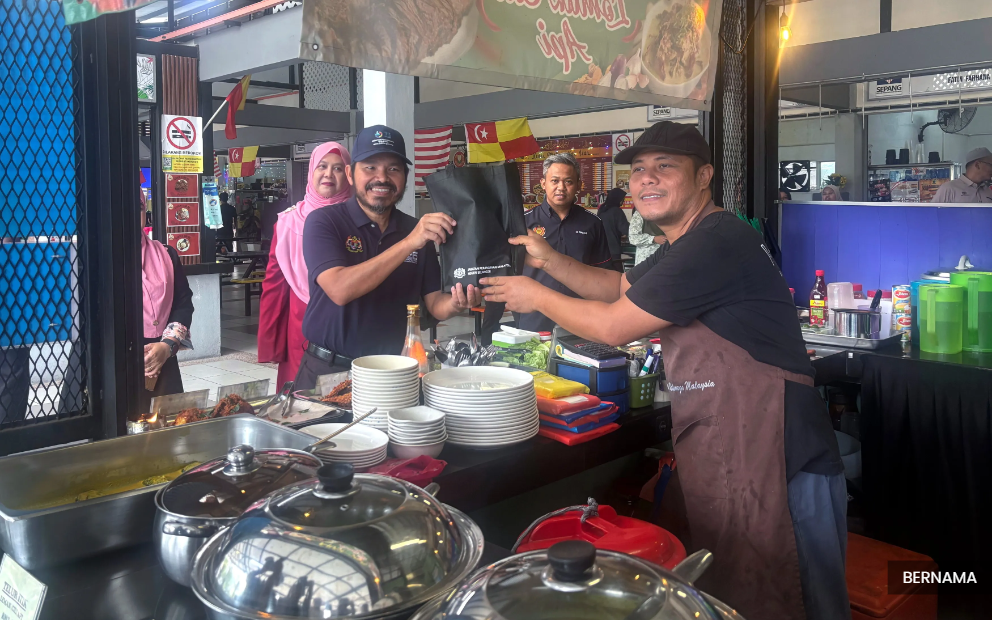
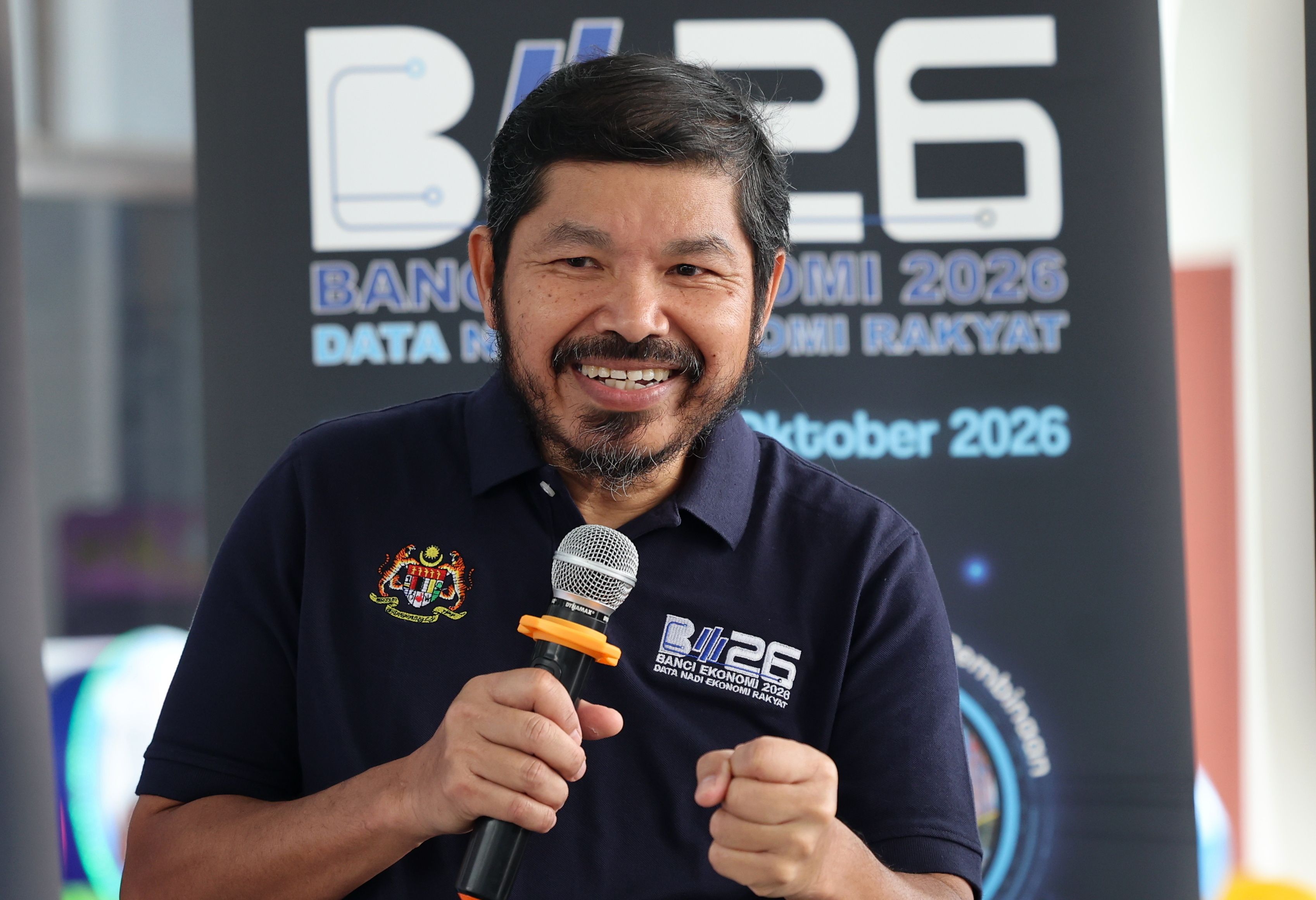
SEPANG, Jan 6 — The 2026 Economic Census (BE2026), which will be conducted nationwide from January to October, is expected to provide critical data to support evidence-based policymaking and inclusive, sustainable economic growth, said chief statistician Datuk Seri Mohd Uzir Mahidin.
He said the census aims to provide a comprehensive overview of Malaysia’s economic structure and performance based on 2025 data, covering 1.34 million businesses and organisations. It will be carried out in three phases using multiple data collection methods to ensure accuracy and high participation.
“Today, the Statistics Department (DOSM) is moving forward with the BE2026. Yesterday was the first day, and we have already engaged around 5,000 respondents nationwide.
“We hope the census will produce a more holistic and complete picture of Malaysia’s economy,” he told reporters during the BE2026 launch programme at the Bandar Baru Salak Tinggi food court here today.
Uzir said BE2026 would cover all economic activities, including micro, small and medium enterprises (MSMEs), non-profit organisations, and the informal sector, and would serve as a key input for national policies.
Findings from the census would also allow businesses to assess their sectors and identify gaps and challenges, he added.
He explained that the initial phase would focus on informal and micro businesses, estimated at around 300,000 nationwide, including small traders, food operators, and hawkers.
“We are targeting these businesses because many do not have formal accounts, and it is important that none are left out.”
Uzir said DOSM has identified 1,378 hotspots nationwide where informal economic activities are conducted but may not appear in official records.
He also highlighted the growing role of the digital and informal economy, noting how small businesses today use social media and online platforms such as TikTok to sell their products.
“We met many operators whose shops are small, but they are active online. This data will help us create a new economic baseline for the country.”
Uzir said influencers and content creators, previously captured only through statistical modelling, would now be included through field verification and digital tracking.
BE2026 also introduces improved data modules to capture business profiles, workforce skills, wages, input usage, and adoption of digital technologies.
The census is conducted every five years to produce comprehensive economic data and establish a new national baseline, with 2025 serving as a “normal” reference year for the latest edition after the Covid-19 pandemic.