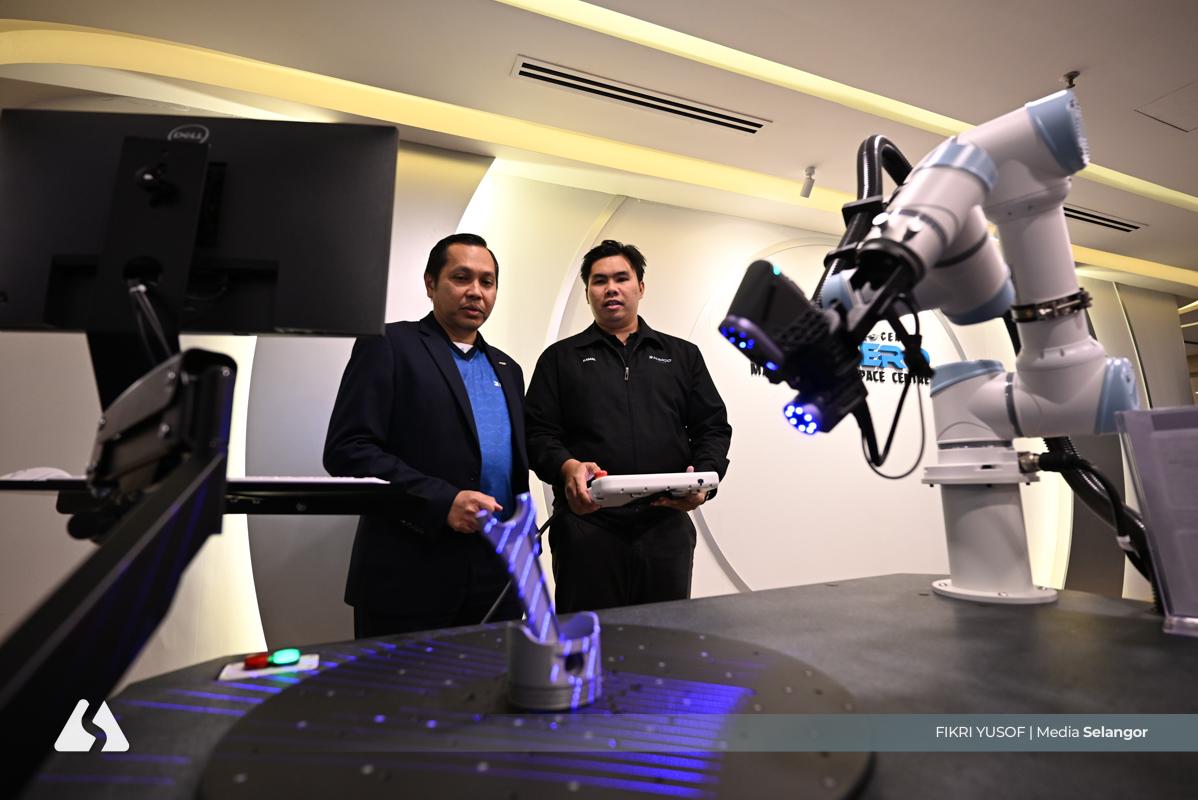
SHAH ALAM, Jan 5 — Selangor's aerospace sector is poised to further strengthen the state’s role in the global supply chain, while enhancing local workforce capabilities and accelerating the use of advanced technologies such as automation, robotics and the Internet of Things (IoT).
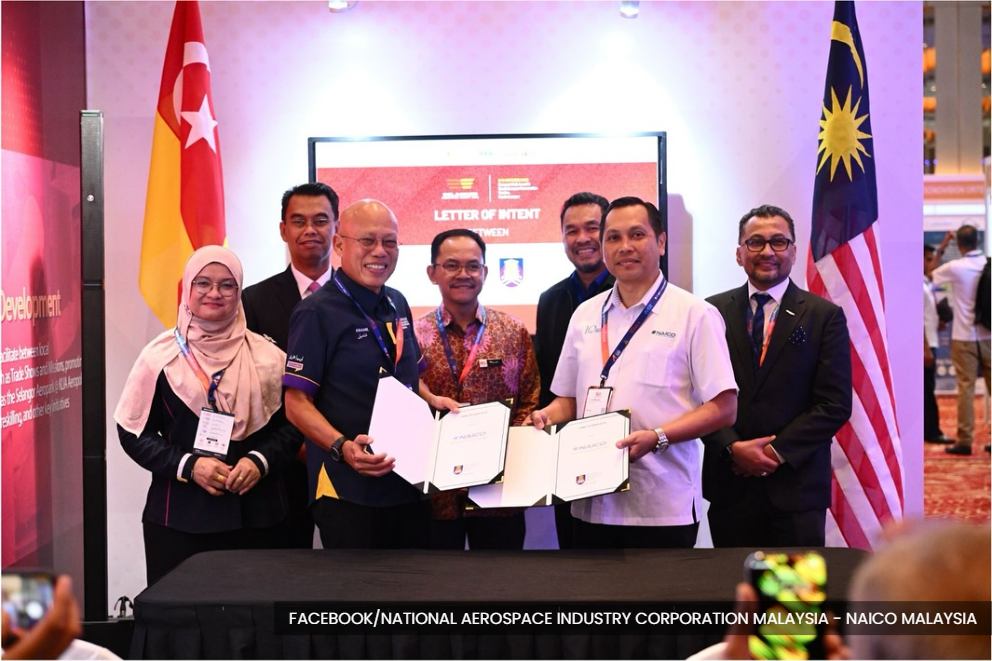
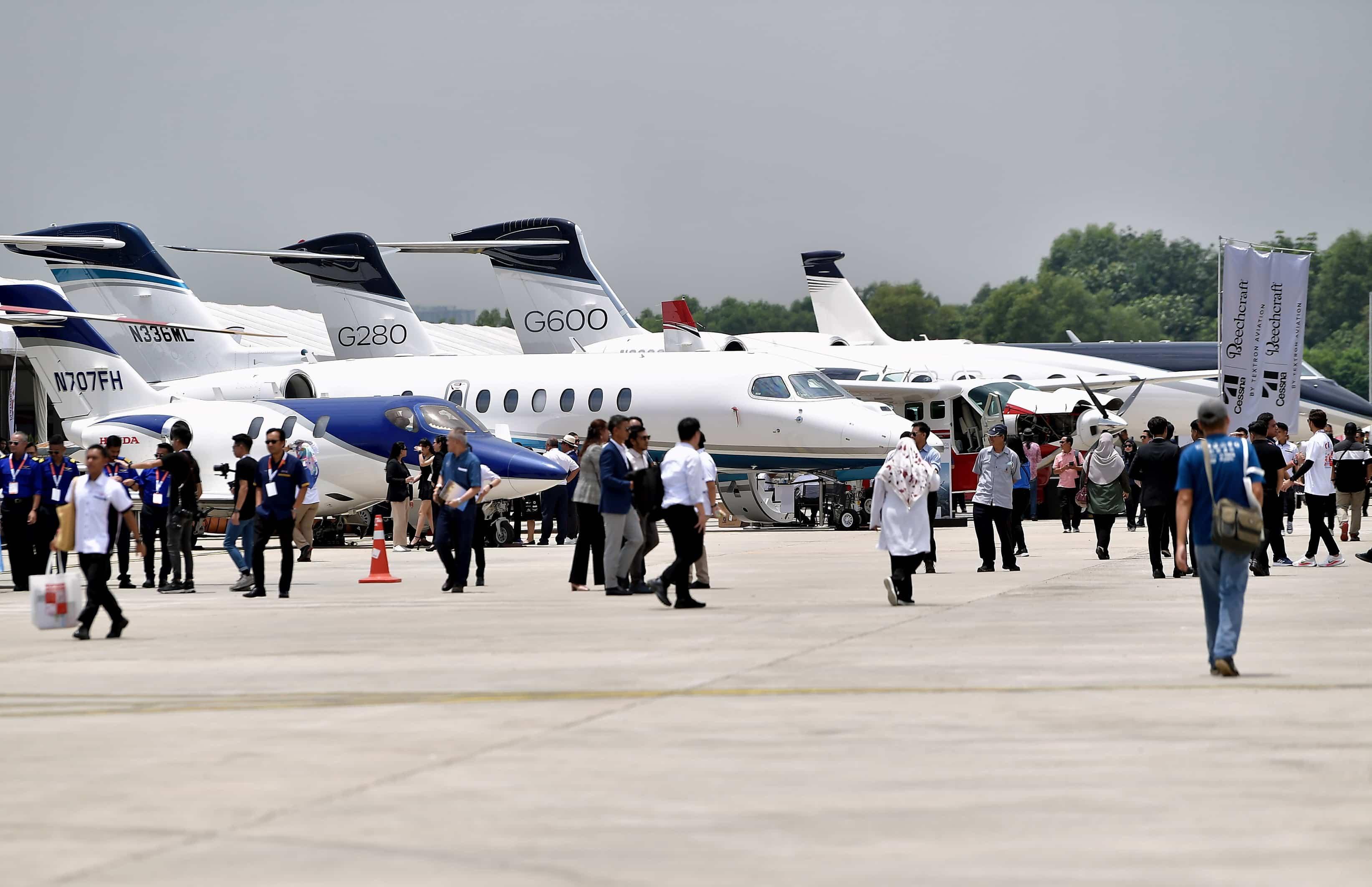
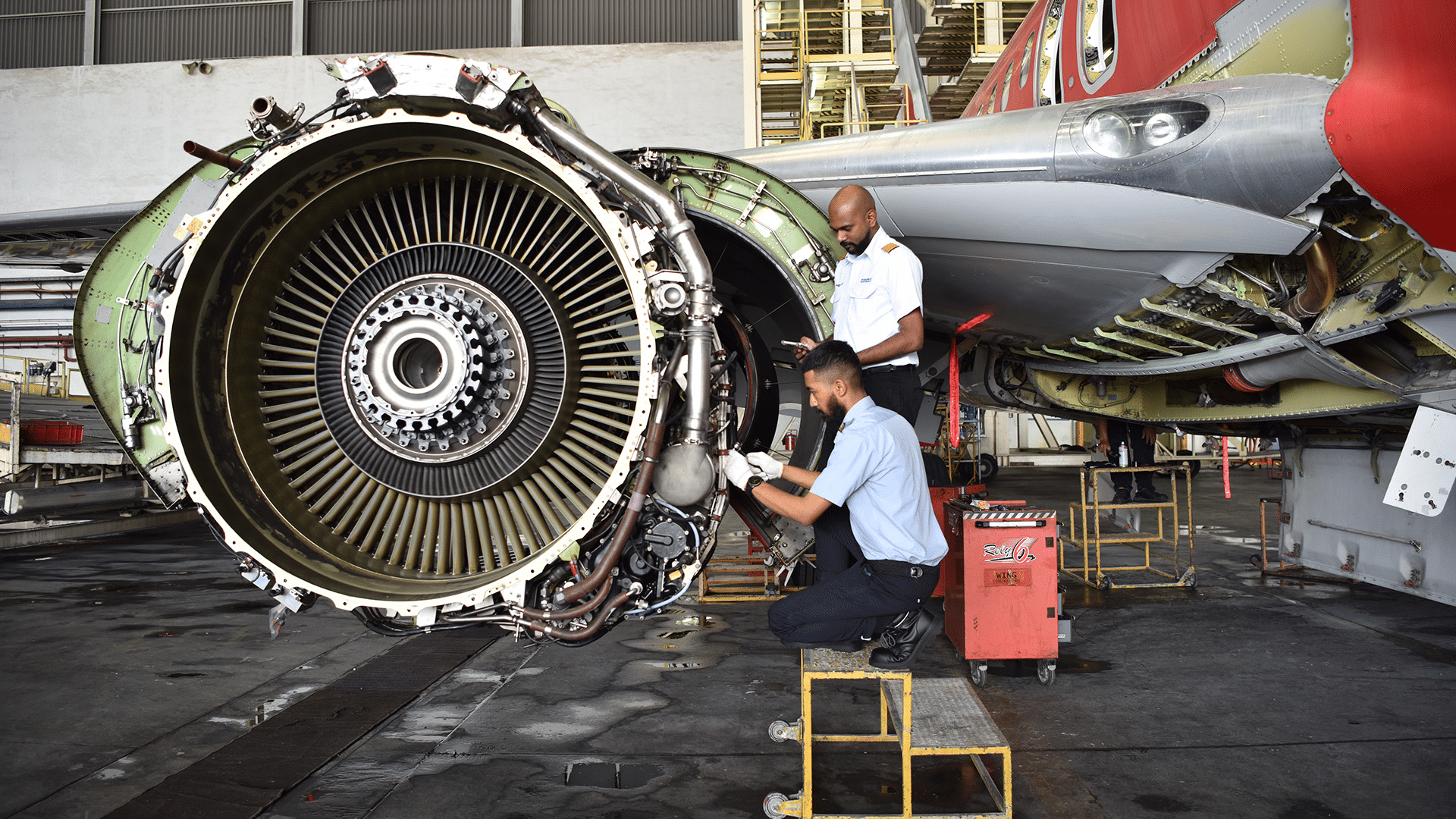
National Aerospace Industry Corporation (Naico) Malaysia chief executive officer (CEO) Shamsul Kamar Abu Samah told The Star that Selangor enjoys a strategic edge through its two main aerospace hubs in Subang and Sepang. These hubs host a wide range of activities, including aircraft component manufacturing, maintenance, repair and overhaul (MRO), as well as technical training facilities.
He said these strengths have positioned Selangor as a critical contributor to the global aviation supply chain, supporting major aircraft manufacturers worldwide.
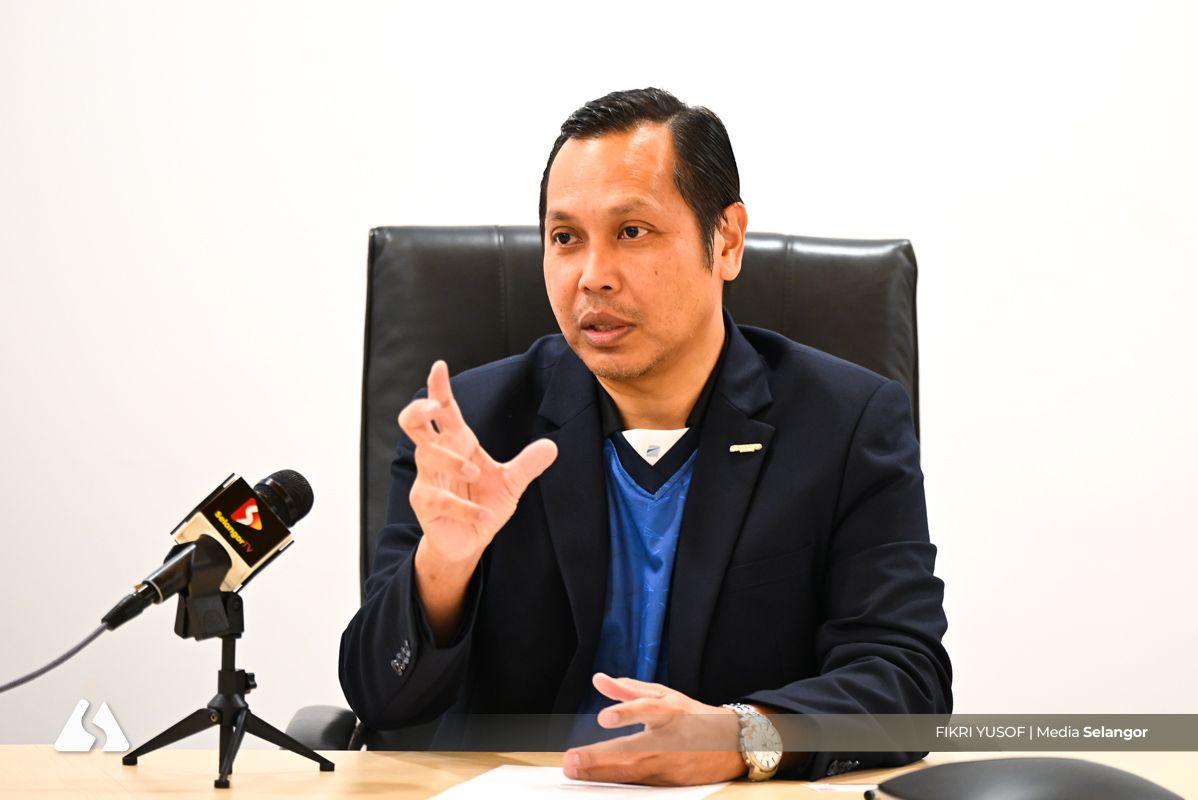
Shamsul Kamar noted that lessons learned during the Covid-19 pandemic, particularly within the aviation sector, highlighted the need to reduce reliance on foreign labour.
“Although aerospace activities are spread across several states, Selangor remains the most crucial area in developing this industry ecosystem. During the pandemic, the temporary shutdown of aerospace operations had a significant impact on the country,” he said.
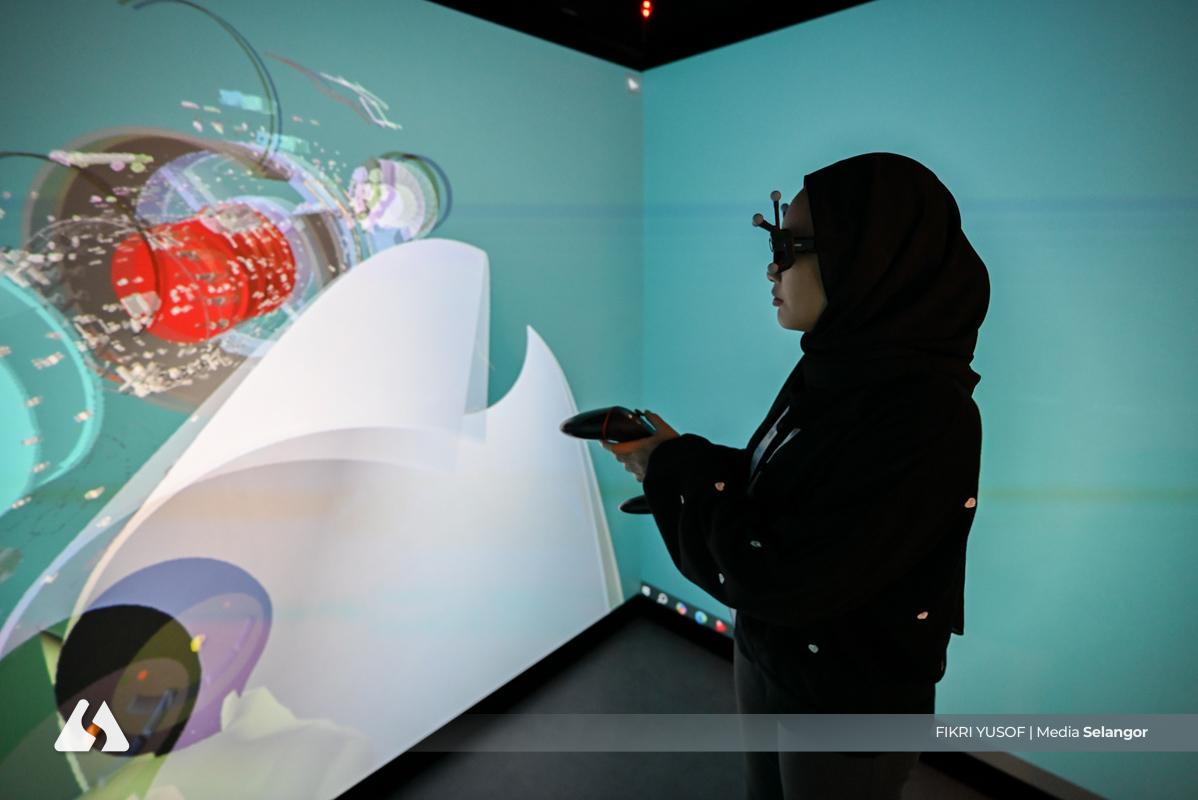
“The experience pushed both the government and industry players to speed up the adoption of new technologies to meet the demand for a workforce that is not only technically competent, but also capable of operating and programming intelligent systems,” he added.
Previously, Invest Selangor CEO Datuk Hasan Azhari Idris said aerospace-related activities continue to be among the key contributors to investment inflows into the state.
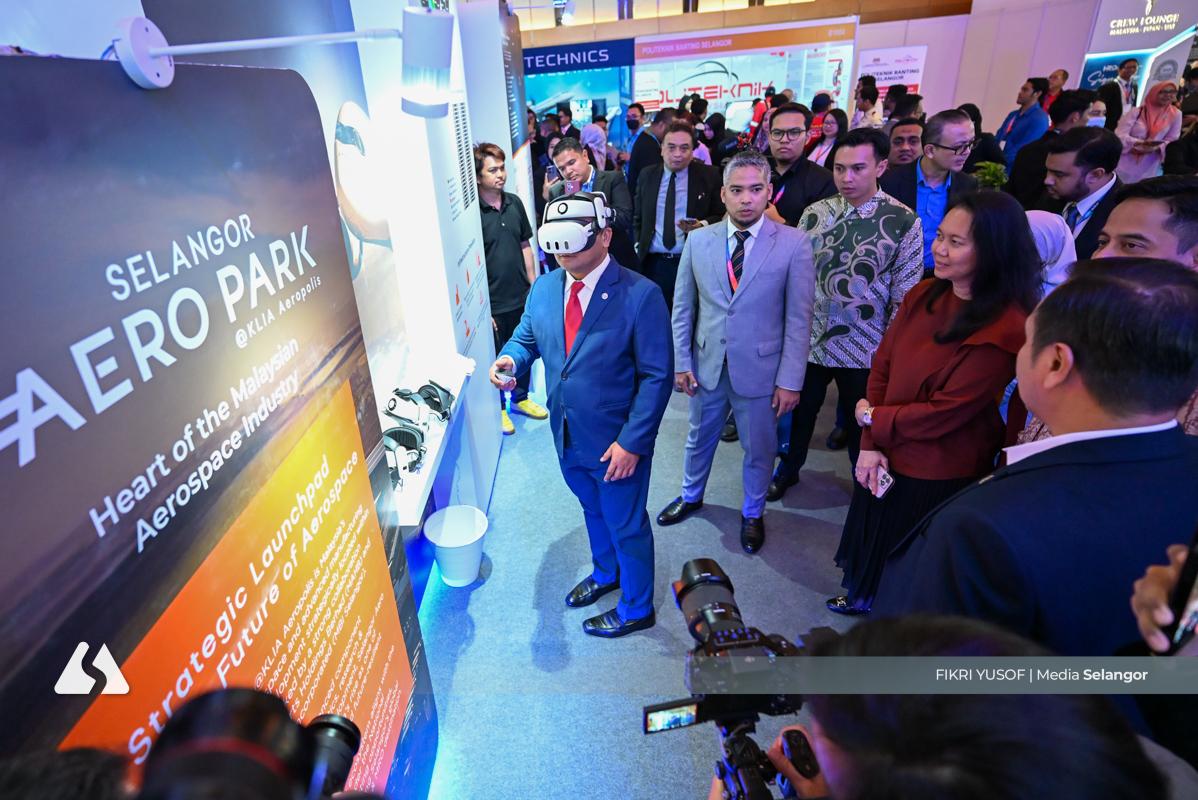
In line with this, Menteri Besar Dato Seri Amirudin Shari has set a target to raise Selangor’s share of national aerospace economic activity from 68 per cent to more than 75 per cent by 2030, supported by the Selangor Aero Park initiative aimed at attracting global aviation supply chain players.
Shamsul Kamar also told The Star that the aerospace industry offers strong long-term investment prospects, aligned with the 13th Malaysia Plan (13MP) and the New Industrial Master Plan 2030 (NIMP 2030), both of which prioritise the development of a highly skilled workforce.
He added that sustained investment in the sector would also generate positive spillover effects for related industries, including precision engineering, avionics and data analytics.
“Greater investment and focus on aerospace are expected to improve local workforce capabilities and expand opportunities for the growth of a highly skilled talent pool,” he said.
Meanwhile, Malaysia Institute of Transport director at Universiti Teknologi Mara associate professor Wan Mazlina Wan Mohamed said Selangor is well positioned to emerge as the country’s aerospace hub, citing the availability of experienced and specialised personnel.
She said strategic planning and comprehensive training programmes would be key to producing more skilled workers to manage industry operations, while strengthening long-term professional career pathways in the aerospace sector.