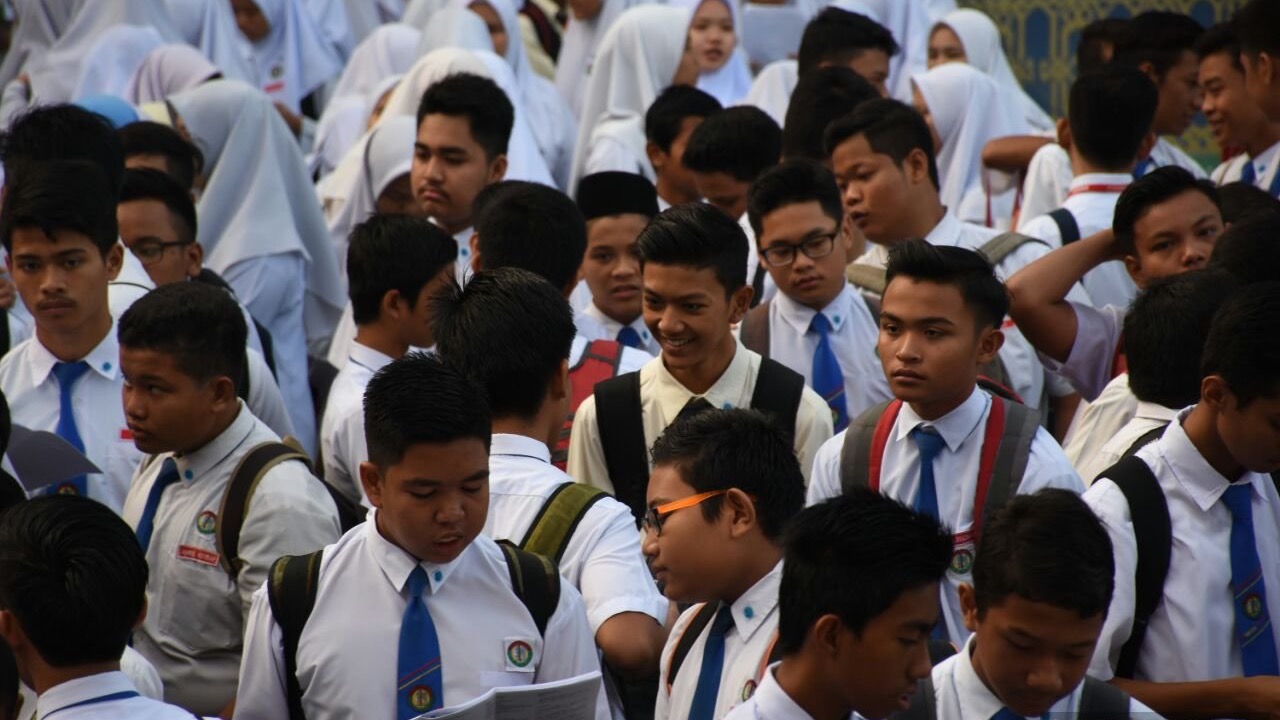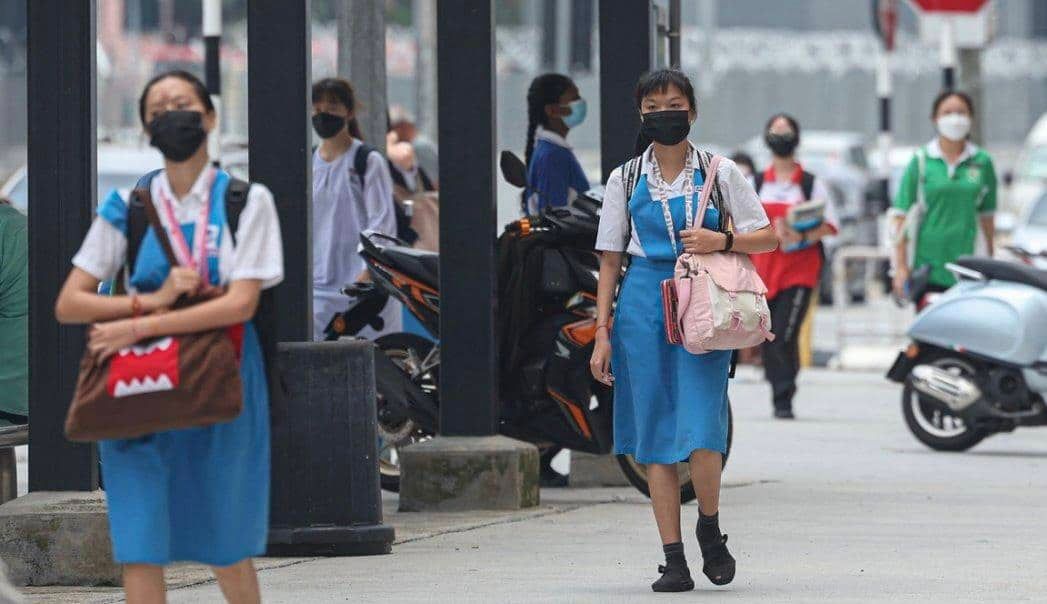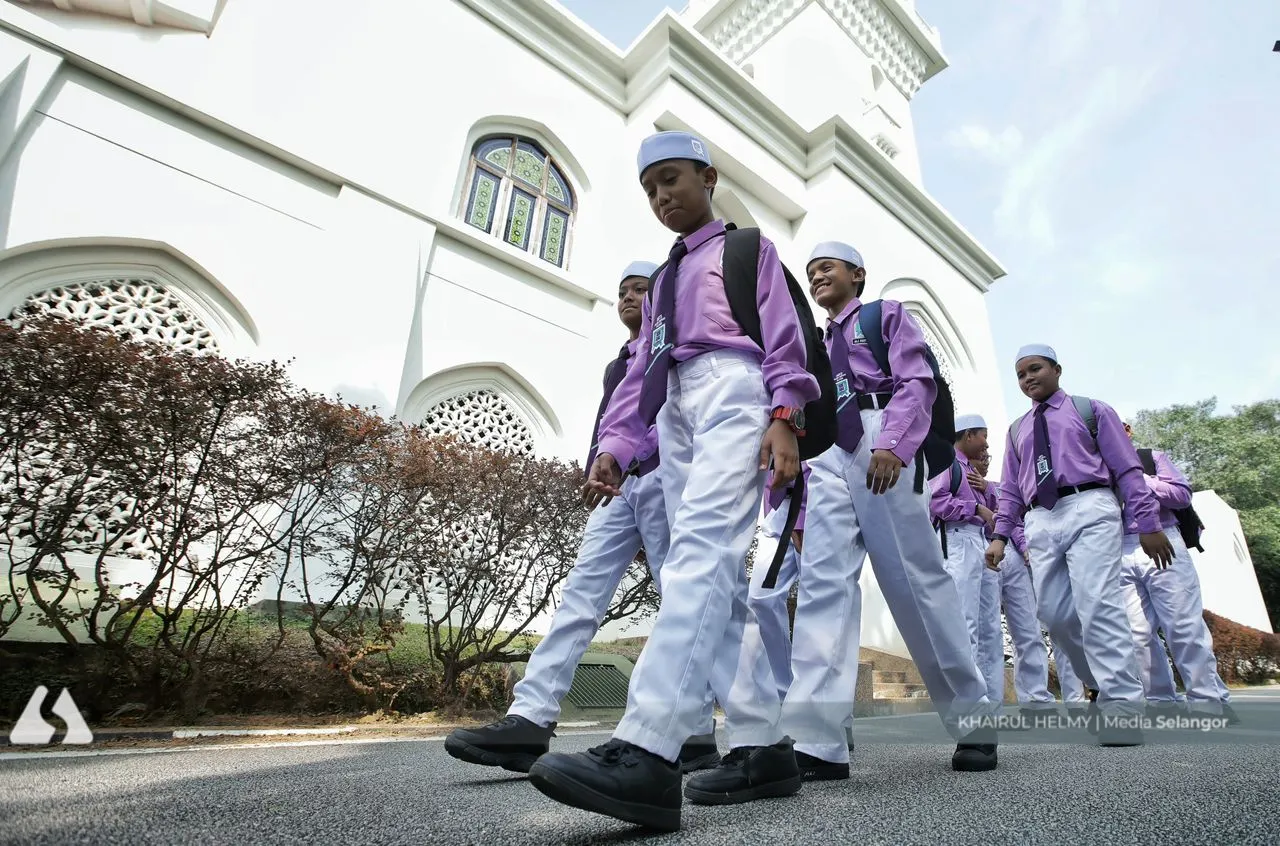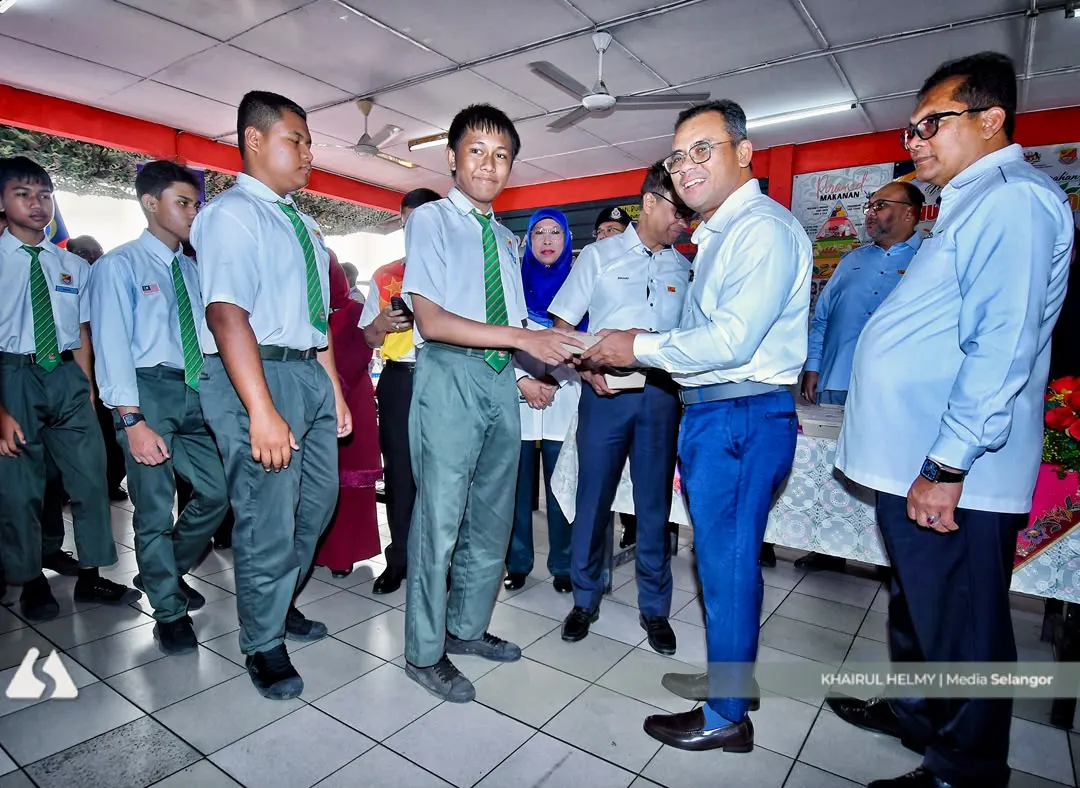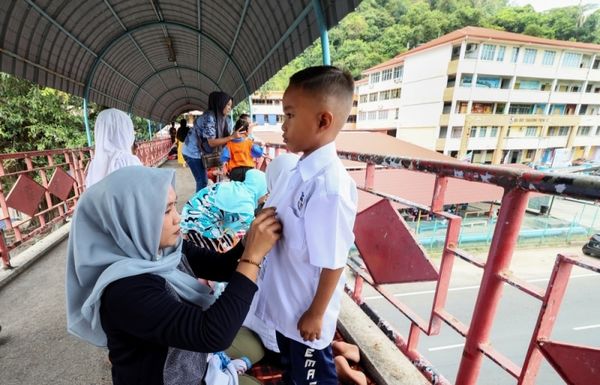
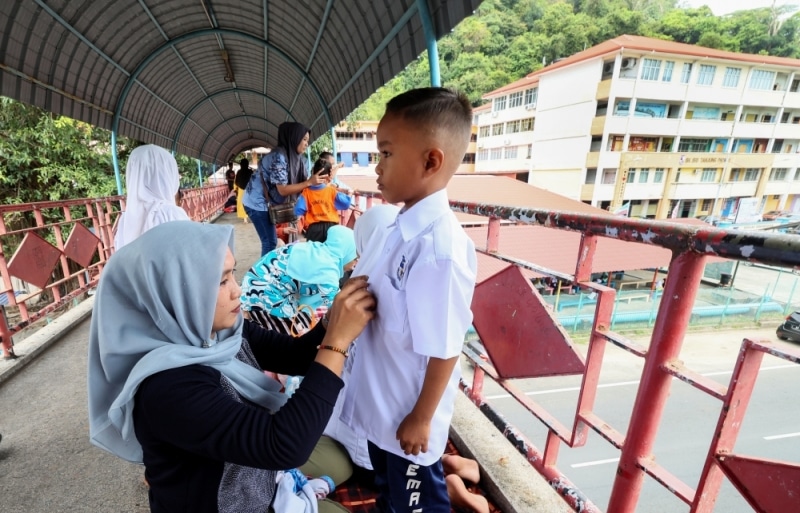
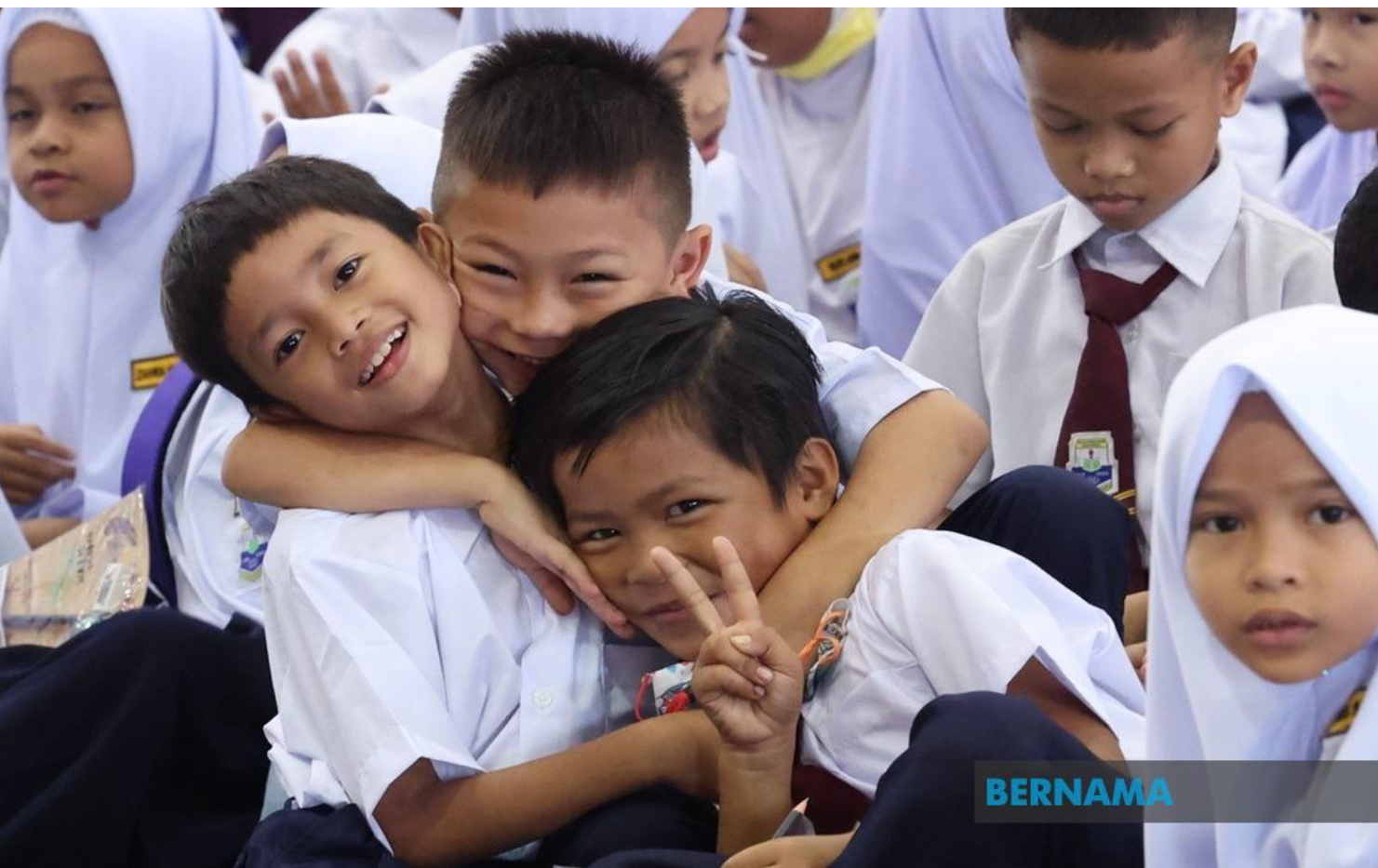
SHAH ALAM, Jan 4 — The Education Ministry's (MOE) proposal to standardise school attire can help to eliminate status gaps among students while fostering a more inclusive and harmonious learning environment, parents told Media Selangor.
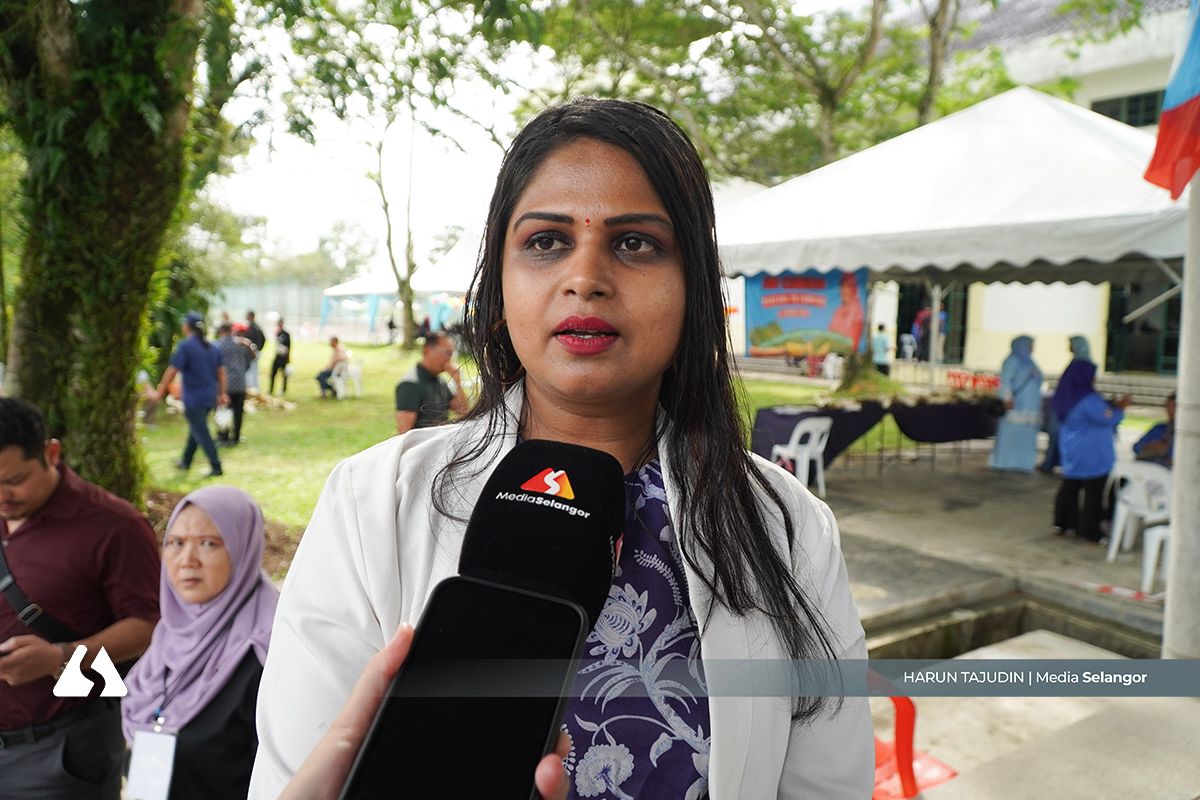
Dr Tamil Selvi Rajoo, 44, believes that standardising school attire can reduce disparities among students from different schools, thereby preventing feelings of inferiority.
She said the move is in line with MOE's aspiration to produce students who are not only academically excellent but also possess strong morals, a solid sense of identity, and a spirit of unity.
“When there is no difference in attire between students from day schools and fully residential schools (SBP), students will not feel inferior, thus strengthening relationships and unity among them,” Dr Tamil said.
Meanwhile, civil servant Norfazrin Mohd Zam, 30, echoed her sentiments, describing the move as one that could prevent unequal treatment among students.
“When there are no ‘double standards’, students can be friends with everyone without feeling isolated,” he said.
Parents interviewed by Media Selangor also regarded the proposal as a positive step, as it would not impose a financial burden on parents, particularly those in the B40 income group.
“This proposal is very good as it helps reduce the financial burden on parents, especially those with many school-going children,” said Haryanty Nadia Abu Hassan, 38.
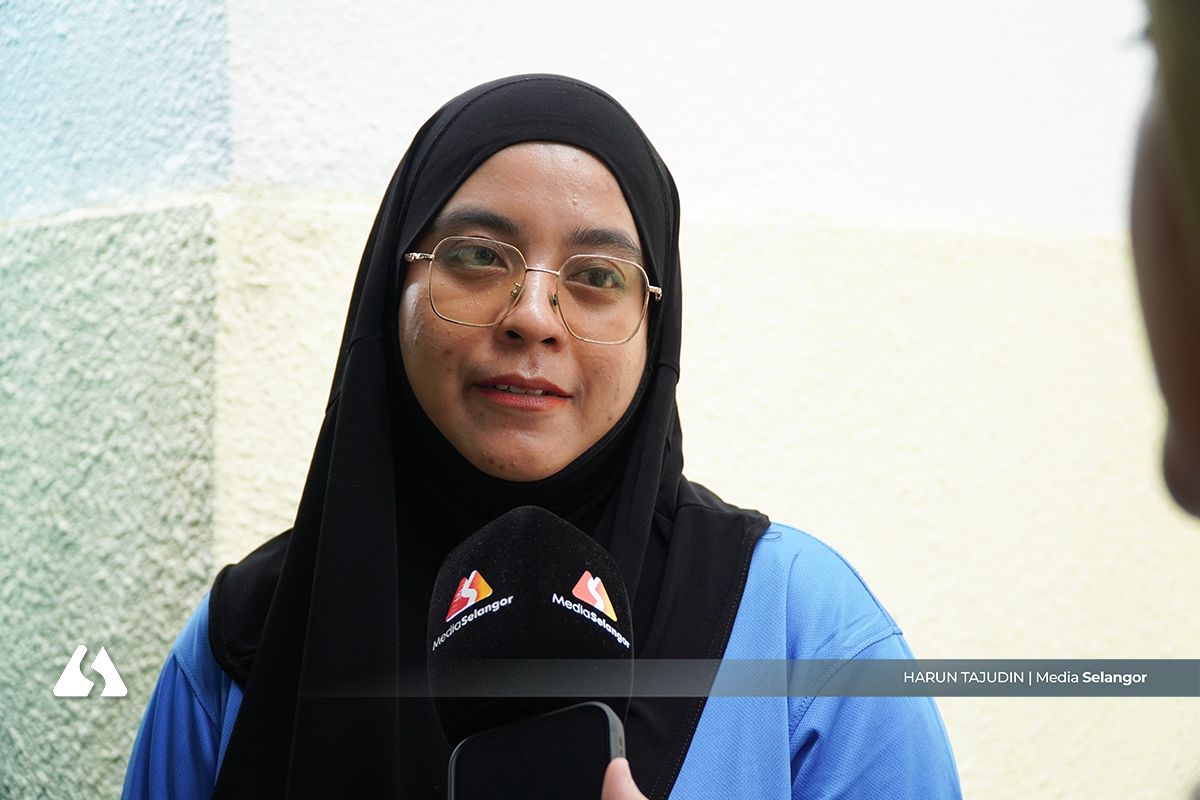
She was supported by Ahmad Tarmizi Haris, 47, who said that standardised school attire would allow clothes to be shared among siblings, thereby saving on family expenses.
“In addition, it makes things easier for children who receive offers to attend boarding schools, as they can register immediately without having to spend more on new necessities,” he said.

Ahmad Norani Idris, 52, added that savings from school clothing expenses could be channelled towards other, more essential daily needs.
“This proposal should be extended, for example, by using the same attire from pre-school through to secondary school, as it would be more convenient and cost-effective,” he said.

For businesswoman Zulaikha Rohmat, 35, aligning school attire can help reduce household expenses, particularly for parents with many school-going children.
“When attire is standardised, household spending can be reduced,” she said.
The MOE was previously reported to be planning to standardise school uniforms beginning in 2027, following engagement sessions with various stakeholders since September last year.
“School uniforms should symbolise unity, not highlight differences,” said Education Director-General Mohd Azam Ahmad.
An official decision on the proposal is expected in August, ahead of its phased implementation starting in 2027, involving Year One pupils and Form One students.
Meanwhile, beginning this year, school students are no longer required to wear neckties, which the MOE said is part of its concern for the challenges parents face in preparing their children for the return to school.