SHAH ALAM, Jan 7 — As medical escort services gain a foothold within Malaysia’s healthcare system, the realities of this emerging profession are gradually coming to light.
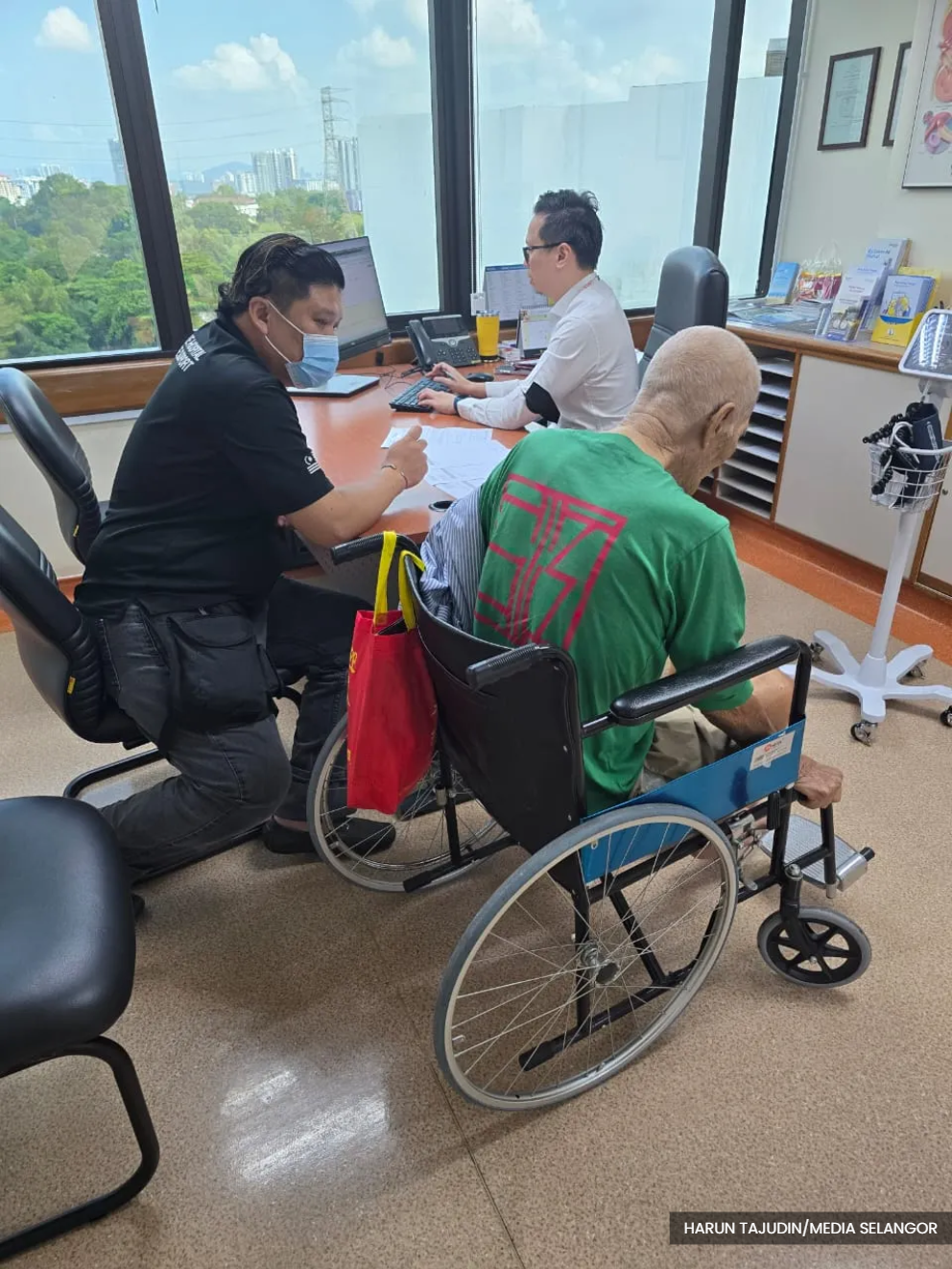
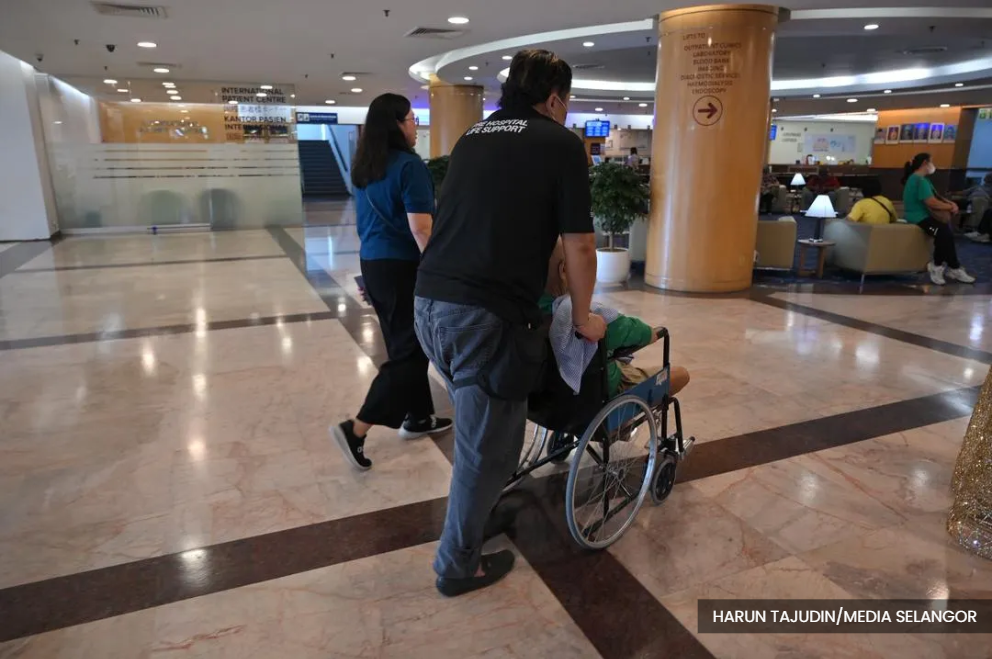
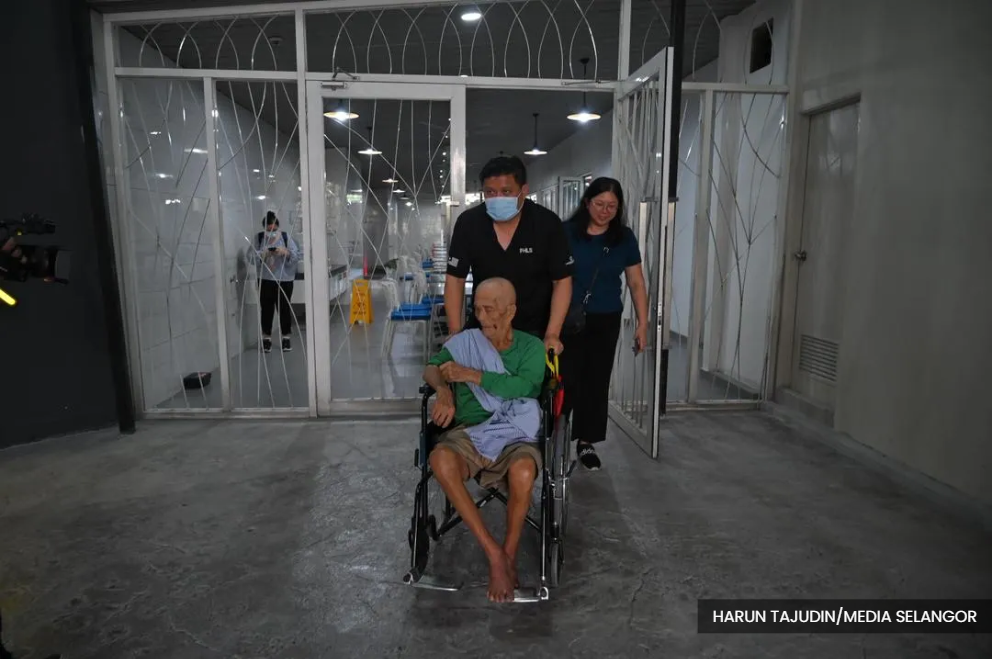
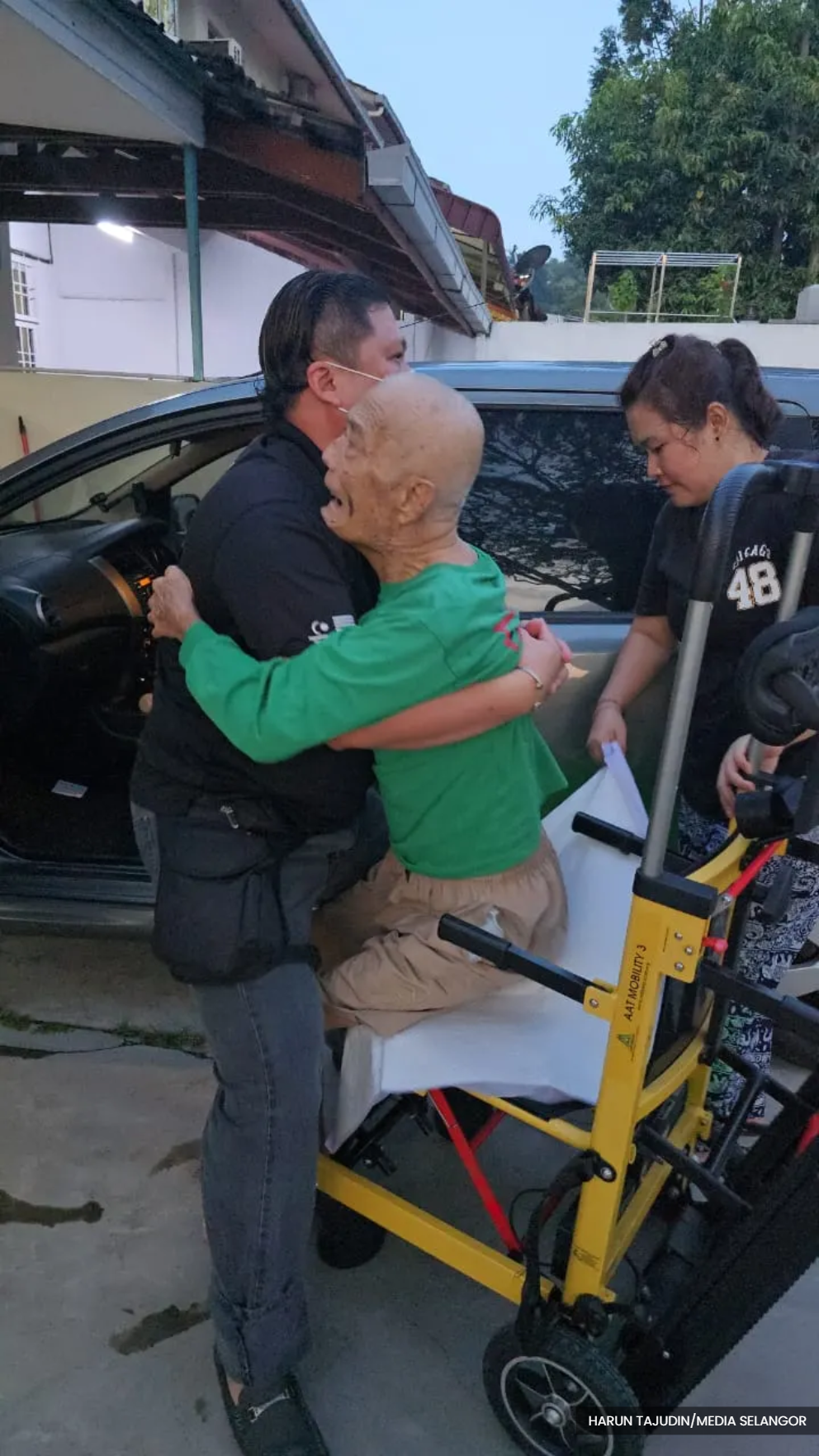
In practice, the challenges they face go far beyond assisting with registration or pushing wheelchairs. They must navigate medical procedures, communicate with family members, and adapt within an environment where institutional frameworks are still evolving, all while bearing responsibilities and pressures that often go unnoticed.
Among the most distressing challenges is when family members, for various reasons, refuse to allow patients to continue receiving medical treatment. This is often a significant source of helplessness for medical escorts.
Medical escort Yee Sook Ping admitted that the greatest challenges during escort work often come from patients’ families.
She recounted an incident involving an elderly patient for whom doctors recommended foot care, but the family refused due to cost concerns. Later, the client called to ask why the treatment had not been arranged, leaving her deeply heartbroken.
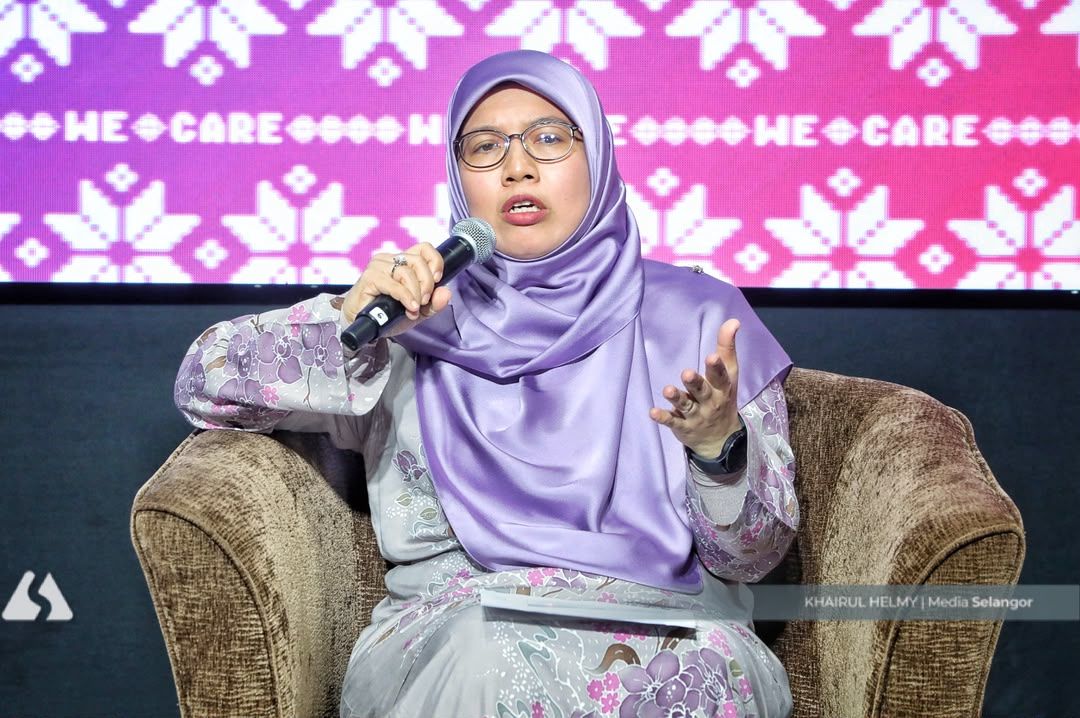
“The elderly patient was willing to receive treatment, but it was abandoned because of the family’s decision. This situation is not uncommon," Yee told Media Selangor.
Such cases highlight a lack of awareness in society regarding elderly healthcare. Many children are unaware of the consequences of delayed treatment, nor do they know which medical departments their parents should visit or what examinations are necessary.
As a result, she urged the relevant authorities to strengthen public education to help families better understand the importance of early intervention and timely treatment.
“The elderly have the right to appropriate medical care, and their wishes must be respected," Yee said.

An unfamiliar profession, followed by misunderstandings
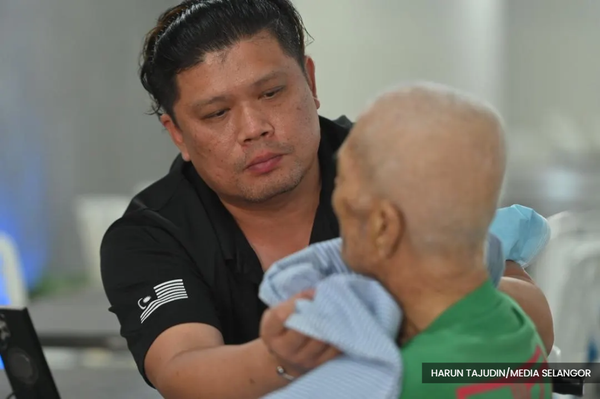
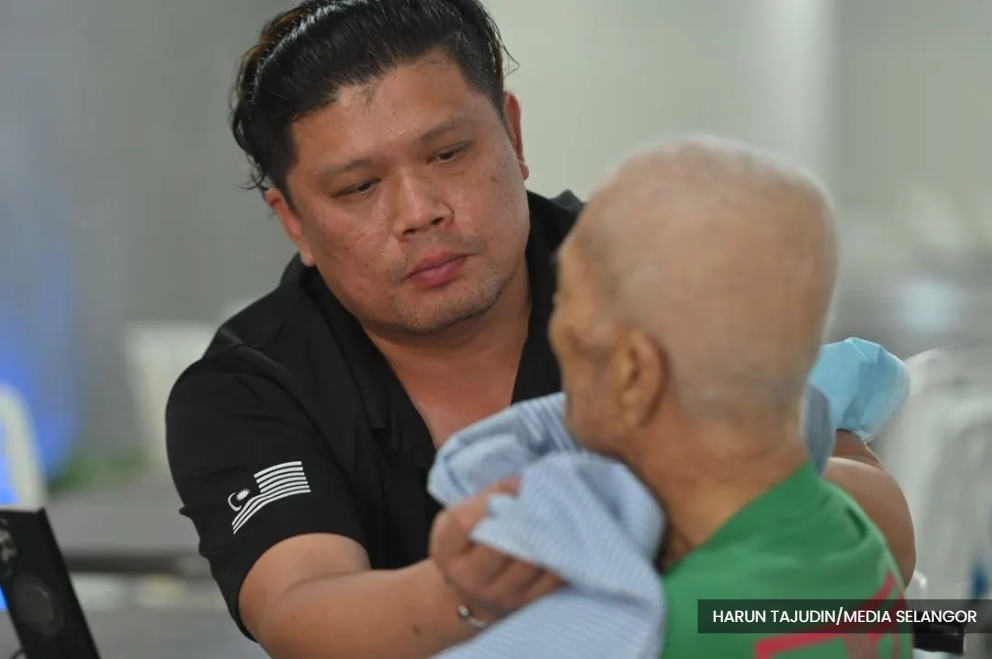
Another medical escort, Chin Yoong Kong, shared that he once accompanied a single woman in her forties to a hospital appointment. Due to bruising on her arm, doctors mistakenly suspected domestic abuse, and he was briefly regarded as the perpetrator.
“The doctor asked me to leave the room and questioned her alone. Fortunately, the client clarified the situation in time; otherwise, I might really have been taken to the police station," he said.
In addition, due to his long-term accompaniment of elderly clients, medical staff often mistake him for the patient’s son, inadvertently gaining “many extra parents”.
These experiences reflect the real-life circumstances medical escorts face in the absence of a fully developed regulatory framework.
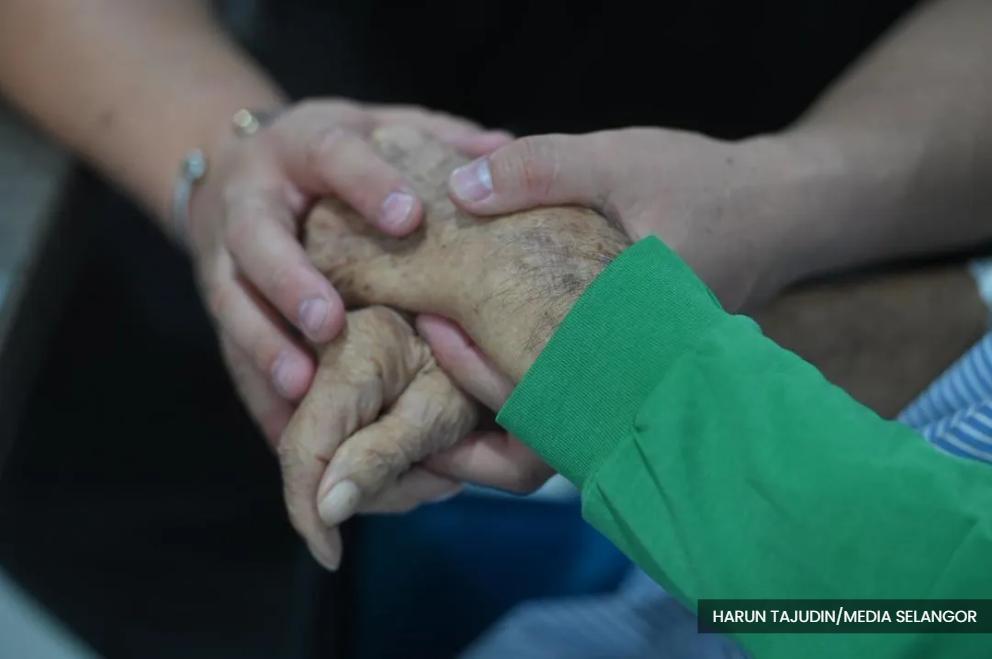
At life's threshold: Becoming the final companion
Meanwhile, Yee added that medical escorts may occasionally encounter emergencies during escort duties, such as sudden deterioration of a patient’s condition requiring urgent surgery or admission to the Intensive Care Unit (ICU).
When family members are unable to arrive in time, they often have to assist in contacting relatives, obtaining authorisation letters, and handling urgent administrative matters to prevent delays in treatment.
She recalled an elderly woman who had long been under her team’s care. During a routine follow-up visit, her condition suddenly worsened.
Fortunately, the patient’s religious organisation had granted prior authorisation, allowing immediate treatment to proceed. Although she ultimately succumbed to illness, Yee said that the patient at least had human companionship in the final hours of her life.
“A medical escort does not merely accompany patients to see a doctor, but walks with them through the final chapter of their lives," she said.
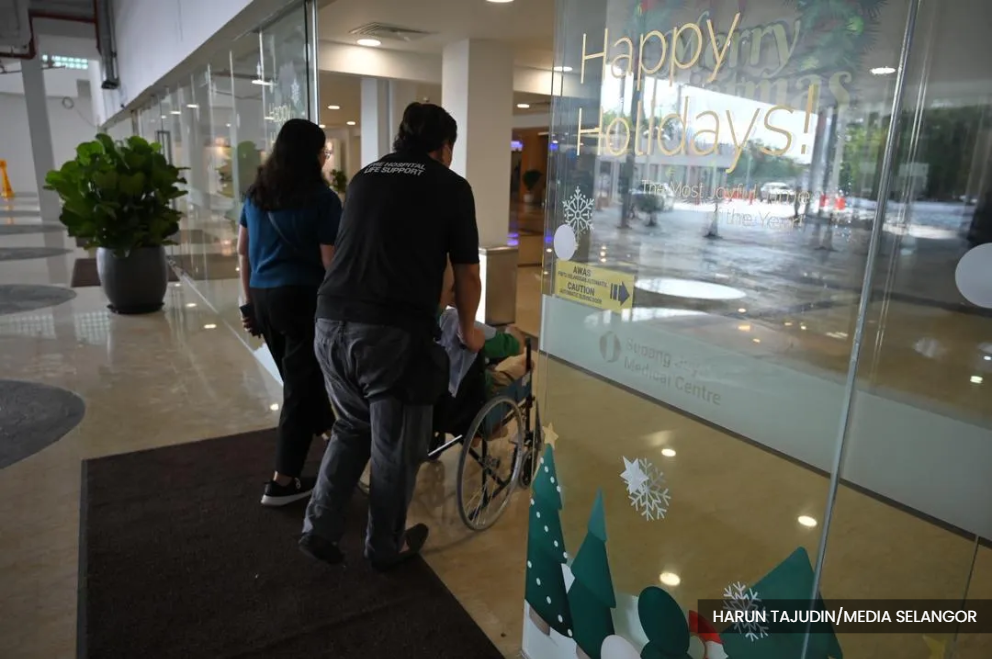
Lack of regulation, urgent need for institutionalisation
Yee emphasised that Malaysia currently lacks clear standards and formal training frameworks for medical escorts, with most practitioners relying on experience to develop their own procedures.
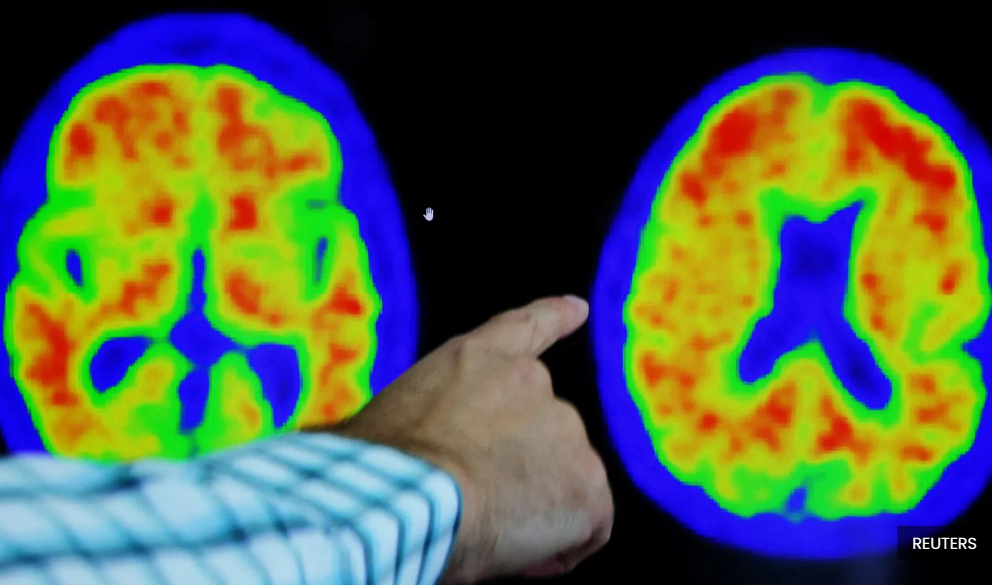
“This job requires immense patience and compassion, especially when dealing with elderly individuals suffering from dementia. Their emotions must be cared for, rather than being treated as a burden," she said.
As such, Yee hopes the government will incorporate medical escort training into the care economy or ageing-related policies, such as Selangor’s Care Economy initiatives, to establish professional standards and help society better understand the role and value of medical escorts.
“The significance of medical escorts lies not only in healthcare, but also in psychological support and the preservation of dignity.
"Elderly people, even though they are no longer young, deserve to be treated equally and with care," she concluded.