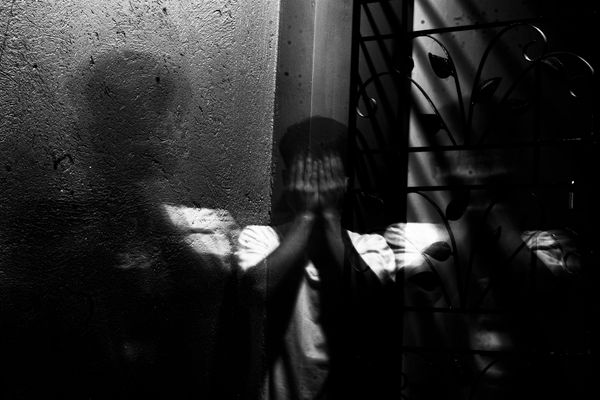
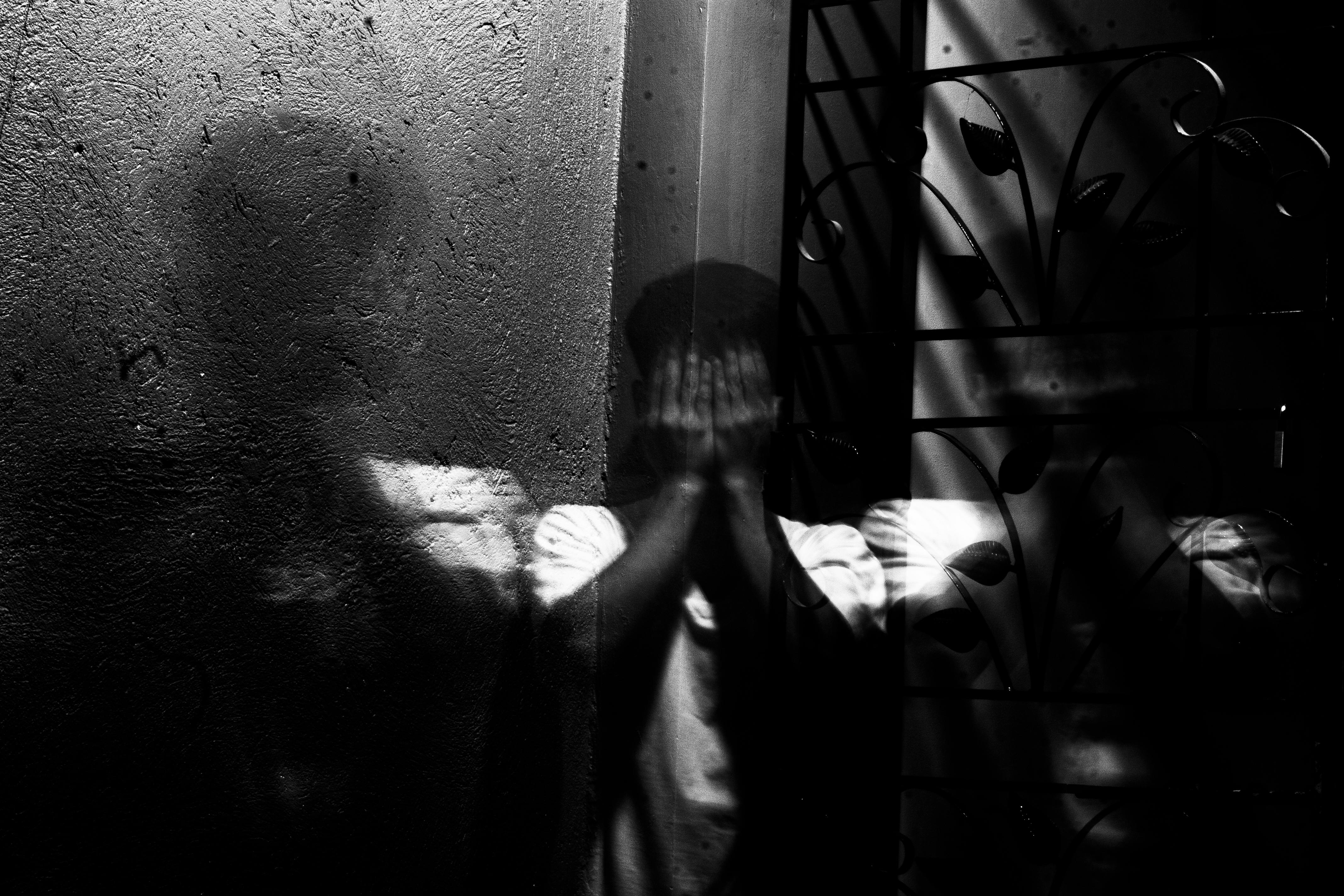

SHAH ALAM, Jan 1 — Emotional loneliness or isolation experienced by adults, particularly during occasions such as New Year celebrations or religious festivities, is often regarded as something normal.
However, not many realise that it is, in fact, one of the serious mental health crises currently occurring worldwide.
Management and Science University psychologist Assoc Prof Dr Siti Hazlina Alias said the problem of emotional isolation is becoming increasingly concerning in Malaysia, influenced by several factors, including social media.
“Self-isolation happens due to several factors. It is as if the person wants to protect themselves. Usually, this occurs because of trauma or past experiences; they do not want to remember them and end up building a wall.
“But there are also cases influenced by social media, which were further exacerbated by the Movement Control Order (MCO) during the Covid-19 period,” she told Media Selangor.
Dr Hazlina added that emotional isolation begins when an individual refuses to acknowledge or express their own feelings, instead suppressing them until they eventually affect the individual’s mental health.
As an example, she said that in Eastern cultures, particularly in Malaysia, those who are grieving are often urged to be patient, even though this is not entirely appropriate, as emotions need to be expressed appropriately.
“When emotions are not managed properly, over time they will fester and develop into other problems. It may seem minor at first, but in the long run, we worry it could become another form of illness,” Dr Hazlina said.
More worryingly, awareness of emotional isolation remains low because society tends to view it as an individual’s chosen lifestyle.
“People usually seek treatment only when the condition has become severe. In fact, this illness is no different from other physical illnesses.
"If it is not addressed early, it can spread and develop into other conditions,” she said.
In this regard, Dr Hazlina offered advice on preventing feelings of loneliness, including practising self-appreciation, adopting a healthy lifestyle, and strengthening spiritual (religious) practices.
“We need to be practical and realistic. There are days when we are not okay. There is nothing wrong with not feeling okay, but it should not last too long.
"We need to find a way out. Most of the protective factors I have observed in my patients are supportive families and religious faith.
"These two are the most important,” she concluded.