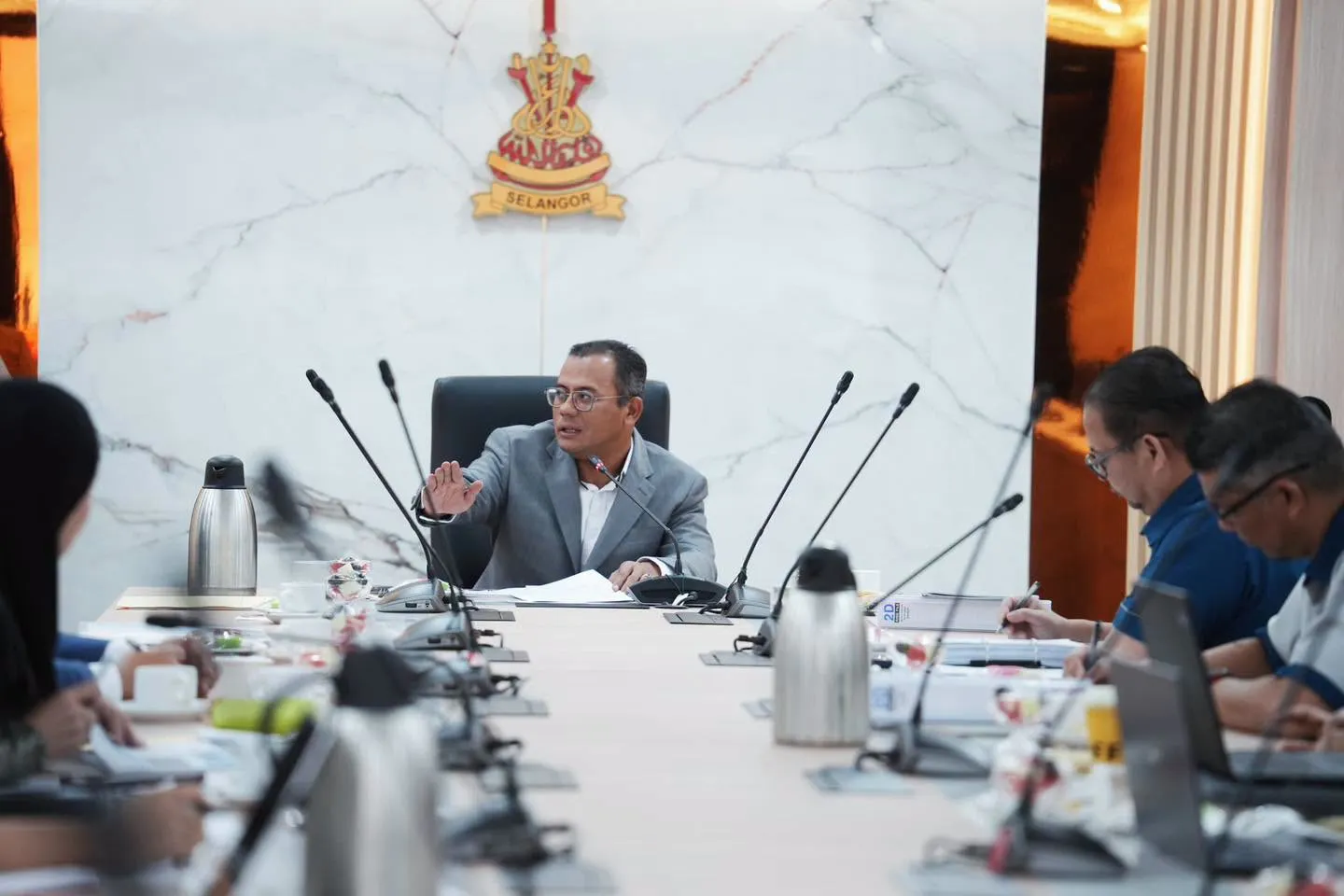
SHAH ALAM, Jan 9 — The Federal government could consider returning a portion of its corporate tax revenue to states, as proposed by Menteri Besar Dato’ Seri Amirudin Shari, if the Goods and Services Tax (GST) is reintroduced, said an economist.
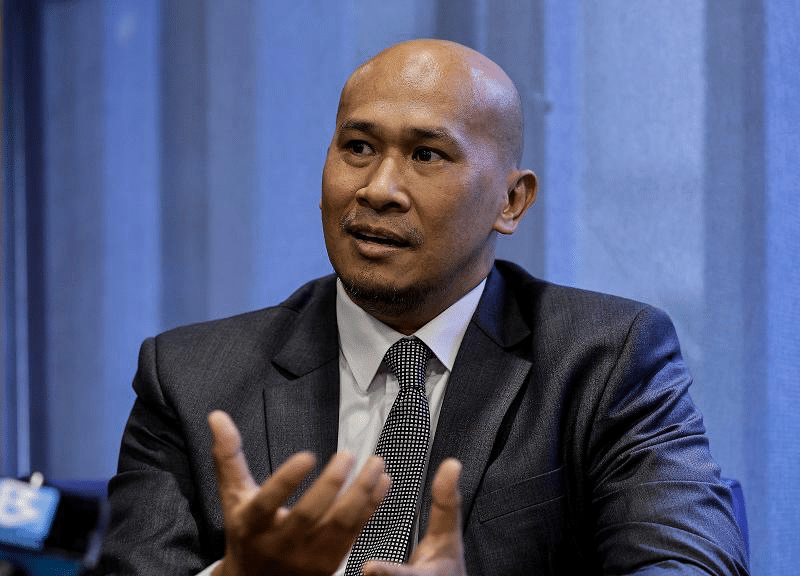
Bank Muamalat Malaysia Bhd chief economist Mohd Afzanizam Abdul Rashid said that while GST remains unpopular, it would provide Putrajaya with a more sustainable revenue stream, giving it greater fiscal flexibility to revisit revenue-sharing arrangements with the states.
"I think by having GST at some point in the future, that will make our Federal government more sustainable.
"Perhaps, by then, they are more open to this suggestion," he said during Media Selangor's ‘Lunch on Us!’ programme, which aired on Monday (December 29).
Previously, in February 2024, Amirudin proposed that a portion of the corporate tax paid to the Federal government by entities based in Selangor be redirected to the state, given its significant contribution to the national economy.
The following month, the Menteri Besar made a similar call in Parliament, urging Putrajaya to redistribute five per cent of the overall collection to the states to help develop small and medium-sized enterprises (SMEs).
GST was introduced in April 2015 at a rate of six per cent, significantly expanding the country’s indirect tax base, and generating more than RM40 billion annually, almost double the revenue from the Sales and Service Tax (SST).
However, it was abolished in September 2018 following the change of the Federal government, amid public concerns over rising living costs, with SST making a return.
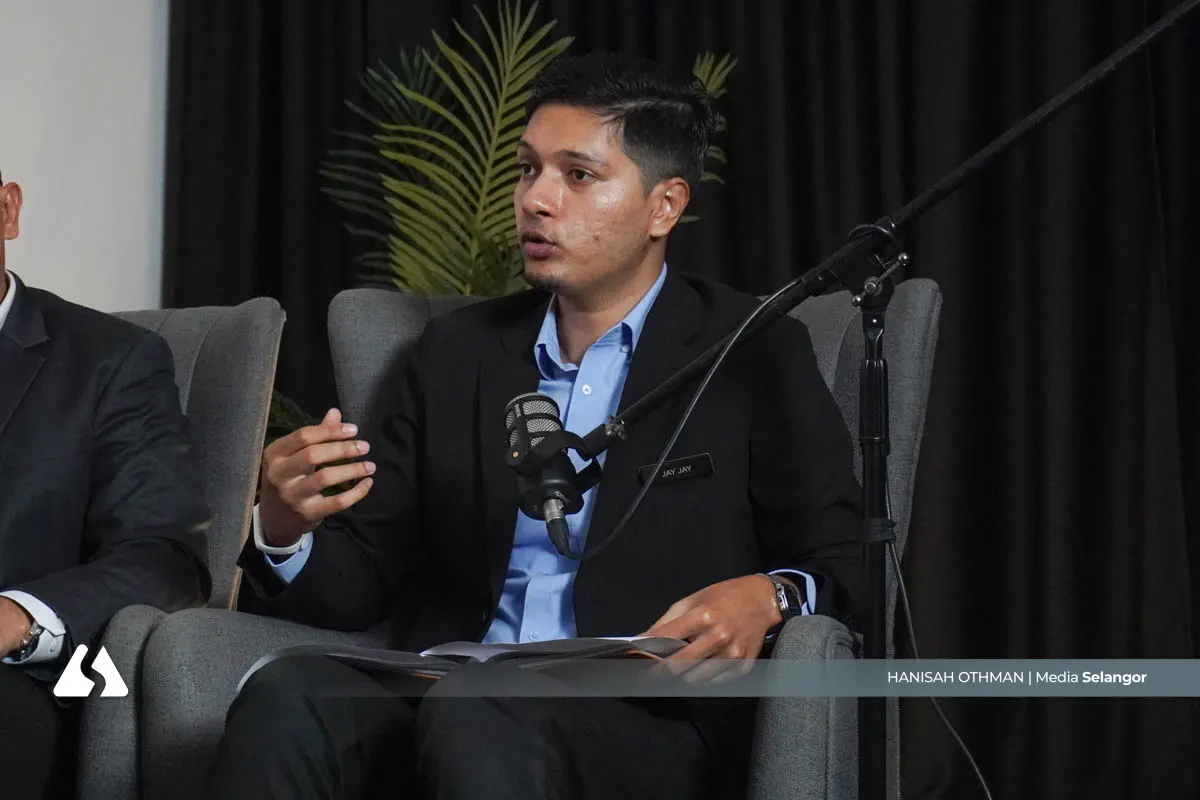
Meanwhile, the Menteri Besar’s press secretary Jay Jay Denis said Amirudin’s proposal is rooted in the belief that states should not rely solely on land-related revenue, a structural issue faced by most states in Peninsular Malaysia.
The challenge is especially pronounced in more developed states like Selangor and Penang, where land is becoming increasingly scarce.
"There will come a time when you do not have much greenfield to develop anymore, and you will have to rely on brownfield (development). That was where the idea of the corporate tax sharing by MB came from,” he said.
Jay Jay added that redirecting a portion of corporate tax revenue would also encourage healthy competition among states to drive economic growth and support SMEs.
“(This would ensure the Federal government) does not depend solely on the Klang Valley economy, but also on other states like Perak, which was booming in the 1970s and 1980s but has not had a second lease of life after mining,” he said.
Similarly, he noted that Melaka would not have to rely solely on tourism but could further develop its SME sector, while Johor could diversify beyond data centres into higher-value technology industries rather than serving mainly as a feeder to Singapore.