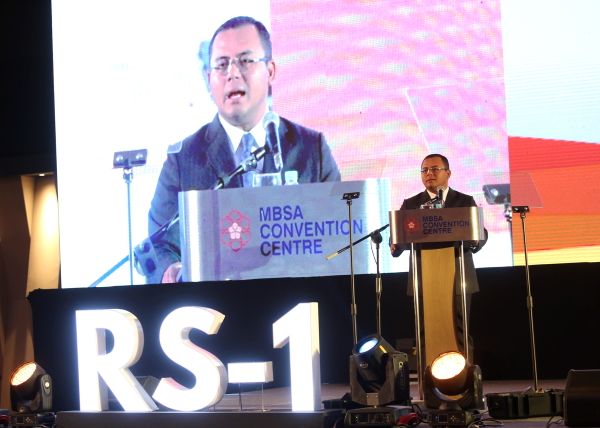

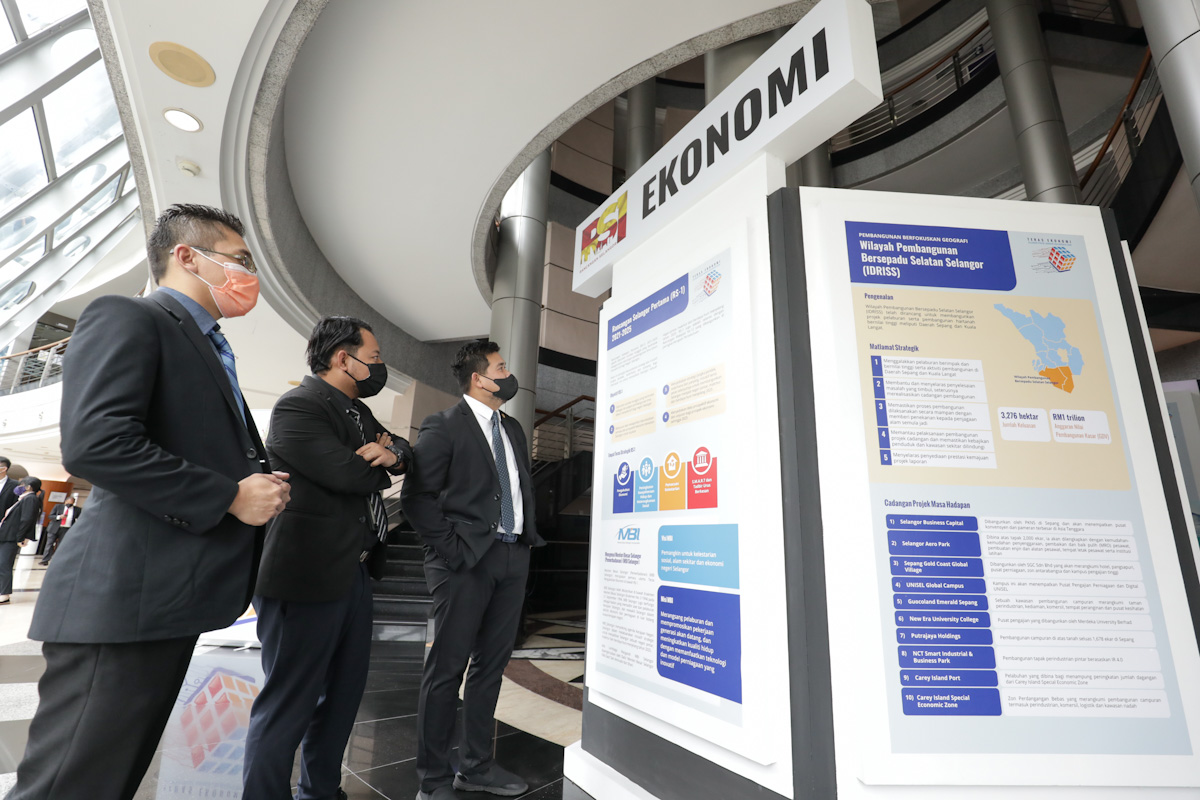
SHAH ALAM, Jan 9 — The First Selangor Plan (RS-1) was given an admirable score of 85 per cent by a senior economist, who praised it for exceeding many of its targets and providing clearer direction for investors and market observers.
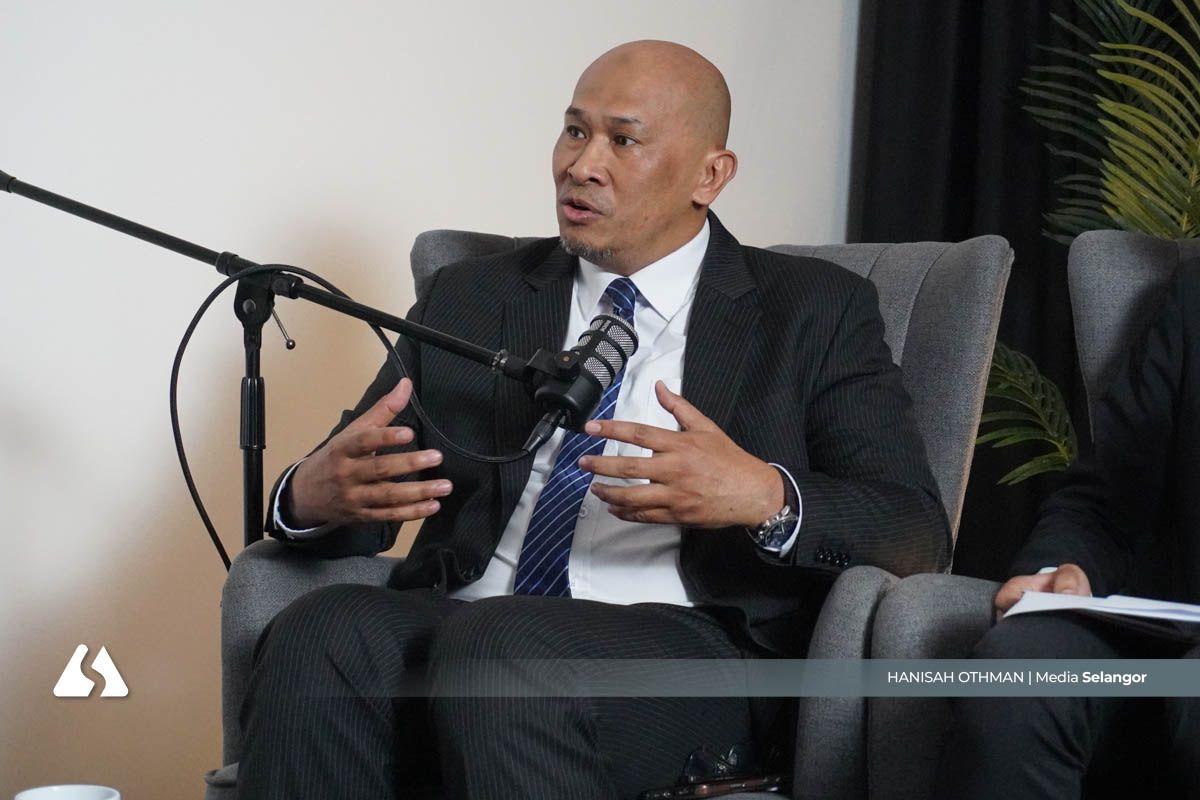
Bank Muamalat Malaysia Bhd chief economist Mohd Afzanizam Abdul Rashid said the RS-1 deserves recognition, especially as it is the first state-level, medium-term blueprint of its kind in Malaysia.
“I would give it an 85 per cent score. I must say it’s a commendable effort because it provides more clarity, at least for investors and stockbroking houses.
“I think this visibility, in terms of information being disseminated, can create further awareness about Selangor’s economic trajectory,” he said during Media Selangor’s Lunch On Us! programme, which aired on Monday.
The RS-1 is a comprehensive 2021-2025 development blueprint that the Selangor State Legislative Assembly passed in August 2022. It involves RM212.44 billion in projects and initiatives aimed at making Selangor a smart, prosperous, and liveable state by 2025.
The Second Selangor Plan (RS-2), meanwhile, is expected to be tabled in the middle of this year.
Afzanizam noted that most of RS-1’s macroeconomic targets have been achieved, including an average gross domestic product growth (GDP) of between 6.5 per cent and 7 per cent, with the state recording 7.3 per cent last year.
He said Selangor also surpassed its approved investment target of between RM23 billion and RM35 billion, having recorded RM59.6 billion from 2022 to September 2025, while median household income rose to RM10,726 in 2024, exceeding the RM9,290 target.
“The only thing I felt was lagging behind is absolute poverty.
“I think, in general, RS-1 has very much exceeded its targets and makes for a good foundation for the RS-2.”
When asked about criticism by opposition members who cited delays and incomplete projects such as the Sabak Bernam Development Area (Sabda) as “proof” the RS-1 had failed, Afzanizam said it is unrealistic to expect all major projects to be completed within a single five-year cycle.
According to him, large-scale developments often require longer timelines due to multiple factors, including environmental impact assessments and technical aspects.
“There are a lot of considerations that need to be taken into account and therefore, to simplify it as being a success or failure is too simplistic. I think it’s unfair,” he said.
Afzanizam said what matters is the clarity of the plan, adding that continuity is necessary to ensure long-term objectives and major projects are realised.
Previously, opposition leader Datuk Seri Mohamed Azmin Ali claimed in the state assembly that Sabda was a failure as some projects under it are incomplete, and said this reflects poor planning under the RS-1.
However, state executive councillor for rural development and unity Datuk Rizam Ismail clarified that the completion of projects under the RS-1 should not be the sole measure of success.
Rizam said some Sabda projects have yet to be implemented as certain investors’ interests need to be reviewed or they involve complex land ownership transfers.