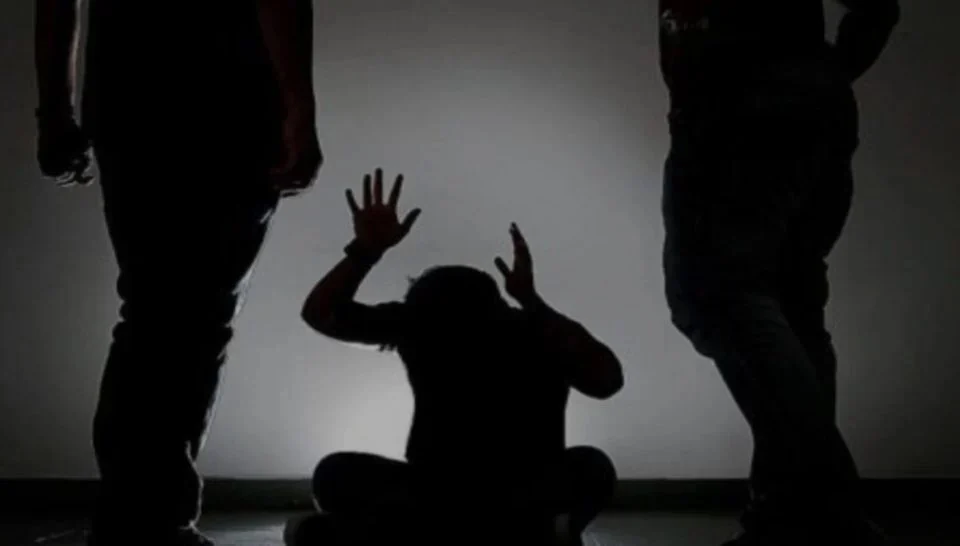
SHAH ALAM, Jan 4 — For many men, violence at home does not come in the form of bruises or broken bones, but in silence and shaped by fear, shame and a belief that the system is not built for them.
While official records show more than 6,000 male victims of domestic violence over the last four years, the Fathers’ Rights Association of Malaysia (FRAM) says the true scale is far larger, obscured by cultural expectations and a lack of safe avenues for reporting.
Behind the statistics lies a reality that many male survivors quietly endure — ridicule for speaking up, pressure to “man up”, and the fear that seeking help may cost them access to their own children.
According to FRAM president Malcolm Fernandez, these concerns continue to keep thousands of men in the shadows.
“From FRAM’s experience, male victims usually do not report abuse due to fear of being ridiculed, losing access to their children, social conditioning that men can’t be victims, and that no one would believe them,” he told Media Selangor.

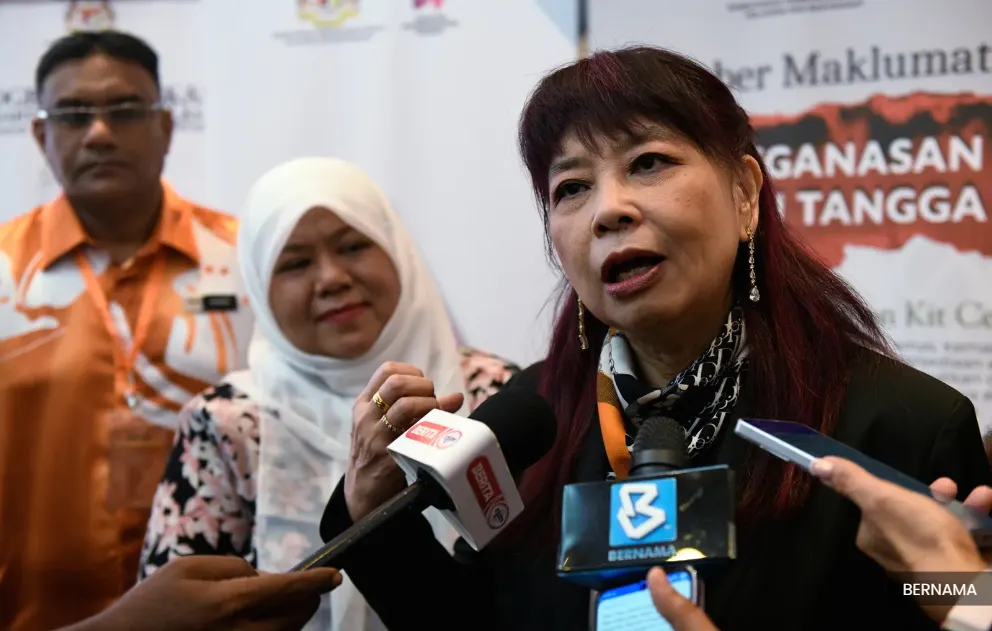
On October 30, Deputy Women, Family, and Community Development Minister Datuk Seri Noraini Ahmad told the Dewan Rakyat that over the past four years, more than 6,000 men were reported as victims of domestic violence or abuse.
Citing data from the Royal Malaysian Police (PDRM), she said there were 1,778 cases involving male victims recorded in 2022, 1,213 cases in 2023, 1,865 cases in 2024, and 1,183 cases up to July this year.
She said shame, fear, and social stigma remain main barriers preventing many male victims from coming forward.
Mental toll of abuse
According to Universiti Kebangsaan Malaysia’s Faculty of Medicine lecturer and Hospital Canselor Tuanku Muhriz’s (HCTM) psychiatrist Dr Muhammad Hanif Abd Latif, male victims of domestic abuse often face deep-rooted barriers that prevent them from reporting violence.
He said cultural expectations that “men must be strong” and not show vulnerability can leave many suffering in silence.
“Men often feel ashamed to admit they are being abused by a partner, fearing it undermines their masculinity,” he said, adding that emotional and verbal abuse can have profound effects including anxiety, depression, post-traumatic stress disorder (PTSD), and even suicidal thoughts.
He said these men may internalise blame, feel devalued, and withdraw from friends and family, while changes in behaviour such as irritability, fatigue, difficulty concentrating, and reduced productivity at work are often misattributed to stress.
“Emotional abuse can leave deep, invisible scars on male victims, affecting their mental health and daily functioning.
“When domestic abuse is not physical but emotional or verbal, its effects on a male victim’s psyche can be profound. Living with constant insults, threats, or humiliation puts men in a state of chronic stress and shame.”
Gaps in support for men
Fernandez said that in Selangor, the challenges are worsened by structural gaps in the support system.
He pointed out that while emotional abuse is common among male cases, it often leaves no visible injuries, causing men to fear that police will not take their reports seriously.
He added that as crisis shelters are almost exclusively designed for women, it leaves male victims with “virtually no place to go”.
While protection orders, counselling, and shelters appear gender-inclusive on paper, he said actual accessibility is limited.
“Right now, men are invisible inside systems that technically include them,” he said.
Fernandez said stigma also leaves many male victims with deep shame and social isolation, while legally, they fear that reporting abuse could expose them to counter-allegations.
“This is and may well be a major fear in most men. The system is not psychologically safe for male victims.”
Calls for urgent reform
Beyond access to support, Fernandez, who is also a divorce lawyer, raised concerns about the misuse of domestic violence allegations in custody and divorce proceedings.
Based on the association’s casework, he shared that false or exaggerated claims are sometimes used to block child access, obtain emergency custody, or pressure financial settlements, often surfacing right before or during hearings.
“Safeguards are urgently needed, including early evidence-based screening, penalties for proven false allegations, and judicial caution against one-sided emergency orders,” he said.
To address existing gaps, Fernandez urged the government to introduce immediate, practical reforms including dedicated shelters for men, mandatory police training, fast-tracked interim protection orders, a national awareness campaign, independent oversight for misuse of protection orders, and gender-neutral risk assessment tools.
“These are life-saving reforms, not ideological demands.”
Despite the challenges, he said FRAM acknowledges that the government has started taking steps to support men and fathers.
Among others, Fernandez praised the recent Fatherhood Module by the National Population and Family Development Board (LPPKN), calling it a positive step and commending the agency for its proactive efforts.