
SHAH ALAM, Jan 3 — As cases involving male victims of domestic abuse increase, federal and state authorities are intensifying efforts to ensure the issue receives equal attention and support.
At the state level, the Selangor Social Welfare Department (JKM) offers support services to all victims, regardless of gender, including counselling and safe shelters for those without a secure place to stay or family support.
It said emergency protection orders and interim protection orders are also issued to victims of both genders, while efforts are underway to further strengthen awareness and outreach.
“JKM does not provide services specifically tailored for male victims. However, the same support is available to all victims, with male victims given the option to receive counselling or psychological services from male officers for their comfort,” JKM said in a written response to Media Selangor.
The department noted that its officers undergo continuous training to better support both male and female victims of domestic violence.
Recent figures show that men are also victims of domestic violence, as revealed by Women, Family, and Community Development (KPWKM) Deputy Minister Datuk Seri Noraini Ahmad during the Dewan Rakyat sitting on October 30, when she said that over 6,000 men were reported as victims of domestic violence or abuse in the past four years.
Citing the Royal Malaysian Police, Noraini said 1,778 cases involving male victims were recorded in 2022, 1,213 cases in 2023, and 1,865 cases in 2024. In 2025, 1,183 cases were reported up to July alone.
Despite this, JKM data indicated that only 21 male victims sought assistance in 2023, 19 in 2024, and 18 through September this year.
She noted that shame, fear, and social stigma remain the main barriers that prevent many male victims from coming forward.
Encouraging men to seek support
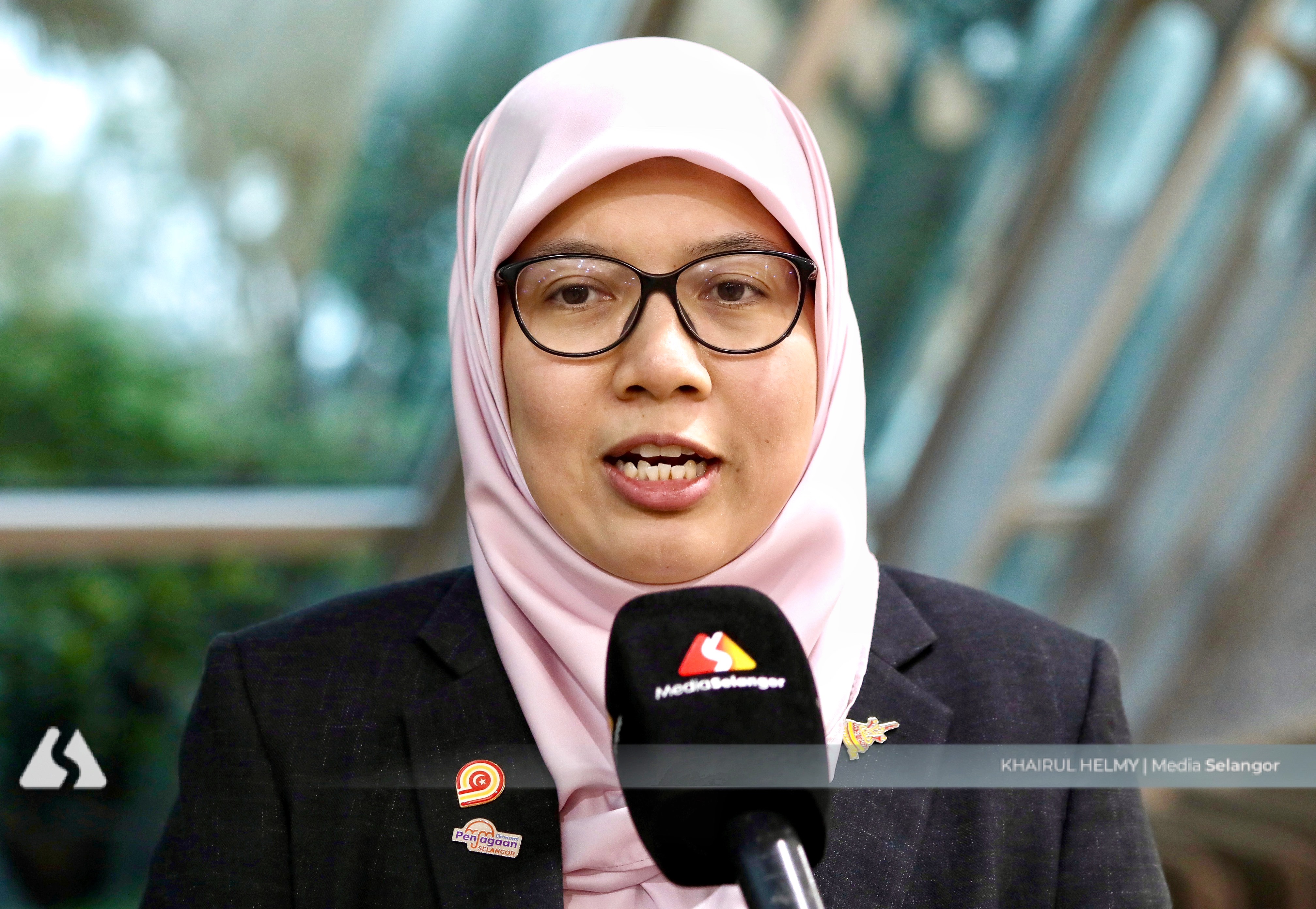
State executive councillor for women empowerment and social welfare Anfaal Saari said Selangor is working to address stigma and societal pressure that prevent men from seeking help.
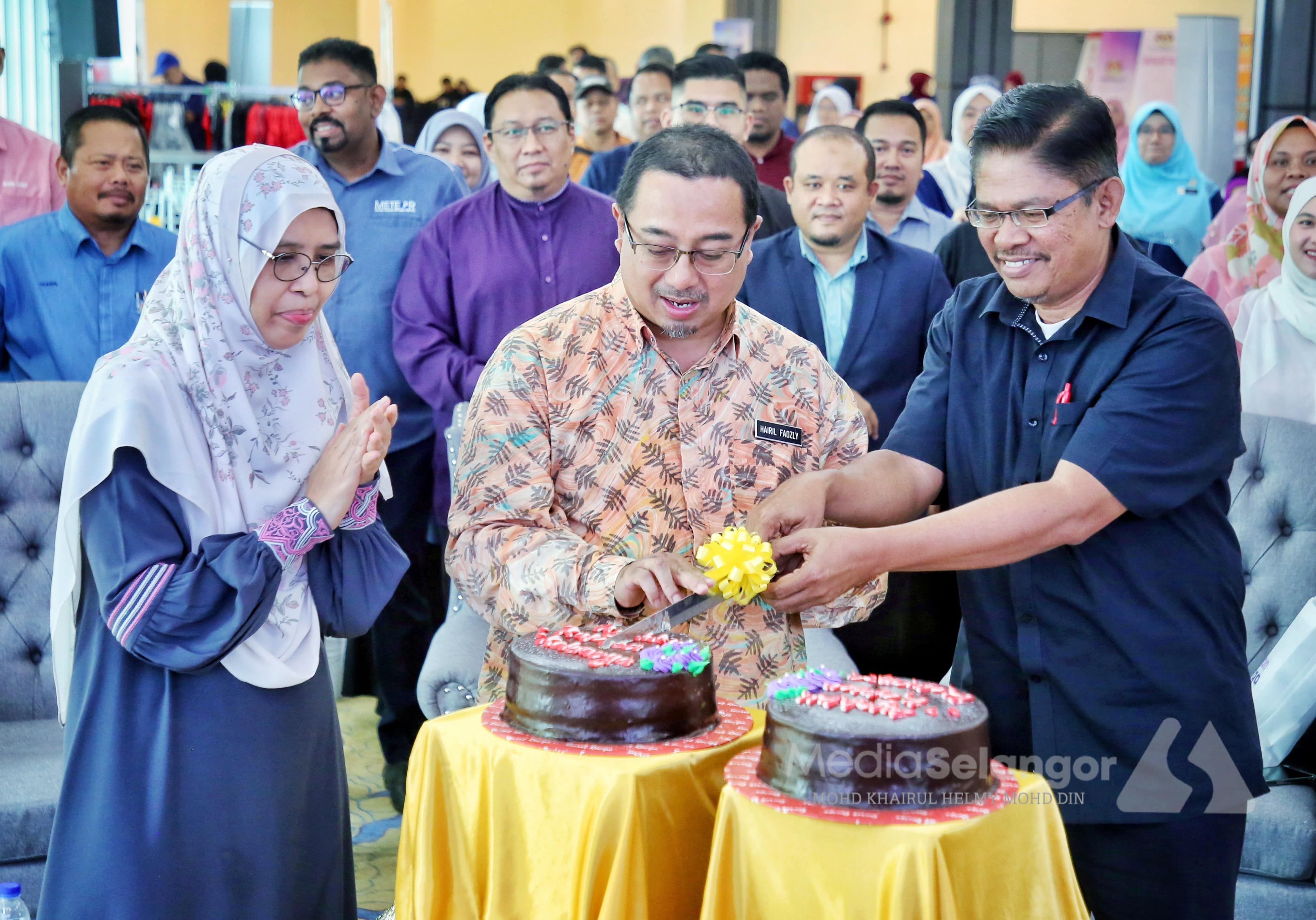
This is reflected in the state’s efforts under the National Family Month celebration last month, where Selangor introduced a theme highlighting men’s roles within the family.
“We introduced a theme focusing on the role of men in the family, including how they should navigate societal expectations while serving as the pillar of the household, both as a loving father and supportive husband,” she said.
Anfaal added that the event featured the year-long anti-gender-based violence (GBV) campaign conducted by Wanita Berdaya Selangor (WBS), which addresses domestic violence involving all genders.
“The campaign was conducted on social media as well as in all 56 state constituencies, in collaboration with JKM.
“It includes identifying domestic violence, encouraging victims of domestic violence to come forward through proper and safe channels, as well as avenues of support for victims,” she said.
Family support programmes
At the federal level, the National Population and Family Development Board (LPPKN), via KPWKM, is actively implementing the ‘Lelaki Budiman Negara’ programme to strengthen family institutions and enhance human capital development.
The initiative, aligned with the 13th Malaysia Plan (13MP), focuses on developing and implementing an education module to empower men to be responsible husbands, fathers, and members of society.
The ministry has also established a Committee to Combat Domestic Violence (JKRT), which serves as the main coordinating and monitoring platform for efforts and matters related to domestic violence.
Additionally, through the National Welfare Foundation (YKN), KPWKM has established a Local Social Support Centre (PSSS) to provide holistic psychosocial support, including guidance and counselling services, as well as referrals for welfare assistance to help communities in need.
Its operations are carried out regularly on the premises and on a mobile basis to ensure that community welfare services are fully optimised.
The ministry is also working with NGOs to run community awareness campaigns on shared parenting and provide psychosocial support through the 15999 hotline. Alternatively, the Health Ministry has the anonymous, confidential Talian Heal 15555 helpline for psychosocial support.
Limited support for male victims
While legal protection, hotlines, and counselling exist for male victims of domestic abuse, Dr Muhammad Hanif Abd Latif, Universiti Kebangsaan Malaysia’s Faculty of Medicine lecturer and Hospital Canselor Tuanku Muhriz (HCTM) psychiatrist, said support remains limited and less visible compared with services for women.
Hanif said shelters and secure accommodation for men remain limited, with most facilities prioritising women and children.
As a result, many male survivors rely on friends or family, general-purpose shelters, or short-term housing arranged by welfare authorities.
He said male-centric outreach, including peer support groups and drop-in centres, is minimal, which can make isolation worse and discourage men from seeking help.
To make services more accessible, Hanif said deliberate adjustments are needed, including by destigmatising male victimhood, and that agencies should provide male-friendly services, train frontliners to be sensitive to male concerns, and ensure confidentiality to ease fears of embarrassment.
“Campaigns and psychoeducation should highlight that domestic violence is not just a women’s issue and that suffering knows no gender.
“Practically, outreach materials and media stories must include male victims’ experiences, sending the message that it’s okay for men to seek help. This can reduce shame and reassure men that they will be believed,” Dr Hanif said.