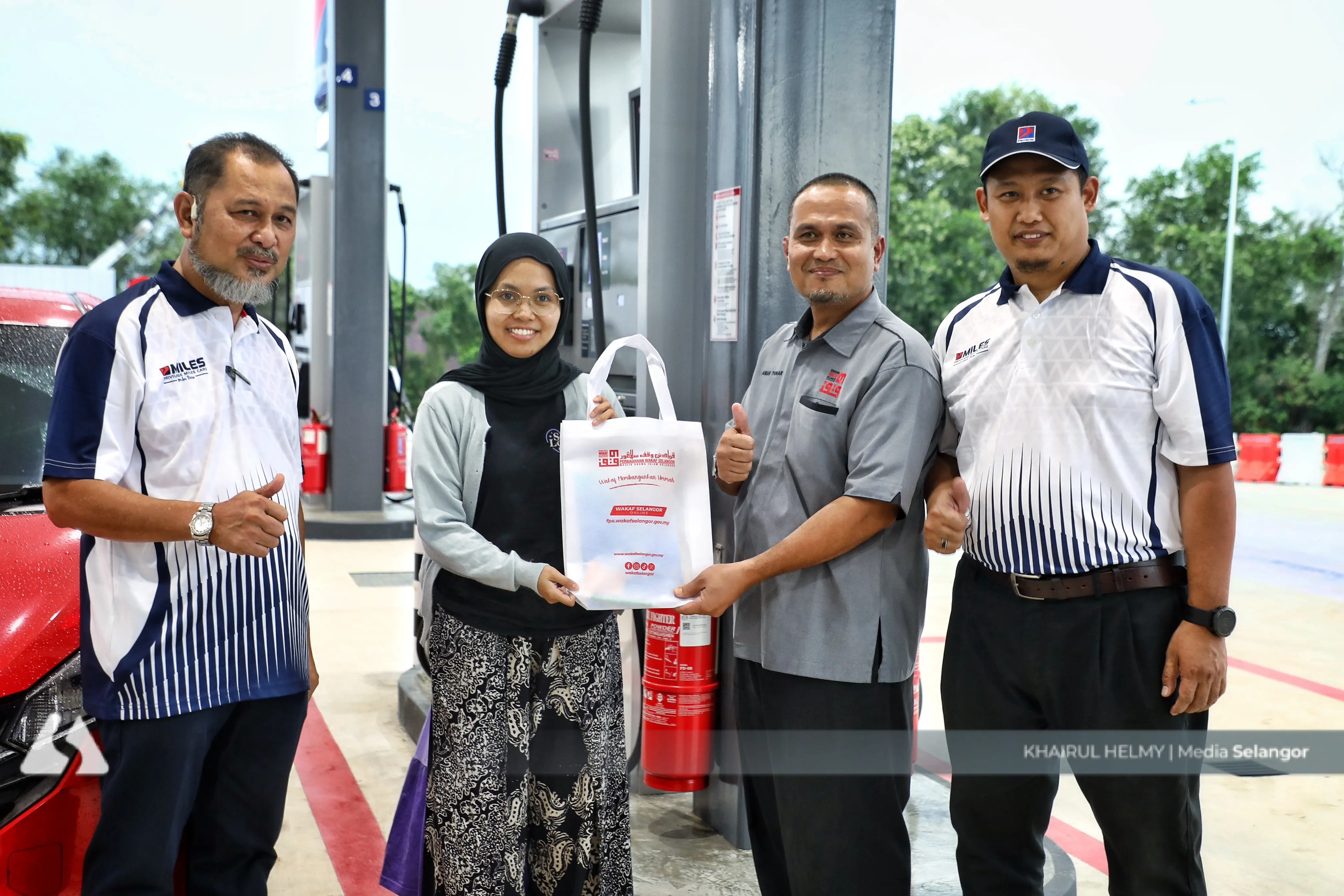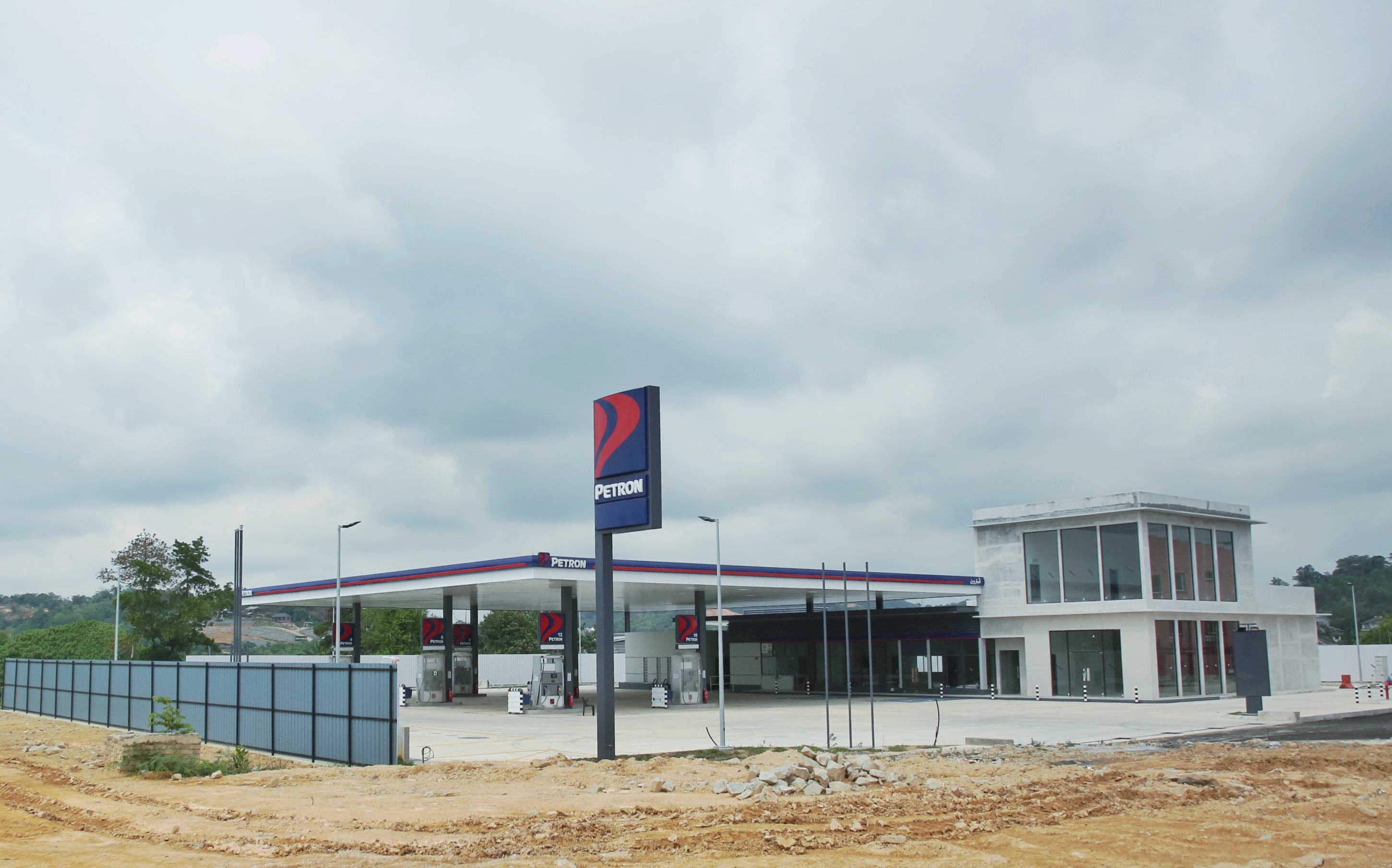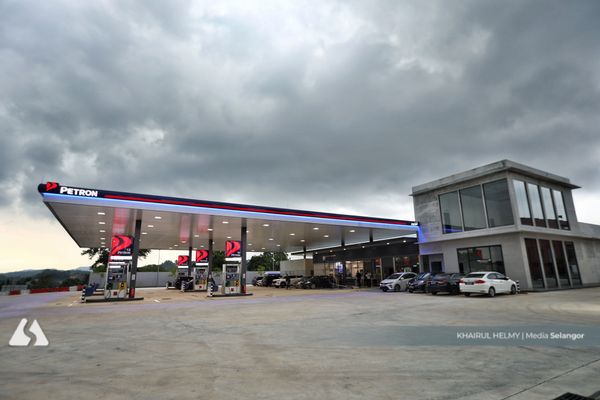
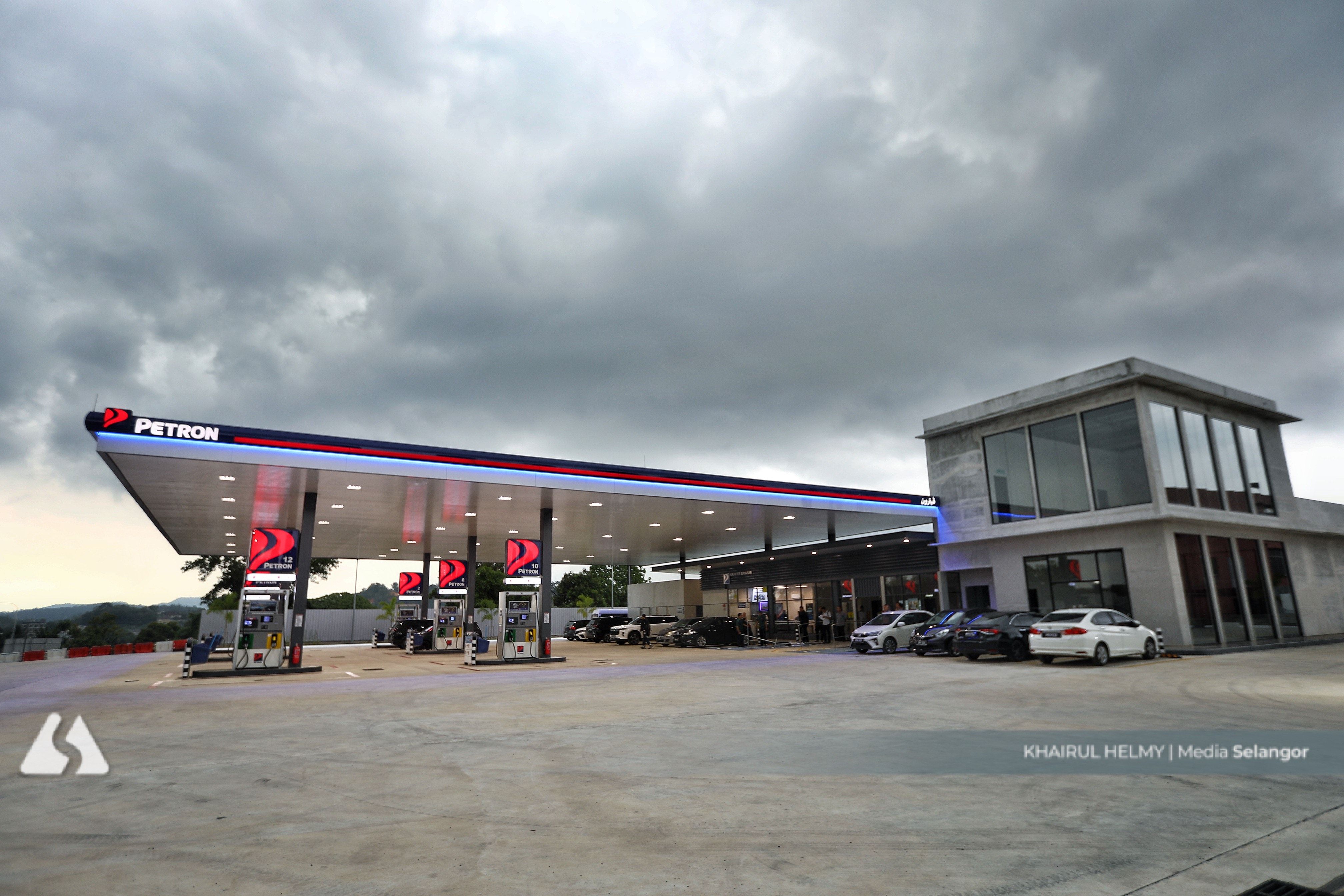
KAJANG, Dec 30 — The nation's first wakaf-based petrol station, complete with a two-storey fast-food restaurant, has begun operations in Sungai Merab, Bangi, marking a new milestone in the development of Islamic economics based on wakafs (Islamic endowments).
The pilot project was realised by the Selangor Wakaf Corporation (PWS) on wakaf land owned by the Selangor Islamic Religious Council (Mais).
PWS chief executive officer Anuar Hamzah Tohar said the development of the petrol station aims to benefit the local community and strengthen Islamic economics in the state.
“This is the first petrol station developed on waqf land, and it is open to both Muslims and non-Muslims,” he said during a media conference at the station today.
The station's operations enable the wakaf concept to be implemented in practice through the community's daily activities.
“Every time people refuel here, they are indirectly contributing to the strengthening of the Islamic economy,” Anuar said.
He added that the facility benefits residents in the surrounding areas of Sungai Ramal Luar, Kajang, and Bangi, and also generates ongoing returns from the development of wakaf land.
The proceeds from its operations will be channelled to Masjid Sungai Ramal Luar.
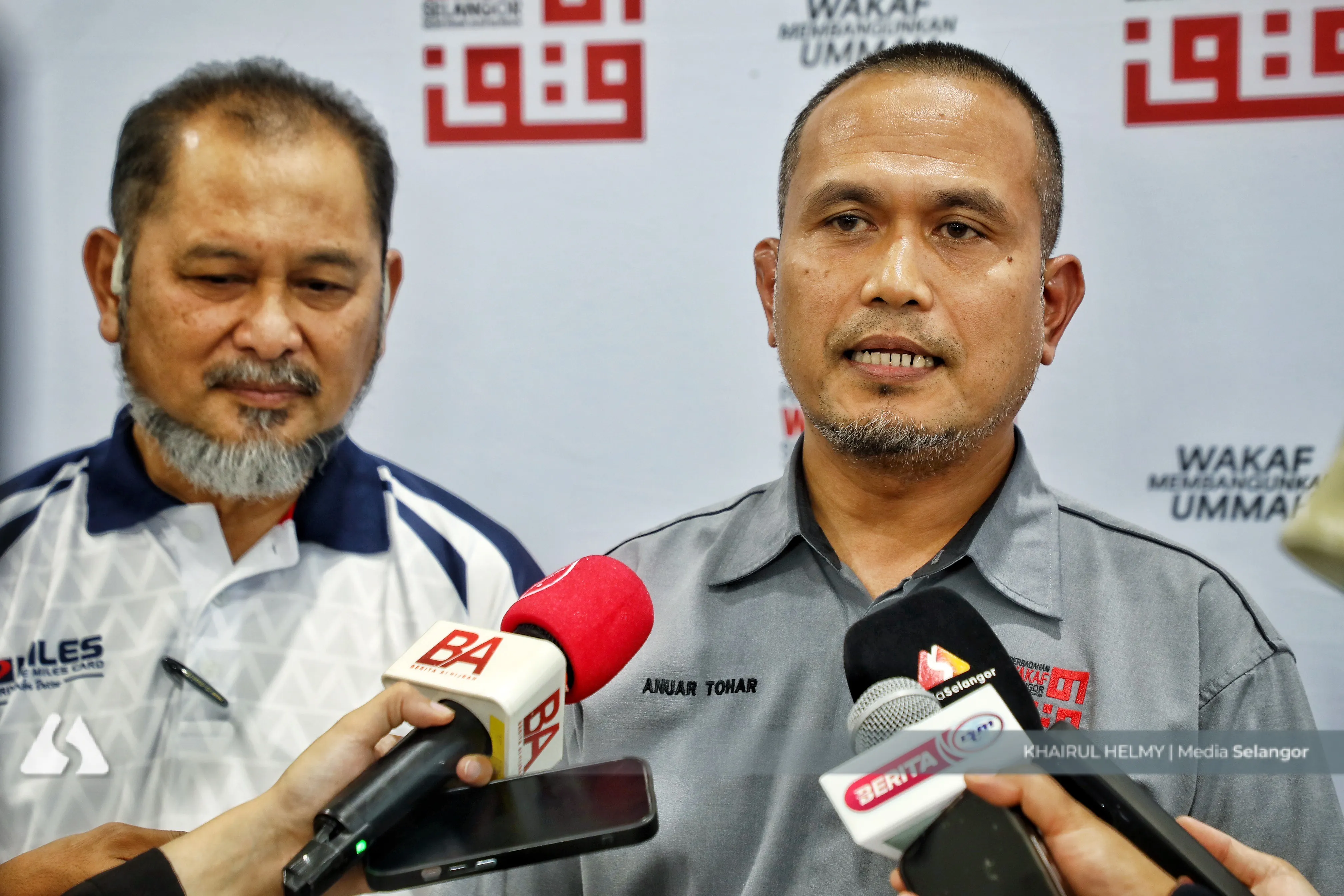
“InsyaAllah (God willing), 50 per cent of the proceeds will be distributed, depending on sales volume, in line with the original intention of the wakaf donor,” Anuar said.
Alongside the petrol station, the wakaf land is also planned for other commercial developments that will benefit the local community.
“This wakaf land covers an area of four acres, with about 1.25 acres used for this petrol station, while the remainder is planned for other developments,” he said.
In a related development, PWS plans to build three more wakaf petrol stations at several other locations in Selangor over the next one to two years.
“Among the locations that have already been identified are Johan Setia and Jalan Kebun in Klang, as well as Jalan Reko in Kajang,” Anuar said.
The development cost of this station was approximately RM9 million and was fully financed with wakaf funds, with Petron as the strategic partner.
“Our main objective is to ensure that returns from wakaf land are channelled back to the beneficiaries,” he said.