

SHAH ALAM, Dec 31 — The state government will impose an accommodation sustainability fee on visitors staying in hotels and homestays starting in January next year.
The revenue collected will be channelled towards upgrading tourism infrastructure, maintaining the environment, and promoting greening and sustainable development initiatives.
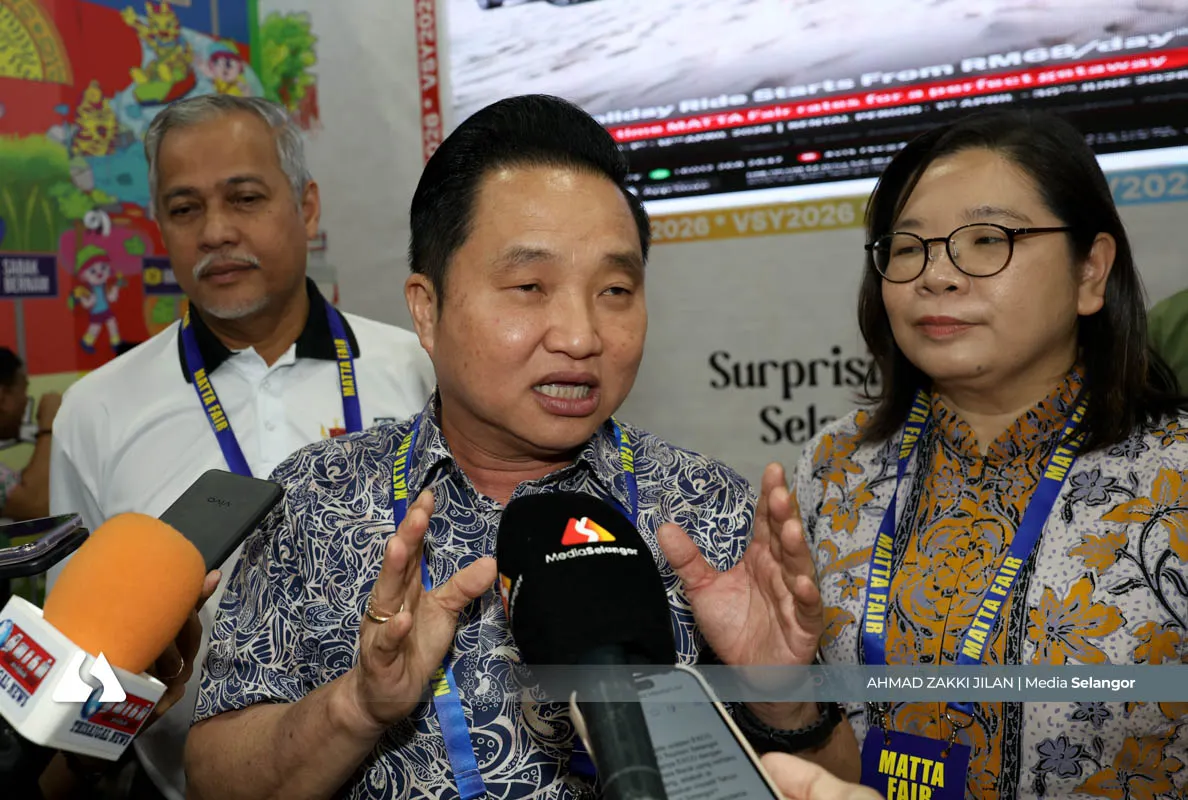
State executive councillor for local government, tourism and New Village development Dato' Ng Suee Lim said that since Melaka and Penang have already implemented heritage taxes, while states like Pahang, Langkawi in Kedah, Perak, and Negeri Sembilan have also gradually introduced similar charges, Selangor — as a key economic and tourism hub in the country — must keep pace by adopting comparable policies.
Before the decision was made, the state government had engaged in extensive consultations and dialogues with tourism industry players.
While it was difficult to achieve complete satisfaction among all parties, given that similar measures are already in place in multiple states, the industry generally understands and accepts the necessity of introducing the accommodation sustainability fee.
“Selangor receives a large number of domestic and international tourists every year. As the locomotive of national economic development, we must ensure that while promoting tourism, our development direction adheres to the principles of sustainability," he said in an exclusive interview with Media Selangor recently.
Ng added that, after approximately one year of research and evaluation, they decided to implement the accommodation sustainability fee effective January 1, 2026, covering hotels, homestays, and Airbnb properties.
Under the proposed fee structure, the preliminary rates are: RM7 per night for five-star hotels, RM5 for three-star hotels and below, RM3 for unstarred hotels, and RM2 for Airbnb properties and homestays.
He emphasised that the measure is not intended to increase the financial burden on any party, but rather to educate visitors to stand together with the government in contributing towards Selangor’s sustainable development, including the protection of the natural environment and ecosystems.
“In terms of implementation, the accommodation sustainability fee will be collected by hotels and homestays on behalf of the authorities and remitted to the respective local councils.
"A small portion will then be transferred by the local authorities to the state government, to be managed and utilised centrally through a foundation established by a special committee," Ng said.
The state government also plans to adopt a three-year observation and evaluation period. Only after the system has matured and stabilised will it consider, based on actual needs, whether to extend the fee to other sectors like theme parks or eco-tourism attractions.
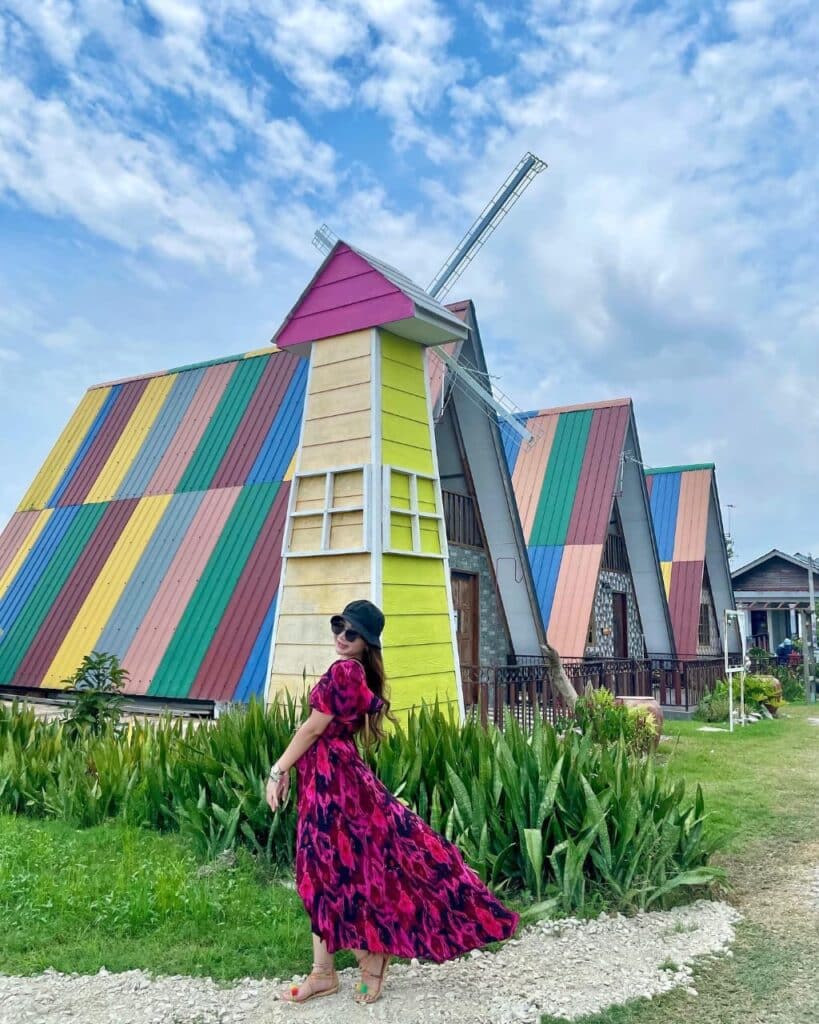
Homestay regularisation programme to support legal and safe operations
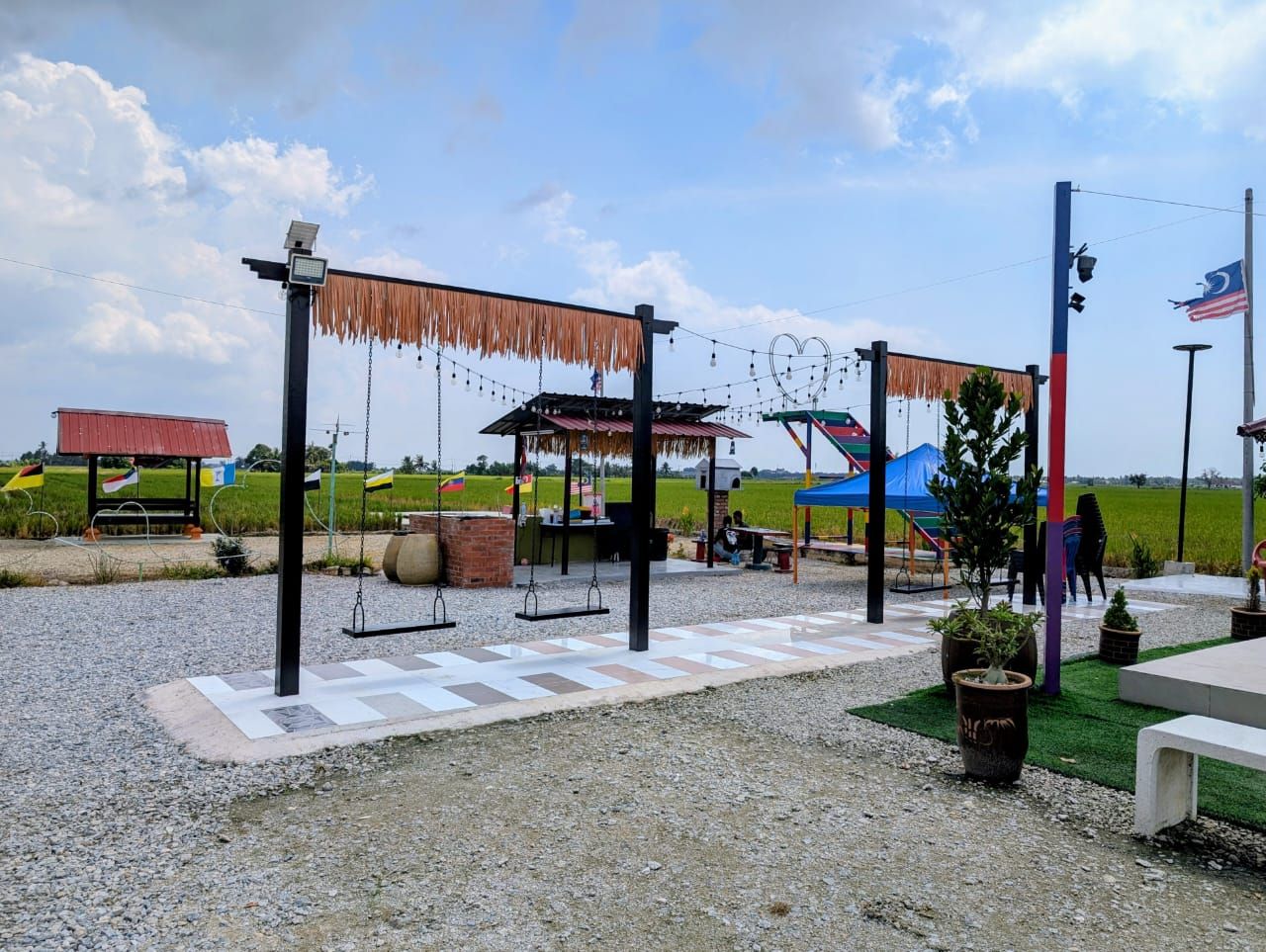
Meanwhile, the Homestay Regularisation Programme, first rolled out in the Sabak Bernam district, is still underway and will be gradually extended to the Tanjong Karang area.
The councillor said that preliminary surveys have revealed 140 homestays in Sabak Bernam are currently undergoing the regularisation process, with another 112 in Tanjong Karang set to follow.
Most homestays in Sabak Bernam are small-scale operations, many of which have not yet completed formal registration, while some locations and operating conditions still require improvement.
Through the regularisation programme, the state government hopes to obtain a more systematic and comprehensive overview of the number and current status of homestays across Selangor.
He said that temporary licences have been issued to homestay operators participating in the programme, allowing them to operate legally once they have completed the necessary insurance coverage.
“We estimate that the regularisation work in Sabak Bernam will take at least six months. After completing the northern corridor, it will be gradually extended to the southern corridor, ultimately covering the whole of Selangor," Ng said.
The purpose of the homestay regularisation programme is to help operators standardise their operations rather than to suppress the industry, and he urged the public not to misunderstand the initiative.
"The licence fees charged are reasonable and affordable. Any homestay that meets the requirements will be issued a permit by the Tourism, Arts, and Culture Ministry (Motac), enabling operators to run their businesses on a legal and safe basis," Ng said.
In the event of accidents or incidents involving homestays, responsibility ultimately falls to the local authorities and the state government. As such, he hopes operators will actively cooperate with the policy to jointly safeguard the safety and order of Selangor’s tourism environment.