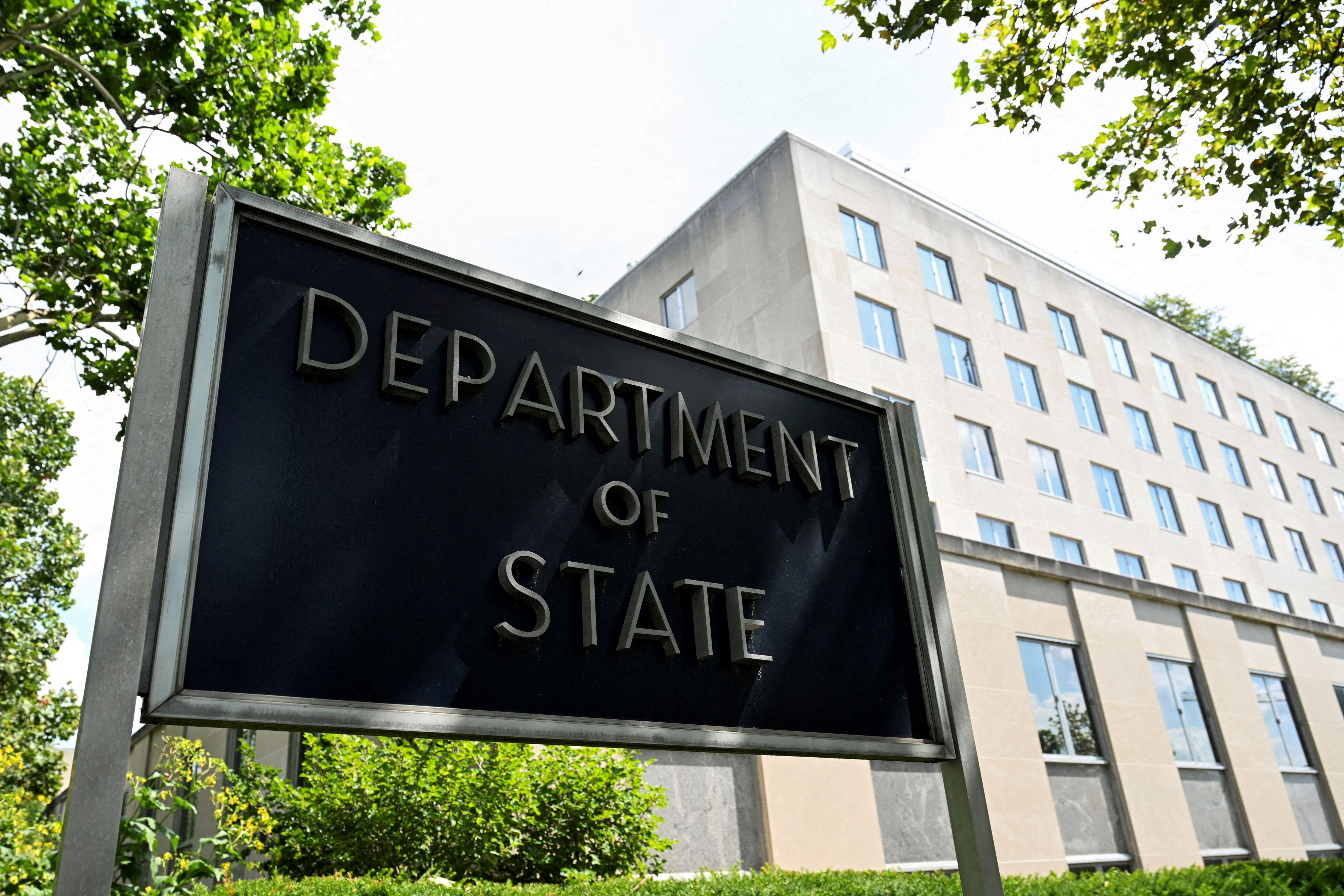
WASHINGTON, Dec 30 — The United States yesterday pledged US$2 billion (RM8.1 billion) in aid to tens of millions of people facing hunger and disease in more than a dozen countries next year, part of what it said is a new mechanism for the delivery of life-saving assistance following major foreign aid cuts by the Trump administration.
The US slashed its aid spending this year, and leading Western donors such as Germany also pared back assistance as they pivoted to increased defence spending, triggering a severe funding crunch for the United Nations.
The billions of dollars in assistance pledged by Washington yesterday will be overseen by the UN Office for the Coordination of Humanitarian Affairs (OCHA), the State Department said, under what it described as new model of assistance agreed with the UN that aims to make aid funding and delivery more efficient and increase accountability for the spending of funds.
UN data shows total US humanitarian contributions to the UN fell to about US$3.38 billion this year, equating to about 14.8 per cent of the global sum. This was down sharply from US$14.1 billion the prior year, and a peak of US$17.2 billion in 2022.
The US and the UN will sign 17 memorandums of understanding with individual countries identified by the US as priority countries, officials from the State Department and UN said in Geneva.
But some areas that are priorities for the UN, including Yemen, Afghanistan and Palestine’s Gaza, will not be receiving US funding under the new mechanism, UN aid chief Tom Fletcher said, adding that the UN will seek support from other donors for those areas.
State Department foreign assistance, humanitarian affairs and religious freedom undersecretary Jeremy Lewin said more countries would be added as more money is contributed to the mechanism.
“These are some countries where I think our interests overlap ... but over time, we will thoughtfully add additional countries,” Lewin said.
Gaza to be handled on separate track
A UN spokesperson said Ukraine, the Democratic Republic of Congo, Nigeria, and Sudan are among the countries covered in yesterday’s package.
But Gaza — where aid agencies have repeatedly said far more aid needs to get into the small, crowded enclave — was not covered in yesterday’s announcement and will instead be handled on a separate track, Lewin said.
He said that the US had approved over US$300 million after the Trump administration helped broker a Gaza ceasefire “to give pipeline to the UN agencies”, adding that the US will be working to get additional donors for a pooled mechanism under a separate track for Gaza under phase two of the deal.
Fletcher said that donors would have “specific requirements” around which countries and what type of work should be funded.
“But the humanitarian action at the other end of that must always be neutral and impartial and independent, and nothing in the work that we’re doing together here in this partnership undermines those principles,” he said.
Lewin said the focus of the funding is on life-saving aid, while funding for climate-related and other projects that are not a priority for the administration would be cut out.
Earlier this month, the UN launched a 2026 aid appeal for US$23 billion to reach 87 million people at risk — half the US$47 billion sought for this year, reflecting plunging donor support despite record global needs.
Fletcher acknowledged it had been a tough year for the UN, following a slew of cuts while humanitarian crises in war-torn countries such as Sudan surged, but said he is optimistic following the US pledge.
“Millions of lives will be saved across 17 countries,” said Fletcher.