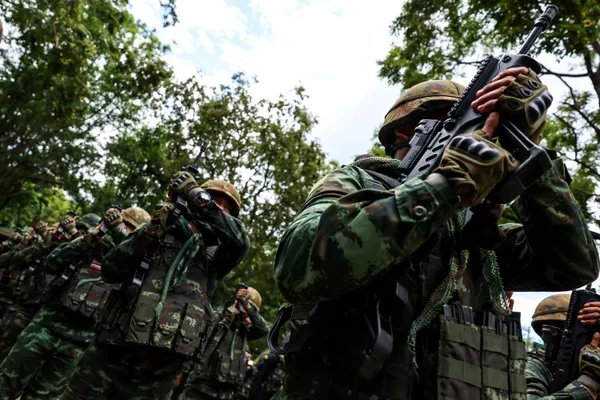
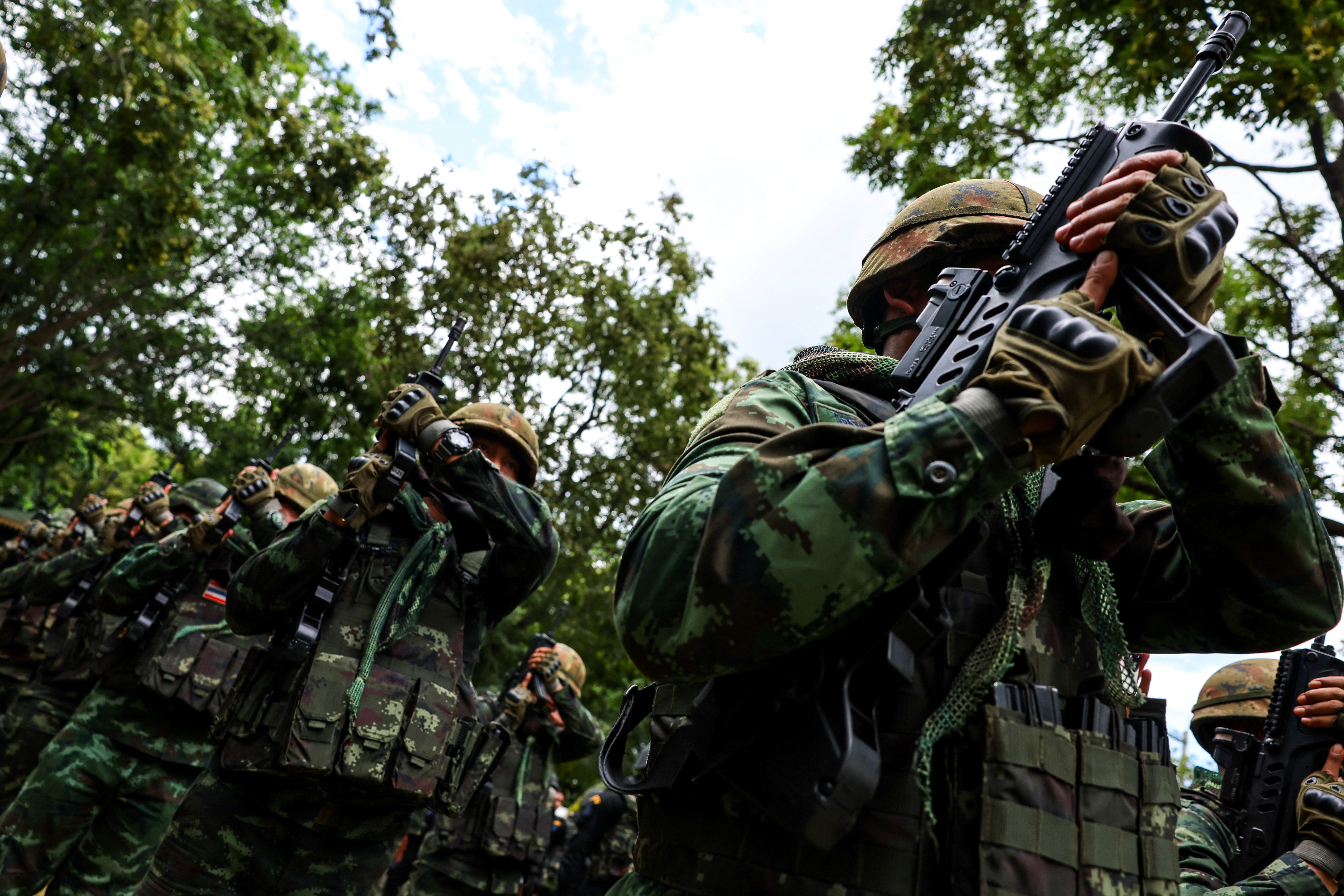
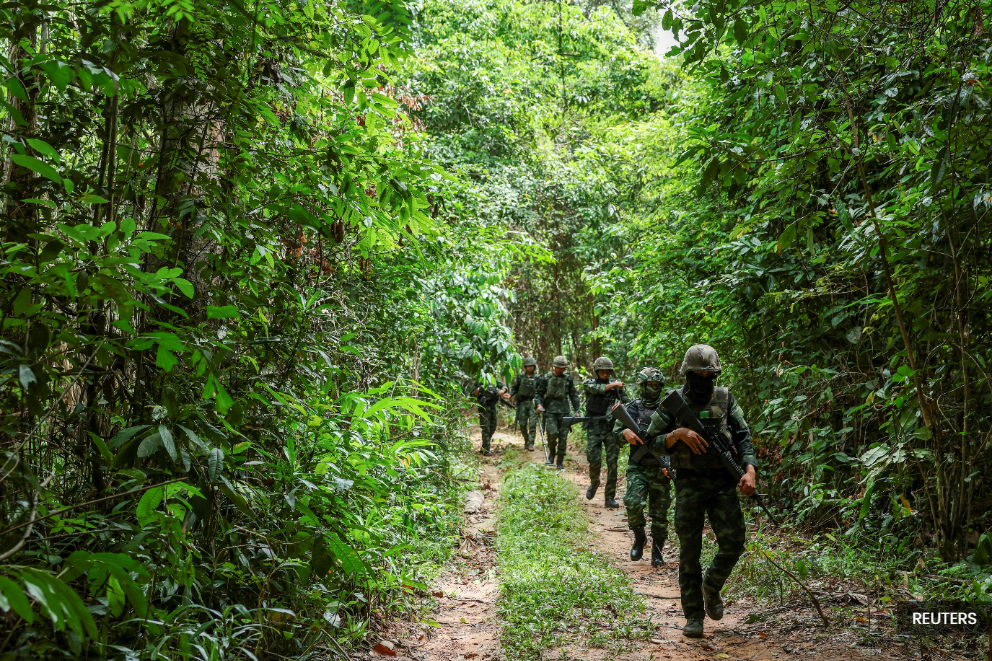

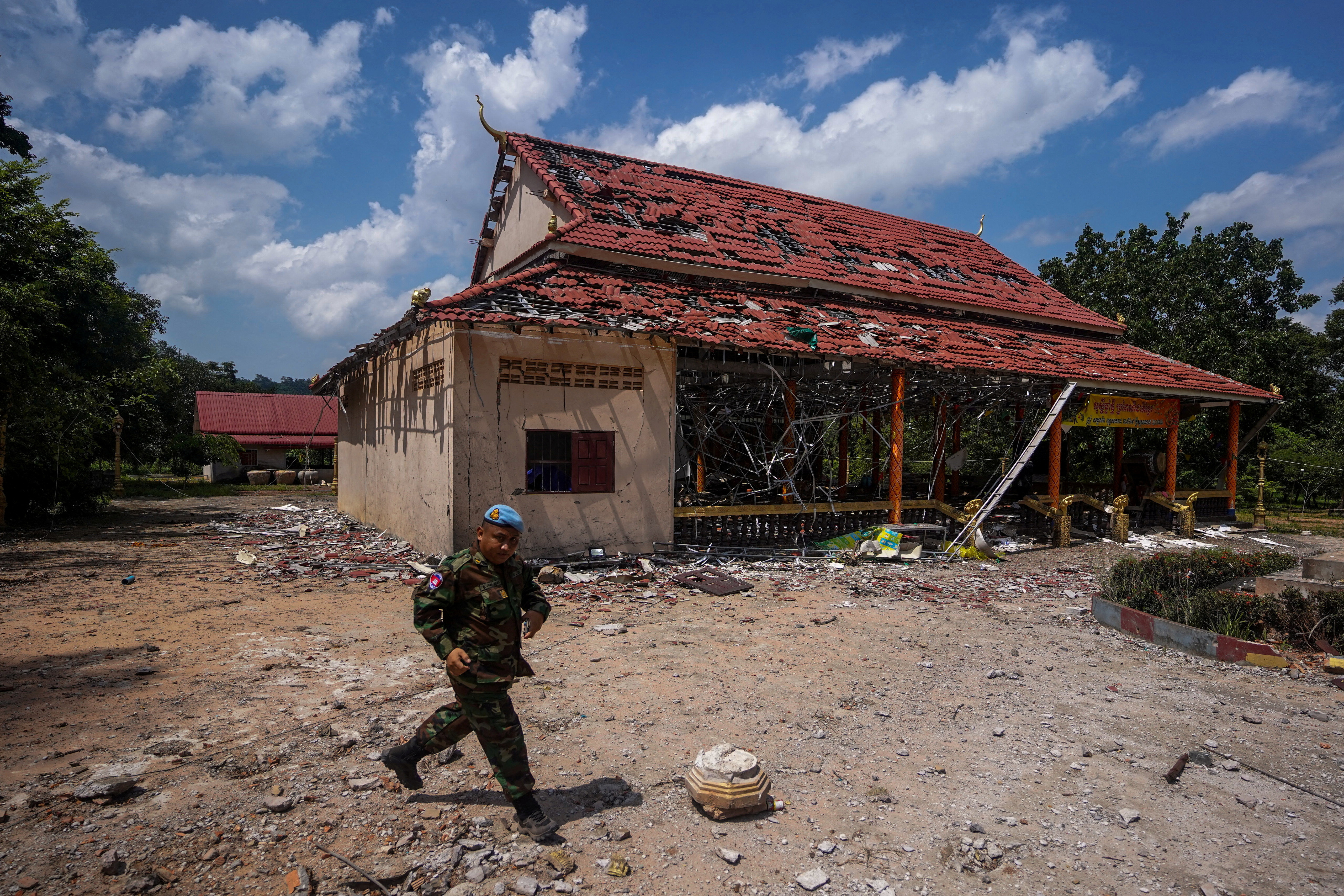
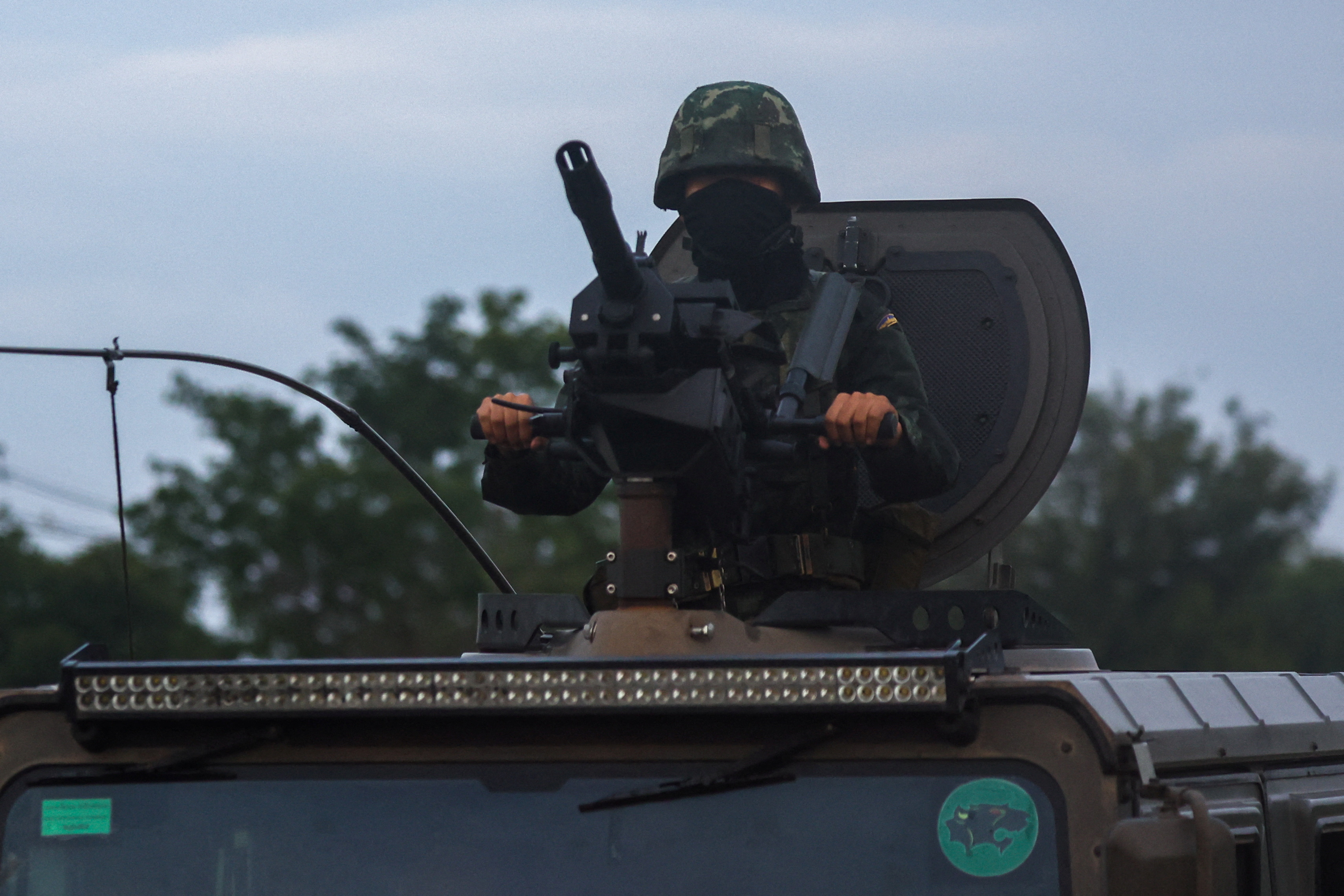
BANGKOK, Dec 27 — The Thai government has reiterated that a ceasefire agreed with Cambodia along their shared border provides an opportunity to address the situation through peaceful and diplomatic channels.
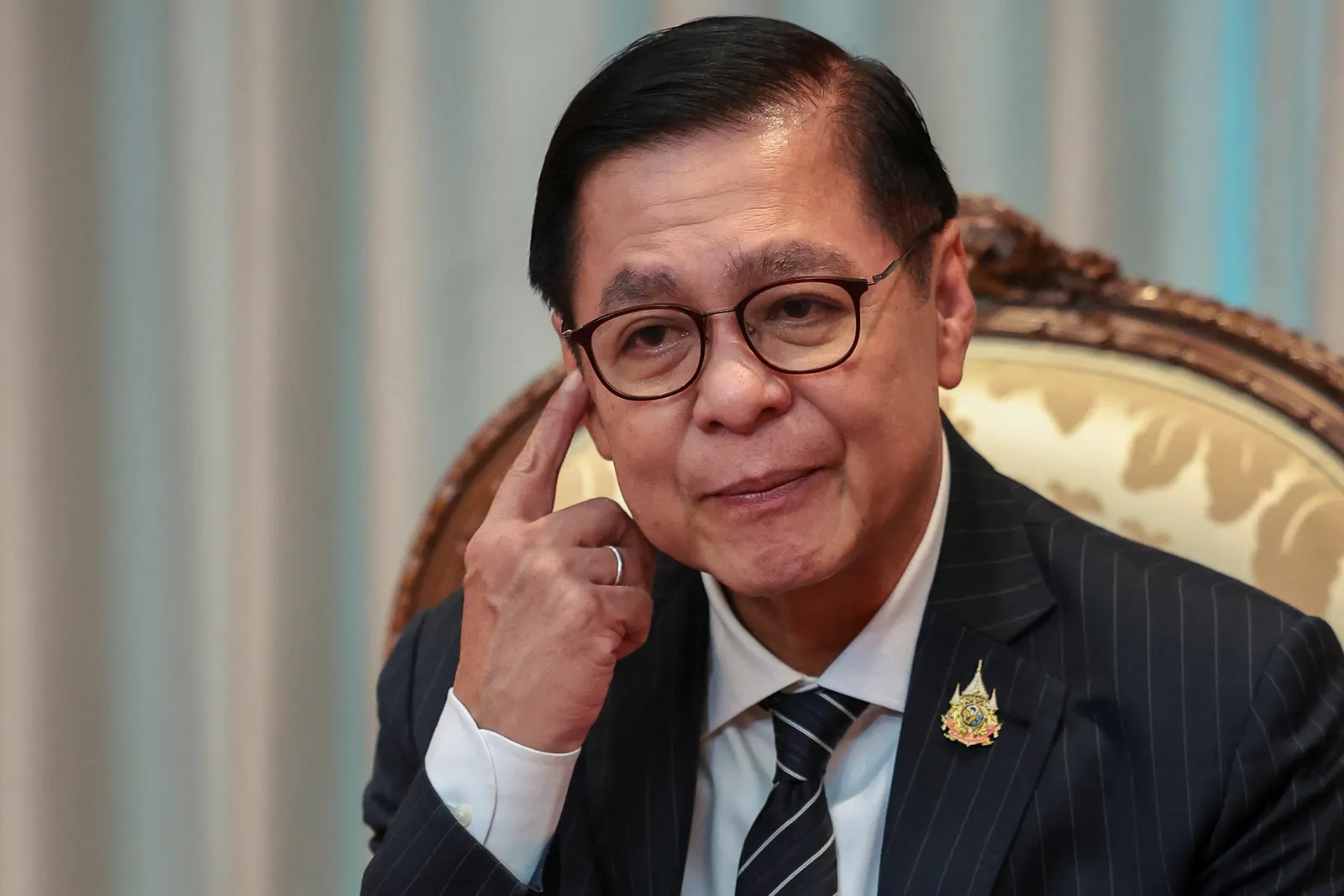
Thai Defence Minister Gen (Rtd) Nattaphon Narkphanit said Thailand and Cambodia agreed to an immediate ceasefire, with the situation to be monitored over 72 hours.
If no further incidents occur, the two sides will proceed with discussions on detailed follow-up measures.
“The government and the armed forces will closely monitor the situation at every stage, based on facts, while firmly upholding national sovereignty, dignity, public safety, and the normal, peaceful lives of the people,” he told the media today.
Earlier, Bangkok and Phnom Penh agreed to an immediate ceasefire, effective at 12pm (local time), to end all border hostilities and halt the conflict that reignited on December 7.
The document was signed by Gen Narkphanit as the Thai Co-Chairman of the General Border Committee (GBC), and Cambodian Deputy Prime Minister cum National Defence Minister and Cambodian GBC Co-Chairman General Tea Seiha.
The signing took place during the 3rd Special General Border Committee (GBC) Meeting in Prum, Pailin province, Cambodia, and at Ban Pak Kard, Chanthaburi province, Thailand.
Under the Joint Statement, in the spirit of the Kuala Lumpur Joint Declaration on October 26, the 18 Cambodian soldiers currently held in Thailand will be returned to Cambodia after the ceasefire has been fully observed for 72 hours.
Both nations also agreed on several key issues, including ensuring the safety of joint survey teams on the ground, particularly regarding landmines.
To ensure effective implementation, both sides agreed to utilise the Cambodia-Thailand and Thailand-Cambodia Border Coordination Units to sustain the ceasefire, manage the situation on the ground, address incidents promptly, and prevent miscalculations, under the observation and verification of the Asean Observer Team (AOT).
Both sides will maintain regular and direct lines of communication between their defence ministers and chiefs of defence forces to enable prompt responses to urgent situations that cannot be addressed at the local level. If required, high-level representatives from both sides will meet to resolve on-the-ground issues effectively.