KUALA LUMPUR, Dec 23 — Electrification, data centre expansion, and shifts in transportation are reshaping energy demand across Asia-Pacific economies, with electricity consumption projected to rise by up to 96 per cent by 2060, according to the Asia-Pacific Economic Cooperation’s (APEC) Energy Demand and Supply Outlook report.
In the report, APEC said it expects electricity generation to rise from 18,971TWh in 2022 to 32,690TWh under current policies, reflecting a structural move from direct fossil fuel use towards electricity across transport, buildings and parts of industry.
Asia-Pacific Energy Research Centre (APERC) chairman and president Kazutomo Irie said the outlook supports member economies in navigating the evolving energy landscape by identifying key challenges and opportunities in the energy sector.
“The outlook projects the impact of current energy trends and policies on each economy’s fuel mix, energy goals and carbon dioxide emissions.
"It delivers timely insights into the energy trilemma as economies strive to balance energy security, affordability and sustainability,” he said in a statement.
Meanwhile, APEC said that by 2060, electric vehicles would account for 60 per cent of vehicles under current policies and 96 per cent if economies meet stated targets, sharply reducing oil consumption while increasing electricity demand.
In buildings, electricity demand would continue to rise, driven largely by the rapid expansion of data centres and artificial intelligence (AI) workloads, even as efficiency gains slow growth in other forms of energy use.
“On the supply side, renewables account for a growing share of electricity generation, rising from 26 per cent in 2022 to 55 per cent by 2060 under current policies and 64 per cent after economies meet stated targets.
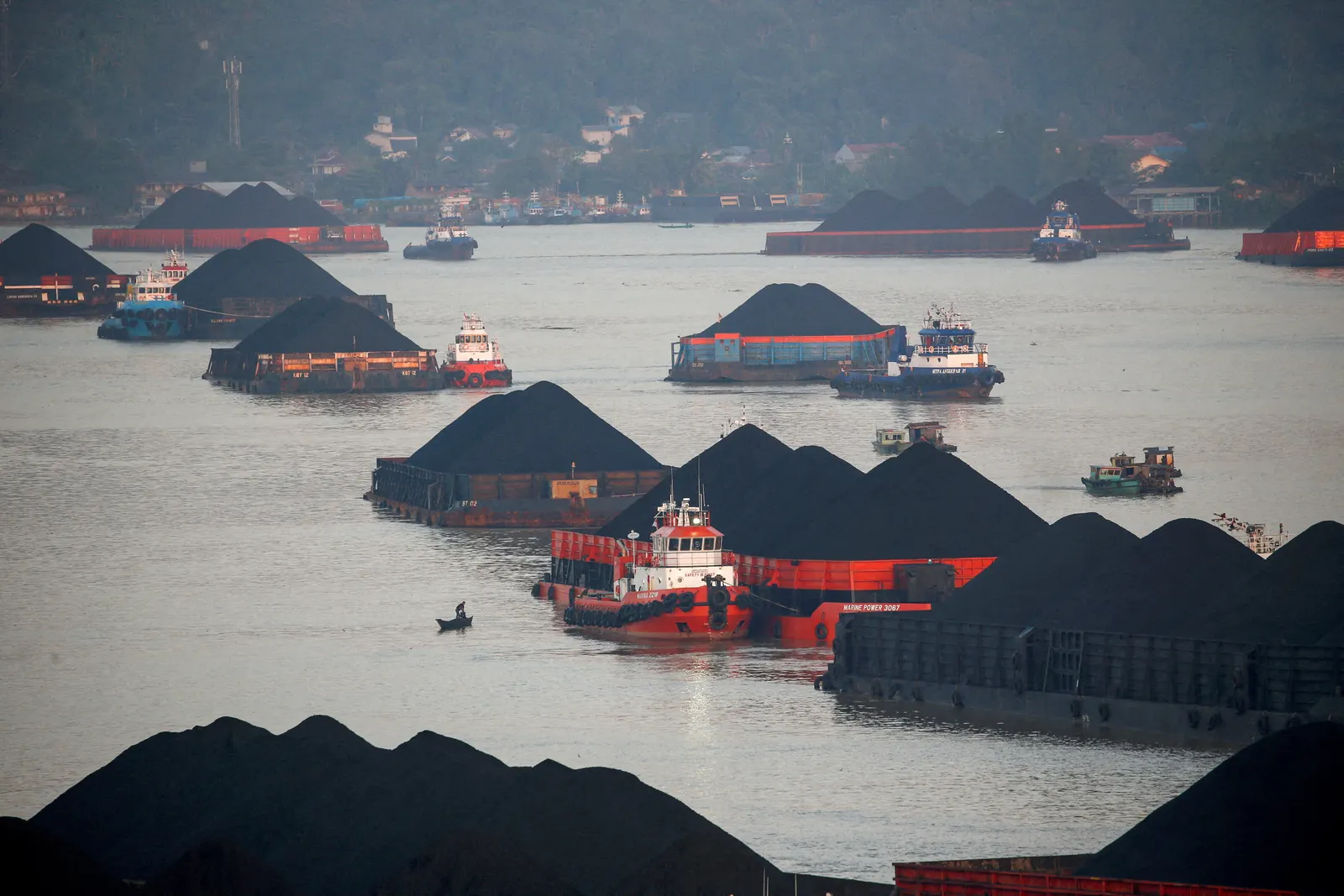
“Coal use continues to decline, with coal and coal-product supply falling 56 per cent by 2060 under current policies and 74 per cent if targets are met, while natural gas supply rises 58 per cent under current policies, highlighting its continued role unless stronger emissions reductions are pursued,” said APEC.
APERC estimates cumulative spending of US$57 trillion in the power and hydrogen sectors between 2025 and 2060 in the current policies, rising to US$91 trillion if economies pursue full emissions-reduction targets.
While reduced fossil fuel use generates US$5.4 trillion in savings, these are outweighed by the US$57 trillion to US$91 trillion in power-sector investment needed for renewable generation, grids, storage, hydrogen infrastructure and backup capacity.
“The outlook suggests policy choices made over the next decade will have outsized effects on investment flows, energy prices and supply security across the region.
“As electricity demand rises faster than overall energy use, economies face narrowing windows to expand grids, deploy low-carbon technologies and manage the transition without increasing volatility or cost pressures,” said APEC.