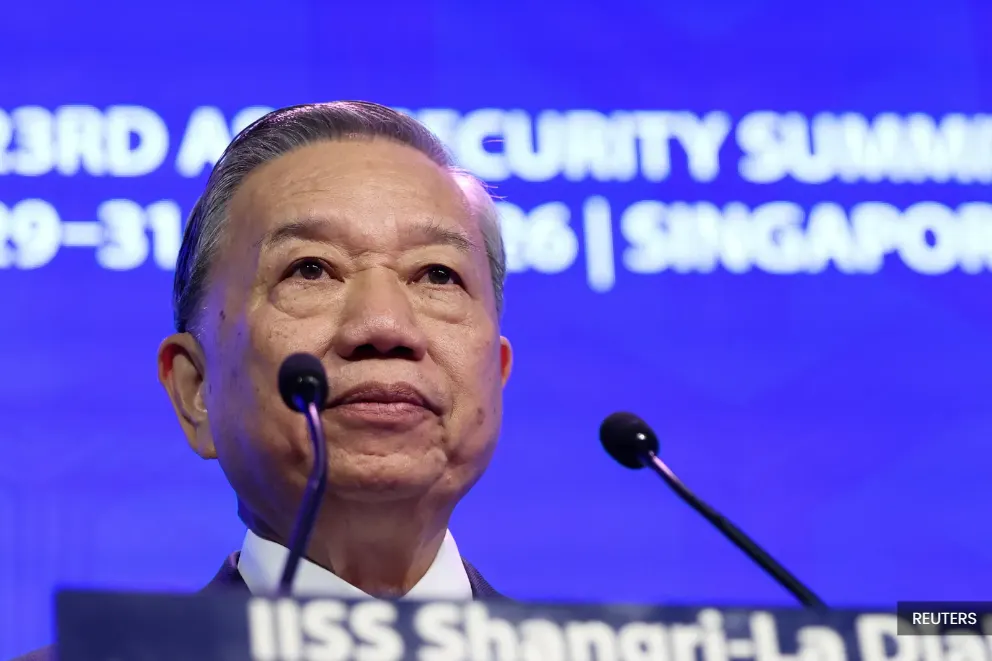
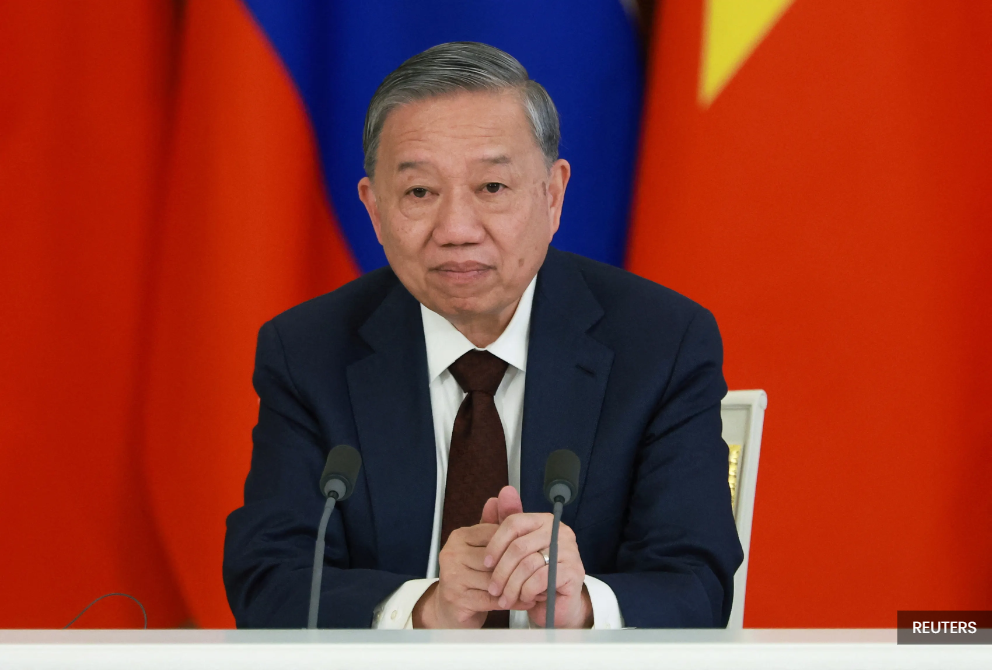
HANOI, Dec 23 — Senior officials of Vietnam's ruling Communist Party concluded a two-day plenum in Hanoi today, finalising decisions on candidates for the country's next top leadership, said party chief Tô Lâm, without releasing any names.
He is viewed as the leading contender to keep the country's most powerful post, but in line with standard practices in the secretive nation, announcements are expected only at the five-yearly party congress scheduled for January 19 to January 25.
In Lâm's closing speech published on the party's website, he said that delegates "voted with a high level of support" for nominees to key positions.
He added that officials agreed to continue public administration reforms and accelerate infrastructure expansion, policies he championed during his initial, brief term as party chief.
The announcement, alongside speculation about Lâm's confirmation, propelled Vietnam's stock market to within a hair of a new high this morning, as investors cheered political stability.
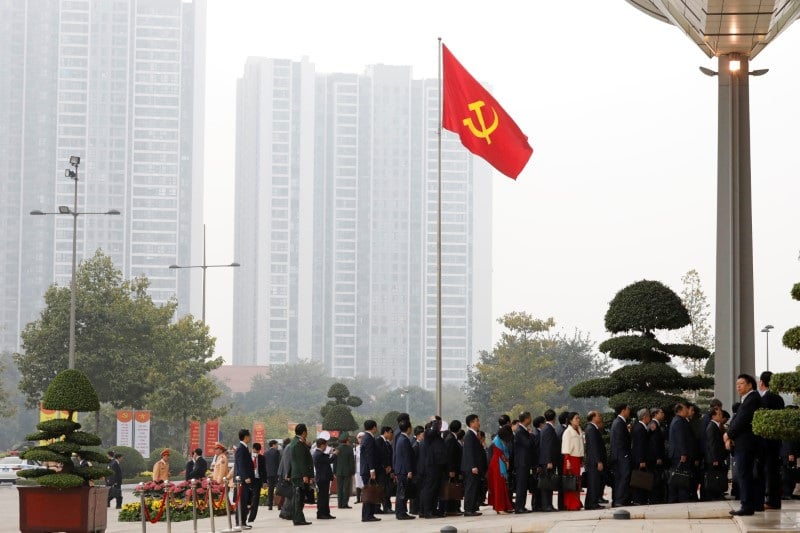
Lâm seeks new term
Since succeeding the late Nguyễn Phú Trọng in July 2024, after serving as head of the powerful Security Ministry for years, he has led sweeping administrative and economic changes that have drawn both strong support and criticism.
While outcomes remain uncertain, the rapid pace has underscored Lâm's assertive style and signalled to internal rivals and foreign investors that he intended to push ahead with an ambitious agenda.
His reappointment was taken for granted at the start of this year, with many officials speculating he may also try to merge his post with the state presidency, following in the footsteps of China's Xi Jinping.
However, lacklustre results from trade talks with the United States, which imposed 20 per cent tariffs on Vietnam in August despite multiple earlier concessions from Hanoi, may have tempered that ambition, for now.
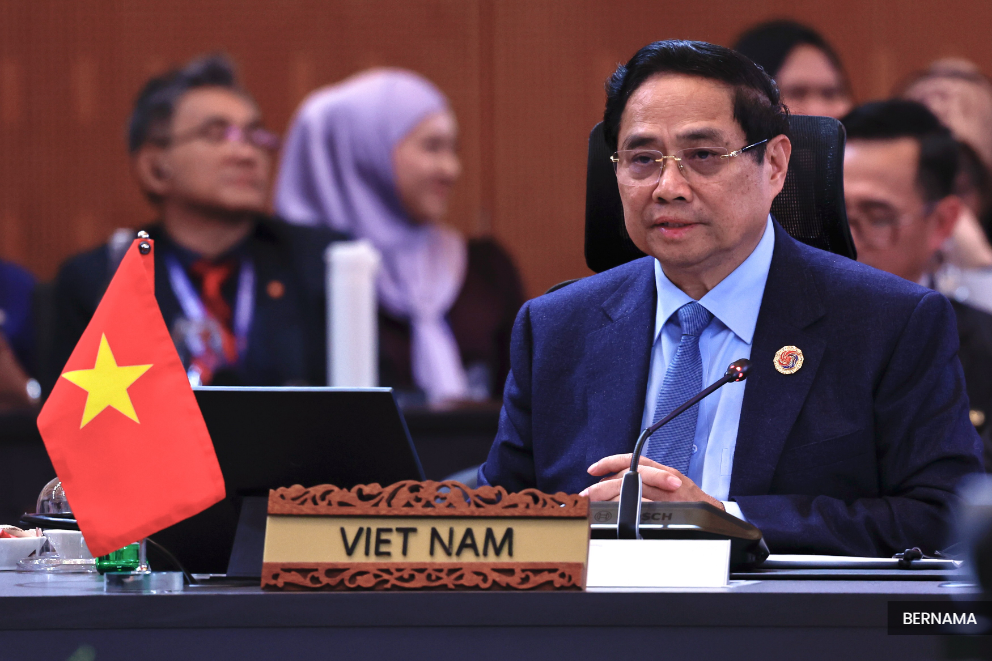
Scramble for top jobs
Speculation intensified in Hanoi today as officials, diplomats, and citizens debated potential leadership combinations, often citing social media chatter.
The posts in play span the so‑called five pillars: General-Secretary, President, Prime Minister, Parliament Chair, and the newly upgraded Standing Member of the party's Secretariat.
Although age limits exist, exemptions have been granted in the past.
Two main factions are seen dominating: one aligned with Lâm and the Public Security Ministry; the other tied to the military and its corporate network, including telecom and defence giant Viettel.
A list that excludes defence figures from top roles would be a surprise.
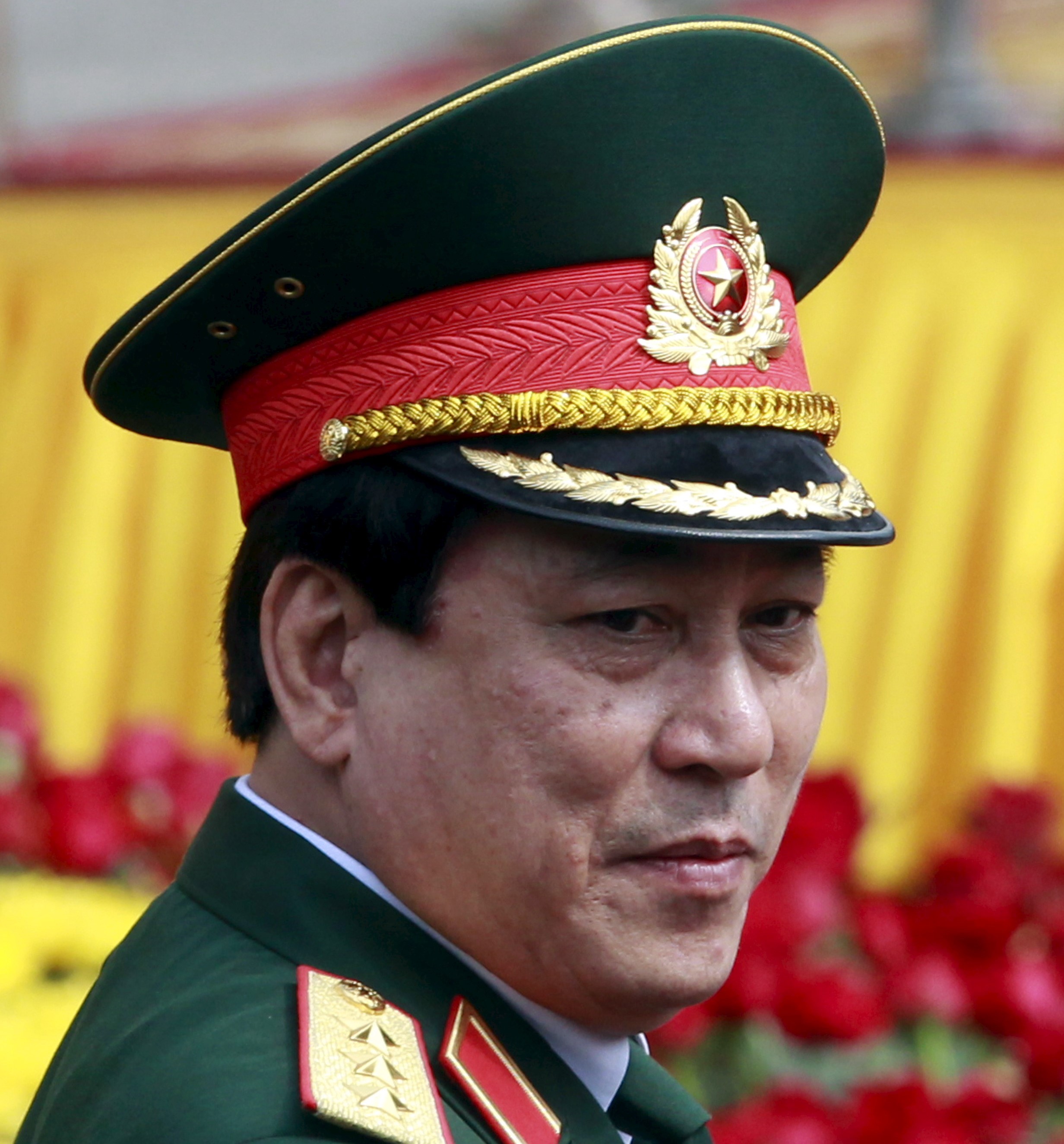
Several officials have stated that Army General Lương Cường is the current President and could remain in office, or be replaced by Defence Minister Phan Văn Giang. However, the decisions rest with a small circle of senior leaders, and even current contenders could be dropped at the congress.
Prime Minister Phạm Minh Chính, a former security officer known as a skilled operator, has weathered multiple reshuffles and may do so again, though rivals are circling.
Names floated for the prime minister job include former State Bank of Vietnam chief Lê Minh Hưng, police general Lương Tam Quang, and Deputy Prime Minister Nguyễn Hòa Bình.
Final allocations may also weigh candidates' home provinces to preserve a veneer of geographic balance, though leaders from the north have historically outnumbered those from the south.