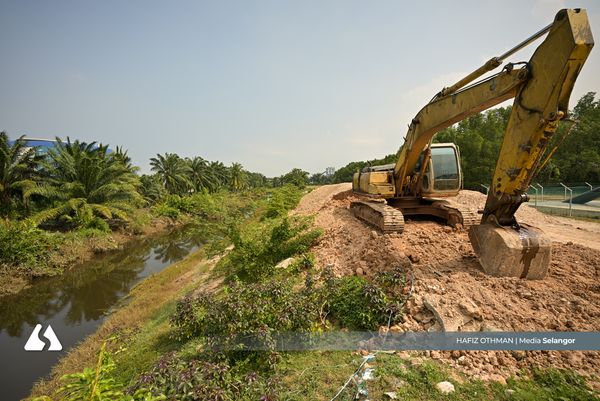
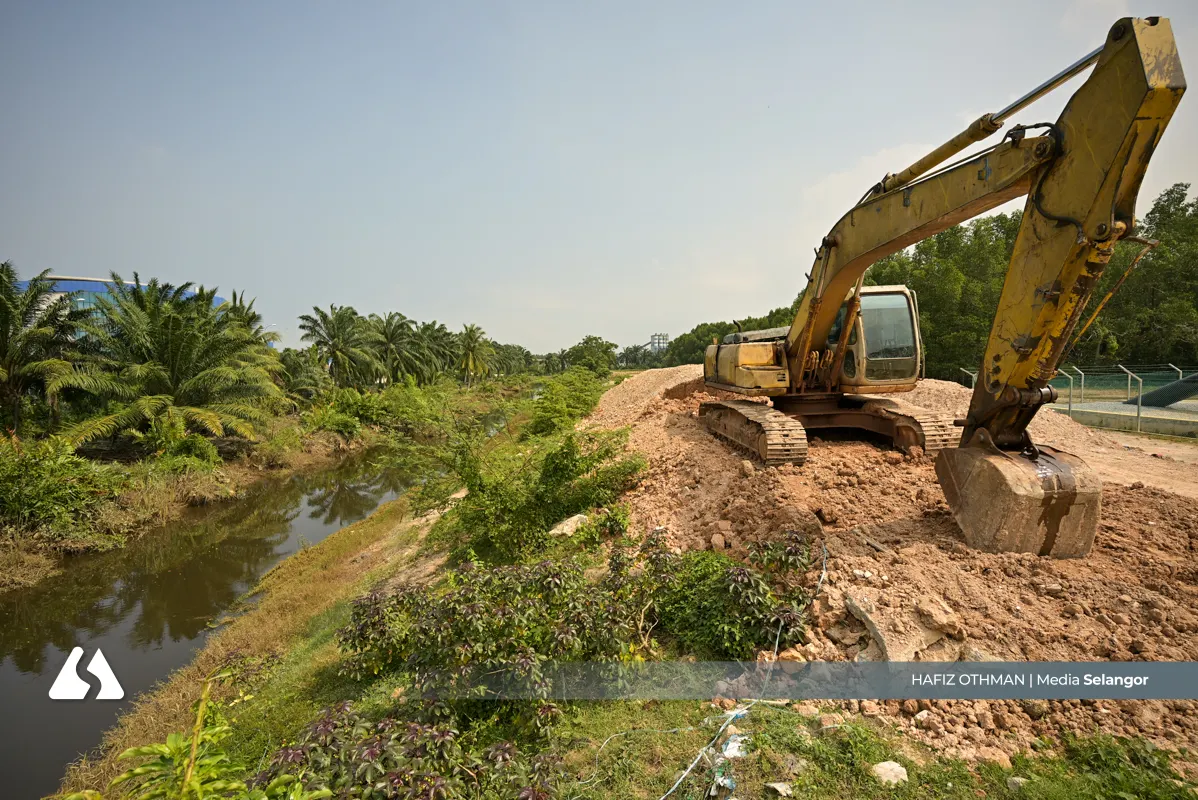
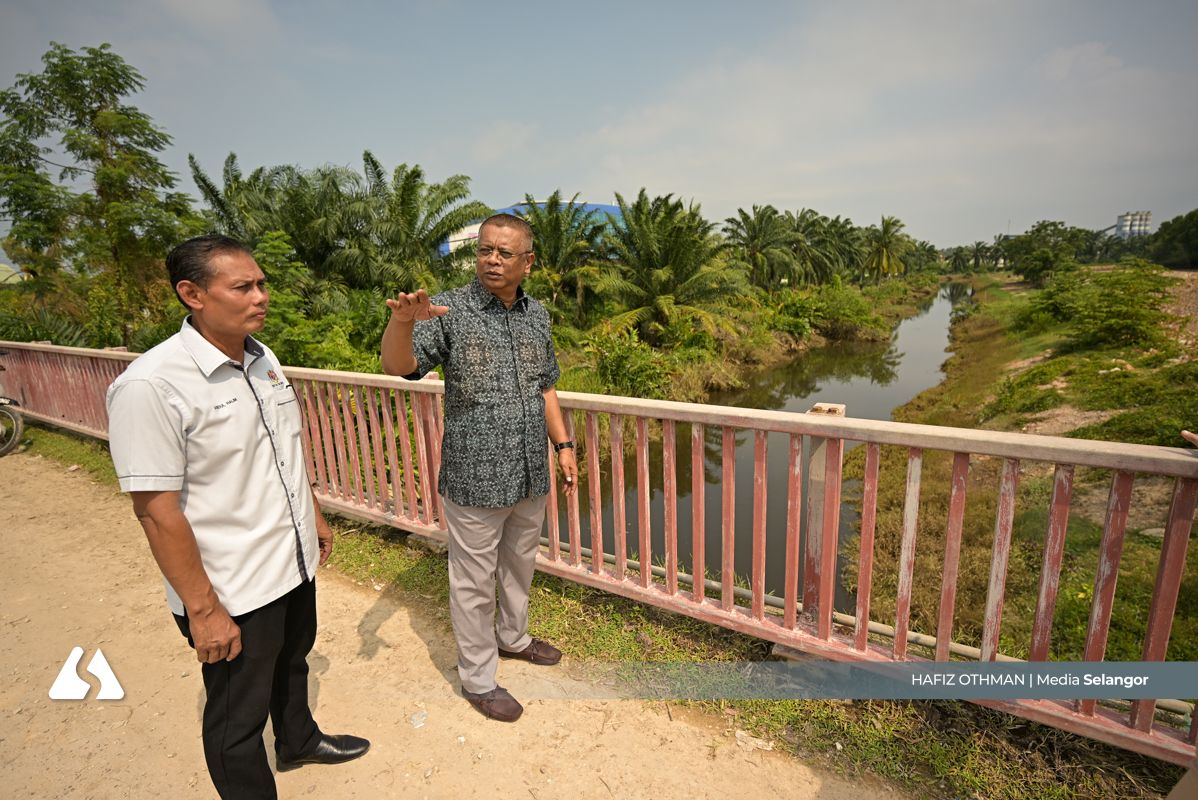
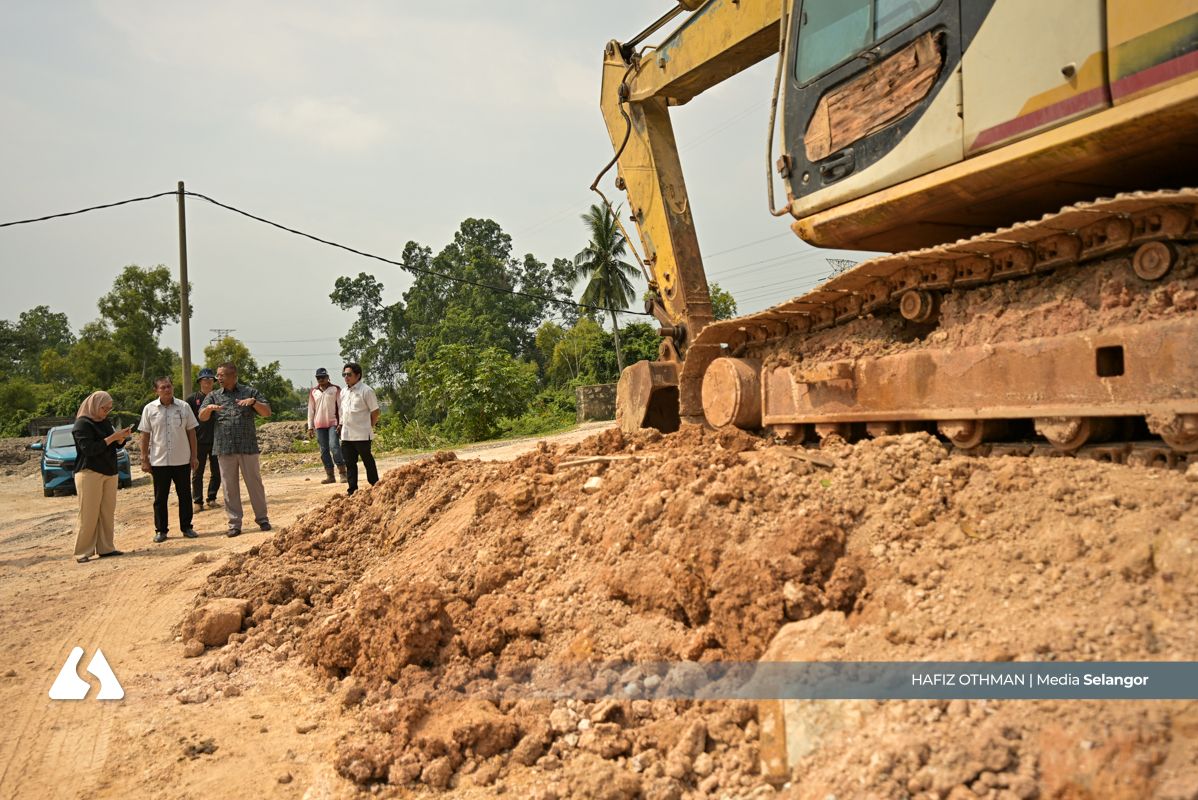
SHAH ALAM, Dec 22 — Efforts to protect coastal ecosystems, which have been implemented since the 1960s, will continue to be implemented via various innovations to prevent erosion.
Selangor Irrigation and Drainage Department (JPS) director Dato' Mohd Nazrin Yasmin said that previously, coastlines were protected only by conventional methods like rock slope revetments, earth embankments, sea walls, or mangrove replanting, but these did not guarantee long-term coastal security.
The transformation of embankment development has continued due to several factors, including changes in design, material selection, construction methods, and mitigation approaches.
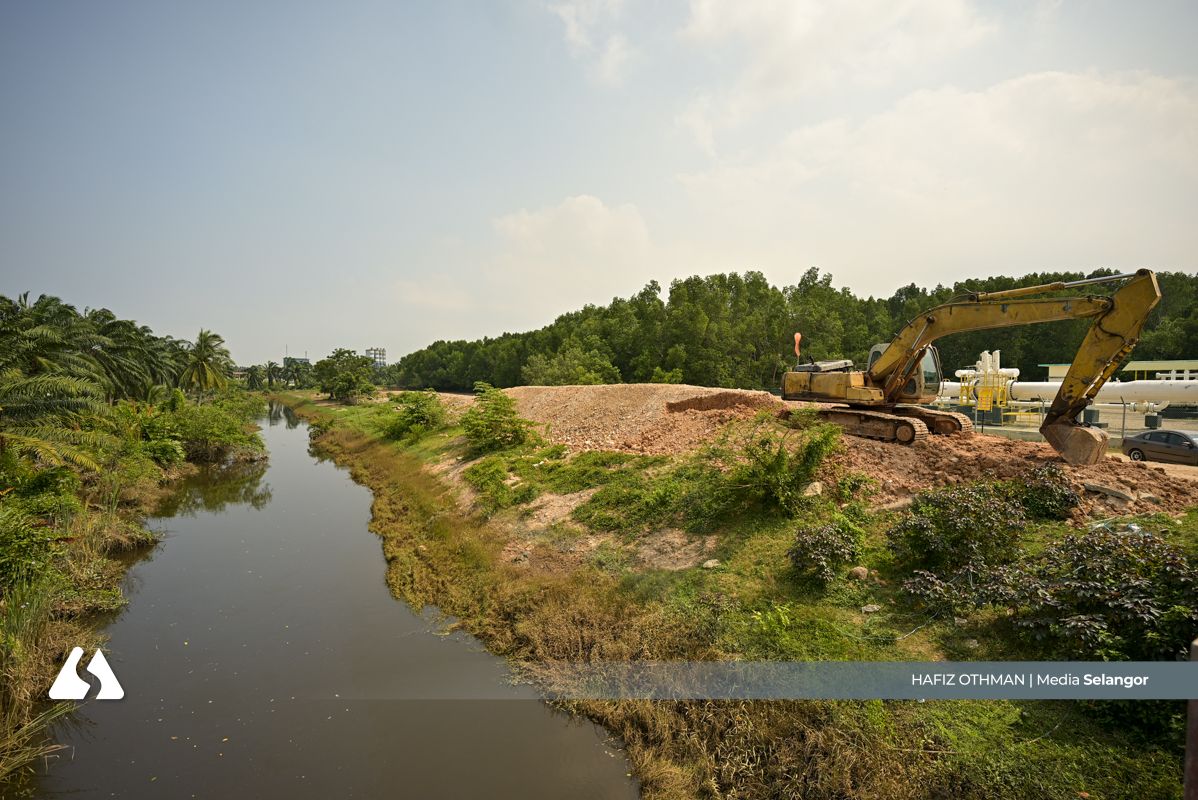
He said that between the 1960s and 1980s, most embankment structures were built using basic earth materials such as laterite (red soil), while mangrove swamp forest protection was also implemented. However, these structures were less effective due to erosion and sedimentation, which led to embankment failure over time.
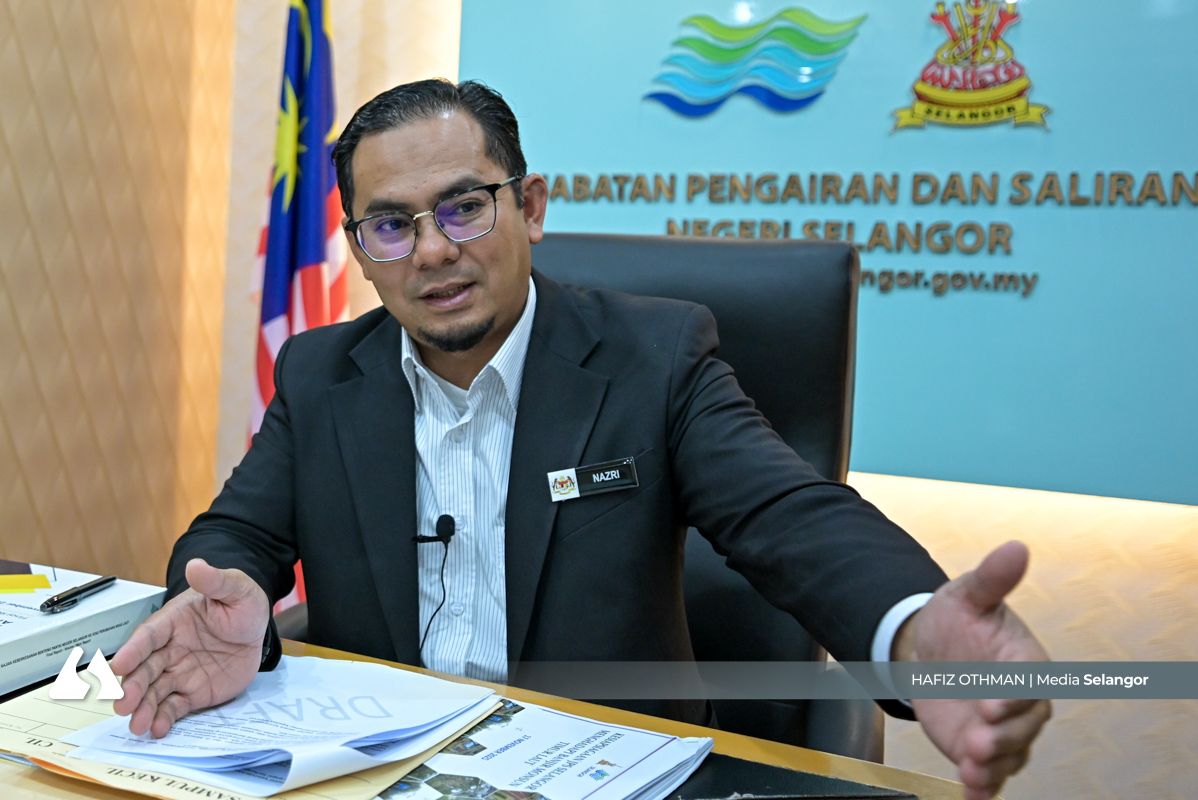
“This shows that earth embankments alone are insufficient when ecosystems change. Embankments were improved in the 1990s through 2010 with the construction of rock slope revetments, but these faced issues, including rock displacement from their original positions.
“We used the rock revetment method as additional protection, which was able to reduce erosion and embankment failure. From 2010 to 2020, structures were further strengthened with the construction of sea walls or concrete blocks.
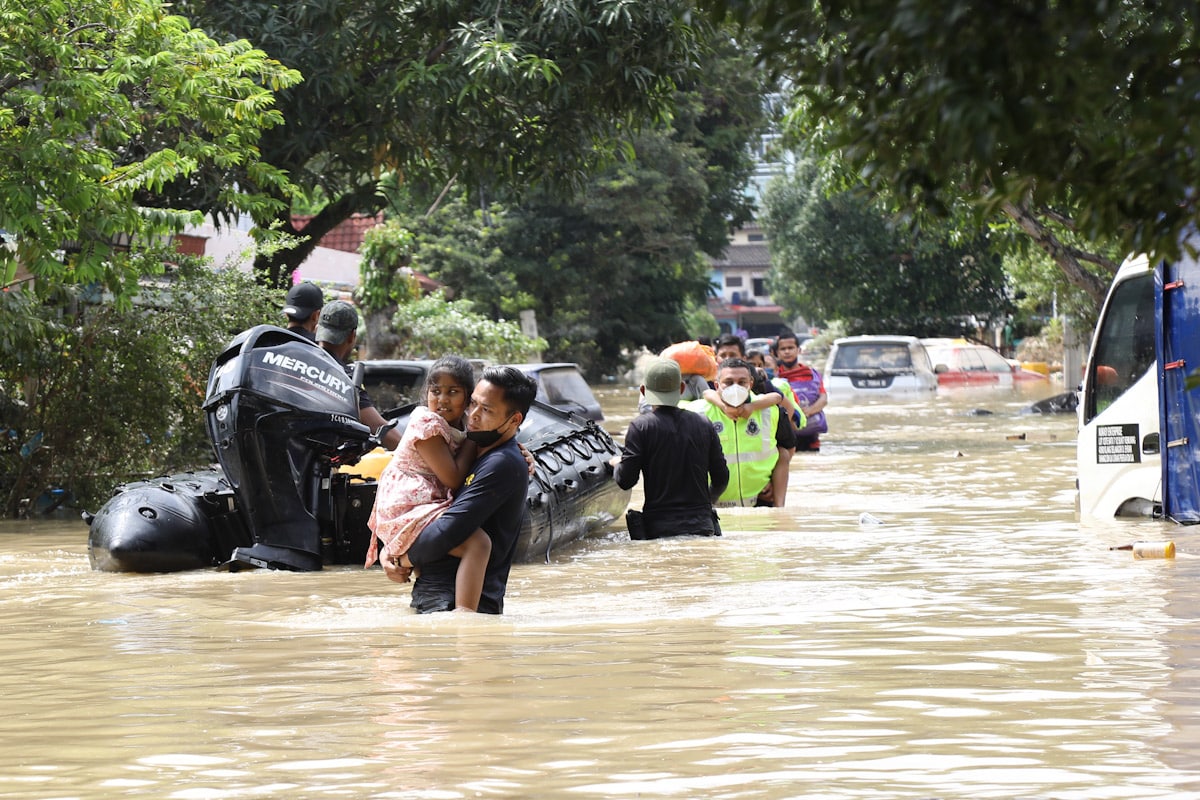
“In 2016 and 2017, major tidal surges occurred, prompting the government to upgrade embankments using concrete, anchor blocks, and sea walls.
“From 2020 to the present, we have been using more modern technology, with designs that take into account sea level rise, wave currents, and long-term embankment requirements. All these factors are combined to determine the height of new embankments,” Nazrin told Media Selangor.
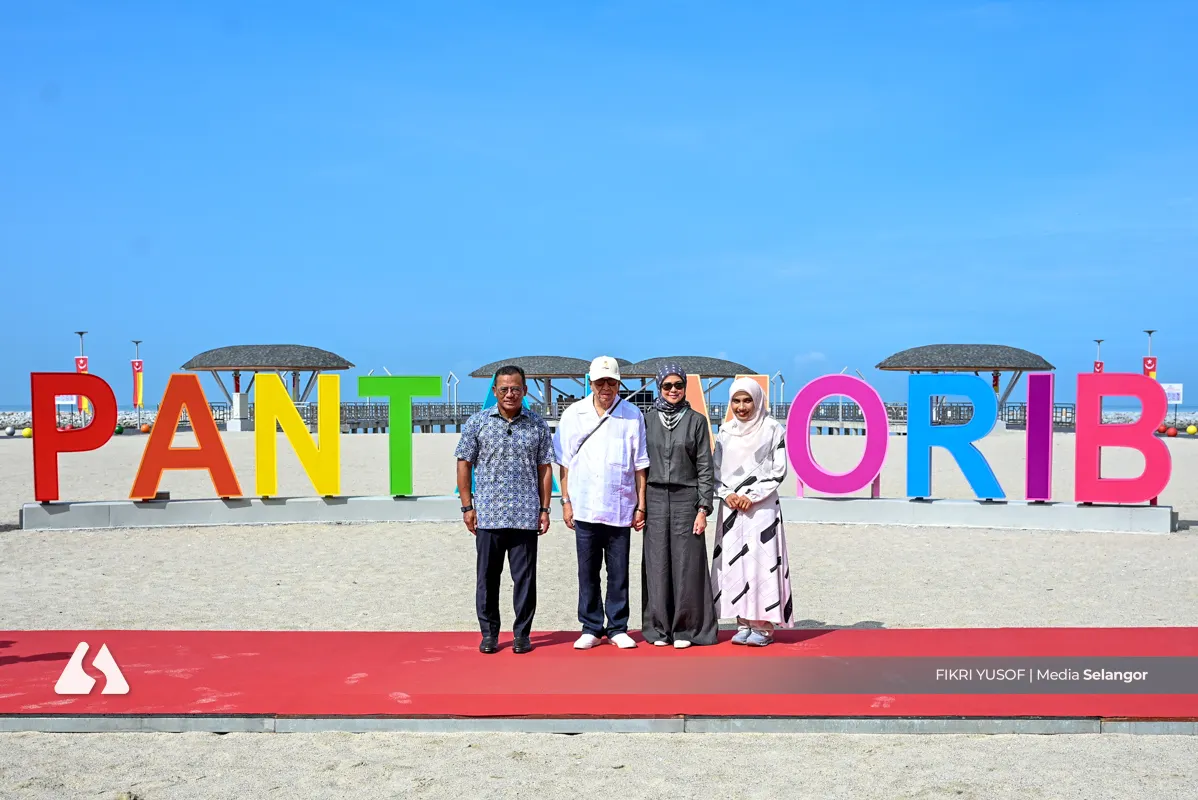
He added that a pilot project to construct the rock structure was implemented at Pantai Morib in Kuala Langat in 2023, and is now about 90 per cent complete.
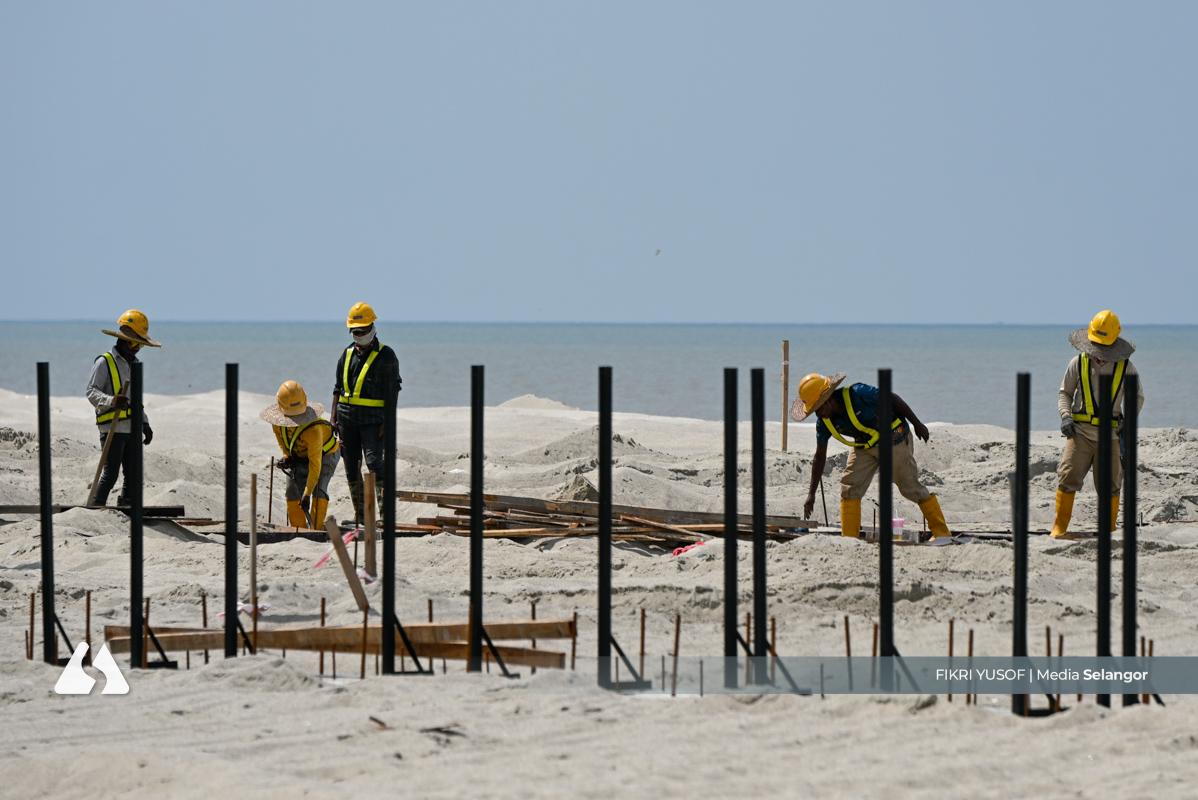
“Breakwaters are stone structures arranged to break wave energy. They are built approximately 200 metres from the coastline and function to block and reduce wave pressure on coastal embankments.
“When waves arrive, this structure absorbs and disperses wave energy, slowing the current before it reaches the shore. At the same time, it also helps transport sand sediment, providing additional benefits to the coastal ecosystem,” Nazrin said.
Given its effectiveness, more such structures are planned under the Second Selangor Plan (RS-2), which is expected to be tabled in June next year, with a focus on the state's northern areas.
“In the future, we plan to build more breakwater structures along the Selangor coastline to reduce wave impact. However, the cost is quite high due to the use of large-sized rocks and granite, depending on the design.
“I believe that without breakwaters, the coastline will not be able to endure in the long term. Constructing protective structures, such as embankments, alone is not sufficient.
"Despite the high cost, breakwaters can protect coastal morphology more effectively,” he said.