
KUALA LUMPUR, Dec 19 — Malaysia’s manufacturing sector is expected to maintain its positive trajectory in 2026, supported by resilient domestic demand, lower tariff uncertainty, and steady investment activity, said RHB Investment Bank Bhd (RHB IB).
Its Industrial Production Index (IPI) projection for the sector stands at 4.1 per cent year-on-year (y-o-y) in 2026, up from an estimated 3.6 per cent in 2025.
This optimism is bolstered by improvements in recent IPI data, a sharp rise in exports, and a rebound in the November 2025 Purchasing Managers’ Index (PMI).
“Externally, Malaysia’s diversified export base, together with greater clarity from the United States (US)-Malaysia Reciprocal Trade Agreement, provides a more favourable backdrop.
“However, risks remain, including shifts in US trade policy, regional trade dynamics, and the possible introduction of sector-specific levies, particularly on semiconductors,” RHB IB said in its research note today.
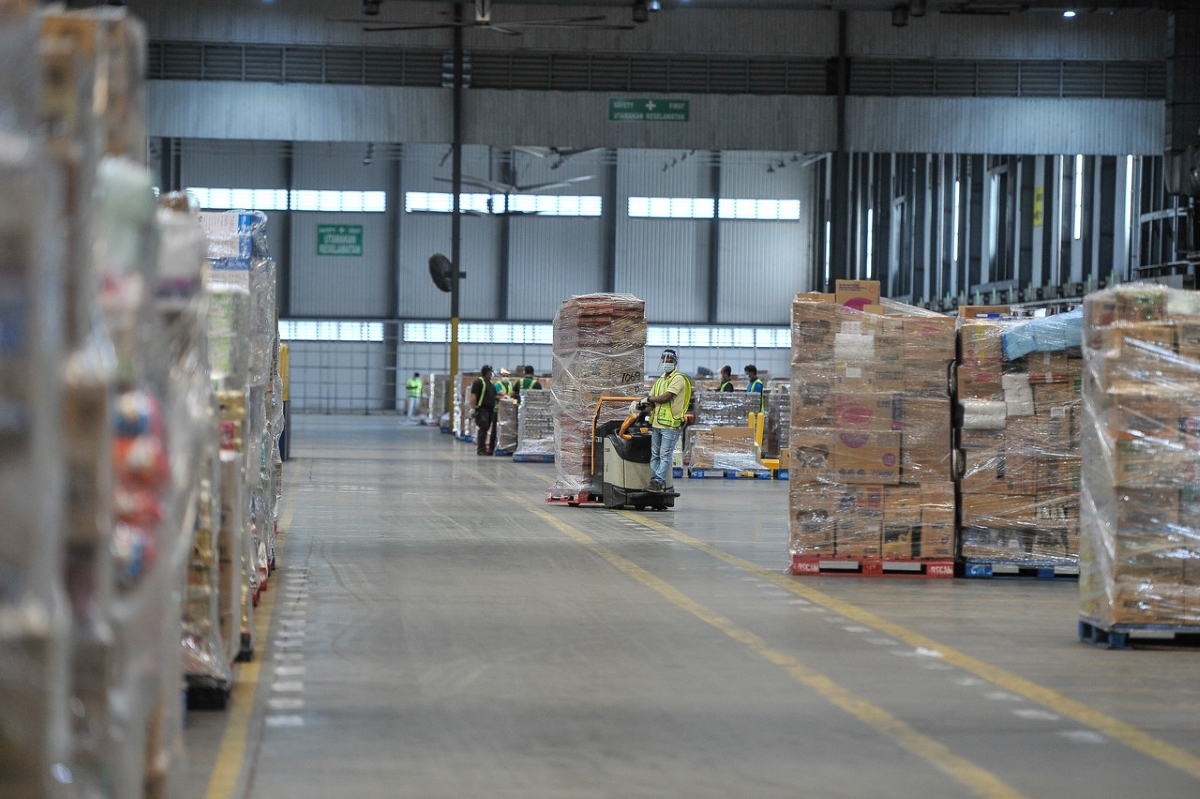
It added that robust domestic demand will continue to underpin domestically-oriented industries in 2026, supported by firm private consumption, steady employment conditions, and rising wages.
“This momentum will be reinforced by ongoing government measures aimed at strengthening household purchasing power, improving social protection, and supporting local production,” RHB IB said.
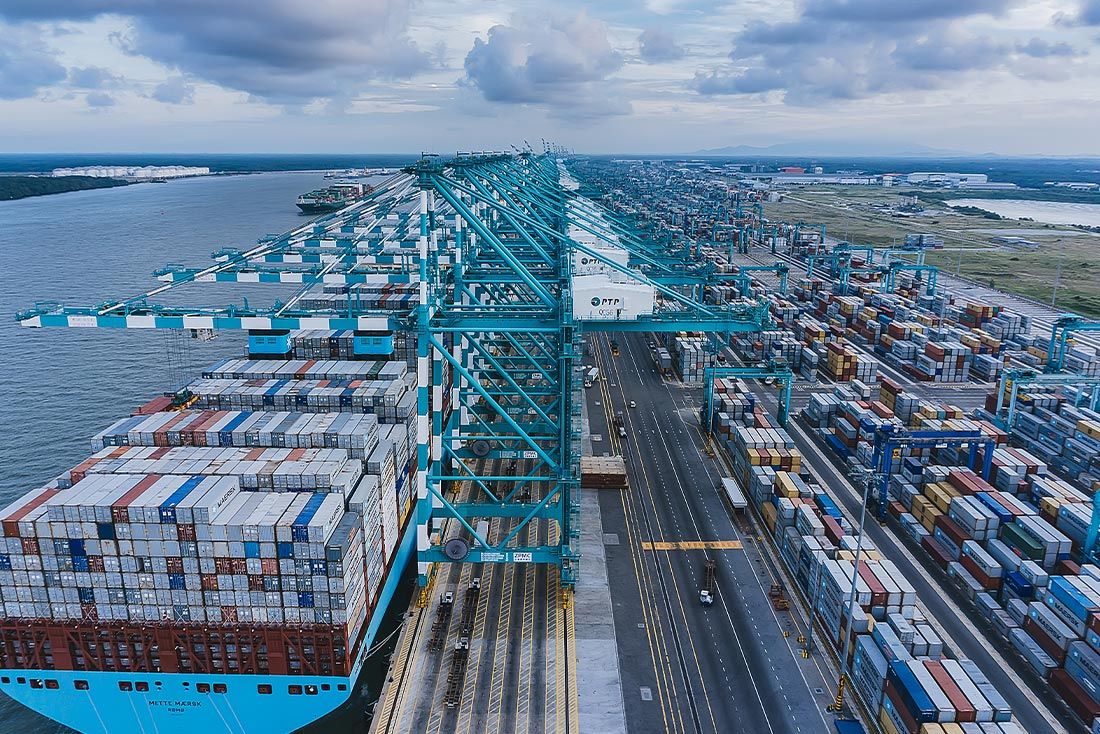
Meanwhile, export-oriented industries will benefit from a constructive external demand outlook, supported by easing tariff risks and sustained electrical and electronics (E&E) demand.
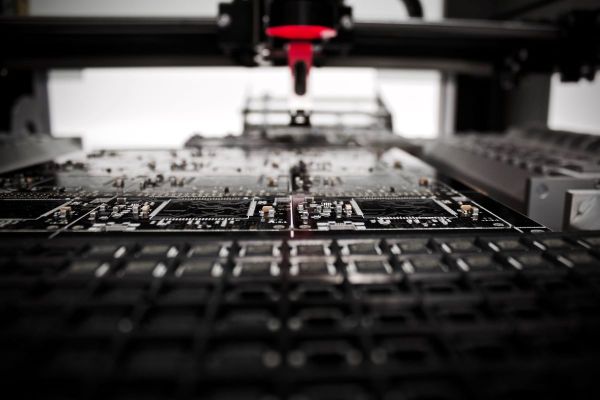
It noted that the global technology upcycle will continue to bolster the E&E cluster, driven by strong demand for semiconductor chips used in artificial intelligence (AI) applications and digitalisation.
The conclusion of the US-Malaysia trade agreement is expected to lift manufacturing sentiment and reinforce sectoral activity, aided by Malaysia’s expanded exclusions from US tariff measures, which cover key products like palm oil, rubber, cocoa, selected pharmaceutical components, and aerospace equipment.
“Looking ahead, we will closely monitor sectoral developments, particularly in semiconductors, given their critical role in Malaysia’s export portfolio. While uncertainty remains over potential US tariffs on semiconductor products, the near-term risk appears limited.
“Despite lingering policy uncertainty, sustained global semiconductor demand remains a key tailwind for Malaysia, alongside its diversified export destinations,” RHB IB said.