
BANGKOK, Dec 19 — From border tensions and political transition to natural disasters and a fragile economy, Thailand’s 2025 unfolded as a succession of crises that tested governance, institutional resilience, and crisis-management capacity.
The year opened with cautious optimism over governance and economic reforms, but this was abruptly jolted on March 28 when a powerful earthquake struck neighbouring Myanmar, with tremors felt as far as Bangkok.
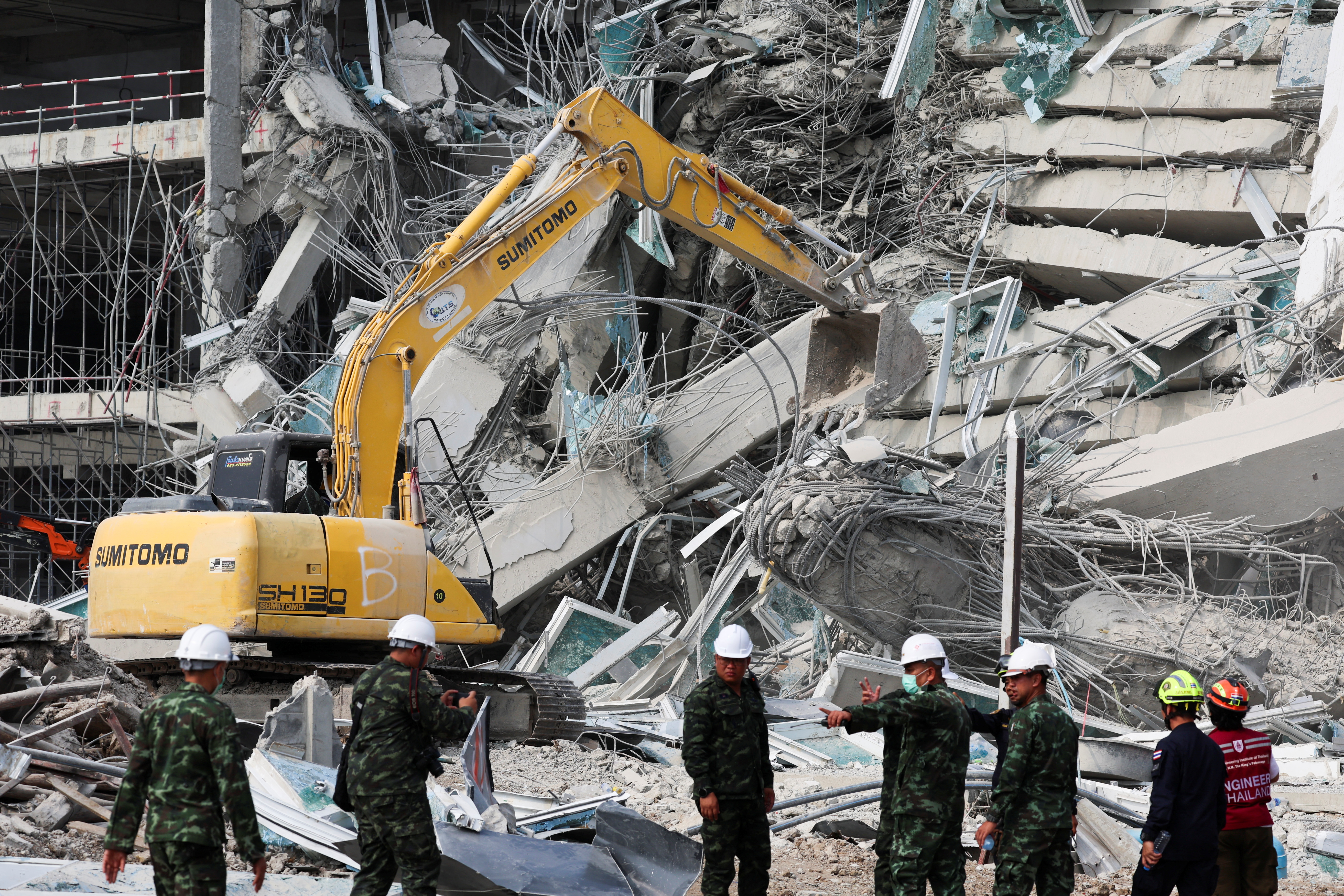
The quake triggered the collapse of a construction site at the new headquarters of the State Audit Office in Bangkok’s Chatuchak district near Bang Sue Grand Station, claiming more than 90 lives. The tragedy prompted a nationwide review of building safety standards and disaster preparedness, highlighting Thailand’s exposure to seismic risks and broader urban safety challenges.
Economic momentum remained subdued throughout the year, weighed down by weak exports, soft domestic consumption and persistent external uncertainties. In response, the government rolled out fiscal measures, including financing schemes for small and medium-sized enterprises (SMEs), to shore up growth and stabilise confidence.
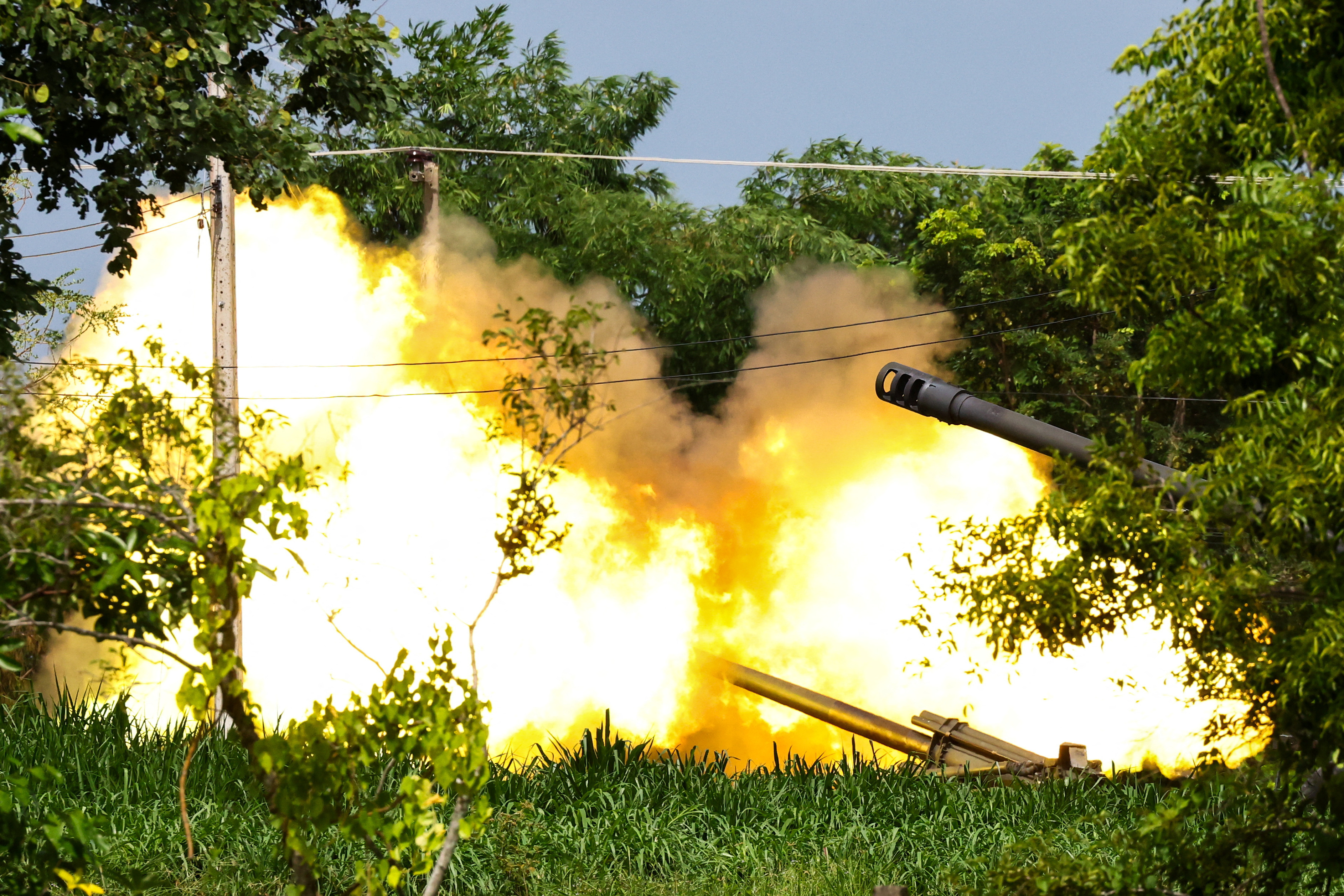
As domestic pressures mounted, Thailand also faced border tensions with neighbouring Cambodia from May 28, with hostilities later erupting on July 24, heightening regional concerns and further straining the political and security environment.
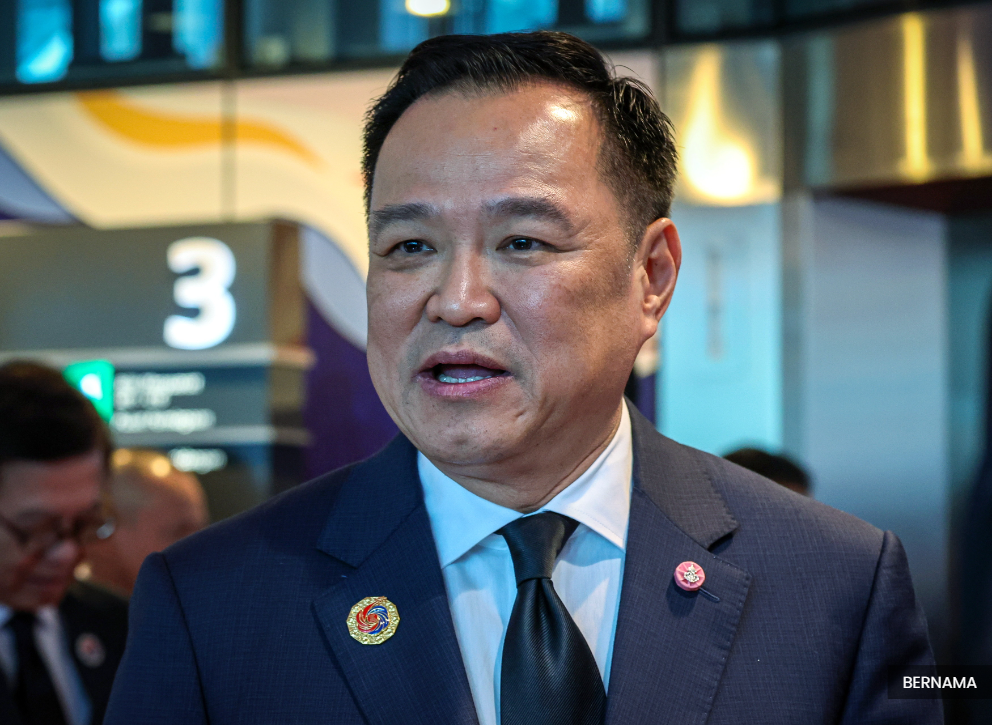
Bangkok and Phnom Penh later agreed to an immediate and unconditional ceasefire following a special meeting chaired by Malaysian Prime Minister Datuk Seri Anwar Ibrahim in Putrajaya on July 28. These de-escalation efforts culminated in October with the signing of the Kuala Lumpur Peace Accord to restore stability along the disputed frontier.
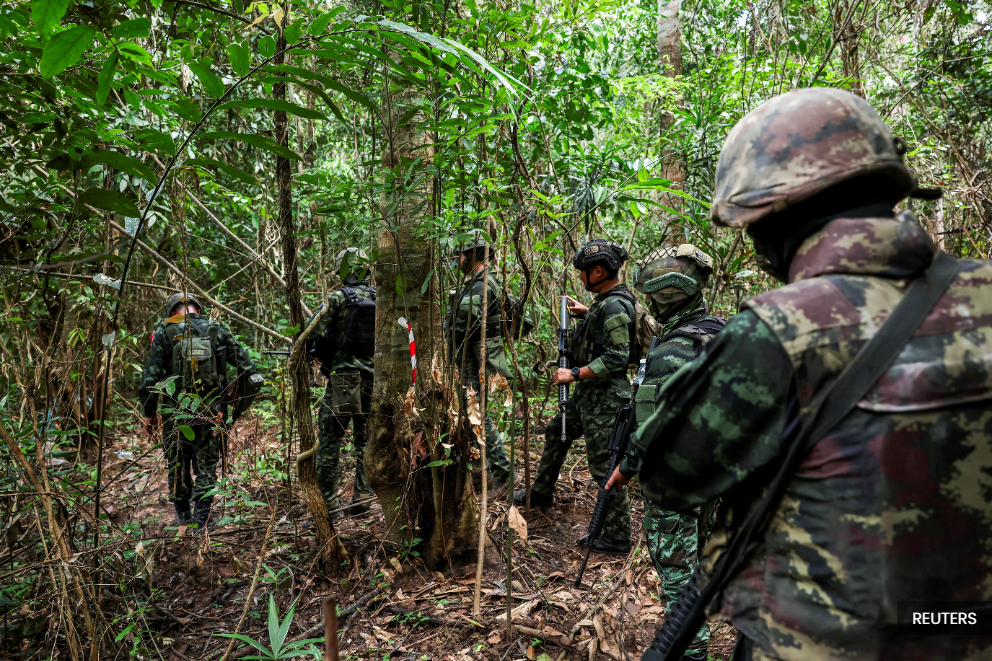
However, the fragile calm proved difficult to sustain. Thailand suspended its participation in the Peace Accord in November after landmines along the border wounded several of its soldiers.
Border tensions flared again from December 7 onwards, with news reports of military exchanges and air strikes leaving dozens of people dead on both sides.
Diplomatic efforts to prevent further escalation continued, including an Asean foreign ministers’ meeting scheduled in Kuala Lumpur on Monday (December 22), which Anwar said was aimed at easing tensions and stabilising the situation along the Thailand–Cambodia border.
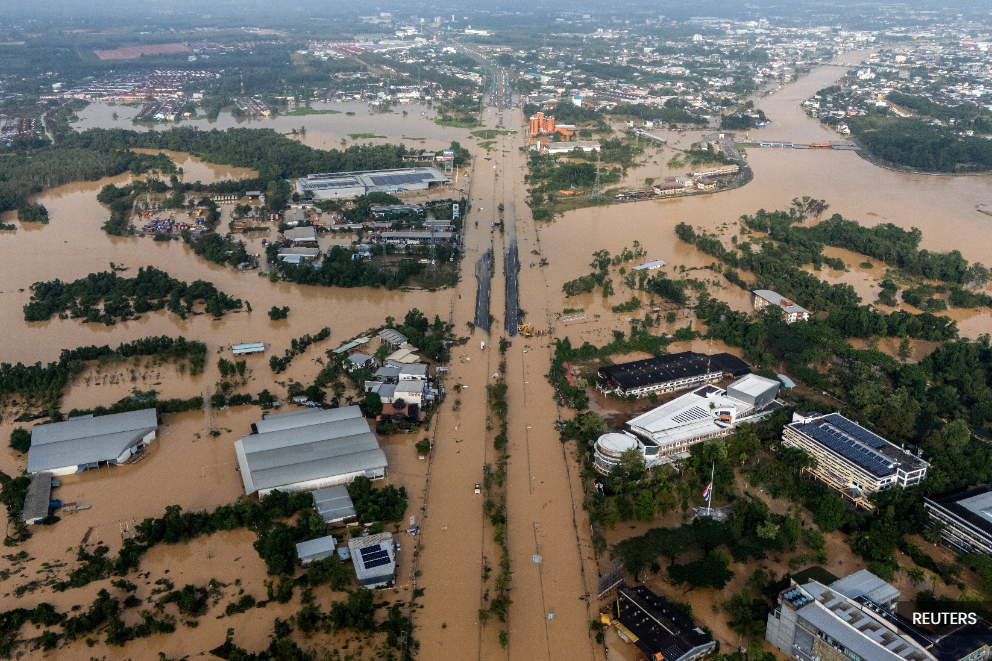
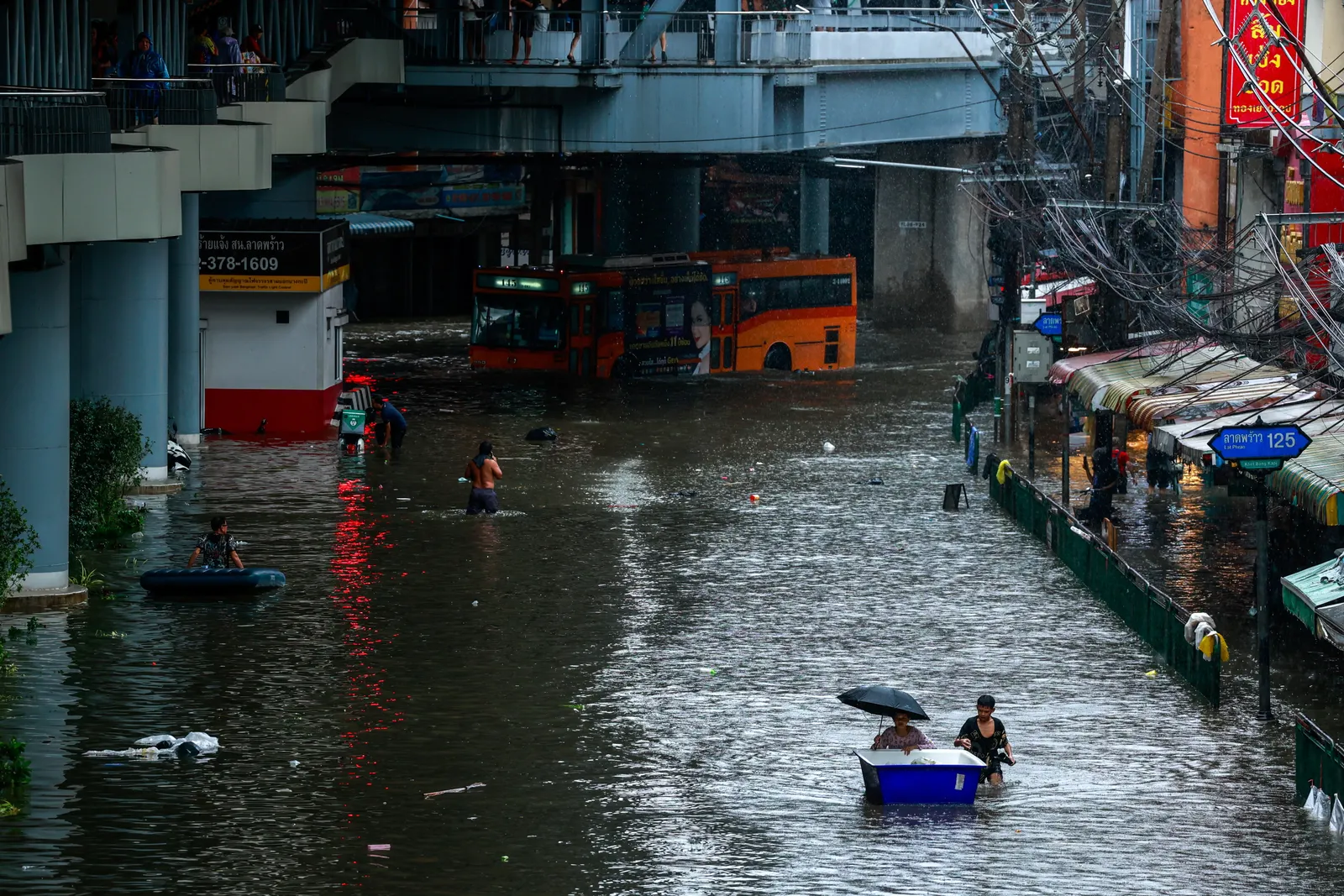
Thailand’s challenges deepened further in November when severe flooding swept across northern, northeastern and southern provinces, killing over 160 people, affecting millions of households and disrupting transport networks, while dealing a heavy blow to agriculture and small businesses.
In southern Thailand, flooding in Hat Yai, Songkhla, and the surrounding areas inundated roads and hotels, disrupting tourism during the peak travel season.
The floods underscored the growing impact of climate-related risks, stretched disaster-response capacity, and undermined the government’s target of 39 million international arrivals by 2025, weighing on economic recovery.
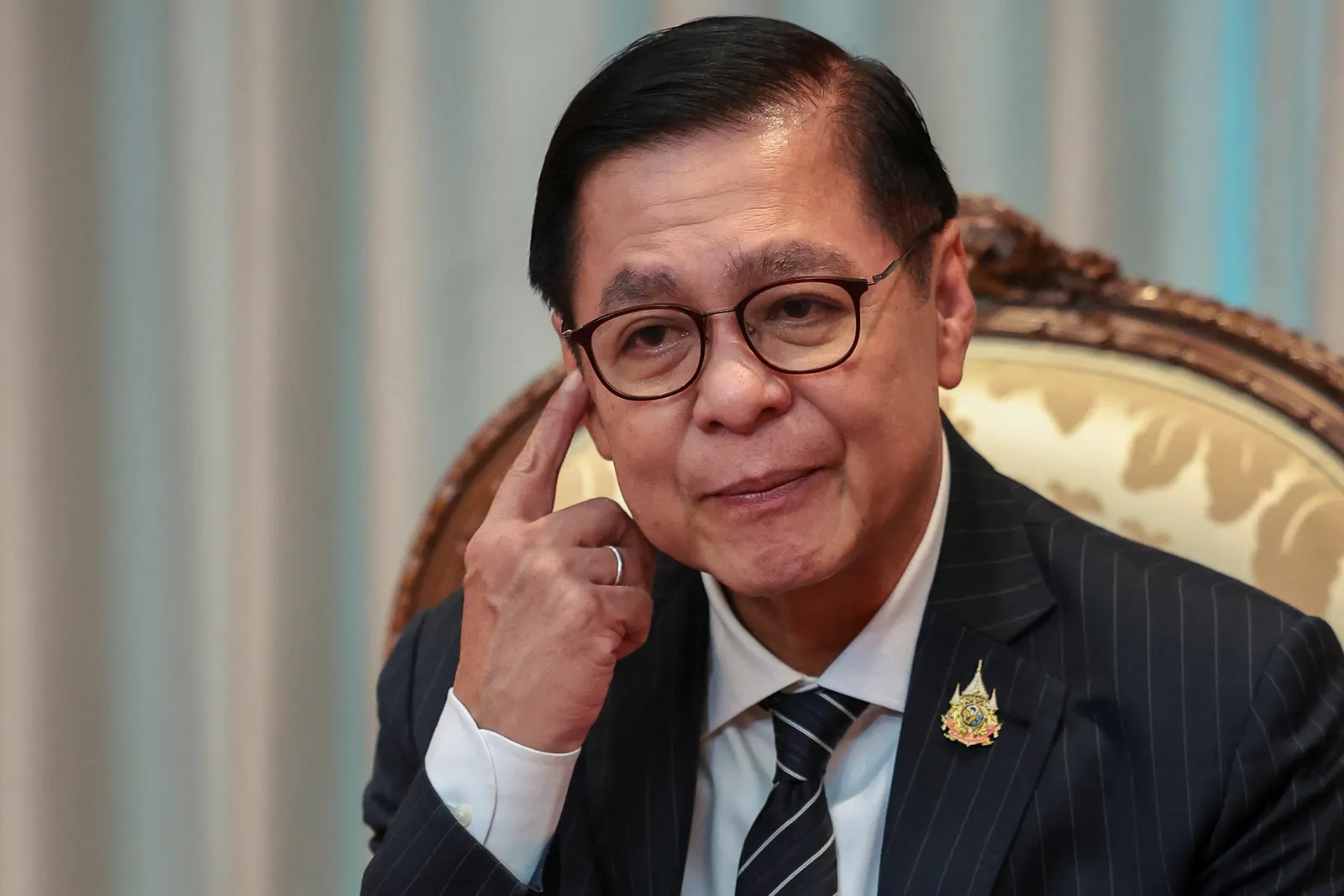
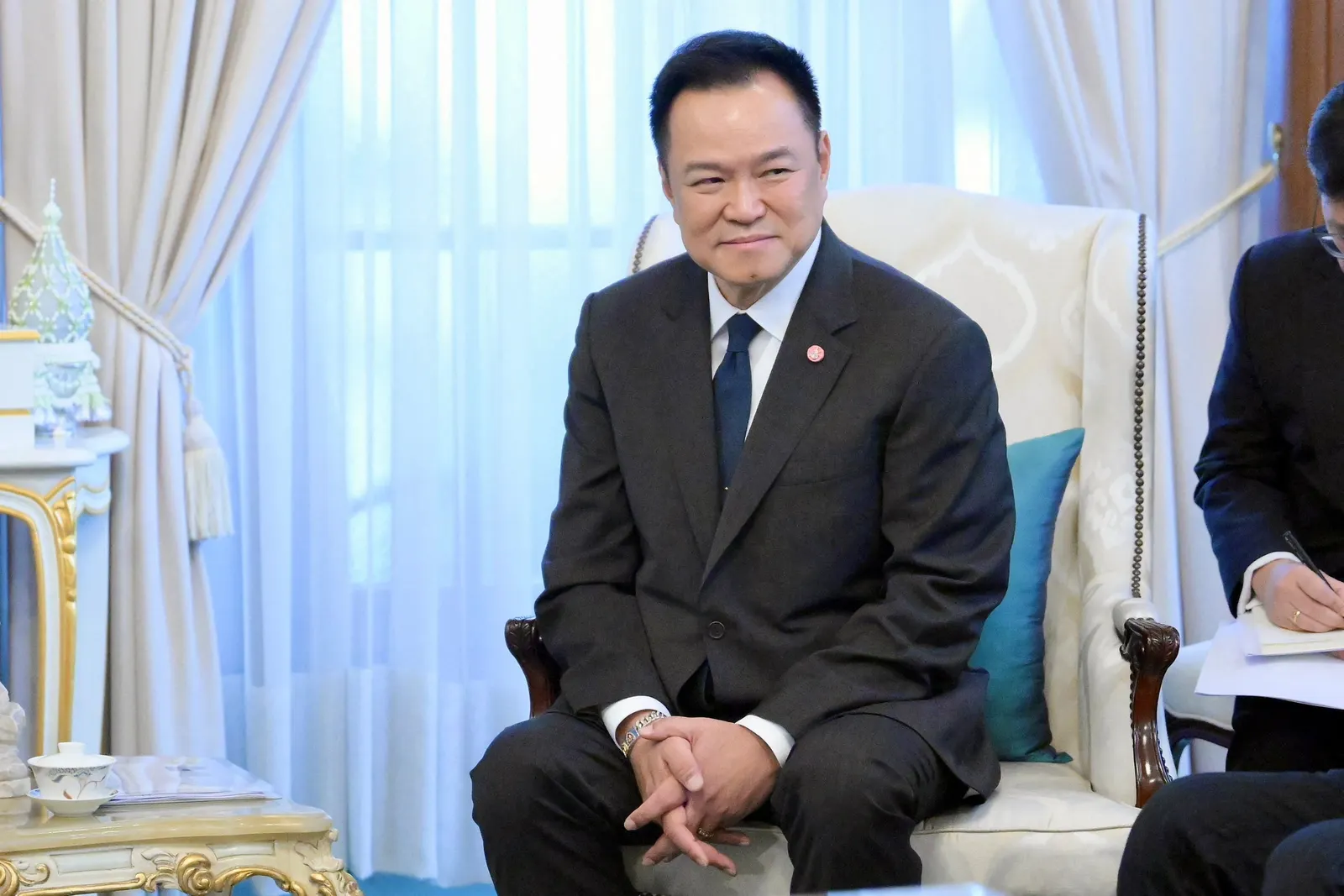
Amid these overlapping pressures, Thailand’s political landscape shifted sharply on August 29, when the Constitutional Court removed Paetongtarn Shinawatra from office for ethical violations related to her handling of the border dispute with Cambodia. Anutin was subsequently appointed the country’s 32nd Prime Minister.
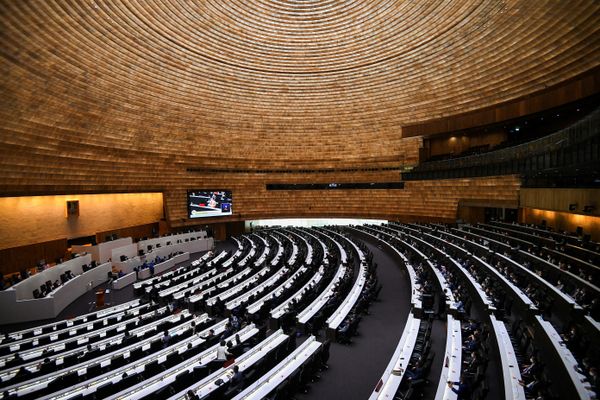
Within his first three months in office, the Bhumjaithai Party leader later announced the dissolution of Parliament, paving the way for a general election.
The Election Commission of Thailand has set February 8, 2026, as polling day for Members of the House of Representatives, with February 1 designated for advance voting.
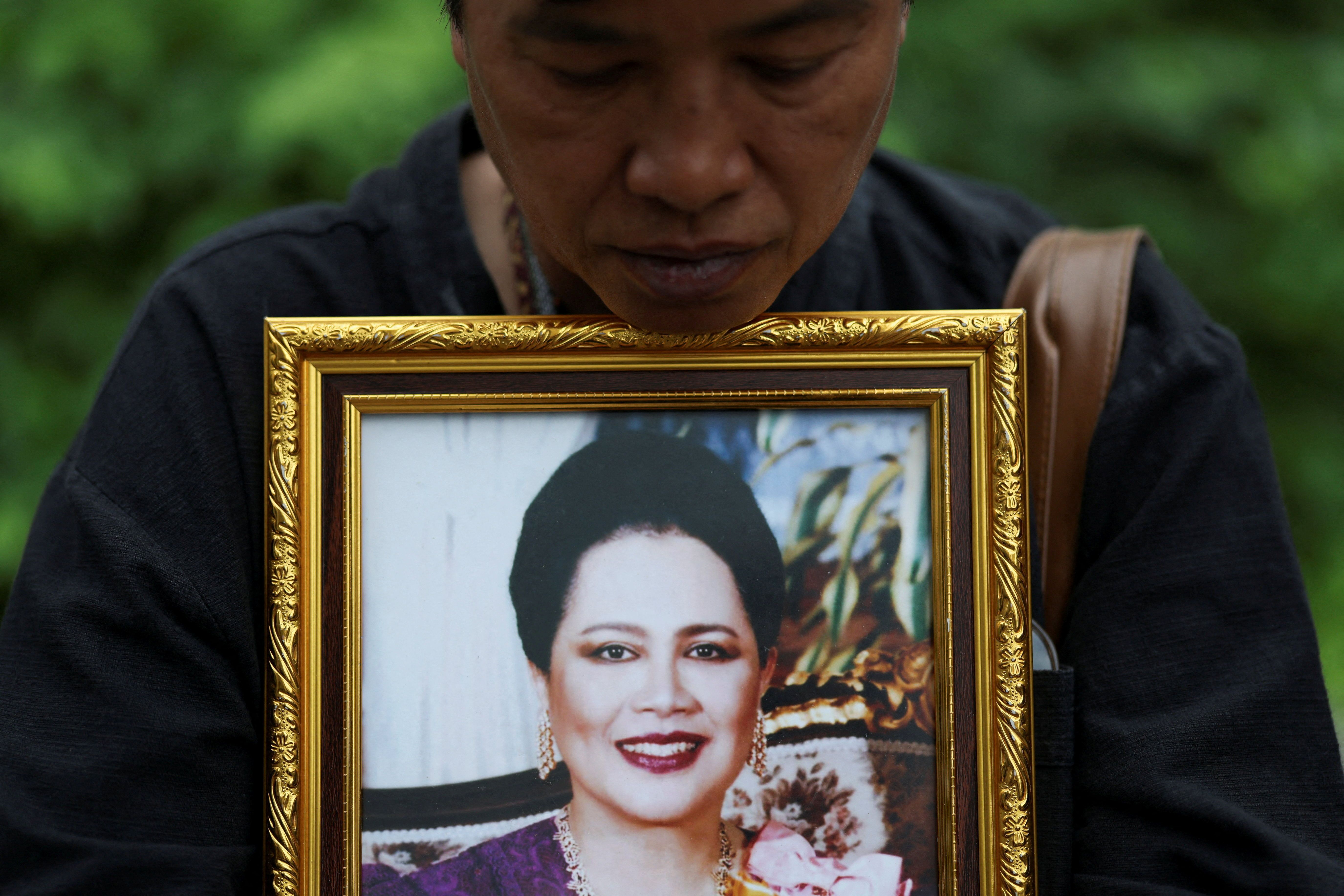
Thailand marked a period of national mourning on October 24 following the passing of Her Majesty Queen Sirikit, the Queen Mother, at the age of 93, with the government declaring a year of mourning for state officials.
After a turbulent year, restoring investor and tourist confidence, rebuilding flood-hit communities, and preventing renewed border escalation will test the next government’s capacity for effective governance.
As Thailand enters 2026, the outcome of the general election will be critical to shaping the country’s political stability and economic direction.