
KUALA LUMPUR, Dec 14 — The outlook for the adoption of environmental, social and governance (ESG) standards by companies in Malaysia looks highly positive next year, mainly due to practical policy initiatives unveiled this year, including the carbon tax, increased ESG reporting, and scaling up sustainability initiatives.
The carbon tax would encourage firms to reduce carbon emissions, further advancing the nation's ESG commitment.
“The outlook for ESG adoption among Malaysian companies across all sectors in 2026 is highly positive.
"These policies strongly incentivise companies to integrate ESG into their strategies for compliance, competitiveness and access to financing,” said ThinkPlus Group of Companies' chief executive officer Norsaidatul Akmar Mazelan when reviewing ESG initiatives transforming the business climate in the country today.
“Malaysia’s phased ESG adoption framework, starting with the ‘just transition’ phase (2024-2026) and moving into the ‘accelerate ESG practices' phase (2027-2030), provides a clear roadmap that encourages companies to improve ESG disclosures and strengthen sustainable operations.
“This foundation is supported by increasing regulatory clarity, technological advancements, and stakeholder demand for accountability in ESG performance, positioning 2026 as a pivotal year for scaling sustainability efforts,” she added.
2025-2026: Malaysia moves towards mandatory ESG
There is no doubt that Malaysia is taking the ESG agenda seriously, both to strengthen national competitiveness and safeguard national sustainability.
The carbon tax, an important piece of legislation effective in 2026 after being unveiled in Budget 2025, will initially apply to high-emission sectors like energy, steel, and heavy industries as part of the nation’s transition to a low-carbon economy.
Malaysia will also roll out the National Environmental, Social and Governance Strategic Plan (NESP) soon, an initiative designed to guide businesses toward adopting sustainable and ESG-compliant practices. Industry players are eager to leverage the plan to elevate their businesses.
Malaysia’s ESG and sustainability milestones in 2025
This year was undoubtedly a turning point, with more small and medium-sized enterprises (SMEs) shifting towards sustainable practices, supported by banks, corporations and non-governmental organisations (NGOs) that offer financing, advisory services, and practical assistance for ESG adoption.
Alliance Bank’s ESG Report 2025 indicates a sharp rise in ESG awareness and adoption among Malaysian SMEs, with awareness rising from 14 per cent in 2023 to 80 per cent in 2025, and adoption increasing from 28 per cent to 60 per cent over the same period.
These developments reflect SMEs’ growing awareness of global sustainability demands in supply chains, with many viewing ESG adoption as a strategic move to expand market access amid current economic challenges.
Another key initiative this year is the government’s push, through the Securities Commission Malaysia and Bursa Malaysia, to require listed companies to comply with the International Financial Reporting Standards (IFRS) Sustainability Disclosure Standards (IFRS S1 and S2) in their ESG reporting.
Introduced by the International Sustainability Standards Board (ISSB), the standards provide a globally recognised framework for sustainability and climate-related disclosures, aligned with Malaysia’s National Sustainability Reporting Framework (NSRF) to enhance transparency and consistency in local capital markets.
Under a phased rollout, large Main Market-listed issuers must comply from 2025, other Main Market issuers in 2026, and ACE Market issuers and large non-listed companies in 2027.
Malaysia is the only Asean member state to adopt the ISSB standards with a limited transition, reinforcing the global standing of its NSRF.
In another development, effective December 1, the government will implement a new renewable energy (RE) initiative that leverages building rooftops under the Solar Accelerated Transition Action Programme (Solar ATAP).
A continuation of the Net Energy Metering initiative, which ended on June 30, Solar ATAP is expected to boost distributed generation, giving consumers more rooftop options, supporting Malaysia’s goal of 70 per cent RE in electricity supply by 2050.
Malaysia bridging Asean towards sustainability
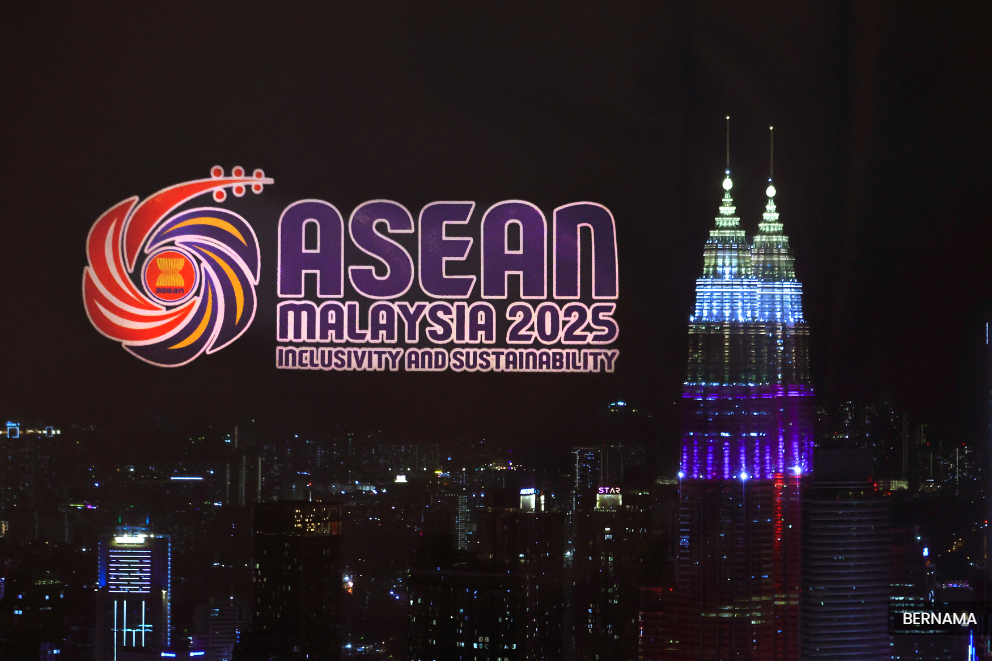
As the Asean chair in 2025, Malaysia has acted as a bridge to promote ESG adoption across sectors and businesses in the region.
Key efforts include the launch of the Asean Simplified ESG Disclosure Guide (ASEDG) for SMEs in supply chains in April, developed under the Asean Capital Markets Forum led by the Securities Commission Malaysia.
The framework helps SMEs implement practical ESG reporting aligned with international and regional standards, meeting growing expectations from investors, buyers and financial institutions.
Malaysia also collaborated with Asean peers to launch the Asean Centre of Excellence for micro, small and medium enterprises in green transition (MEGA) in October, alongside the Asean STI Ecosystem Foresight 2035 report and Asean in 2025: Shaping an Inclusive and Sustainable Future.