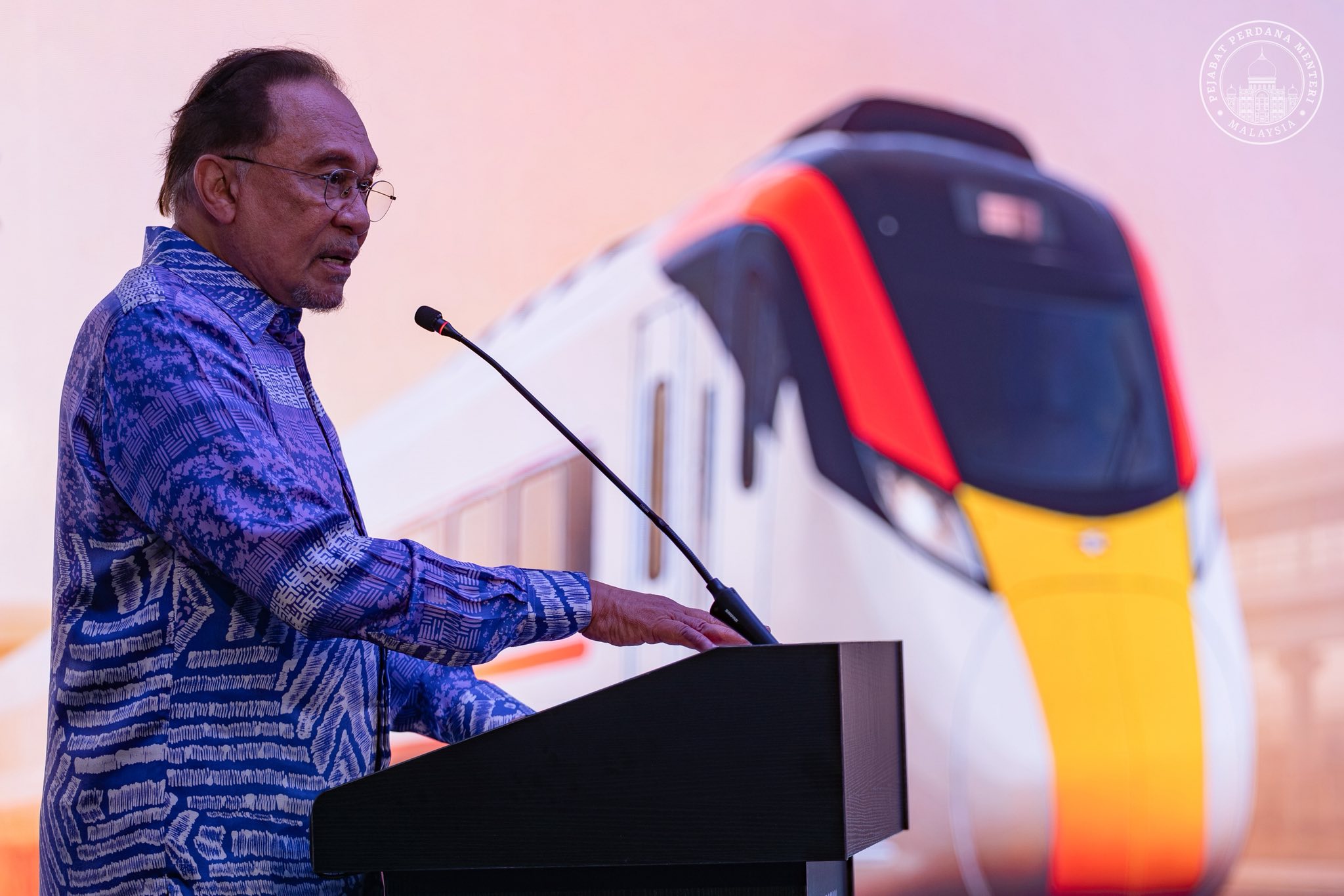
JOHOR BAHRU, Dec 11 — Prime Minister Datuk Seri Anwar Ibrahim has called for greater prioritisation of local participation, including petty traders and micro entrepreneurs, in every phase of developing the country’s rail transport network, particularly in smaller towns and rural areas.
Anwar, who is also finance minister, said new railway stations should not be viewed solely as transport infrastructure, but as emerging economic hubs, with the potential to attract further investments and generate opportunities which directly benefit local communities.
“We want to ensure food stalls in the surrounding areas are upgraded, while housing, jobs and other initiatives that benefit the people are expanded,” he said.
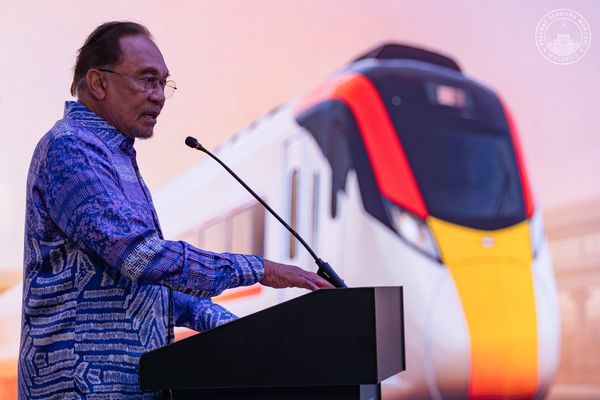
“This is what sets the Madani Economy approach apart, as development must reach a level we can be proud of, but at the same time, it requires compassion, targeted interventions and a guiding hand from the government, supported by the private sector, including major firms,” he said at the launch of the Gemas-Johor Bahru Electrified Double-Track Rail Project.
Johor Regent Tunku Mahkota Ismail graced the event at the Kempas Baru station here today.
Also present were Johor Menteri Besar Datuk Onn Hafiz Ghazi and Transport Minister Anthony Loke.
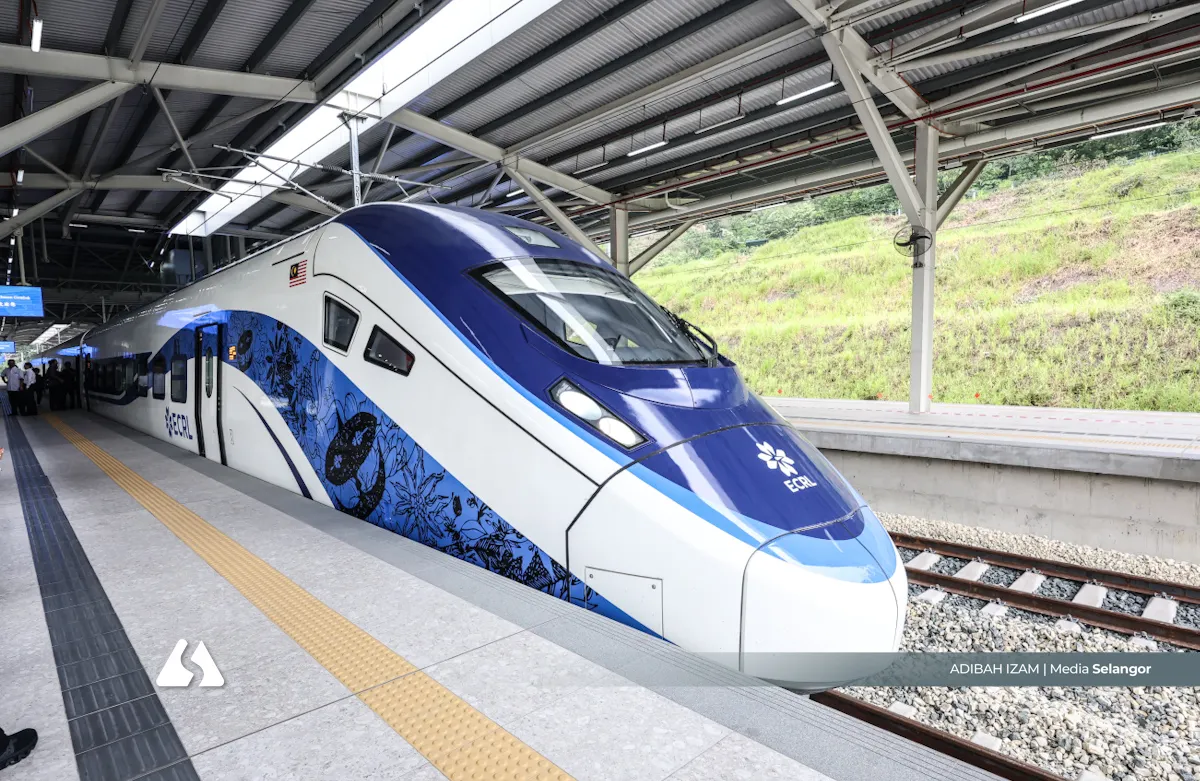
On the Gemas-Johor Bahru Electrified Double-Track Rail Project, Anwar said he is proud of its completion, and called it a model for national development in transport infrastructure.
“Transport networks are essential for nation-building. We need airports, ports and highways. We are now close to completing our core infrastructure, and the challenge ahead is to ensure that the benefits are fully enjoyed by the people,” he said.
The 192km Gemas-Johor Bahru Electrified Double-Track Rail Project includes 11 new stations, each designed to reflect Johor’s identity and heritage. The stations span four main districts — Segamat, Kluang, Kulai and Johor Bahru — with the line culminating at JB Sentral.
Meanwhile, Anwar said the federal government is adopting a more inclusive approach by incorporating input from state governments into all development planning, including the preparation of the national budgets and Malaysia Plans.
He added that the government’s approach emphasises a deliberative process, with federal leaders engaging directly with state administrations to gather views, suggestions and concerns before any policy is finalised.