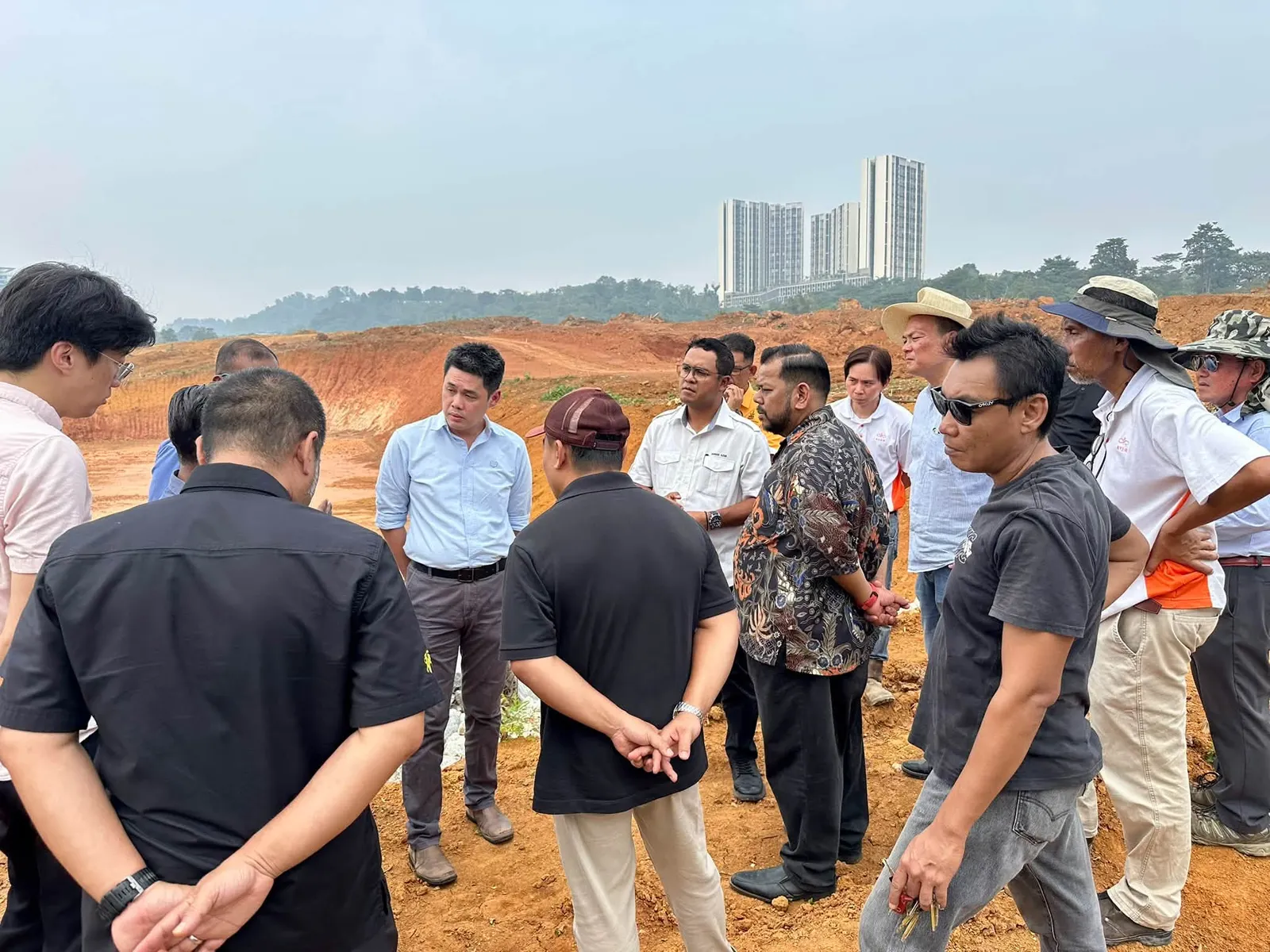

AMPANG JAYA, Dec 11 — The state government has allocated RM60 million to redevelop Kampung Fajar and Kampung Warisan in Hulu Kelang, Gombak, so residents are more comfortable in the neighbourhoods.
Menteri Besar Dato’ Seri Amirudin Shari said the project will be managed by Landasan Lumayan Sdn Bhd (LLSB) and will kick off in 2027, to be completed in 24 to 36 months.
He said the redevelopment will involve the construction of an apartment complex at RM200,000 per 1,000sqft unit, lower than the market rate of around RM229,509.
“Besides housing, infrastructure works will also be done, comprising ingress and egress routes, drainage, drains, and flood mitigation components to ensure long-term safety.
“This duty will be borne by LLSB, which developed the entire Sungai Klang riverbank and its subsidiaries, which are included in the Kampung Fajar and Kampung Warisan localities that we will redevelop,” he added.
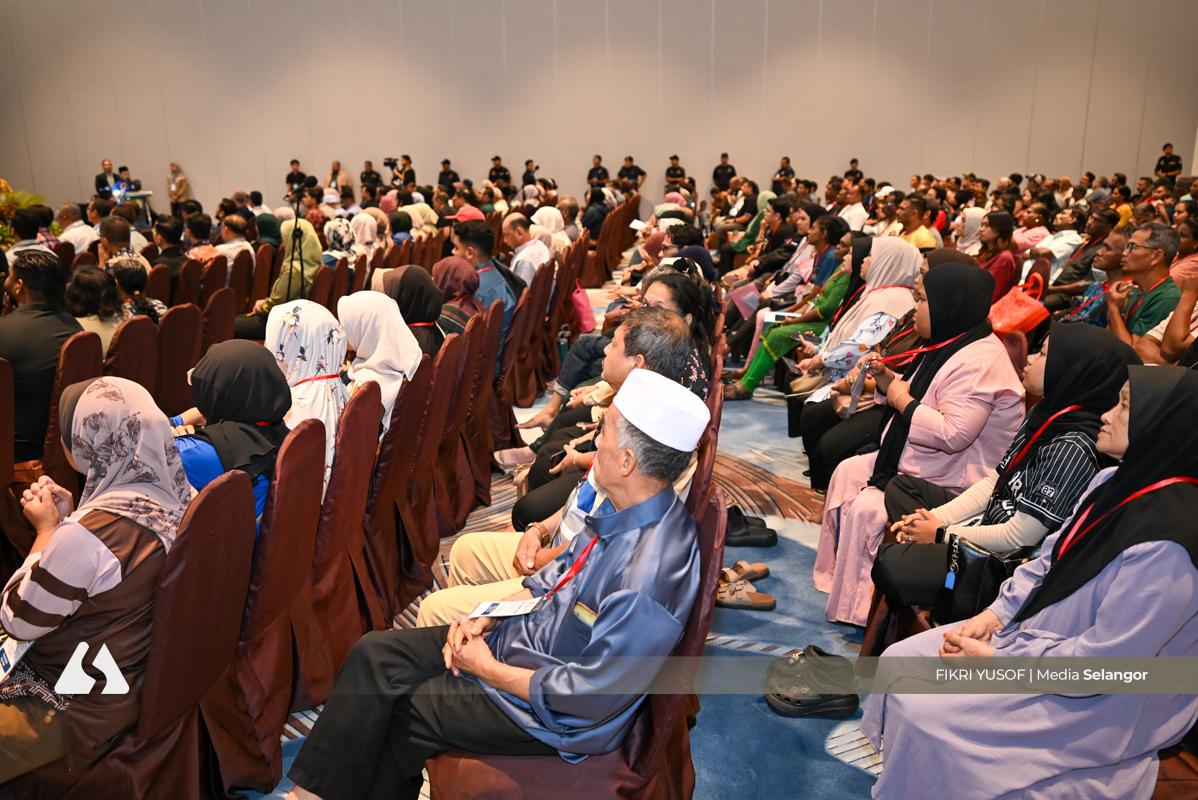
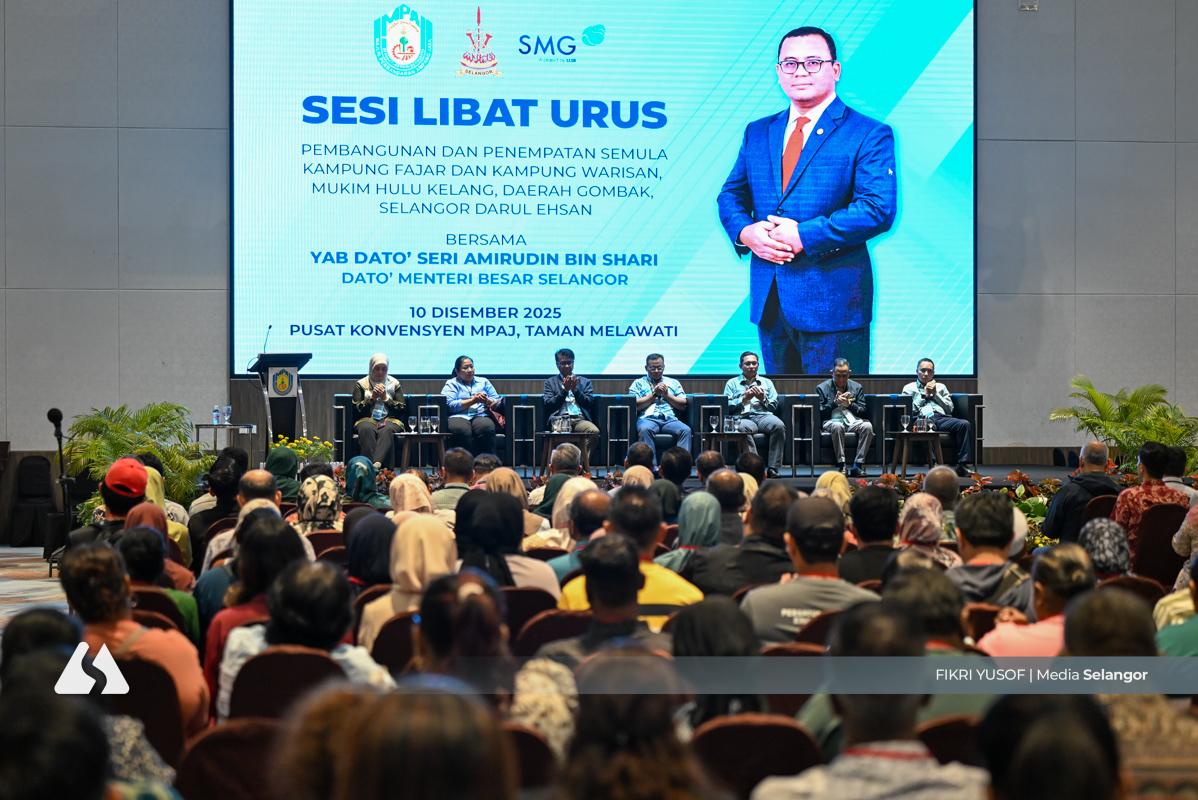
Amirudin was speaking at an engagement session for the development and relocation of Kampung Fajar and Kampung Warisan, at the MPAJ Convention Centre here yesterday.
On the home ownership scheme, Amirudin said two options would be offered to residents to facilitate their relocation.
“The first offer is a deposit of RM2,000 with a rent-to-own option after the unit is completed, at a rent cost of between RM500 and RM700 per month offered to the low-income group and senior citizens.
“The second offer is for those who are working and have the financial strength to borrow from institutions like banks, which is RM200,000,” he explained.
Amirudin also urged residents to cooperate in the redevelopment effort, with a relocation period of one year given from January 1 to December 31, 2026.
“The state is giving you the opportunity to move ex-gratia (with compensation) … the state administration will provide a relocation fund of RM2,500 for each family,” he added.
Previously, media reports said the squatter issue at Kampung Fajar has been unaddressed for 20 years, with 120 families in the area crowded in the midst of Gombak’s developed areas.
Reports said the squatter homes in the village were dilapidated, some with roofs of old zinc sheets, walls of rotting planks, and floors of broken cement.