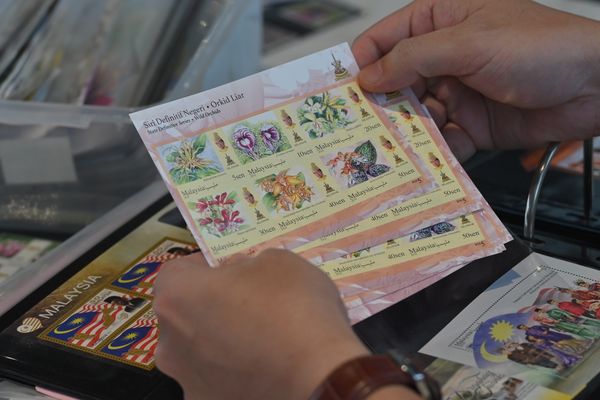
SHAH ALAM, Dec 12 — Md Rozalafri Johori turns page after page of a stamp album, keeping hundreds of stamps preserved behind plastic. Some pages are yellowed by age.
For the lecturer the album and every stamp it keeps safe between its pages reminds him of memories with his mother. Though the pages have yellowed, memories of collecting stamps with his mother remain.
“Mom is the one who introduced me to stamps, since I was in preschool. She collected them, bought an album, and gave them to me,” he said when met at a cafe in Bangi recently.
In primary school, Rozalafri’s world of stamps burst into colour. Recess was an exciting time of exchanging stamps with friends who were always happy to share their collections. At the time, he recalls, his favourite stamps were with images of animals.
“There was one day in primary school, a new student had just moved from the city to our village school. They collected stamps, too, but were more advanced than me or my friends because they had stamps from overseas.
“It was a commotion over that, that they had stamps from overseas,” he said.
For Rozalafri, stamps are not just postage standards; they are a window into the past that carry a thousand stories about his mother and memories of a time that haven’t faded.
Four decades on, the hobby persists. If before, he shared his excitement over stamps with friends during recess, now Rozalafri shares stories about stamps with a much wider network of friends on social media.
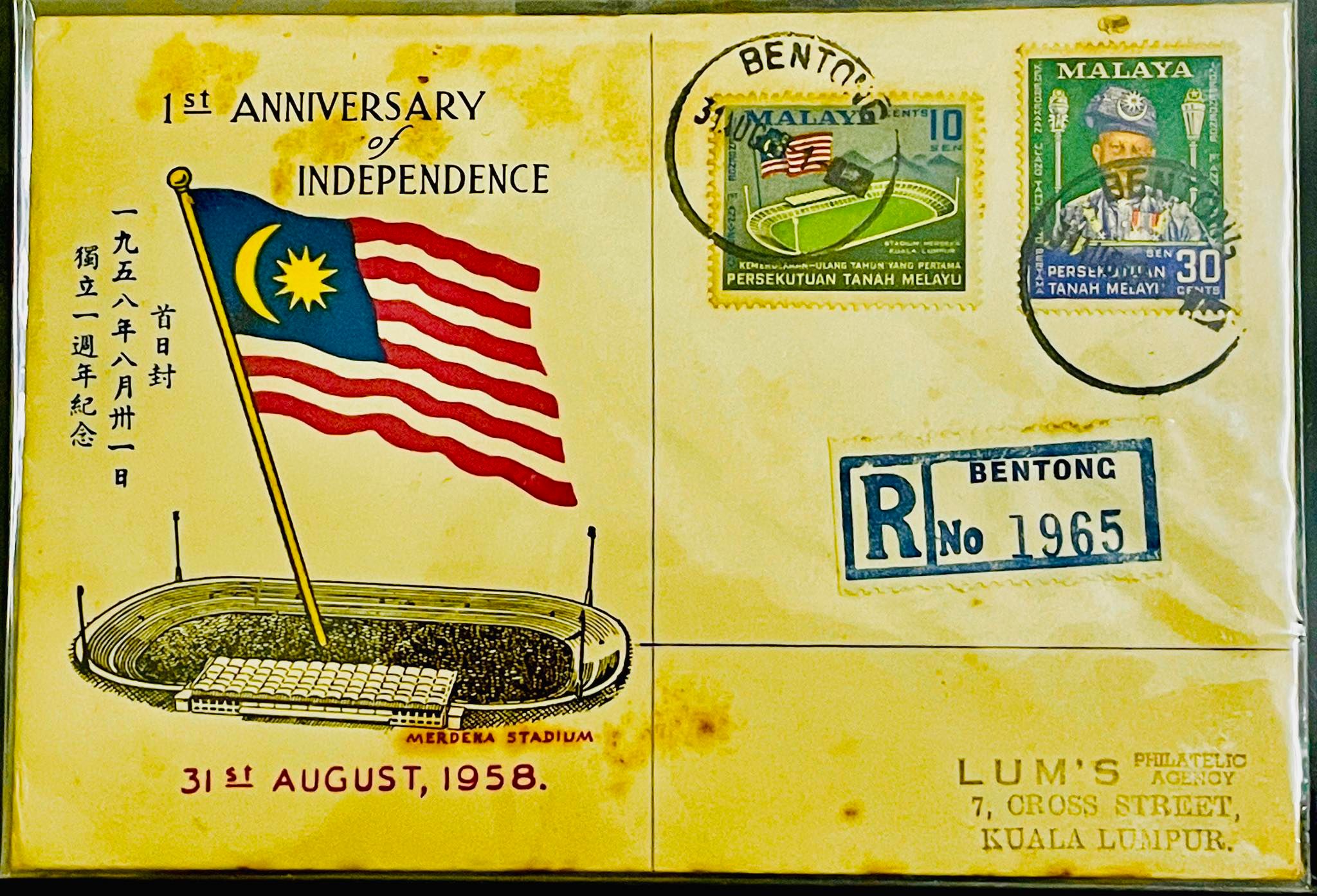
On the recent 68th National Day, he wrote on Facebook about two stamps that were issued for the first Merdeka celebration. The First Day Cover dated August 31, 1958, came with two stamps with the face values of 10 sen and 30 sen. The 10 sen stamp bore the image of Stadium Merdeka, where Malaya’s independence was declared, while the 30 sen stamp was a portrait of the first King, Tuanku Abdul Rahman, a symbol of the new country’s sovereignty.
“This First Day Cover that was posted from Bentong isn’t just paper and ink; it is a historic trace that reminds us that independence didn’t come easy, but was a result of the people’s sacrifice, prayer, and unity,” he had written on Facebook.
In his post, he appealed to youth to continue defending the country’s independence and act to fulfil the meaning of independence.
“Today, after 68 years, the Jalur Gemilang still flies strong. We may face new challenges — economy, social, digital — but the spirit of independence remains: unified, sovereign, dignified.
“May our generation continue to appreciate this fight, not just with words, but with actions that contribute to religion, race and country.”
Amid today’s rapid growth in communications, sending letters or postcards are no longer the popular choice, but Rozalafri still sends postcards to his children in boarding school. He said he does this not just to revive old memories of the philately world, but to ensure it continues to be felt by the younger generation, and so the sentimental value of written communication isn’t swallowed up by technology.
“I figured, I have memories with philately, stamps, postcards, letters with my mom. They are good memories, and I wanted to make good memories with my children and wife.
“When I was dating my wife, I sent postcards to her that we still keep till today. I send postcards to my children at home or at boarding school, and at first I thought they were indifferent, but as it turns out, they were bringing those postcards to school as a memory of family,” he said.
Grand narratives
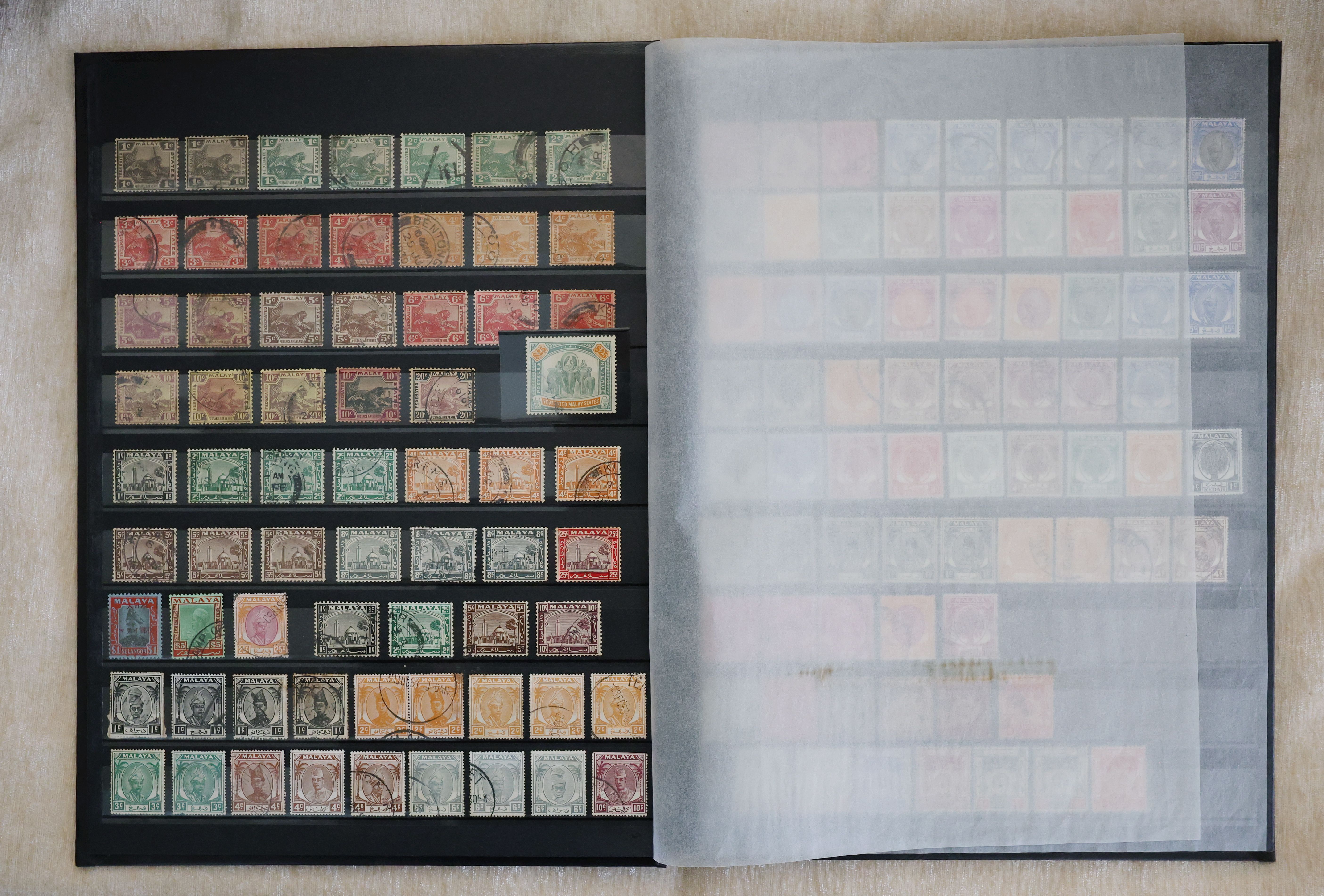
Every stamp now no longer stores mere personal memories, but also the history and remembrance of a country and people, reflecting the culture that shaped the nation. Stamps record personal stories or grander narratives that should be preserved for future generations.
This larger context of stamps is what led to the establishment of the Shah Alam stamp museum, which will open in 2027. This museum isn’t the first of its kind, as several big cities around the world — Washington, London, Stockholm, and, closer to home, Jakarta and Bangkok — also host such a facility.
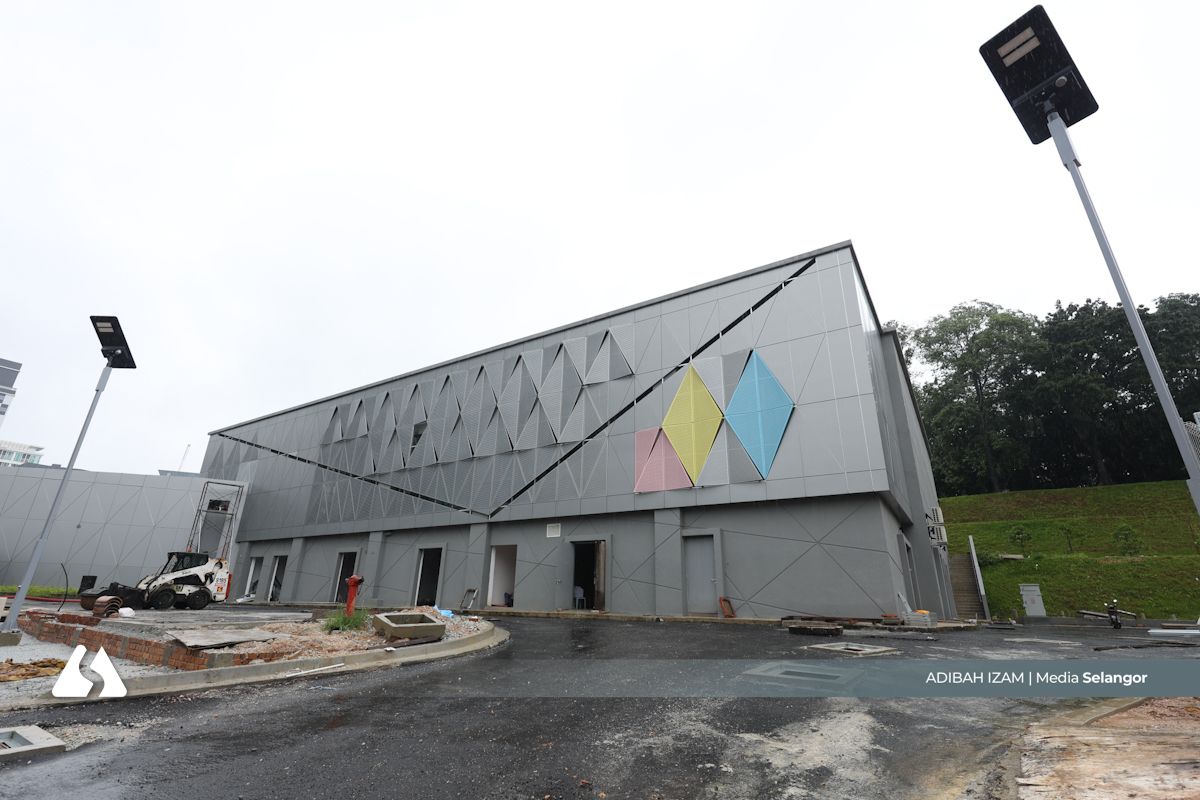
The Shah Alam stamp museum won’t just be a new landmark. The building in Section 14 will show evidence of the nation’s historic journey recorded in the world of philately. Stamps are not just tiny pieces of paper, but carry with them a cross-generational record of the country’s history.
The museum will be a wealth of knowledge and reference for the younger generation to understand Malaysia’s history and identity through philately.
“With this stamp museum, people can learn about our country through the lens of philately,” said Malaysian Philately Society president Muhamed Salim Mohd Ali.
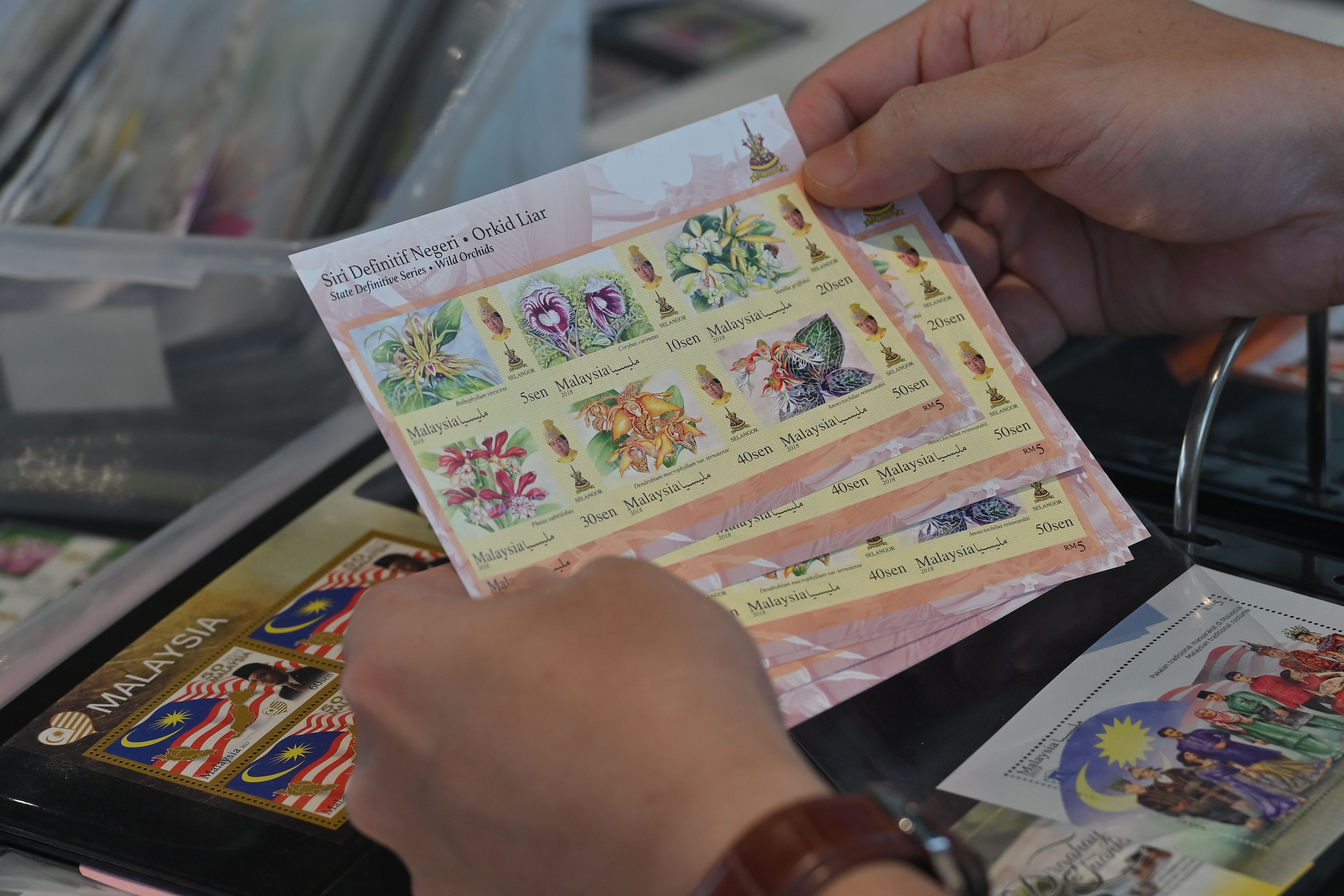
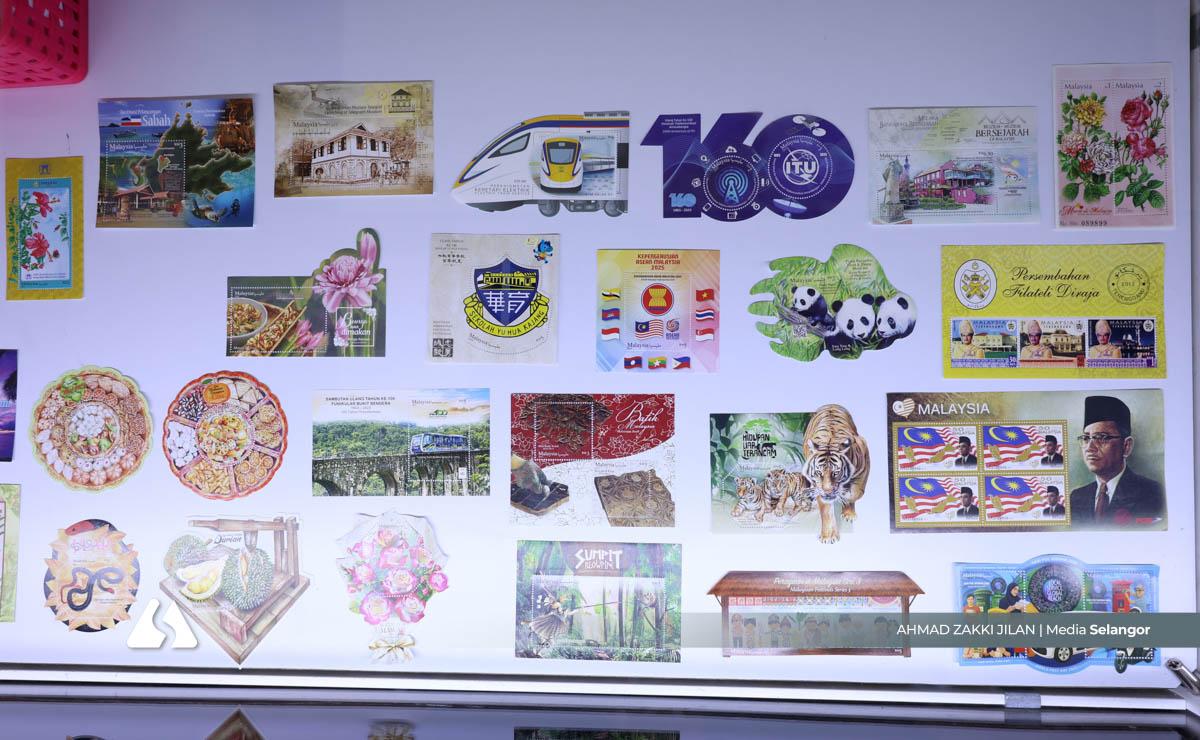
He gave an example of how stamps immortalise various important moments in the country’s history, such as the launch of national car Proton Saga in 1985 and Malaysia’s victory in the Thomas Cup in 1992. Stamps also, he said, depict the beauty of local flora and fauna that are the pride of Malaysia.
“Through various themes, dates, and illustrations, stamps elevate the nation’s arts, culture and heritage,” he added.
The Malaysian Philately Society was established in 1947 and boats around 4,500 members now. Sultan of Selangor Sultan Sharafuddin Idris Shah Alhaj, who has a collection of high-value and unique stamps, has been a patron of the society since 2008.
Salim said he hopes the Shah Alam stamp museum comes up with modern and interactive concepts to draw the interest of teenagers and children in philately. He added that this effort is important so as to make it easier for the younger generation to understand historic narratives recorded in stamps.
“Set up kiosks so visitors can buy stamps, start their personal collections, and experience posting letters or postcards,” said Salim, who has 13,000 stamps in his four-decade-old collection.
“Stamps are rich in historic, patriotic, and nationalist values.”
Stamps witness people’s evolution
For collector Tan Chee Hui, the hobby helps him learn about the nation’s history. He views stamps as important artifacts that log historic moments, culture, and the evolution of the Malaysian people.
He added that collecting stamps lets him understand the nation’s historic journey, the development of communications via post, and the patriotic and nationalist values contained in each stamp design.
“Every stamp reflects the social, political and economic context of its time, making it an interactive lesson source for younger generations who want to dive into the nation’s heritage and identity.
“Stamps are an artifact that record social and communication history, from a time when post was an important medium,” Tan said.
The draw of old stamps
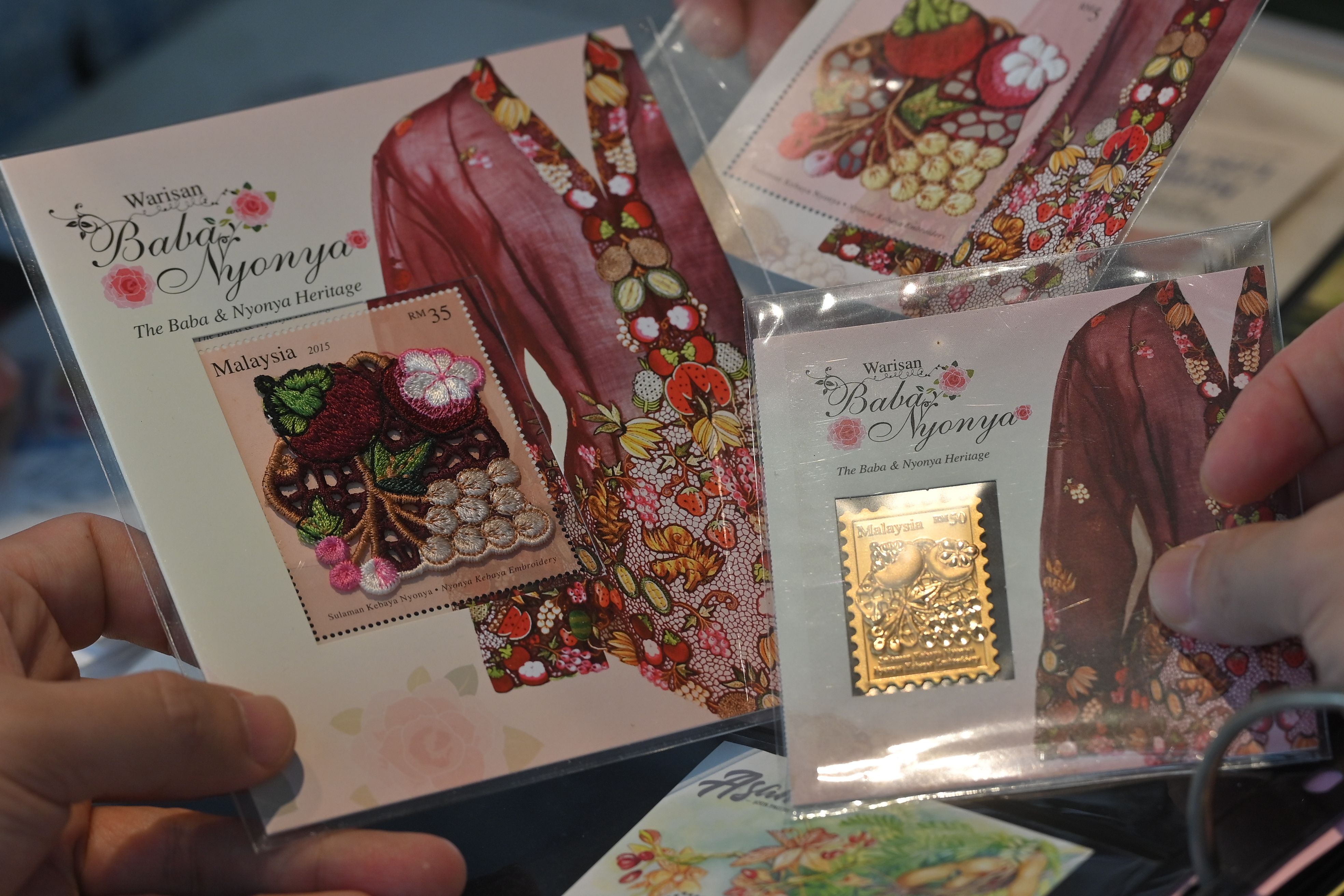
The world’s earliest made stamps, now 185 years old, are the Penny Black, Penny Red, and Penny Blue, which will be among the treasures on display at the Shah Alam stamp museum when it opens in 2027.
Issued in Britain in 1840, the stamps portray the profile of Queen Victoria and are seen as an important artifact in world post history. They bring visitors back to the very start of the postal system and early era of philately.
Visitors will also be able to view the earliest stamps of the Straits Settlements that were issued in 1867, as well as Malaya’s first ever stamp.
Besides that, visitors will be able to view classic Selangor stamps issued between 1881 and 1900, Pahang’s bisected stamp (1897), and Sungai Ujong and Perak’s first stamp (1878).
This museum won’t display just stamps, but also letters from the Federated Malay States era (1896-1941), postal documents from the Japanese occupation (1941-1945), and original drawings of a special Malaya independence stamp (1957), as well as various postal material and equipment.
According to Selangor Malay Customs and Heritage Corporation (Padat) Culture and Education Division curator Abdullah Anas Abu Bakar, the exhibit is designed to bring visitors through the development of communications and postal services across the world and country from the early 19th century to now.
He said each segment showcases the changing technology, delivery systems, and communications culture through the ages, which makes up a comprehensive picture of the evolution of the philately world.
“This museum is a national one, not just focused on Selangor even though its home is this state. There are segments about how Malaysia was formed told from the lens of philately.
“The collection shown at the museum will include colonial-era stamps, envelopes, and postal service equipment procured from various sources, such as from personal collection donations, public figures, and postal institutions,” he told Media Selangor.
Padat chief executive officer Rozzana Rahmat on the other hand said the museum will be the only stamp museum in Malaysia, thus making it a main resource centre for researchers, collectors and philately lovers from Malaysia and abroad.
“At this museum, we want to show visitors that every stamp issued has its own story and history.
“Every production series proves that stamps aren’t just postal mediums, but artifacts that record journeys, symbols, and important moments of unfolded events,” she said.
Brief facts on Shah Alam stamp museum
Its design is inspired by a stamped envelope, especially the facade of the building
It is the only stamp museum in the world designed after an envelope
Its construction cost of around RM20 million were for the physical build, interior design, electrical fittings, landscaping, and other needs of a museum
Its establishment was initiated by Sultan of Selangor Sultan Sharafuddin Idris Shah Alhaj
* This story was first published in the SelangorKini BM print edition (December 11-17, 2025), free to download here.