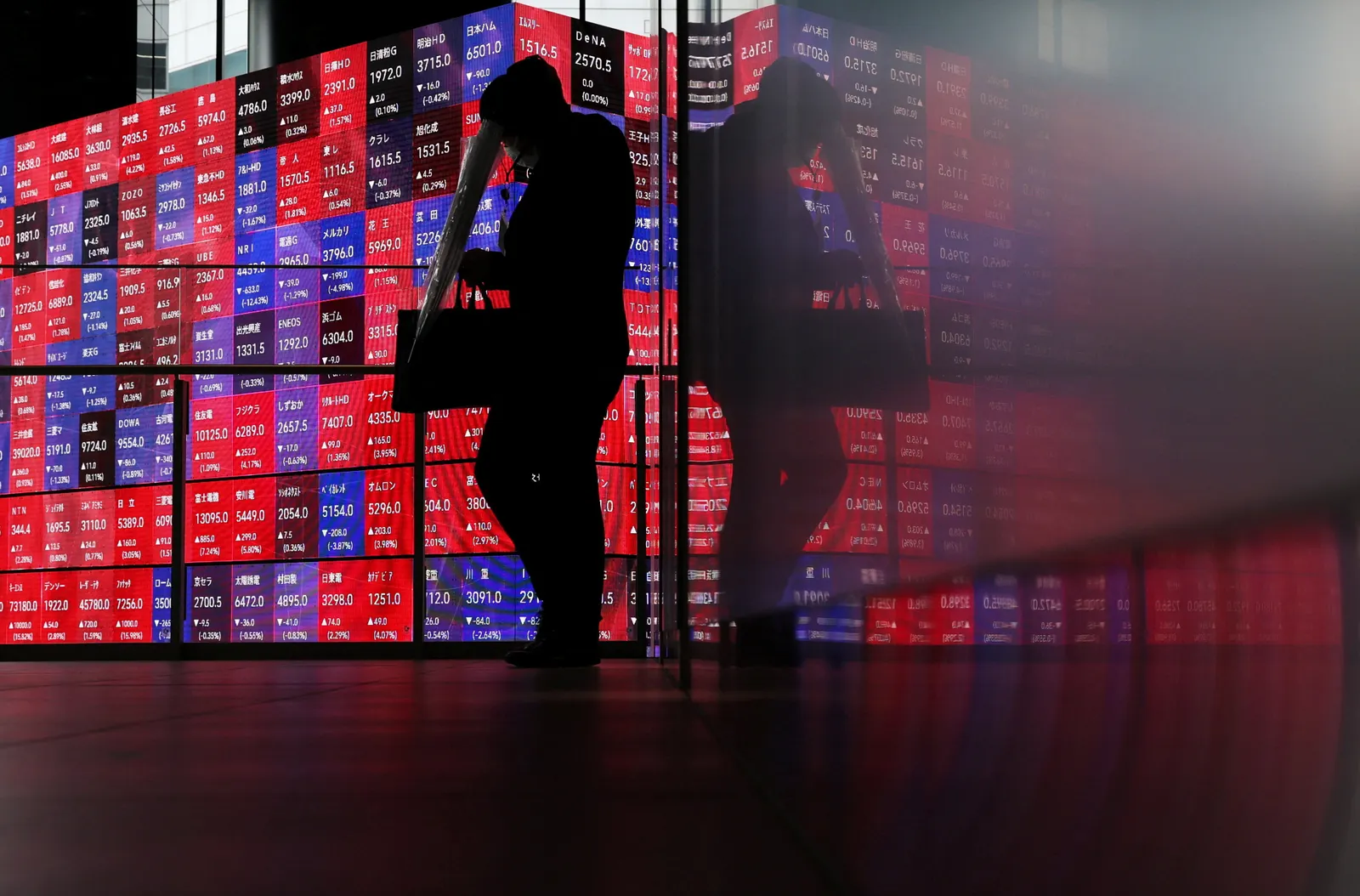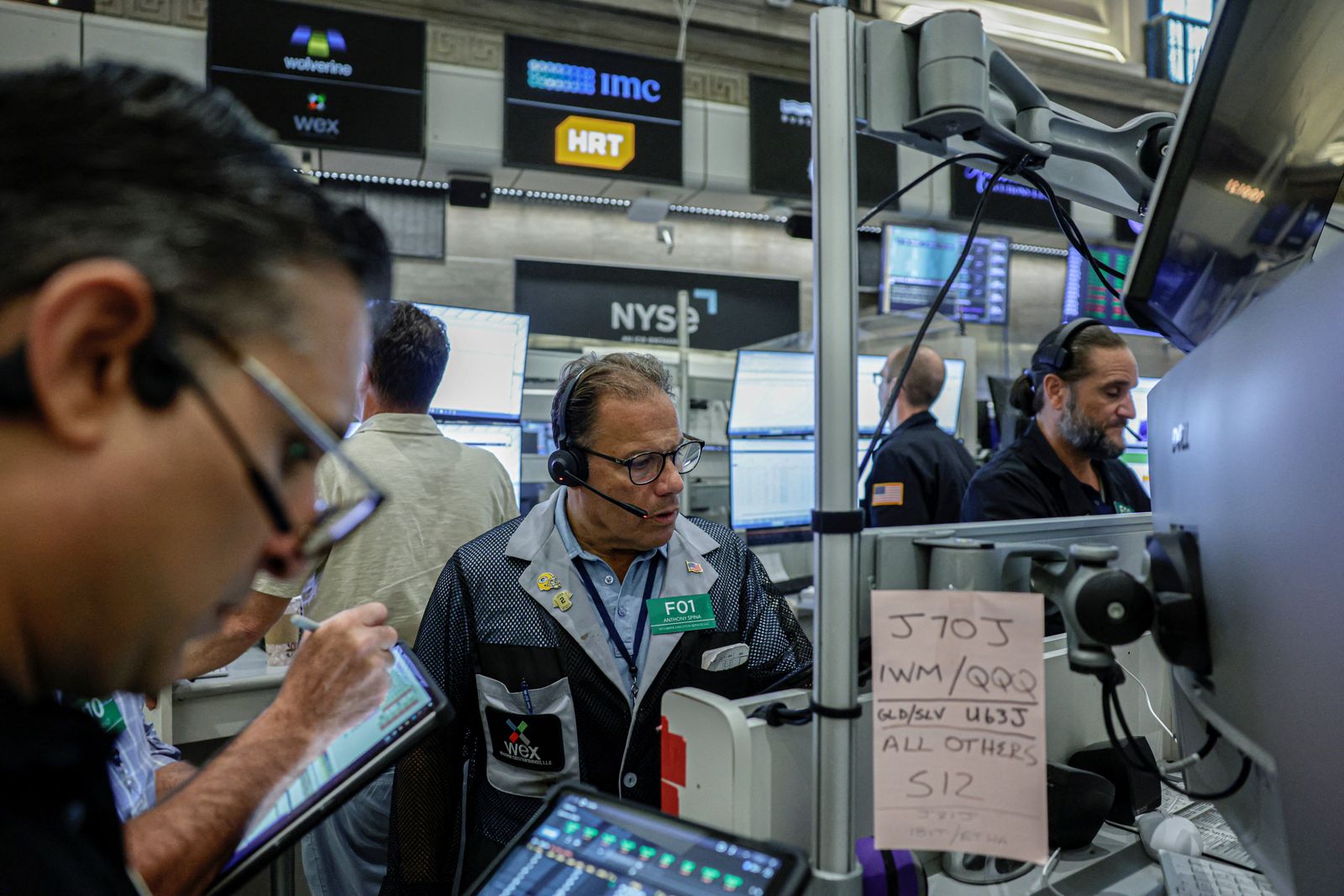
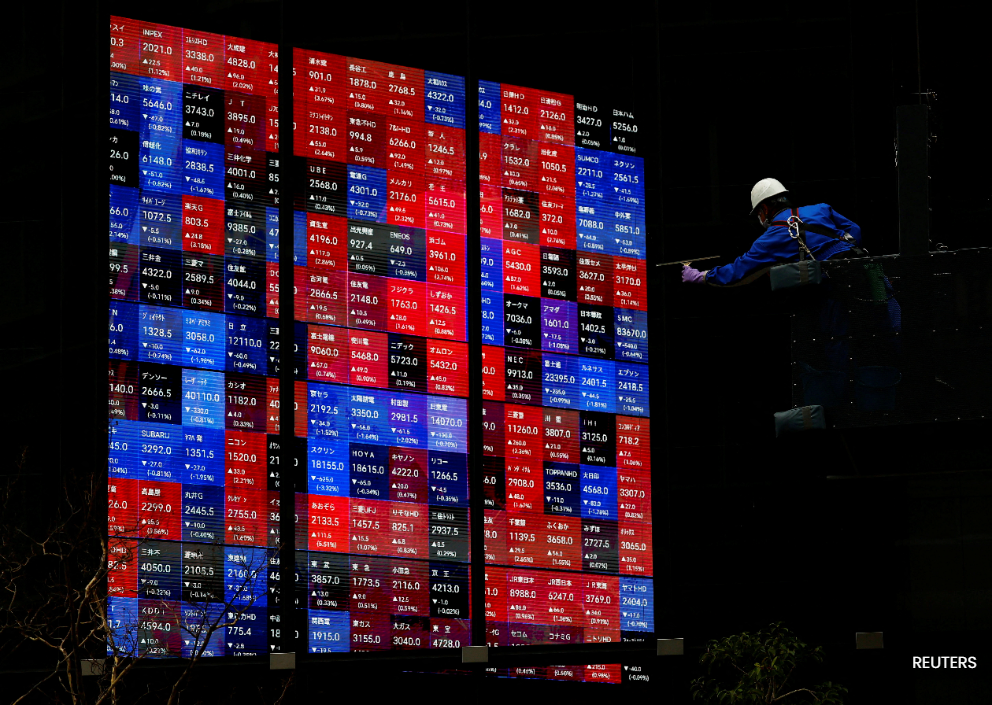
SINGAPORE, Dec 9 — Asian stocks fell while the United States (US) dollar was steady on Tuesday ahead of an expected rate cut from the US Federal Reserve (US Fed) this week as investors fretted about where US rates may head next year amid concerns about a divided central bank.
Investor sentiment remained cautious amid a wobbly start to the week, with key central bank meetings, as markets look for a clearer picture of the global interest rate outlook.
The Reserve Bank of Australia held rates steady as expected on Tuesday, ruling out further policy easing and warning that the next move could be up if inflation pressures prove stubborn. That pushed the Australian dollar to trade just shy of a near three-month high.
The Swiss National Bank and Bank of Canada are all expected to hold rates steady this week, while the US Fed is widely expected to lower borrowing costs on Wednesday.
The spotlight, though, is on what comes after the US Fed's December rate cut, with bond investors positioning for a shallow US easing cycle and many Wall Street banks predicting fewer Fed interest rate cuts in 2026 on lingering inflation concerns and expectations of a more resilient US economy.
MSCI's broadest index of Asia-Pacific shares outside Japan was 0.65 per cent lower after a weak overnight session on Wall Street. European futures pointed to a subdued open as an air of caution gripped markets.
"The low-hanging fruit from risk management cuts is likely over, and Chair (Jerome) Powell's presser is likely to convey a more cautious approach going forward regarding additional policy recalibration.
"The dot plot is likely to show one cut in 2026. In the instance the dot plot shows two cuts for next year, this would be dovish," said TD Securities senior Asia-Pacific rates strategist Prashant Newnaha.
LSEG data has revealed that traders are pricing in 77 basis points of easing by the end of next year.
While a rate cut is broadly expected, some strategists think the US Fed's policy committee could be sharply divided.
The meeting will also be held amid heightened market interest in who will succeed Powell as US Fed Chair when his term ends in May next year. White House Economic Adviser and top contender for the Fed Chair role Kevin Hassett said in an interview that the US Fed should continue to lower interest rates.
Pictet Wealth Management senior US economist Xiao Cui expects solid growth, above-target inflation, and a slowing labour market to increase internal divisions at the FOMC and make 2026 a particularly challenging year for policymakers.
"We see risks that Fed cuts are delayed into the second half of 2026," she said.
Asian chip stocks wobbled after US President Donald Trump said the US will allow Nvidia's H200 processors, its second-best artificial intelligence chips, to be exported to China and collect a 25 per cent fee on such sales. China's CSI Semiconductor Industry Index was down 0.5 per cent while the broader CSI300 index was down 0.47 per cent.
In currencies, the dollar was steady on Tuesday. The euro last bought US$1.1649 while sterling was 0.11 per cent higher at US$1.3336. The Aussie was 0.33 per cent higher at US$0.6646, hovering near the highest level since mid-September after RBA Governor Michele Bullock flagged risks of a move up in rates due to inflationary pressures.
The yen was little changed at 155.91 per dollar after weakening immediately following a powerful earthquake that rocked Japan. The Japanese authorities lifted tsunami warnings on Tuesday, hours after a 7.5-magnitude quake shook northeastern regions, injuring at least 30 people and forcing about 90,000 residents to evacuate their homes.
In commodities, oil prices extended losses after diving two per cent in the previous session as market participants kept a close eye on peace talks to end Russia’s war in Ukraine.
Brent crude futures were 0.3 per cent lower at US$62.32 a barrel. U.S. West Texas Intermediate crude was at US$58.64, down 0.41 per cent.