
SHAH ALAM, Dec 7 — Frequent fevers in babies or children often worry parents, but a specialist explained that the condition is normal and becomes less common as the child grows older.
A fever is considered high when body temperature exceeds 38°C. Parents are advised to take their child to a doctor if the fever persists despite medication or is accompanied by seizures, severe vomiting, diarrhoea, rash, prolonged cough, or signs of dehydration.
KPJ Klang Specialist Hospital paediatrician and endocrinologist Dr Ooi Hoi Leng said fevers caused by common viral infections usually resolve within three to five days, but medical care is needed if the fever continues or if the child appears tired and lethargic.
“Children who remain active while having a fever usually do not require emergency treatment. Parents should observe their child for any changes in behaviour.
"Serious symptoms such as difficulty breathing, confusion, or reduced fluid intake require immediate attention and treatment,” she said.

Home treatment steps
Dr Ooi advised parents to keep a thermometer to monitor their child’s temperature, administer fever medication according to the prescribed dosage, and use the ‘sponging’ method with normal-temperature water to help bring down the fever.
“Normal body temperature is around 37°C. For example, if the temperature is 37.2°C or 37.3°C, parents can continue monitoring without immediately giving fever medicine. But if it reaches 37.5°C or close to 38°C, it is better to give medication.
"A temperature above 38°C indicates a fever that requires attention. There are ways for parents to reduce a child's fever.
"Use normal-temperature water, remove clothing and apply compresses on the forehead, neck, underarms, and both the front and back of the body repeatedly to bring the temperature down. They may also bathe the child, but not with water so cold that it causes shivering.
“Children are encouraged to wear light clothing, stay in a well-ventilated room, and avoid being wrapped in thick blankets. Cooling gel pads can help reduce temperature, but still require monitoring.
"If the child’s temperature is very high, the gel will dry out quickly, and once dry, it is no longer effective,” she said.
Dr Ooi emphasised that hydration is crucial. If the child refuses to eat, parents must ensure adequate fluid intake to prevent dehydration, like offering coconut water, juice, or milk, depending on the child’s suitability and preference.
Children who frequently develop fevers are actually building antibodies against various viruses and bacteria, similar to the immunisation process through vaccination.
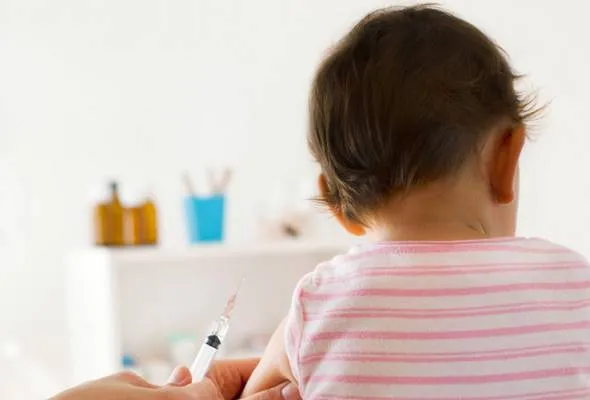
Receive at least the basic vaccines
She also stressed the importance of following the vaccination schedule set from infancy to protect against preventable diseases.
“Vaccination is the process of giving a small amount of weakened bacteria or virus to stimulate the immune system. The body then produces antibodies that protect infants and children.
"Without vaccination, children are exposed to diseases listed in the immunisation schedule, like diphtheria and pertussis.
“Parents certainly do not want their children to suffer from illnesses that can actually be prevented with vaccines. For example, the pneumococcal vaccine is now compulsory under the immunisation schedule.
"Pneumococcal bacteria are still present in the community. If children are not vaccinated, they are at risk of serious infections, including pneumonia, ear infections, or infections of the brain,” Dr Ooi said.
Therefore, she encouraged parents who have missed vaccination appointments to bring their child to a health clinic for consultation on suitable vaccines for the child’s age.
“Basic vaccines are usually completed around 18 months of age, with boosters in Year One. Some parents worry about vaccine complications because of information they have read.
"But scientifically, most of those concerns have no concrete proof, whereas the benefits of vaccines in protecting against diseases have been proven for decades.
“If parents are too worried to receive all optional vaccines, at the very least they should receive the basic compulsory vaccines recommended by the Health Ministry to protect their child,” Dr Ooi said.
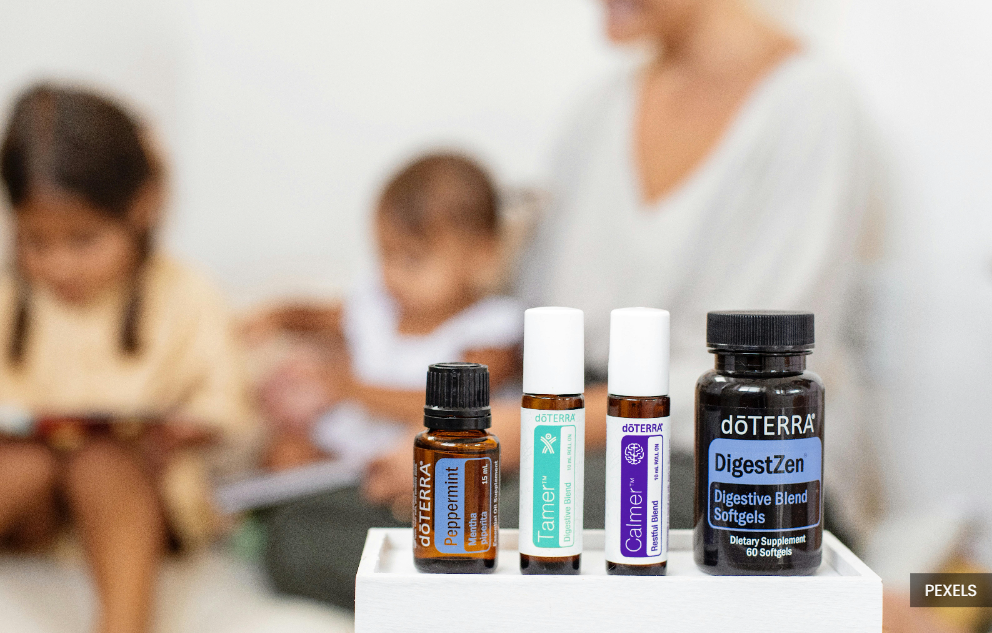
Consult a doctor before giving supplements
She also advised parents not to routinely give additional supplements without medical confirmation, as these may potentially affect the child’s health.
“Every supplement must be suited to the child’s age, diet, and specific needs. If a child eats well, has a good appetite, is not picky and has a balanced diet, additional supplements are usually unnecessary.
“Supplements are mainly for specific cases, such as children who are extremely picky eaters, have poor weight gain, fall sick frequently, or have sensitive respiratory issues. In such cases, parents may discuss with a paediatrician or dietitian to determine the appropriate supplement based on the child’s age and condition,” Dr Ooi said.
She reminded parents that the key to a child’s health is a balanced diet, adequate sleep, and a clean, dust-free environment.
“In this regard, fever is not the enemy, but a sign that the body is fighting infection. With close monitoring, a clean environment, a balanced diet, and complete vaccination, children can thrive with a stronger immune system,” Dr Ooi said.