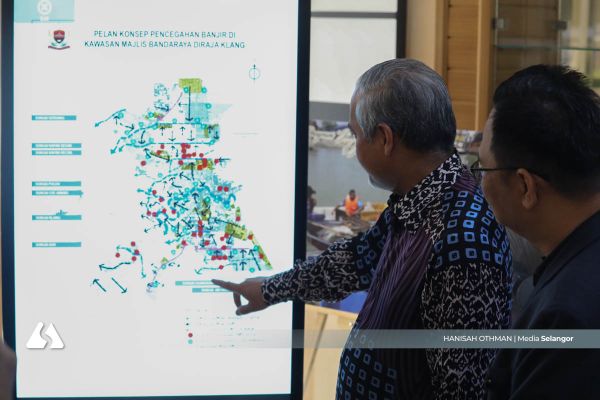
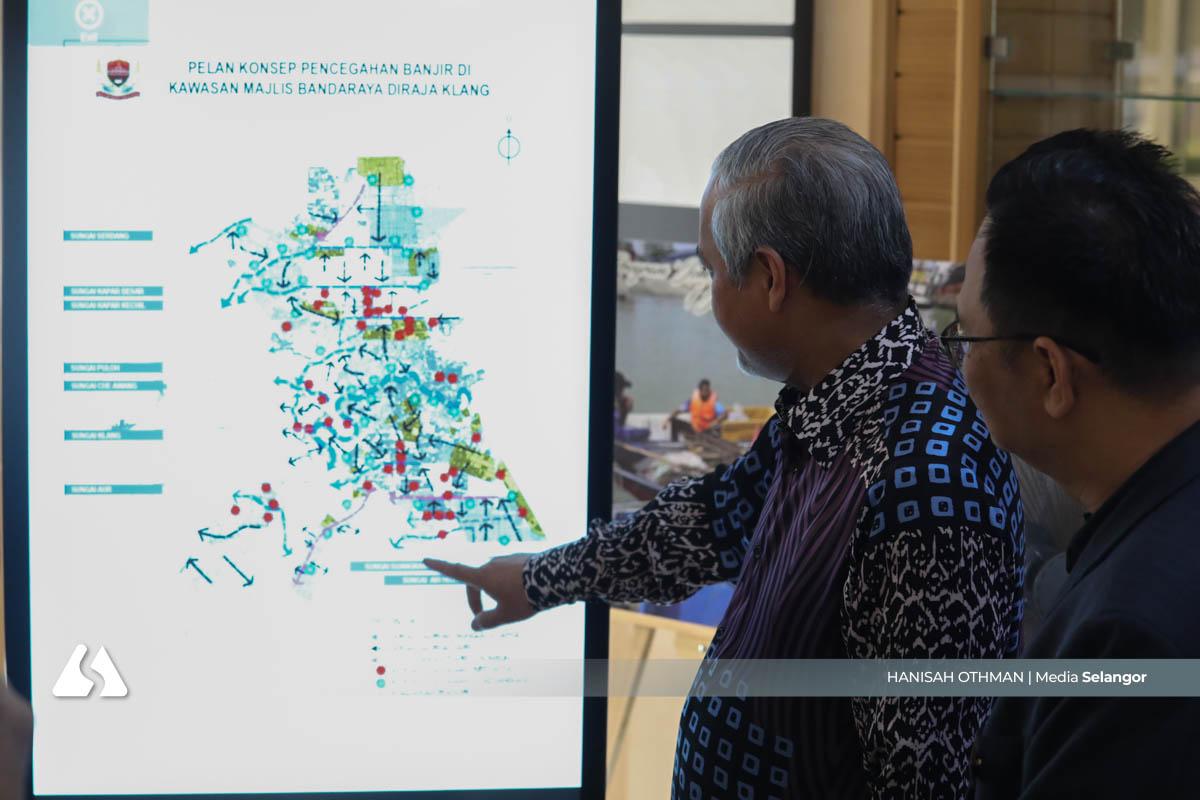
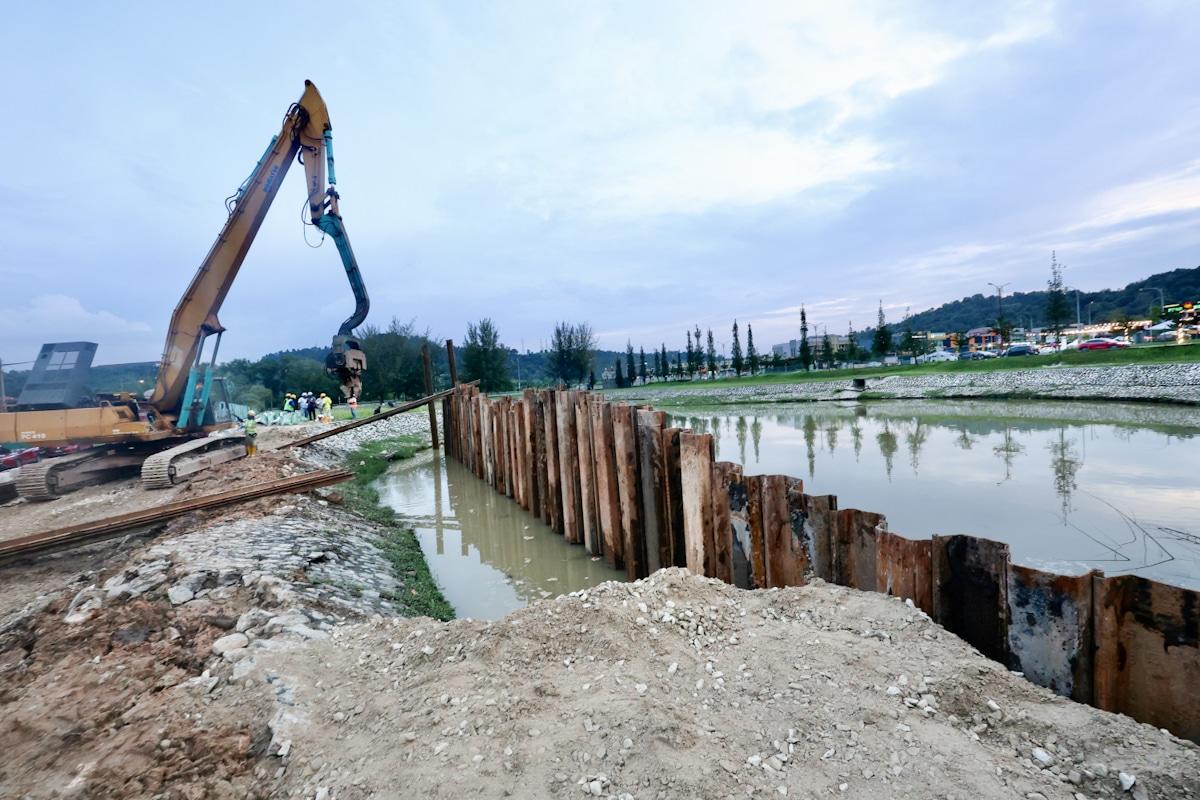
KLANG, Dec 4 — Klang aims to roll out six flood-mitigation projects worth RM12 million starting next year, as part of ongoing efforts to strengthen the district’s protection against flooding amid increasingly extreme weather conditions.
Its Mayor Dato’ Abd Hamid Hussain said the two main projects involve upgrading the drainage systems in Taman Maznah and Taman Palm Grove, with each receiving RM5 million in funding.
The local council will also introduce a RM500,000 flood-monitoring and early-warning system.
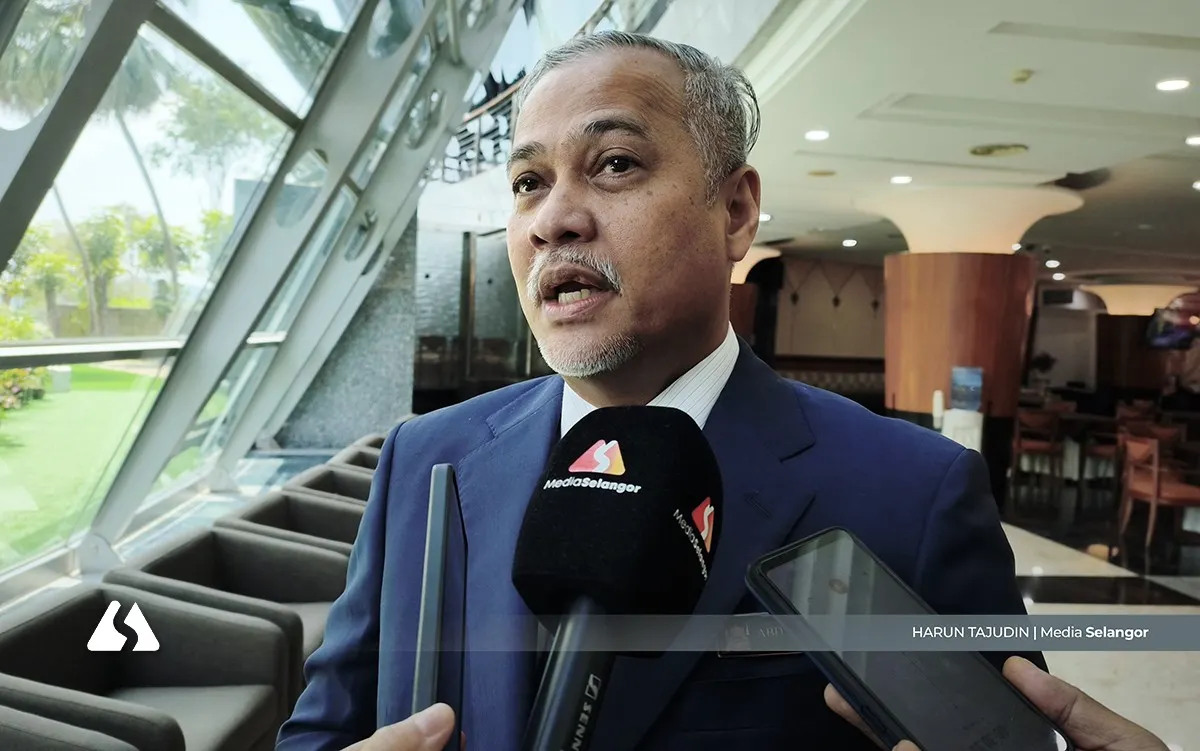
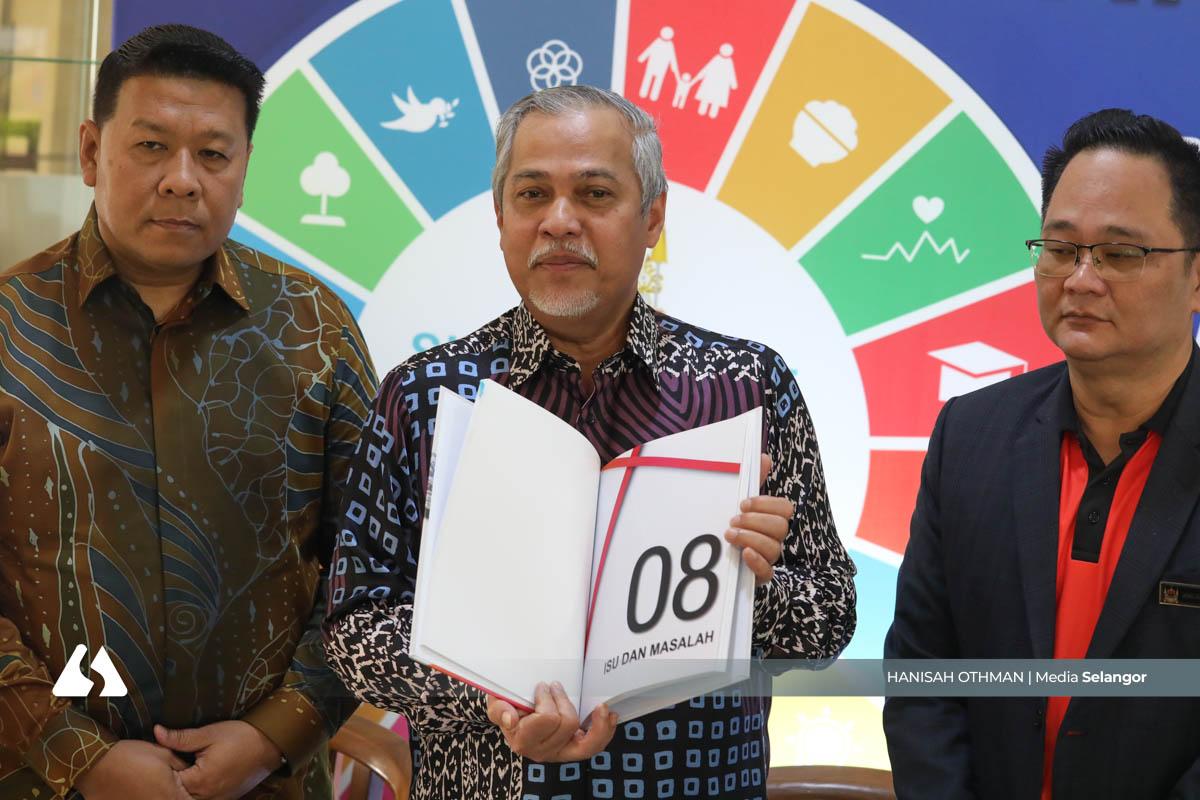
“Three more projects involving design consultancy services in Taman Ambang Botanik, Bandar Bukit Tinggi and Taman Sri Andalas with a total cost of RM1.5 million,” he said during a press conference after the engagement session for the Flood Prevention Plan at the Royal Klang City Council (MBDK) Building today.
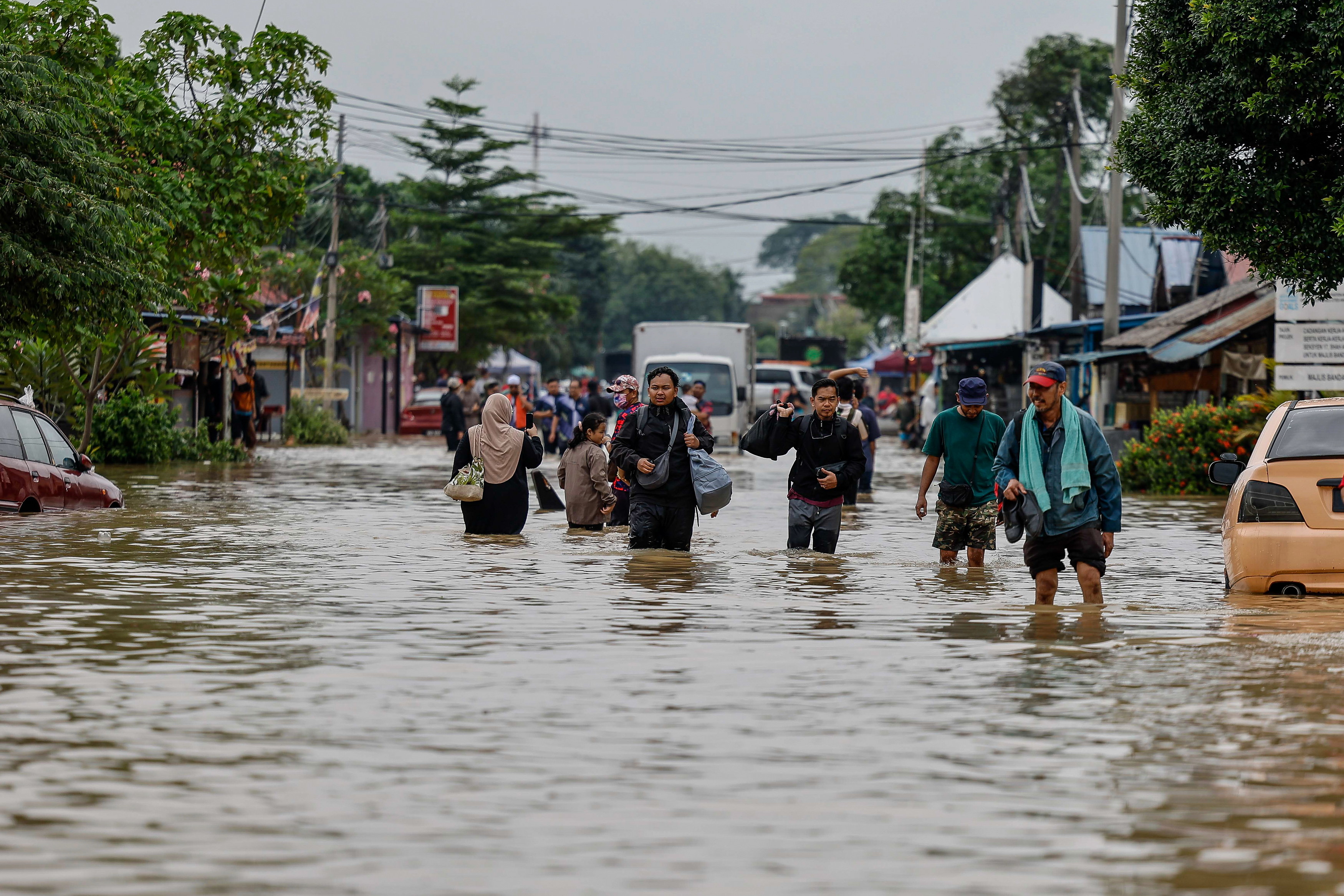
Hamid also noted that Klang’s existing mitigation strategies have shown encouraging results, using tropical storm Senyar as a new benchmark to assess the effectiveness of current measures.
“The latest floods only affected the areas of Meru, Pulau Indah, and Teluk Gong, even though Senyar brought continuous heavy rain. The existing mitigation plan has successfully reduced the impact on the community, and we hope this effectiveness can be maintained in the long term.
“RM127 million has been allocated up to the year 2030 to implement flood-mitigation initiatives across Klang in phases, which include building retention ponds, upgrading drainage networks, and developing related infrastructure,” he said.
Most of these projects focus on adding new retention ponds and enhancing existing drainage systems, as the district’s rapid urbanisation has outpaced the capacity available two decades ago.
Hamid added that Klang’s fast development has reduced natural catchment areas, with former plantations and water-absorbing land converted into industrial and residential zones.
“As a result, rainwater flows directly into the drainage system without any absorption process. This requires building more retention ponds.
“We hope housing and industrial developers can sacrifice a small portion of their land for this purpose to prevent flood risks,” he said.