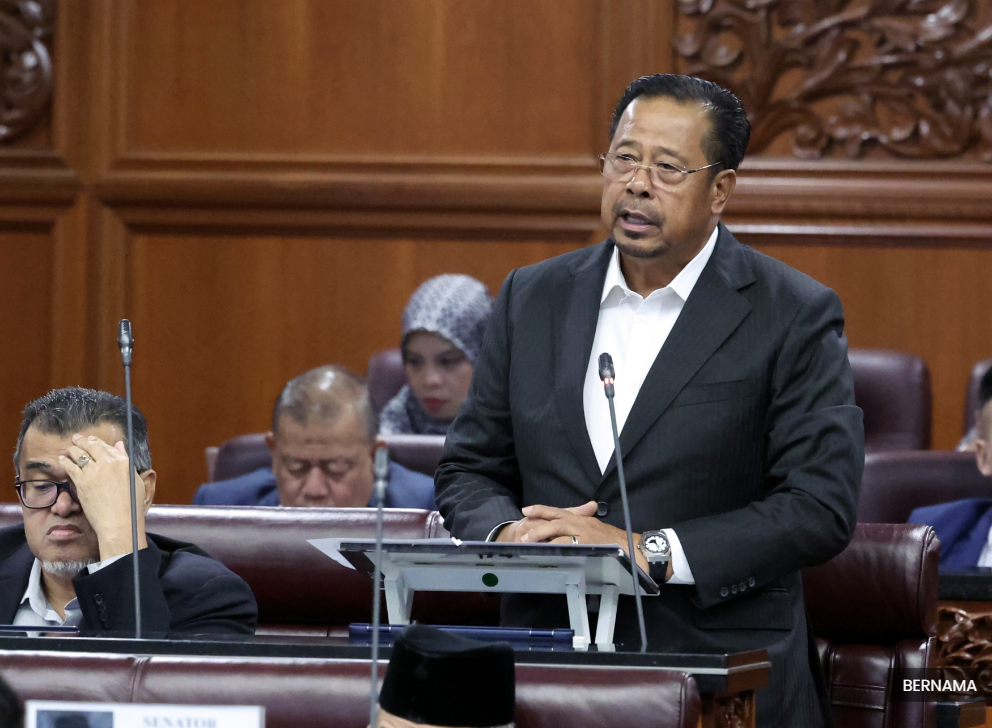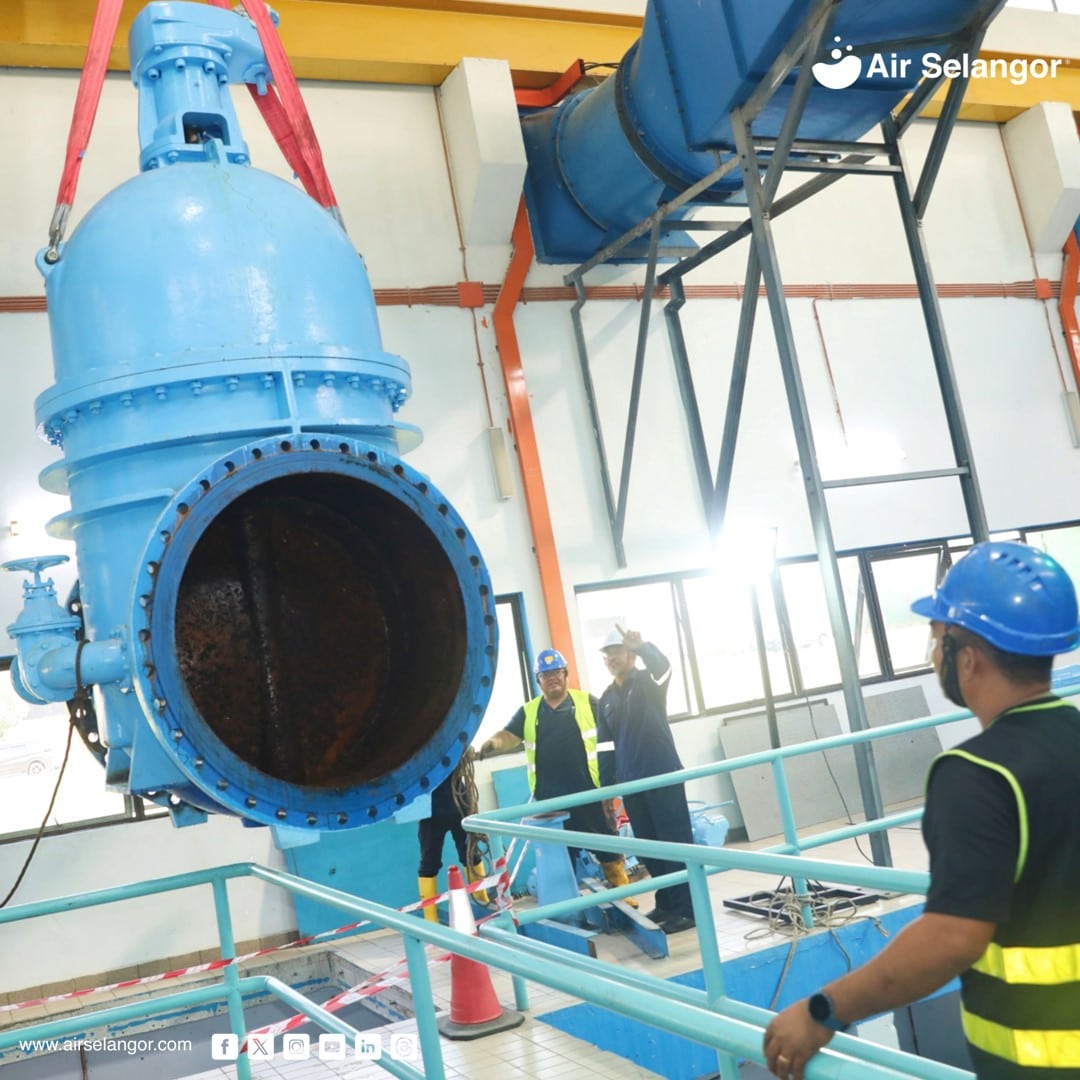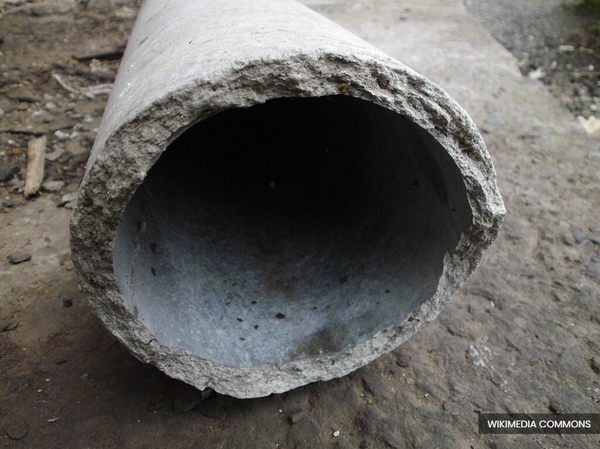
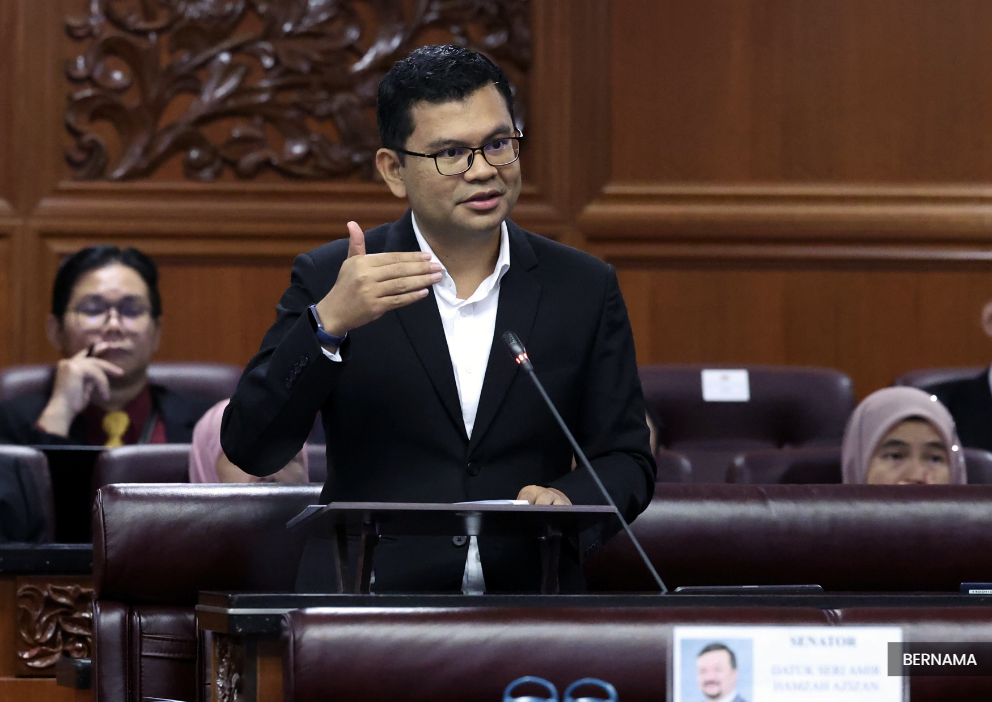
SHAH ALAM, Dec 4 — The government aimed to replace all critical asbestos cement (AC) water pipes in the country by 2040, as part of its efforts to reduce water losses and improve service quality, said Energy Transition and Water Transformation (Petra) Deputy Minister Akmal Nasrullah Mohd Nasir.
Citing the National Water Services Commission (SPAN) Water and Sewerage 2024 Fact Book, he said the total length of AC pipes in Peninsular Malaysia and the Federal Territory of Labuan is 39,287km, accounting for 28 per cent of all pipelines.
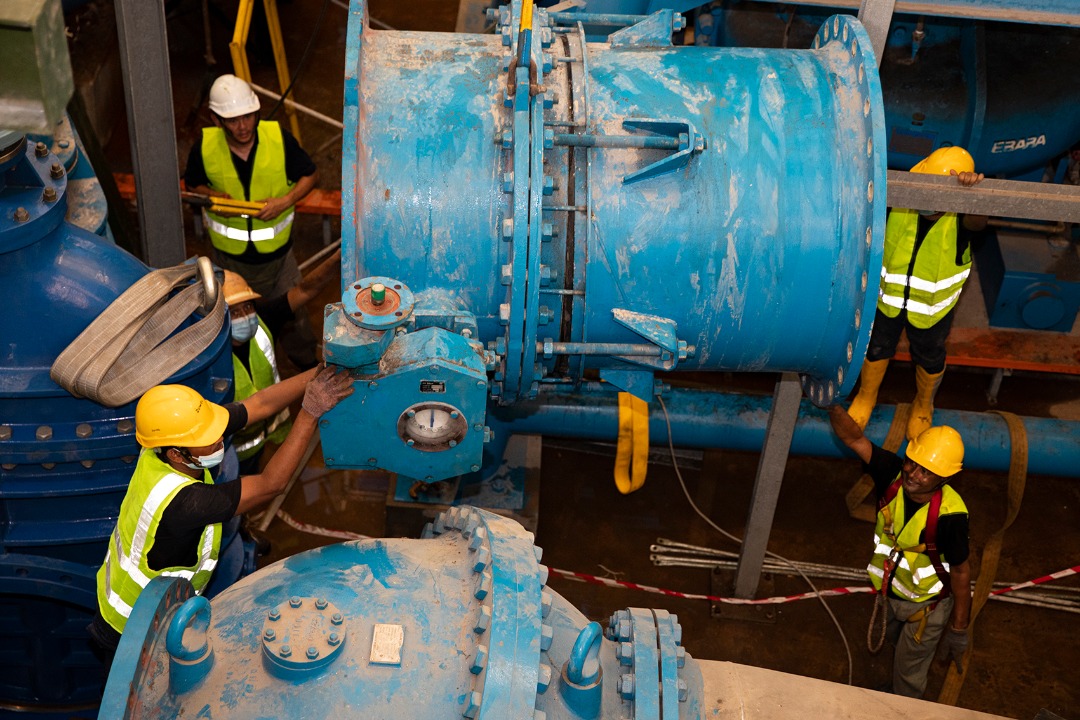
In July last year, the government approved improvements under the national Non-Revenue Water (NRW) programme, which includes replacing 1,844km of critical pipes nationwide.
“The programme will be implemented in phases from 2025 to 2030, prioritising areas with high leakage rates, frequent consumer complaints, and locations that affect water supply quality,” he said during the question-and-answer session in the Parliament today.
Akmal added that the replacement programme is scheduled to run through the 13th and 14th Malaysia Plan, aiming for full completion by 2040, subject to government approvals at the Federal and state levels.
With a total of 2,210km of AC pipes replaced nationwide from 2020 to 2024, he said the pace of replacement depends on water operators' capabilities, as the pipes remain under their responsibility.
When asked about conventional water treatment technologies in Malaysia, the deputy minister said that all major treatment plants in the country currently use conventional processes, including aeration, coagulation and flocculation, sedimentation, filtration, and disinfection, with chemicals applied at certain stages.
“These conventional technologies are sufficient to treat water and comply with the minimum water quality standards set by the Health Ministry,” he said, adding that Petra continues to explore new approaches under the Integrated Water Sector Transformation (WST) framework in Malaysia's 2040 water plan.
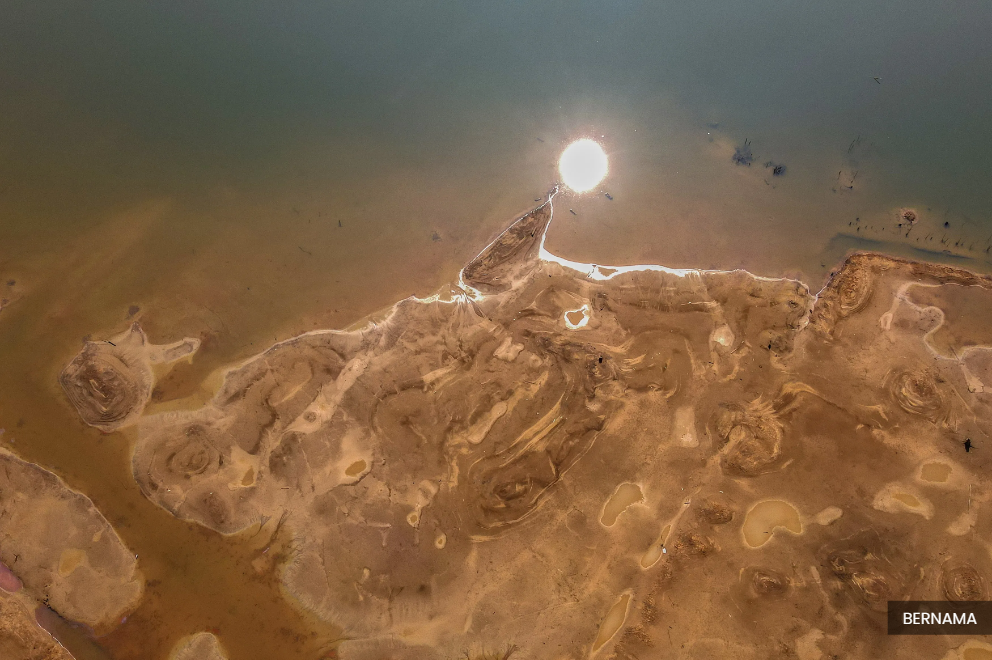
Meanwhile, Akmal also addressed issues related to non-conventional water treatment and reclaimed water, noting that although Malaysia is open to technologies such as wastewater reuse, water reclamation, and desalination, cost remains a significant challenge.
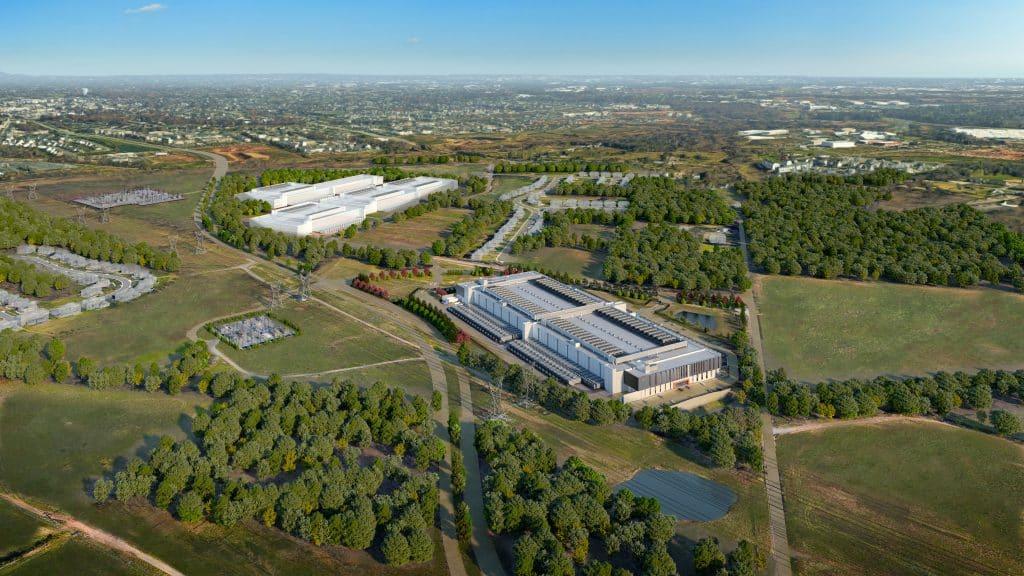
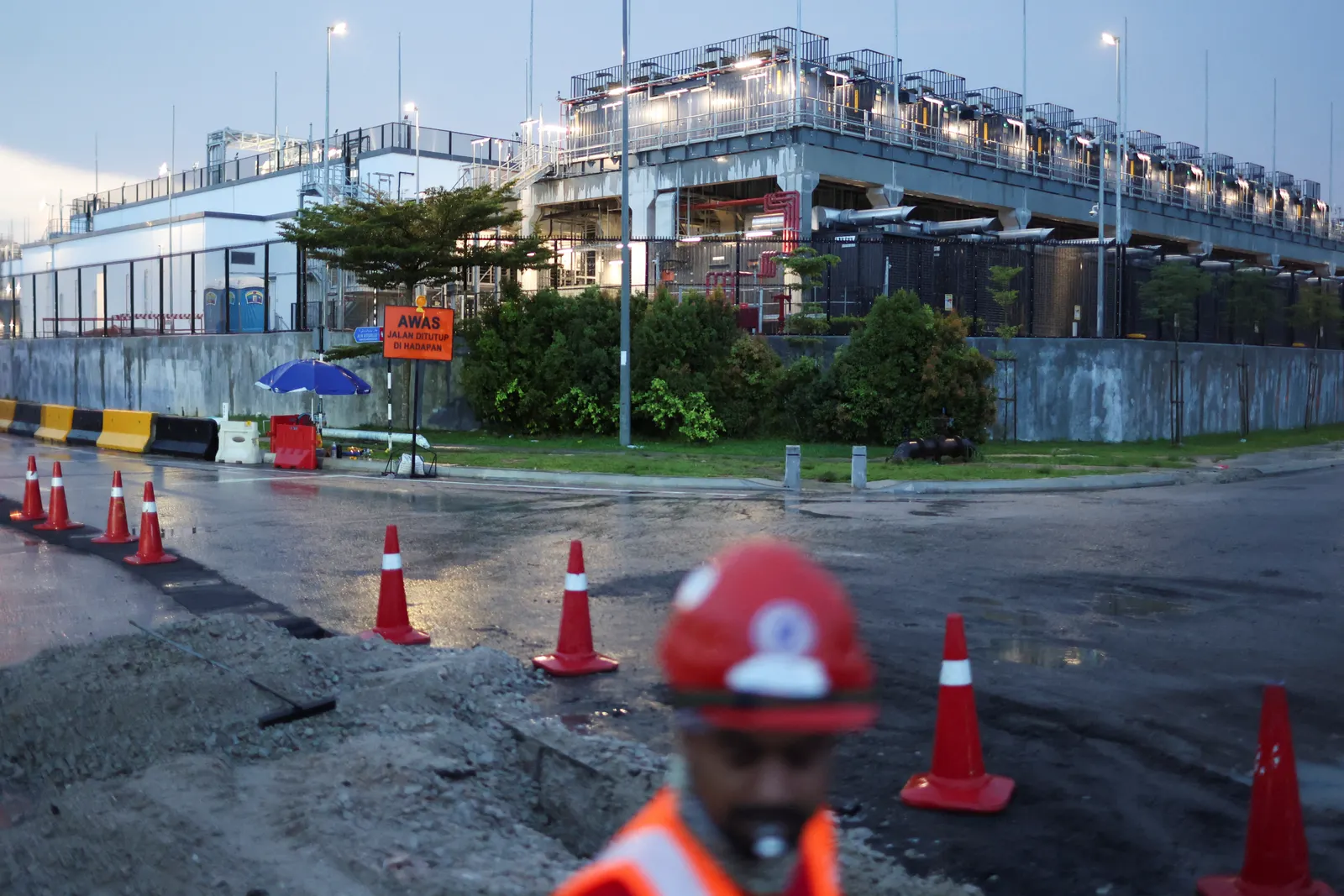
He also emphasised the importance of reclaimed water for high-demand users, especially data centres.
“In Malaysia, data centres are among the largest consumers of water. For reclaimed water, Petra has set a target of 118 million litres per day usage by 2030,” Akmal said.
Current initiatives include a project in Johor, a collaboration between Indah Water Konsortium (IWK) and the Johor Special Water Unit (JSW) to supply reclaimed water to data centres, and a similar project with Amazon Web Services (AWS) for facilities in Cyberjaya and Semenyih.
He said regulatory adjustments will be needed to match demand and supply for reclaimed water while improving overall water services.
“We will look into refining water service operations and presentation, including matters related to reclaimed water,” Akmal said.