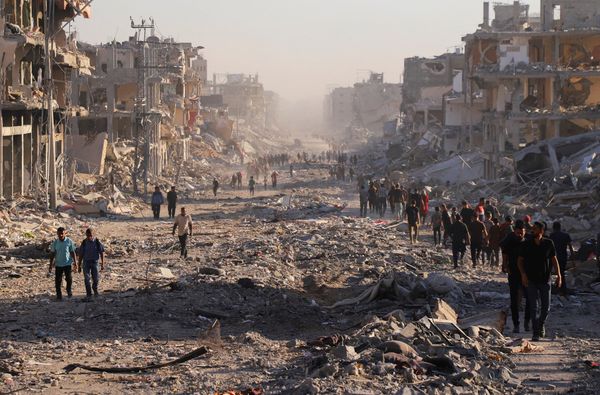
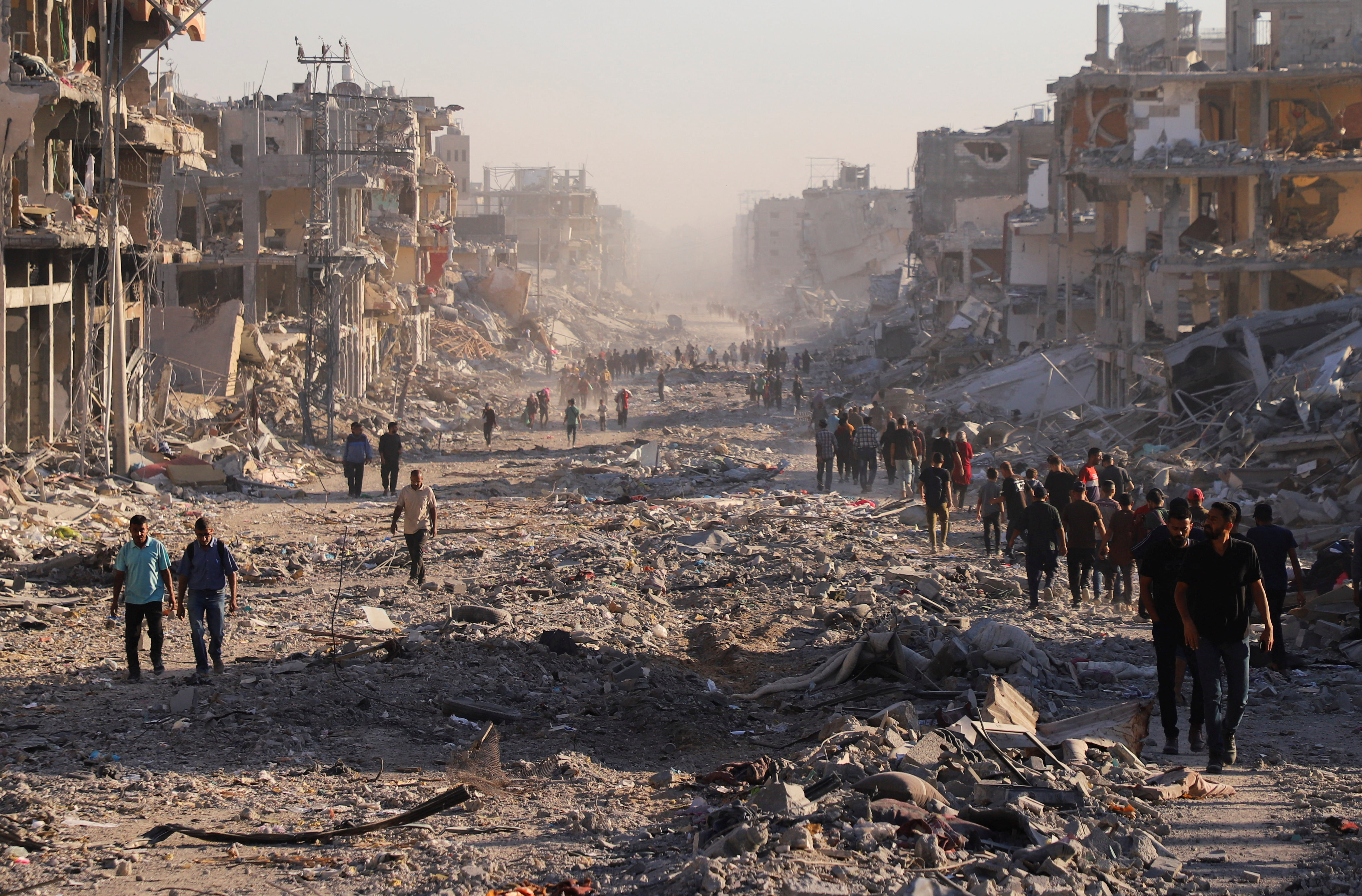
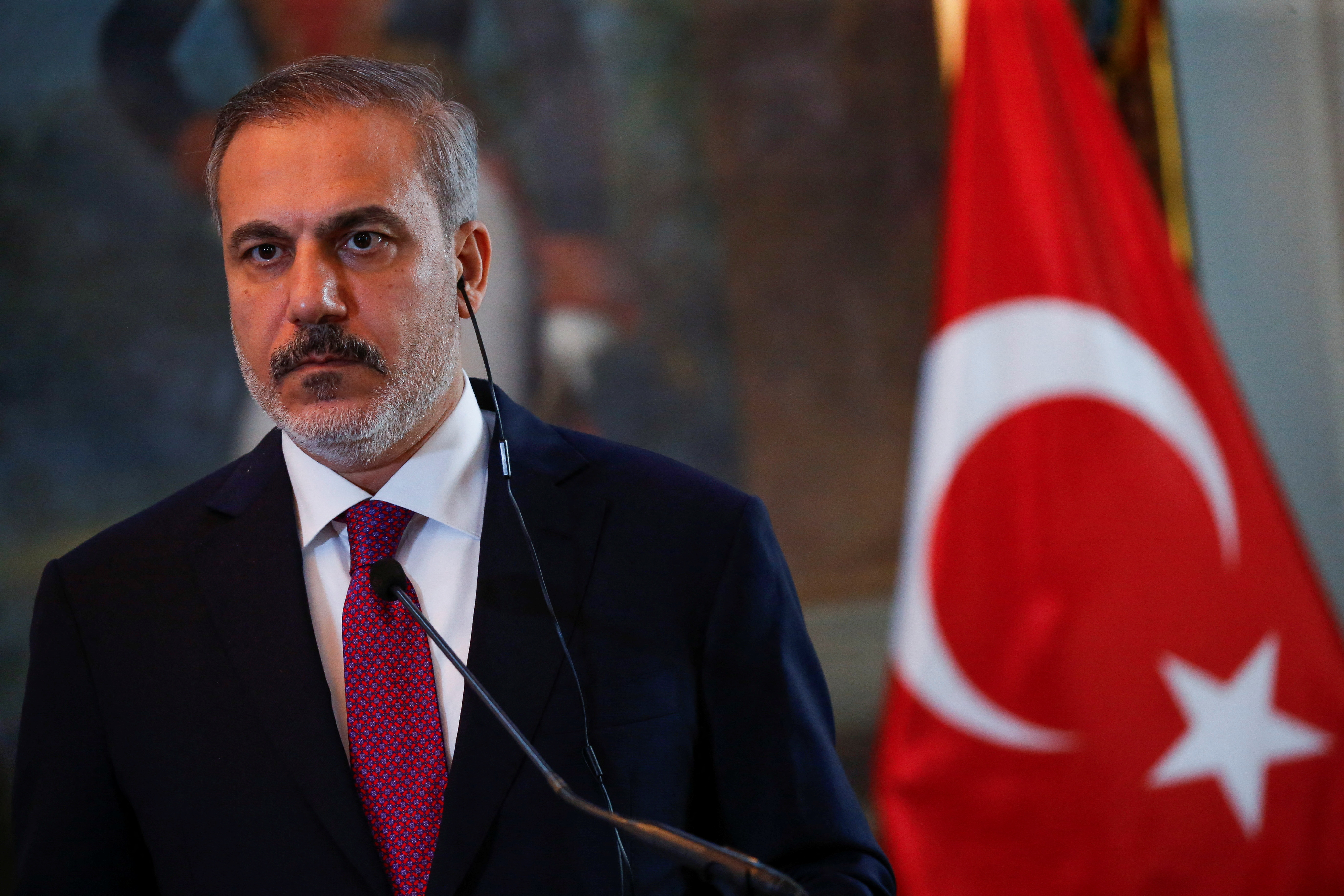

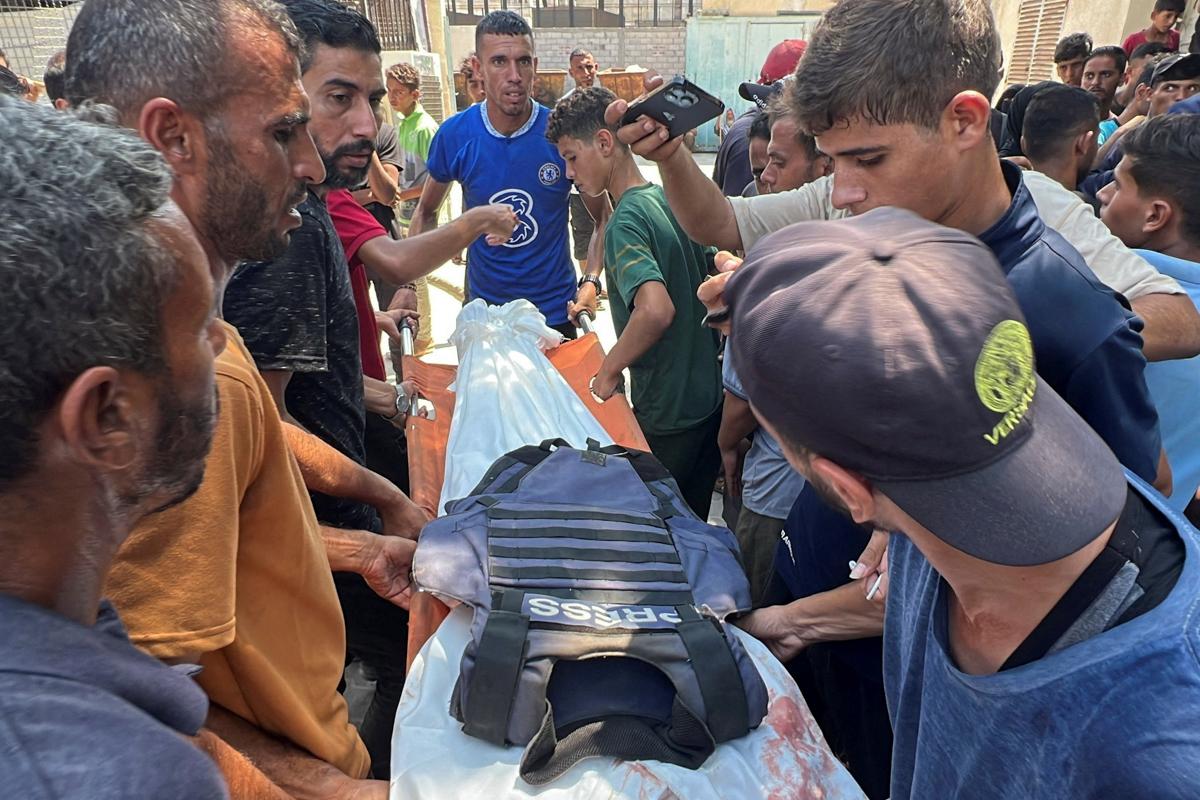
ANKARA/ISTANBUL — Turkish Foreign Minister Hakan Fidan has said that Turkiye is prepared to assume responsibility in the Gaza Strip, including the possibility of deploying troops, if necessary.
Anadolu Ajansi reported that Ankara is ready to shoulder the burden in Gaza, and "it will fulfill its responsibilities with a great sense of duty, including sending troops. This is our clearest message to the international community on this matter,” he said in a live interview with A Haber.
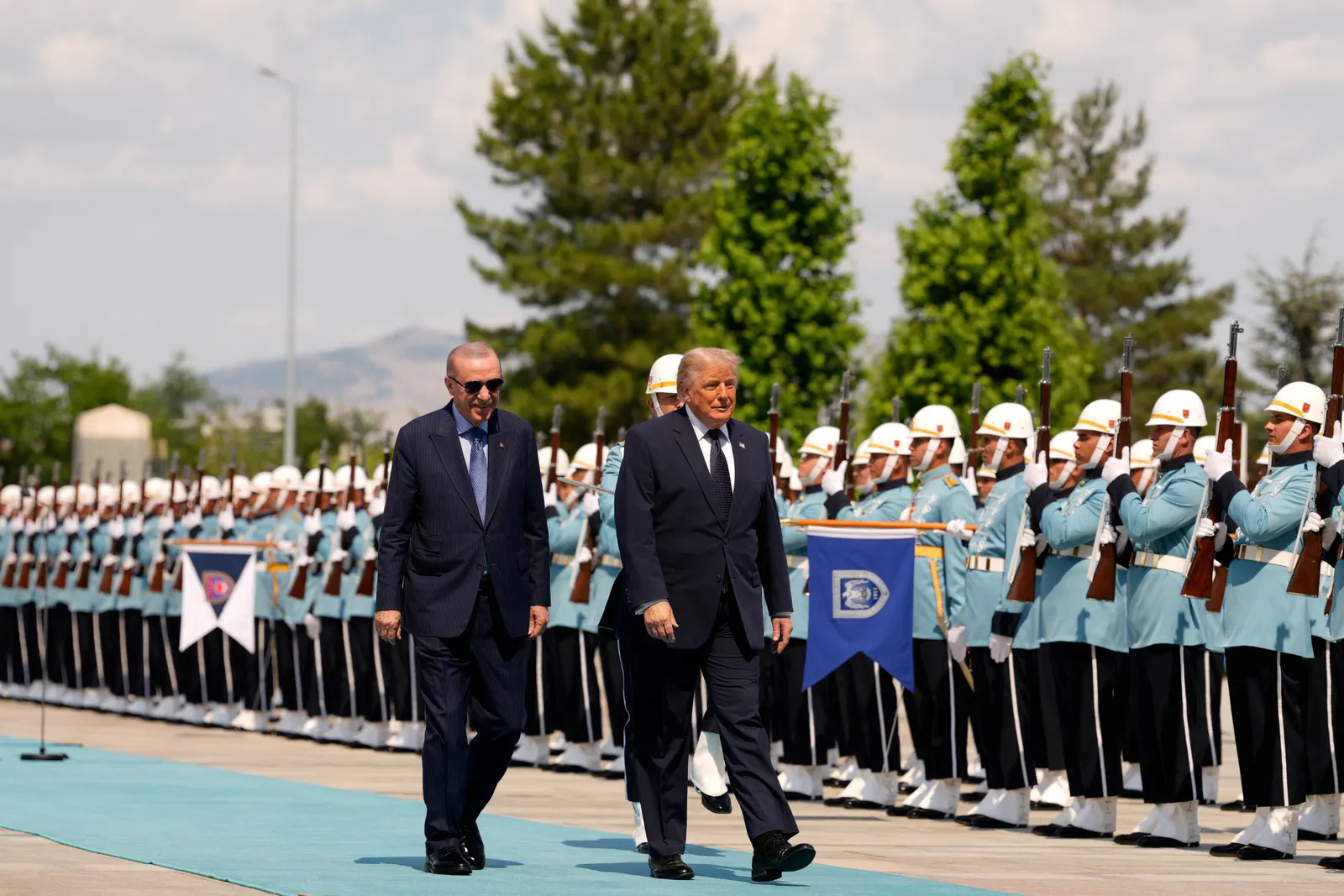
Noting President Recep Tayyip Erdoğan's September meeting with his United States' (US) counterpart Donald Trump, Fidan said the two leaders discussed major topics concerning relations and regional dynamics.
The talks in the US again raised critical issues for both countries, the wider region, and global peace and stability.
He said that maintaining a shared understanding and close coordination is essential to safeguard and advance Turkiye’s national interests, adding that discussions at the White House focused on Syria, Palestine, and Ukraine.
The proposed stabilisation force is one of the two structures outlined in the phased Trump Peace Plan, and discussions are focused on shaping a legal framework that would define its mandate and its functioning once implemented.
Fidan noted that discussions are ongoing regarding the establishment of a peace commission and an International Stabilisation Force for Gaza, as the proposals continue to evolve, and the US is working on the issue in consultation with Turkiye.
Preliminary efforts for the stabilisation force have begun, including a US-coordinated Civil-Military Coordination Centre set up with Israel.
The Civil-Military Coordination Centre (CMCC), officially inaugurated on October 17, is the first international operational platform established by US Central Command in Israel to monitor developments in Gaza following a ceasefire agreement.
Fidan emphasised that Washington, which backed the Trump-era ceasefire plan, has developed a mechanism to address obstacles in the process — a step he described as important in terms of ownership and commitment.
Turkiye remains determined to advance the mechanisms needed to coordinate progress on the ceasefire agreement, stressing that close dialogue continues between the relevant military authorities.
Ankara played an active role in the Sharm el-Sheikh talks that enabled the Gaza ceasefire, and that Egypt, Qatar, and Turkiye helped bring the agreement into effect.
He said the declaration, signed by the countries, is not a traditional guarantor model but rather reflects their continued political support for the truce.
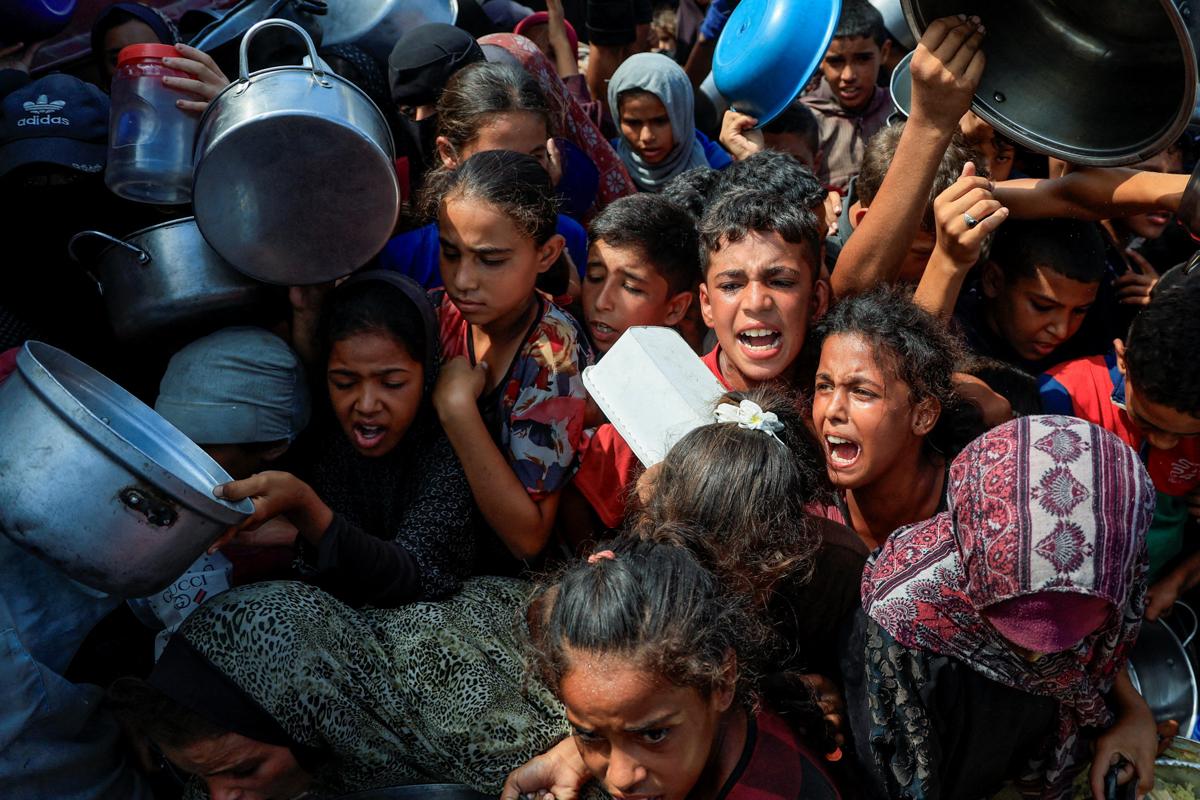
Turkiye appointed a humanitarian aid coordinator for Gaza and continues to work intensively to deliver assistance, while the amount of aid entering the enclave remains below what Israel previously pledged.
Fidan said discussions are underway to form a non-political committee to run Gaza’s daily administration, and Hamas has expressed its readiness to hand over governance to a Palestinian-led body.
He said that Turkiye “looks at the act, not the actor,” stressing that oppression is condemned regardless of who commits it.
The minister argued that as long as the occupation continues, armed resistance will persist.
“What we are saying is this: the issue should not begin with disarming Hamas, but with establishing a mechanism that ends the occupation and reduces and eliminates oppression. This logic needs to be clearly explained.
"There is a reaction that stems from portraying Hamas as if it were a terrorist group like ISIS (Daesh). There are efforts to turn this reaction into policy.
"We, of course, need to deconstruct this rhetoric and rebuild it. This is essentially what we try to do most in diplomacy — first analyse and dismantle false perceptions, then replace them with the correct ones," Fidan said.
He concluded by saying that a roadmap which will end Israel’s occupation and make a two-state solution possible must also be provided to the Palestinians.