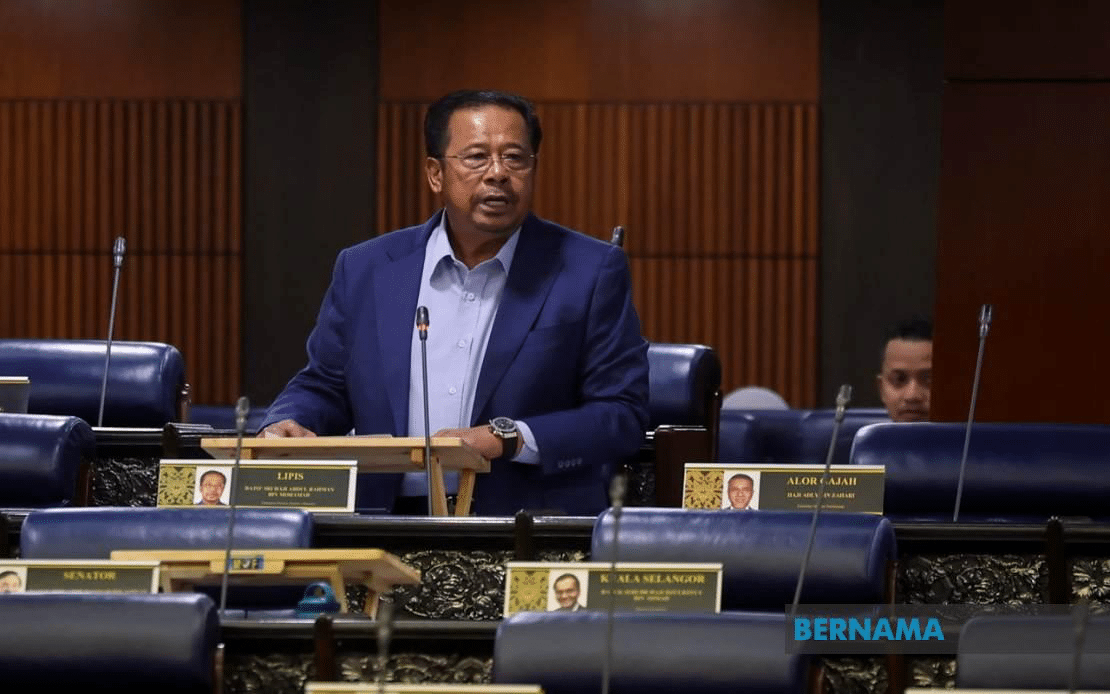
KUALA LUMPUR, Oct 28 — Interest in Technical and Vocational Education and Training (TVET) programmes has recorded a consistent upward trend over the past five years, said Deputy Human Resources Minister Datuk Seri Abdul Rahman Mohamad.
This was driven by the introduction of the UPTVET centralised application portal, developed by the Department of Skills Development (DSD) as part of the TVET big data initiative under the 12th Malaysia Plan (12MP).
“The portal serves as a single-window platform, similar to the centralised university admission system (UPU Online), to coordinate admissions to all public and private TVET institutions.
“Since its launch on May 20, 2024, UPTVET Perdana has processed 23,038 offers for the 2025 intake, while UPTVET Fasa recorded 67,332 applications from 53,550 applicants across 737 institutions. To date, 56,896 offers have been issued, with 30,206 students having begun their training.
“A Human Resource Study by the Manpower Department (JTM) revealed that enrolment for full-time programmes increased from 8,036 students in 2020 to 9,708 in 2025, representing an average annual growth of 4.2 per cent,” he said during the oral question-and-answer session in the Dewan Rakyat today.
Abdul Rahman was responding to Wangsa Maju MP Zahir Hassan's query on the data supporting the growing student interest in the TVET stream over the past five years, as well as plans to develop a skilled workforce to meet industry demands in line with Strategy B1.8.
Strategy B1.8 under the 13MP seeks to strengthen the TVET ecosystem to enhance further the quality and competitiveness of the nation’s skilled workforce. It also seeks to create a more integrated TVET system that is aligned with industry and labour market needs, while fostering economic growth driven by high-skilled talent and innovation.
Meanwhile, he said the 2025 Graduate Employability Study found that 95.5 per cent of JTM graduates secured employment within six months of completing their training, underscoring the strong confidence in the quality of the programmes offered.
At the same time, the Human Resources Ministry (MOHR) has implemented various initiatives to further strengthen the TVET ecosystem, including expanding the Academy in Industry (ADI) programme, which now involves 1,687 companies, 237 private training centres, and 67 public training institutions.
Abdul Rahman said the government is also enhancing the Malaysian Skills Certification System (SPKM) by aligning the National Occupational Skills Standards (Noss) with emerging technologies, including automation, artificial intelligence, green energy, and digitalisation.
In response to Zahir's supplementary query on formulating TVET-related legislation, the deputy minister said the National Skills Development (Amendment) Bill 2025 is expected to be tabled during the current Parliament session.