KUALA LUMPUR, Oct 11 — Malaysia is strengthening its care economy through three focus areas, which include making it more affordable and accessible.
The government is also looking to expand care infrastructure through partnerships and drive digital and social innovation to position care as a strategic pillar of national growth.
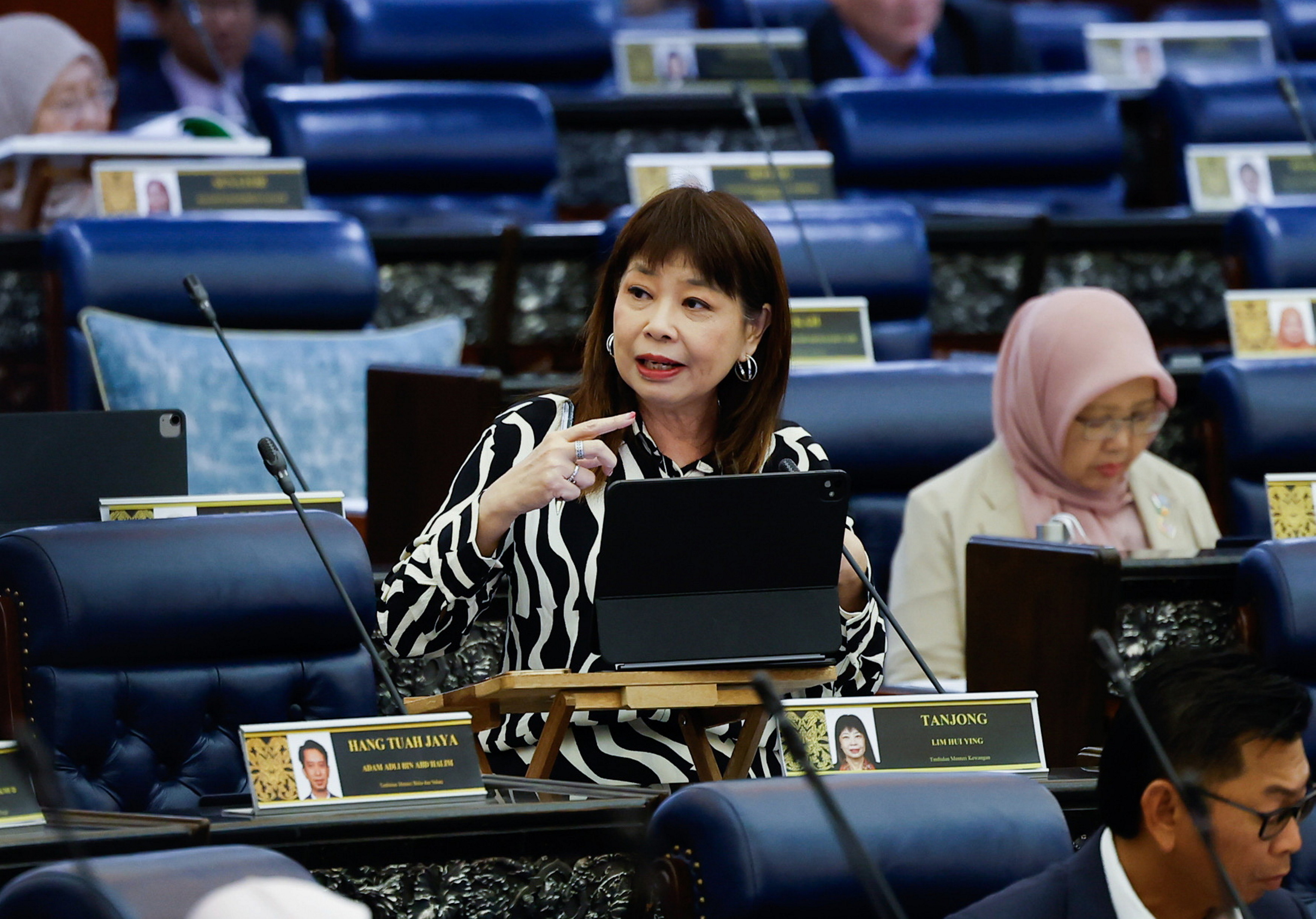
Deputy Finance Minister Lim Hui Ying said the approach aims to finance care in a way that it becomes fiscally sound, socially inclusive, and environmentally sustainable, in line with the Madani Economy and the upcoming 13th Malaysia Plan (13MP).
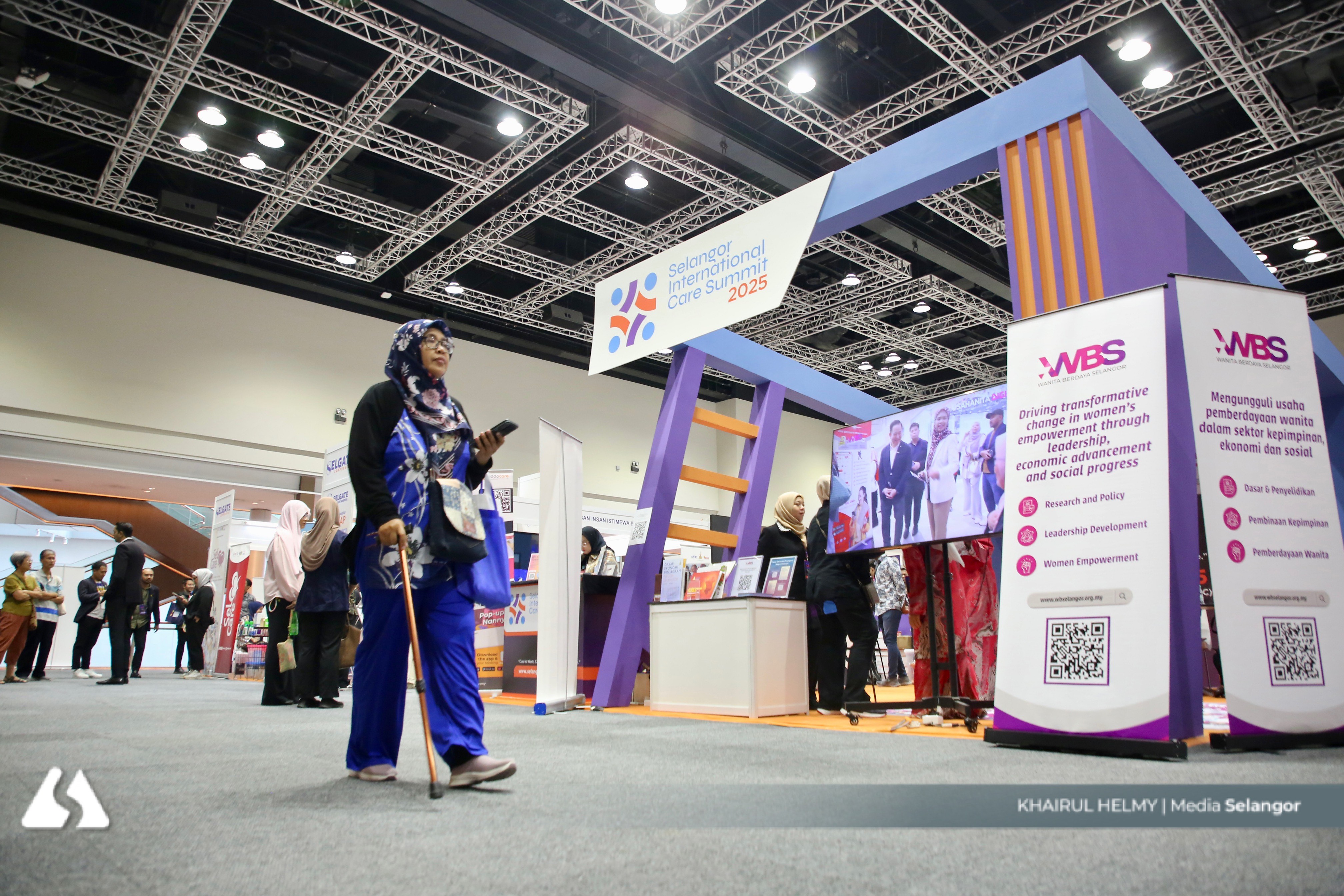
“Financing care is not charity, it is nation building. It is one of the smartest, most strategic investments we can make for Malaysia’s future,” she said in a speech at the Selangor International Care Summit (SICS) at the Kuala Lumpur Convention Centre today.
The event is held in conjunction with the Selangor International Business Summit (SIBS), which ends today.
Lim said Malaysia became an ageing society in 2020 and is projected to become an aged one by 2044, with one in five Malaysians to be aged 65 and above. Rapid urbanisation and dual-income households are also driving demand for reliable, affordable childcare and elderly care services.
Three focus areas
Under the first focus area, the government will strengthen measures to make formal care more accessible, including by expanding childcare tax reliefs, offering stronger incentives for employers providing care support, and extending targeted aid to single parents, informal workers, and people with disabilities.
Lim said fiscal instruments will also be explored to encourage childcare and elder care providers to register formally, raising service quality and ensuring decent work conditions for caregivers.
The second focus area, she said, involves building partnerships and infrastructure, with federal-state collaborations, as well as with private investors, and social enterprises to expand community-based childcare and elder care facilities.
She said this is especially important in fast-growing urban areas such as Shah Alam, Petaling Jaya, and Klang.
Lim added that Selangor was highlighted as a model for its Social Impact Economy Blueprint, which incorporates care infrastructure into environmental, social and governance (ESG) goals, encouraging developers and employers to treat care as part of sustainable business practices.
“Selangor has demonstrated leadership by making care a core part of its ESG agenda — a model that can inspire other states,” she said.
Lastly, Lim highlighted integrating digital innovation through the government initiatives to formalise the care sector, improve transparency, and create professional career pathways for care workers, many of whom are women.
“Digital platforms will connect caregivers, training centres and employers in one ecosystem to formalise the sector, raise standards, and create professional care career pathways,” she said.
Increasing women’s participation
Lim said formalising care could significantly boost economic productivity and women’s participation in the workforce.
Increasing women’s workforce participation from 56 to 60 per cent could add around RM60 billion to Malaysia’s gross domestic product (GDP) annually, provided there is accessible and reliable care support.
Globally, she said, the care economy is valued at over US$6 trillion (RM23.35 trillion), larger than the manufacturing or construction sectors, and is among the world’s fastest-growing and most resilient industries.
“These numbers remind us that care is not only compassion (but) care is productivity. When care systems fail, productivity falls. When they work, the economy grows,” she said.
Lim added that Malaysia is exploring new financing tools such as social and green bonds, blended finance, and care-linked ESG investment frameworks to mobilise public and private capital for care projects that generate measurable social and economic returns.
“When Malaysia invests in care, we invest in our people, in families that thrive, in workers who remain productive, and in a nation that ages with dignity and confidence,” she said.
“Care is not a cost to manage; it is an asset to finance, a right to guarantee, and a pathway to prosperity,” Lim said.