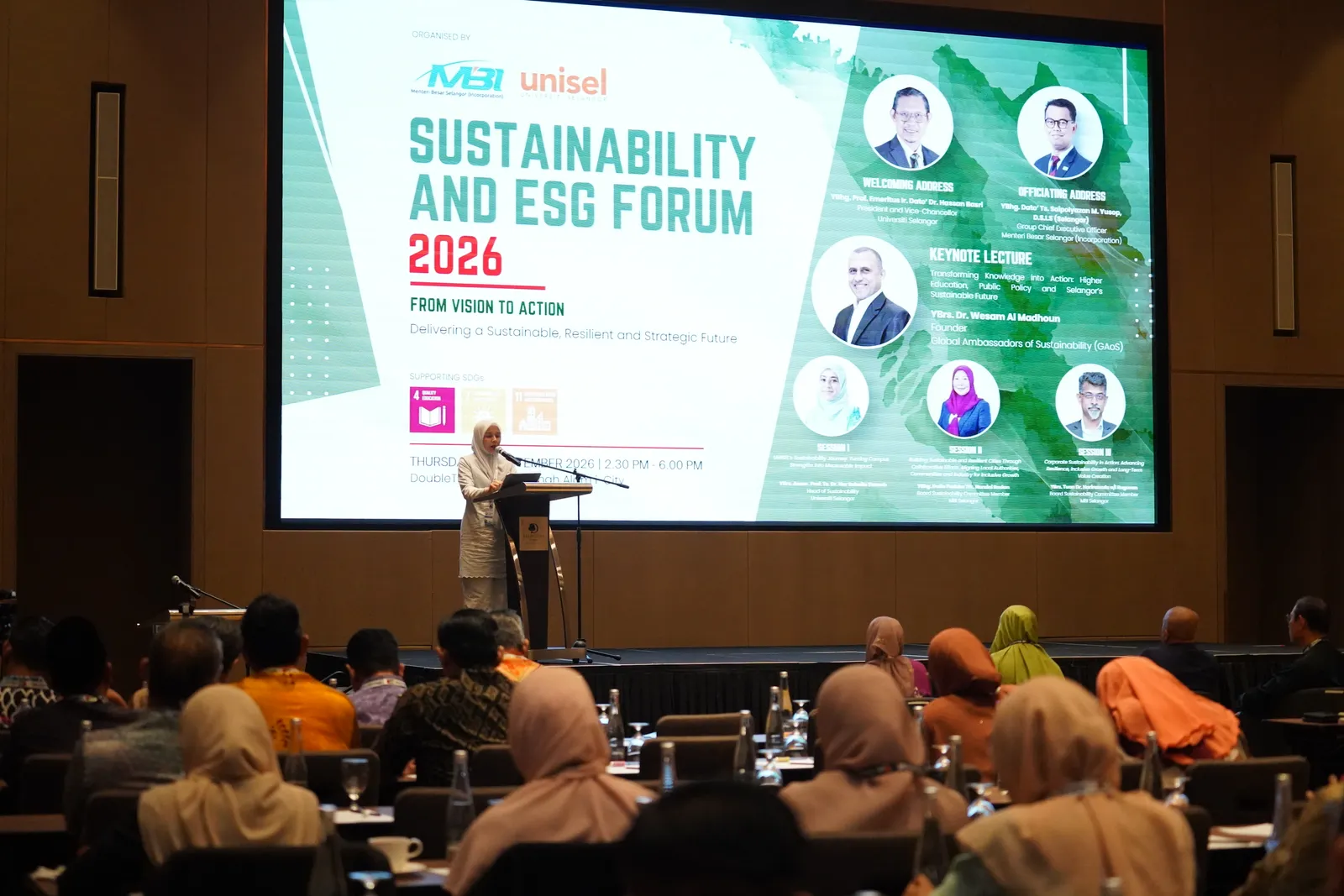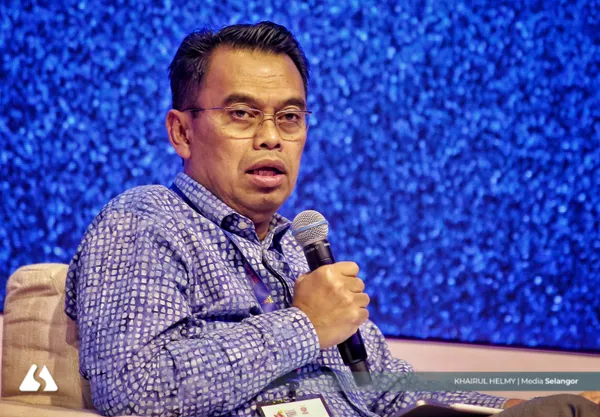
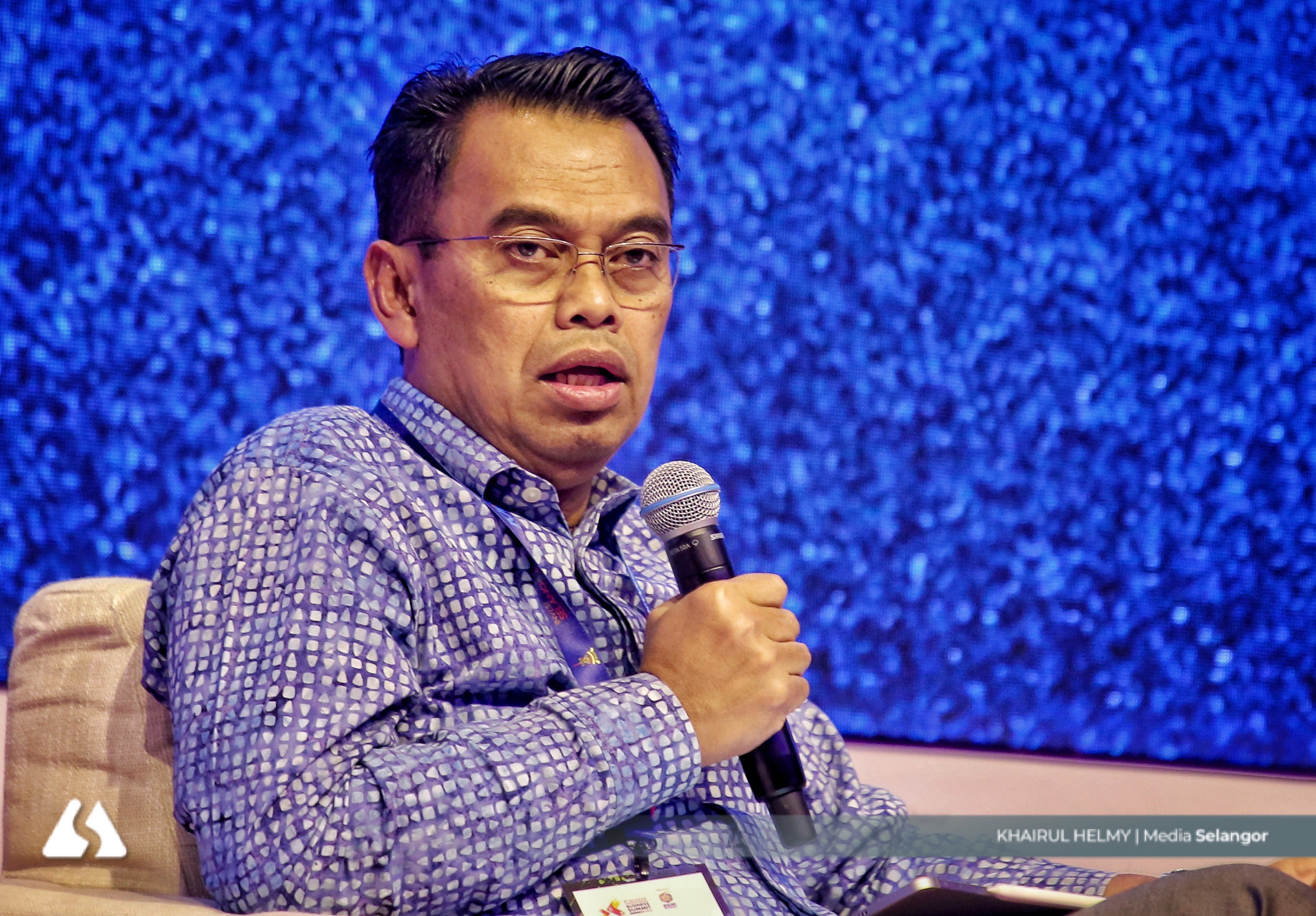
KUALA LUMPUR, Oct 11 — Selangor is placing talent development at the core of its strategy to drive economic and social growth, said Menteri Besar Selangor (Incorporated), or MBI, group chief executive officer Dato’ Saipolyazan M. Yusop.
He noted that the state investment arm has invested in various programmes to train water engineers and semiconductor designers, while providing free tuition for students.
This, he said, forms part of a wider ecosystem to ensure Selangor maintains a steady supply of skilled talent.
“This is not only to support Selangor but also to create solutions for the country. For example, when we worked to clean up Sungai Klang to a safe threshold, other states came to adopt the same solution,” he said, adding that Selangor often pioneers programmes that become benchmarks for solving complex problems.
Continuous cleanup efforts have elevated the river’s quality from Class 5 to Class 3, with the state government aiming to transform it into a raw water source in the near future.
Saipolyazan was speaking at a panel session on Thursday with regional Asean leaders at the Selangor Asean Business Conference (SABC), held in conjunction with the Selangor International Business Summit (SIBS).
Other panellists included Cambodia’s AI Forum secretary-general Sayumphu Ros, Indonesian Business Council vice-president (international affairs and operations) Thomas Noto Suoneto, and Asean Young Entrepreneurs Council Singapore chairman Thomas Shahzad.
The panel discussed how to cultivate the next generation of talent and leaders within Asean.
One of MBI’s flagship efforts is a partnership with Universiti Selangor (Unisel) and Pengurusan Air Selangor Sdn Bhd to certify training for water engineers and technicians at the diploma level.
Saipolyazan said while Air Selangor already has a solid syllabus to train engineers internally, the partnership is part of the state’s strategy to make them more marketable.
“By having this training, we can prepare staff not only for Malaysia’s water industry but also offer it to other countries.”
Saipolyazan said education access has also been a priority, with MBI’s free tuition programme reaching 145,000 B40 students this year.
The initiative was initially rolled out during the Covid-19 pandemic to address the issue of the lost generation, helping thousands of illiterate children in Selangor, before being expanded to include more students.
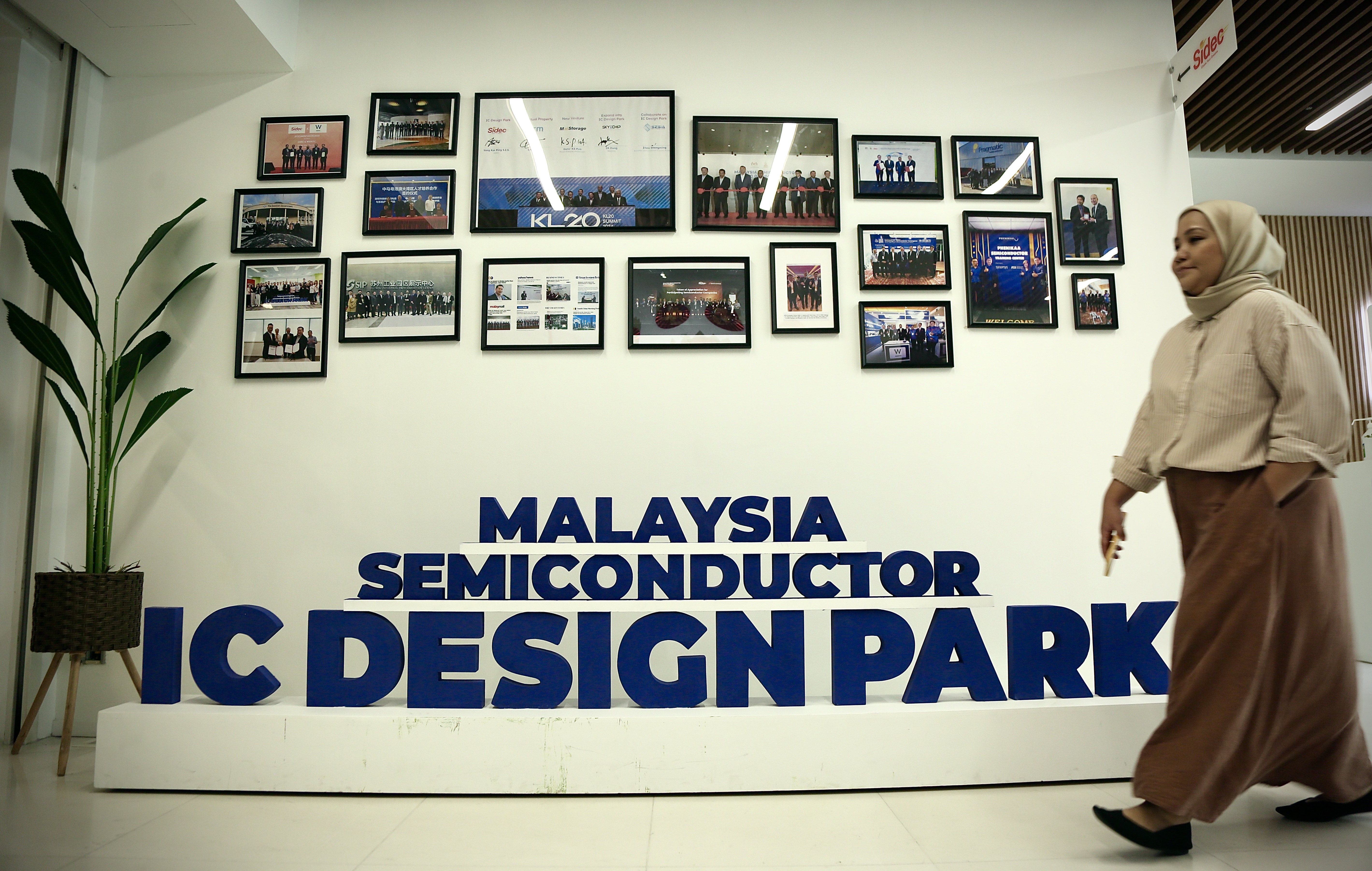
On the hi-tech front, Saipolyazan said the Selangor Integrated Circuit (IC) Design Park has hired 170 engineers with a minimum salary of RM6,000, with an aim to train 400 by 2026.
Through the Selangor Information Technology and Digital Economy Corporation (Sidec) and its industrial training arm, the Advanced Semiconductor Academy of Malaysia (Asem), the state has sent students for IC design training in China, with the first cohort already securing jobs at multinational companies, including Intel.
MBI has not forgotten its roots in boosting domestic business, with SMEs remaining another pillar of its agenda, Saipolyazan said.
He pointed to the Hijrah Selangor financing scheme, which has enabled loans for 92,000 entrepreneurs, with nearly RM1 billion disbursed.
“We started small during Covid-19, but today, 88,000 SMEs are registered with us, receiving training in digital marketing and halal certification. As they grow, they graduate from micro-loans to larger financing from banks,” Saipolyazan said.