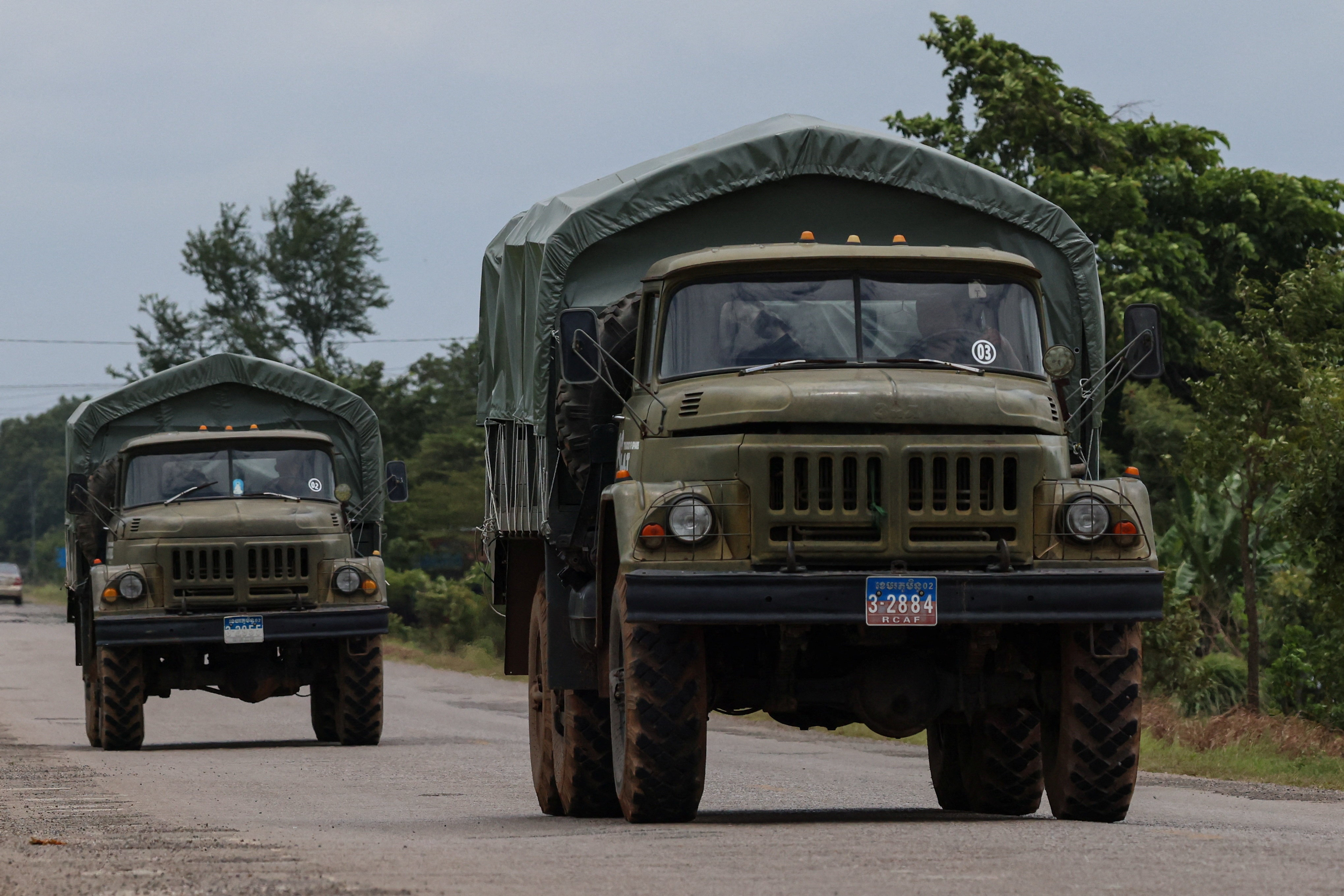
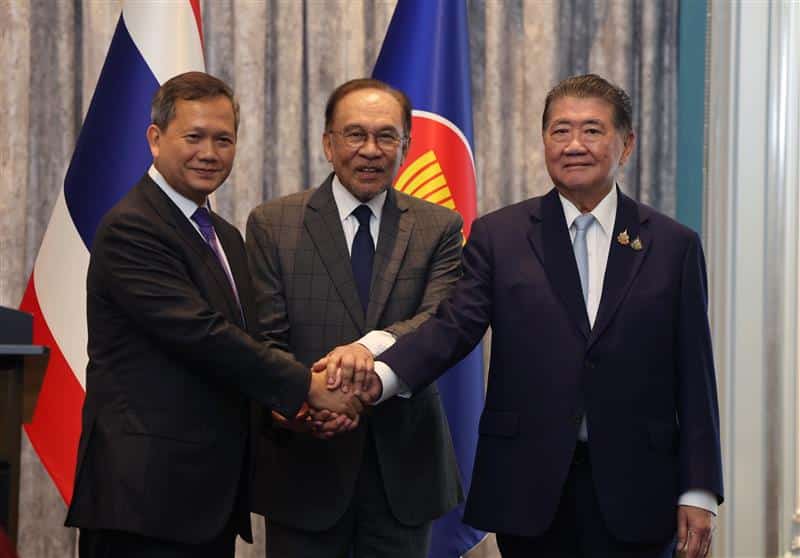
KUALA LUMPUR, Aug 5 — The long-standing border dispute between Cambodia and Thailand is expected to be resolved on Thursday during the General Border Committee (GBC) meeting, Prime Minister Datuk Seri Anwar Ibrahim told the Dewan Rakyat today.
Anwar revealed the defence ministers of both countries will participate in the talks to reach a mutual understanding, or at the very least, maintain or reaffirm a ceasefire and ensure no further violations, especially in disputed border areas.
“We hope several coordinated points of agreement, facilitated by Malaysia, can be formalised by August 7. We pray for a final consensus and resolution because this matter not only affects bilateral ties, but also the credibility of Asean.
“All these problems must be resolved by consensus, and I would like to thank both the Cambodian and Thai governments for demonstrating a positive attitude toward achieving a lasting solution,” Anwar said during Ministers’ Question Time.
Anwar was responding to Rodiyah Sapiee’s (GPS-Batang Sadong) question about Malaysia’s role in facilitating peace negotiations and a ceasefire between Cambodia and Thailand, which resulted in a mutual agreement to end the border conflict between the two countries.
The GBC meeting, which began in Kuala Lumpur yesterday, runs until Thursday and involves senior defence and security officials from Thailand and Cambodia.
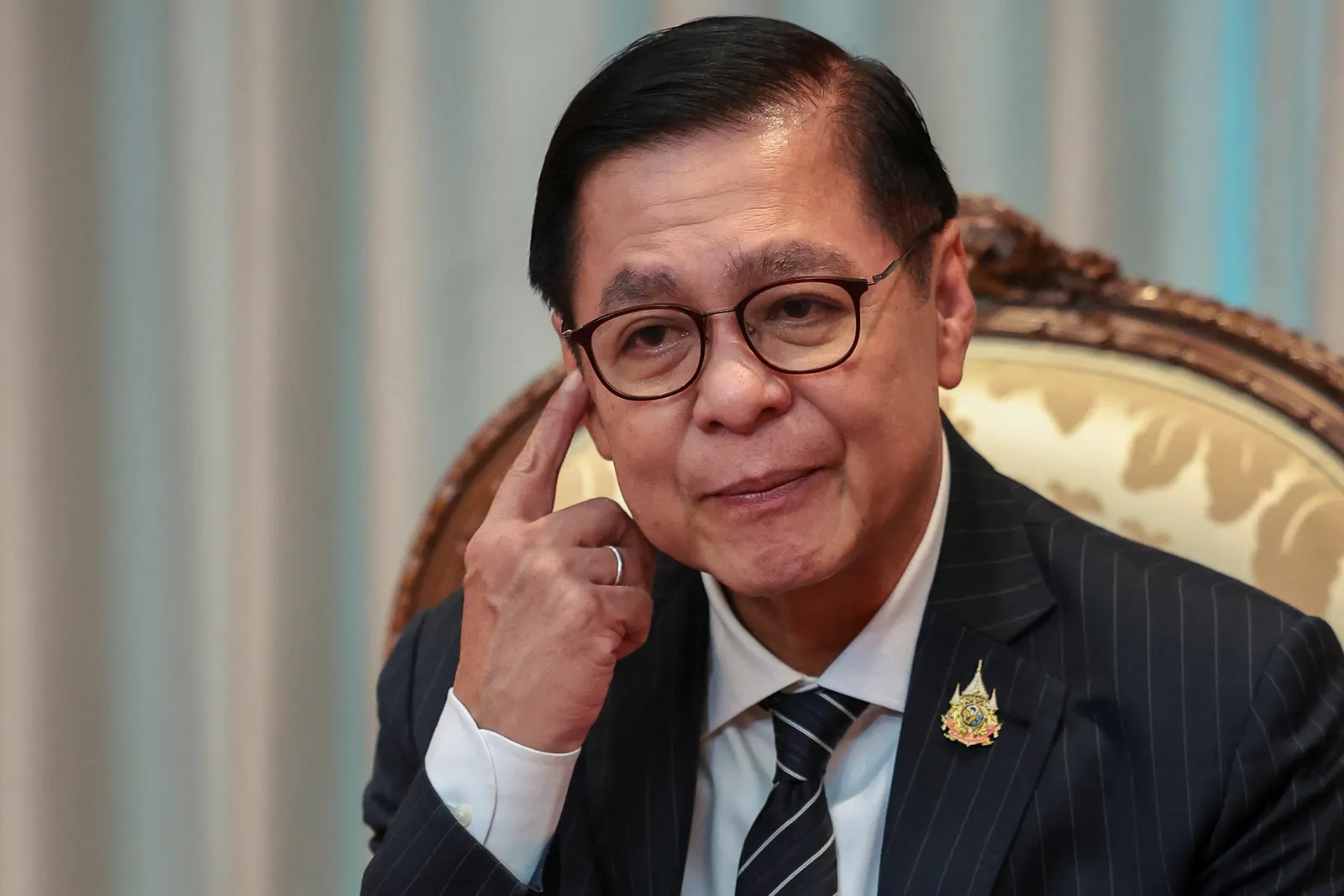
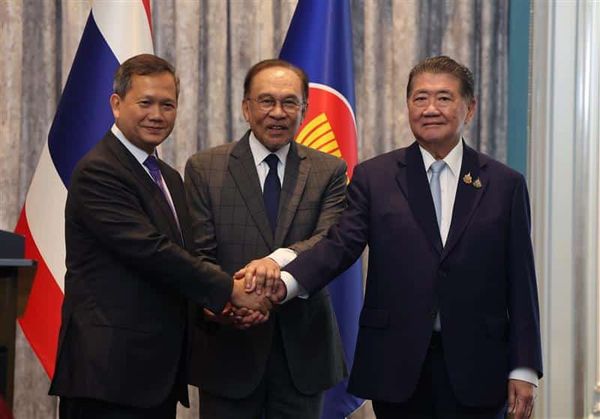
On July 28, both countries agreed to an unconditional, immediate ceasefire following a special meeting in Putrajaya chaired by Anwar. During the meeting, Cambodian Prime Minister Hun Manet and Thai acting prime minister Phumtham Wechayachai agreed to hold the GBC meeting as part of the ceasefire agreement.
In reply to another question from Rodiyah regarding the deployment of a monitoring team, Anwar said Malaysia is ready to coordinate such an effort along the Cambodia-Thailand border, if both countries request it.
“For now, the situation remains under control, although still tense and sensitive.
“Whether or not troops are needed on the ground to monitor the ceasefire, it will be decided later…It’s not easy when killings and shootings have occurred; it takes time to de-escalate and cool down tensions.
“We have satellite monitoring in place, and both parties have agreed that Malaysia’s Defence Attaché, along with Asean counterparts, will coordinate remote surveillance efforts,” Anwar said.
According to Anwar, at this stage, it is still too early to establish a formal regional security framework under mechanisms like the Asean Regional Forum or other security initiatives.
To a question from Dr Mohammed Taufiq Johari (Harapan-Sungai Petani) on whether Malaysia will continue to host the GBC even after its Asean chairmanship ends next year, Anwar confirmed Malaysia has been mandated to remain as mediator until the dispute is resolved.
“This isn’t strictly tied to our role as Asean chair. While we initially anticipated resolution within three months, peace negotiations must not be rushed. What is non-negotiable, however, is the enforcement of a ceasefire,” he stressed.
Anwar also noted that Malaysia is working to ensure talks remain within the Asean framework, not influenced by global powers.
“In this way, we avoid the involvement of major powers. Any peacekeeping presence at the border should be limited to Asean nations. However, logistical support from the United States or China is welcome,” he concluded.