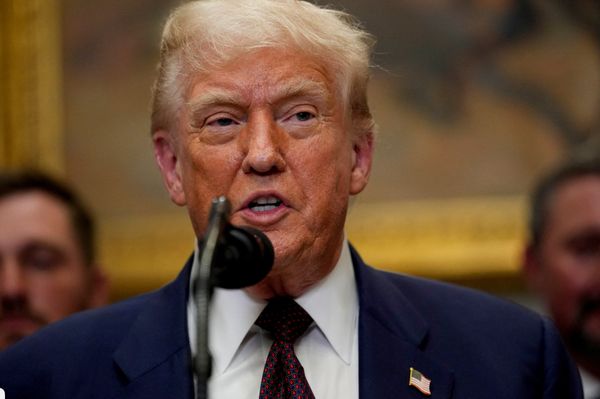
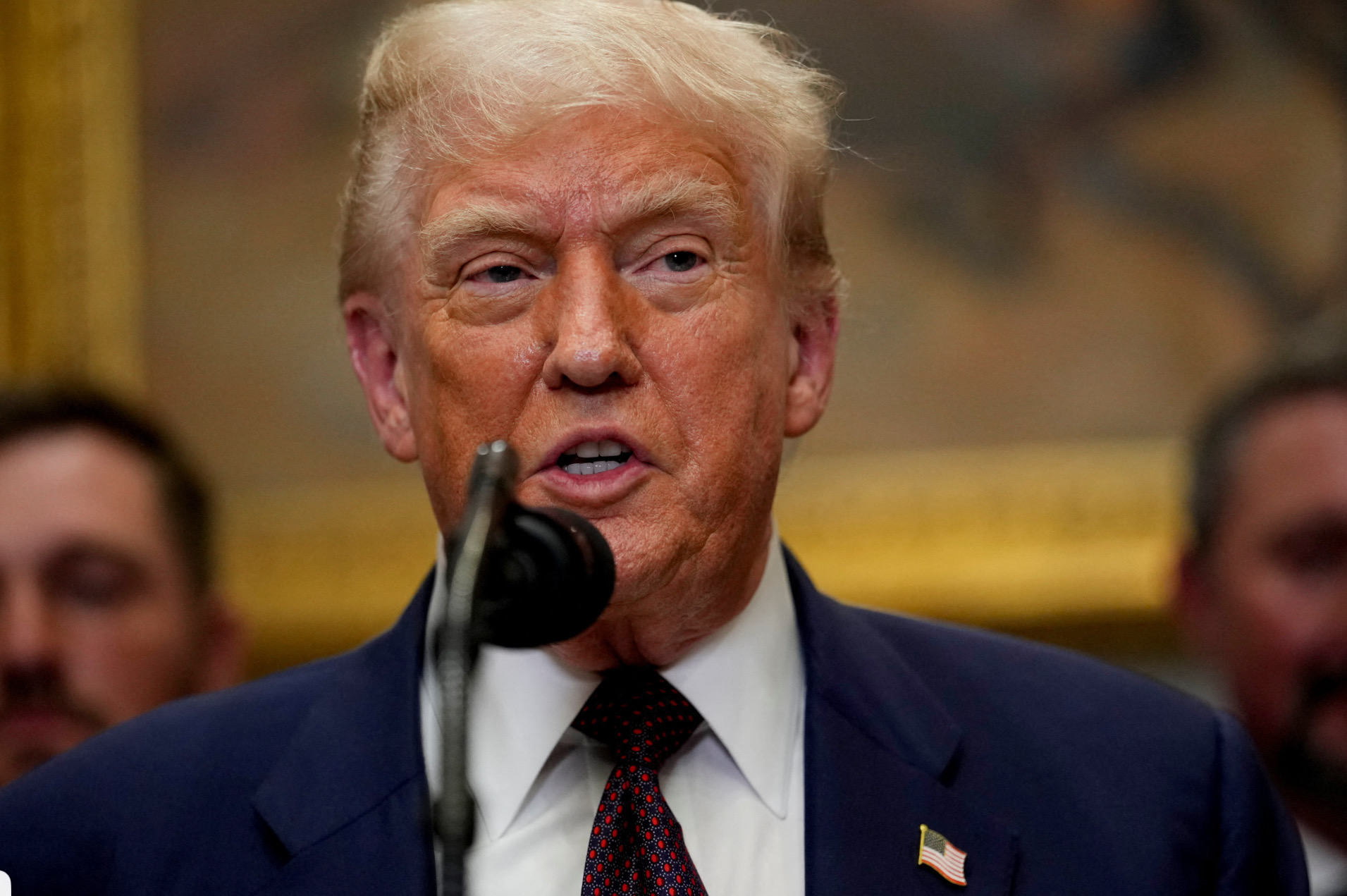
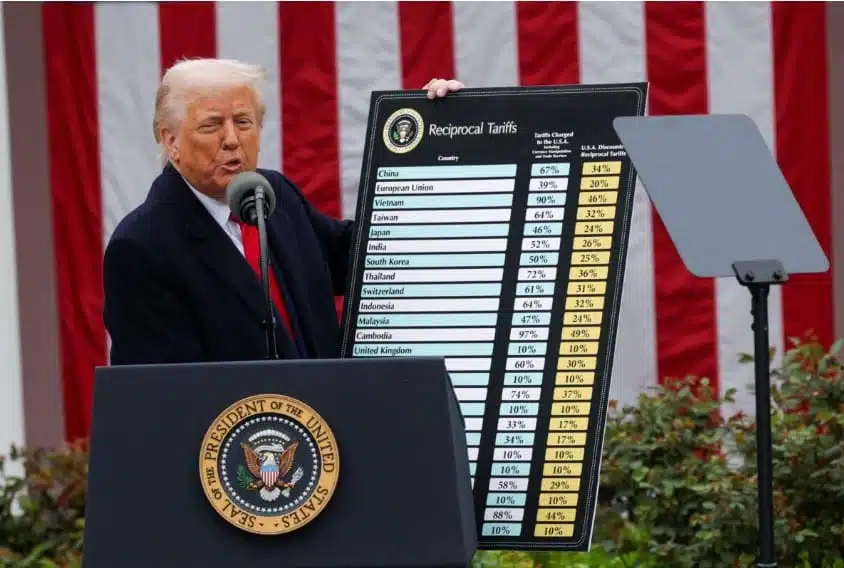
WASHINGTON, Aug 1 — United States President Donald Trump signed an executive order at midnight today, imposing dozens of countries with new reciprocal tariff rates.
According to the White House website, Washington has confirmed a reduced tariff rate of 19 per cent on Malaysia.
The executive order has announced rates set between 15 and 40 per cent for dozens of trading partners of the US.
According to Bernama, the White House website yesterday showed that tariff changes will apply to goods entered for consumption, or withdrawn from a warehouse for consumption, seven days after the date of the order.
However, the White House said the new rate would not apply to goods loaded onto vessels and already in transit on the final mode of transport before that time, provided they are entered for consumption or withdrawn from warehouse for consumption before 12.01am EDT on October 5, 2025.
“It shall not be subject to such additional duty and shall instead remain subject to the additional ad valorem duties previously imposed in Executive Order 14257, as amended,” the White House said.
Among Asean members, Myanmar and Laos face the highest tariff rate at 40 per cent each, followed by Brunei (25 per cent) and Vietnam (20 per cent), while 19 per cent was set for Malaysia, Cambodia, the Philippines, Thailand and Indonesia. Singapore is subject to a base tariff of 10 per cent with no reciprocal rate.
On July 7, Washington announced it would impose a 25 per cent tariff on all Malaysian products, separate from sectoral tariffs, effective August 1 — one percentage point higher than what was announced in April.
Trump had said there would be no tariffs if Malaysia, or Malaysian firms, chose to build or manufacture products in the US.
Since April, Malaysia has been negotiating the tariff with Washington, aiming to reduce the earlier 24 per cent rate. The latest round of talks was held on June 18.
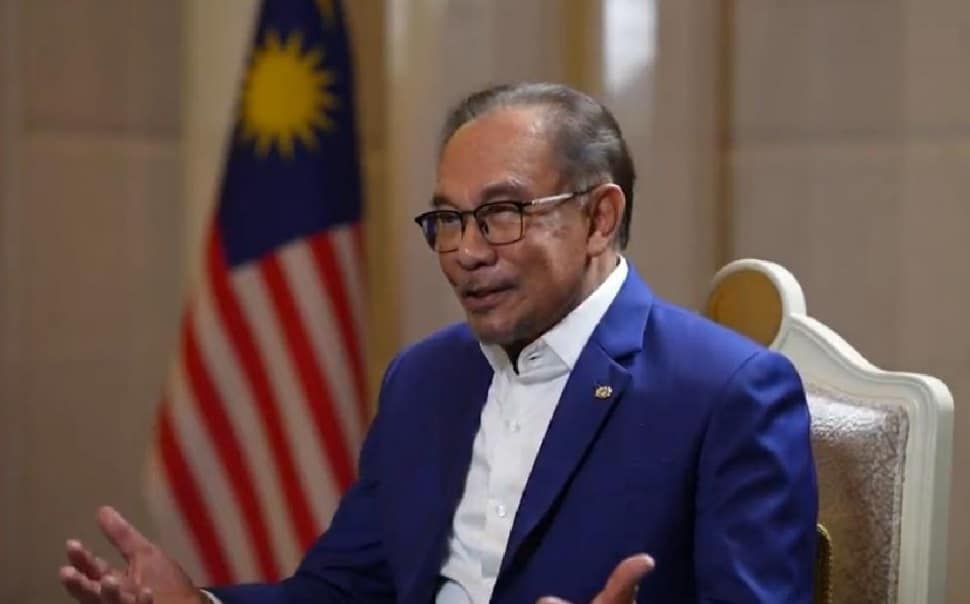
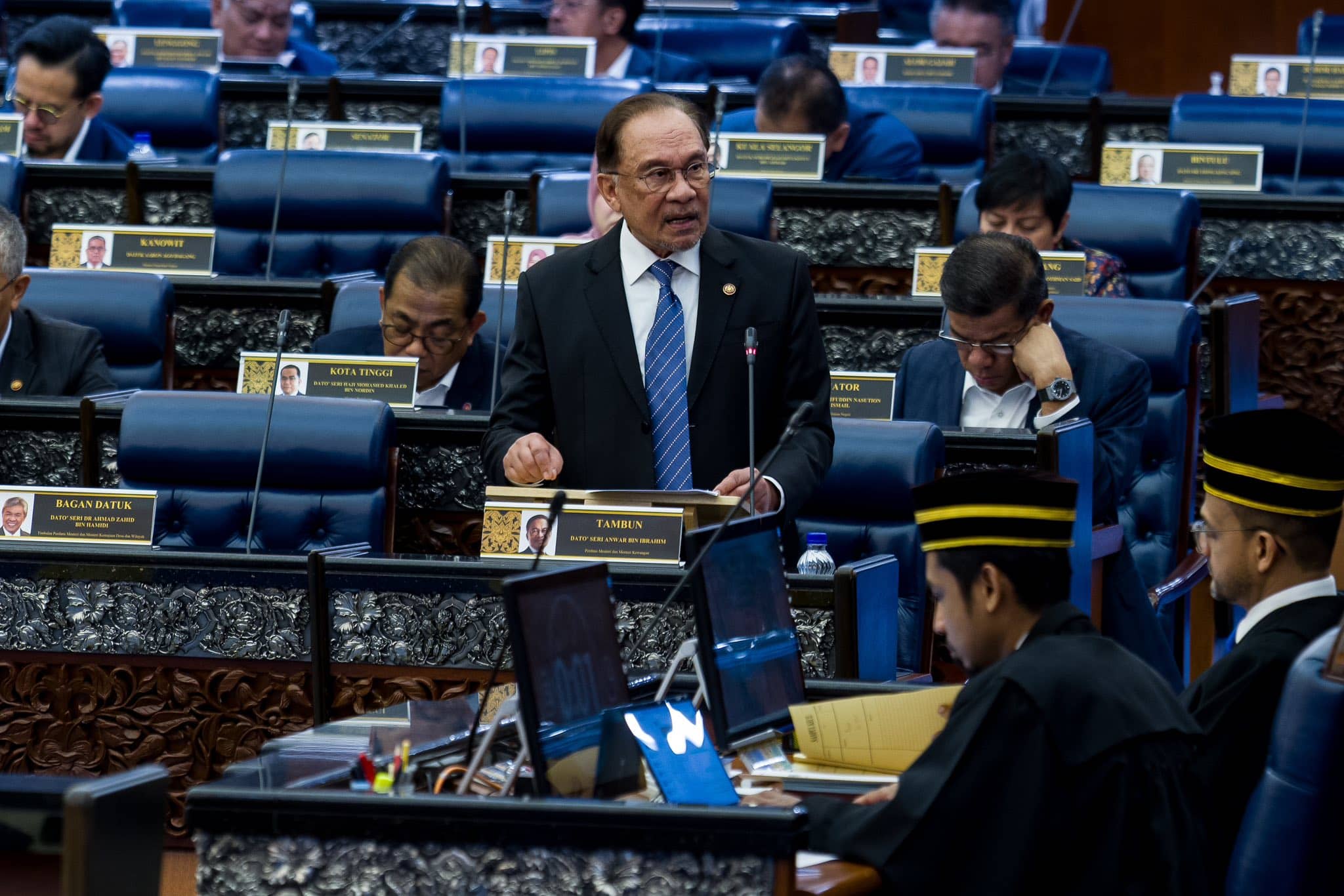
Yesterday, when tabling the 13th Malaysia Plan in the Dewan Rakyat, Prime Minister Datuk Seri Anwar Ibrahim hinted at a potentially lower tariff by the US.
He said this was following a phone call with Trump, during which they also discussed various rounds of negotiations led by the Investment, Trade and Industry Ministry with the US Trade Representative and the US Commerce Secretary.
Meanwhile, Reuters reported that dozens of US trading partners, including Canada, Brazil, India and Taiwan, were slapped with steep rates as Trump pressed ahead with his plans to reorder the global economy ahead of today’s trade deal deadline.
Trump set rates including a 35 per cent duty on many goods from Canada, 50 per cent for Brazil, 25 per cent for India, 20 per cent for Taiwan and 39 per cent for Switzerland.
The order listed higher import duties of 10 to 41 per cent for 69 trading partners.
Some of them had reached tariff-lowering deals, while others had no opportunity to negotiate with Washington. Trump included an exception for certain goods shipped in the coming week.
Goods from all other countries not listed would be subject to a 10 per cent import tax. Trump previously said that rate might be hiked.
The administration also teased that more trade deals were in the pipeline as it seeks to close trade deficits and boost domestic factories.
Other details are to come, including on the “rules of origin” that will determine which products could face even higher tariffs.
Trump issued a separate order for Canada that raises the rate on Canadian goods subject to fentanyl-related tariffs to 35 per cent, from 25 per cent previously, saying Canada had “failed to cooperate” in curbing the flow of illicit narcotics into the US.
The higher tariffs on Canadian goods contrasted sharply with Trump's decision to grant Mexico a 90-day reprieve from higher tariffs of 30 per cent on many goods to provide more time to negotiate a broader trade pact.