
By Danial Dzulkifly
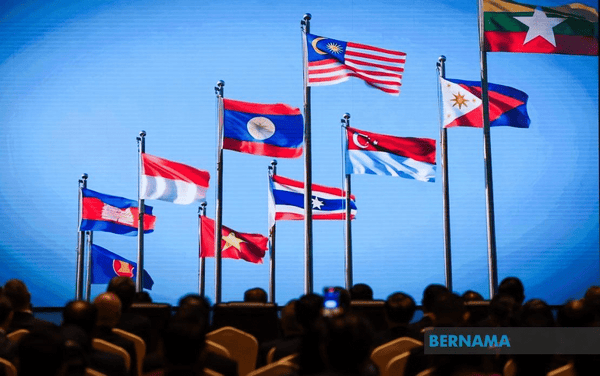
KUALA LUMPUR, July 12 — Asean foreign ministers’ meetings are rarely known for drama. More often than not, they end with carefully worded communiqués and polite nods to peace, neutrality and constructive engagement.
But this week’s summit in Kuala Lumpur marked a shift. Its tone was noticeably sharper, the issues more urgent, and, for once, frustration bubbled to the surface.
Much of that frustration was directed at the United States.
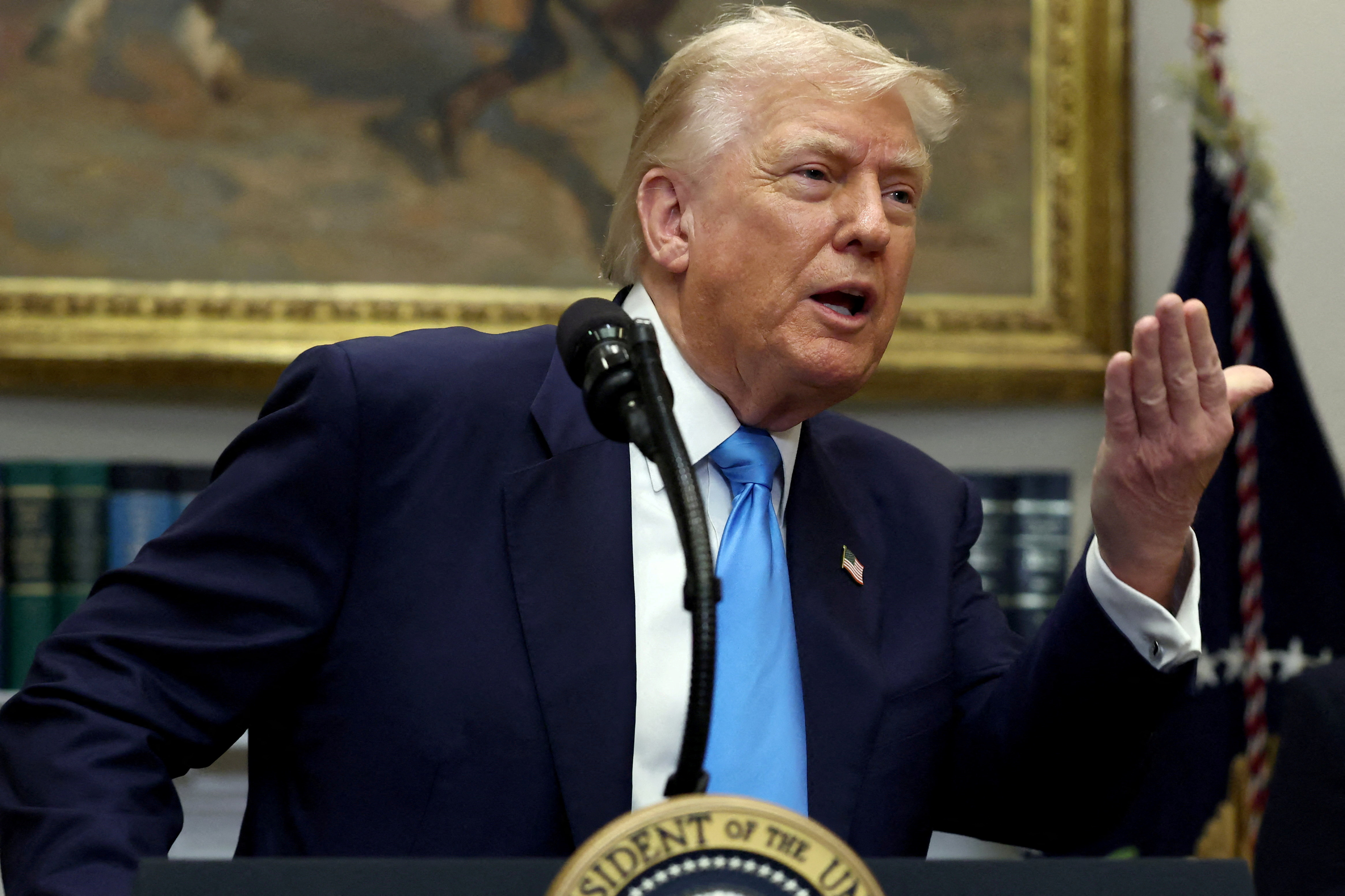
Despite months of negotiations, the Trump administration reimposed steep tariffs on Southeast Asian exports, including a 25 per cent duty on Malaysian goods that takes effect on August 1.
It was a blow not just to Malaysia’s trade prospects, but also to the credibility of Washington’s long-professed economic partnerships in the region.
Prime Minister Datuk Seri Anwar Ibrahim did not hold back during his opening remarks at the 58th Asean Foreign Ministers’ Meeting, warning that trade tools once used to build prosperity are now being weaponised.
“Tariffs, export restrictions, and investment barriers have now become the sharpened instruments of geopolitical rivalry,” he said, not directly naming the US.
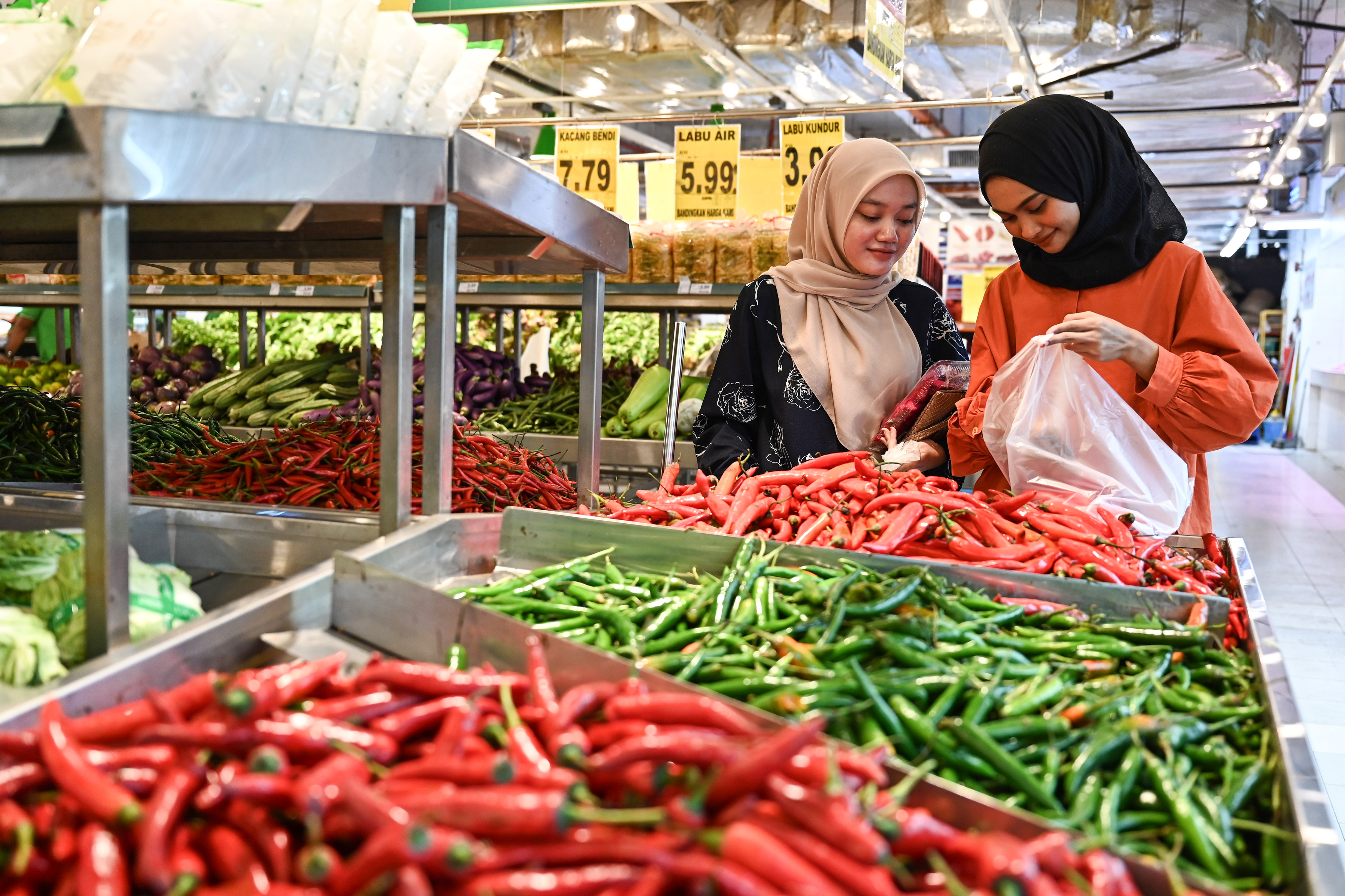
The impact of Washington’s tariff announcement in April had already reverberated through the local economy. The World Bank downgraded Malaysia’s 2025 growth forecast to 3.9 per cent, a 0.6 per cent downgrade, while foreign investors pulled RM12.7 billion from local equities this year alone, according to Bloomberg-compiled data.
 Prime Minister Datuk Seri Anwar Ibrahim delivers his keynote address during the opening ceremony of the 58th Asean Foreign Ministers’ Meeting and Related Meetings at the Kuala Lumpur Convention Centre in Kuala Lumpur, on July 9, 2025. — Picture by BERNAMA
Malaysia was not alone in its unease.
Many Asean members saw the tariffs as a signal that long-standing trade partners are not spared when US interests take precedence.
Still, US State Secretary Marco Rubio, on his first official visit to Asia, insisted Washington is not turning its back on the region.
“There are 6,000 American companies directly invested in Southeast Asia. We’re not walking away from that. We’re not walking away from our defence ties. We’re not walking away from the strong economic ties we have in the region. On the contrary, we want to build on them,” Rubio said.
But he defended the tariffs, calling them a long-overdue reset after decades of trade imbalances that he said had disadvantaged American workers.
Rubio also downplayed concerns that the move would drive Asean countries closer to China, arguing that the region is capable of balancing multiple partnerships.
Malaysia, meanwhile, continues to walk a diplomatic tightrope.
Foreign Minister Datuk Seri Mohamad Hasan reaffirmed that Asean remains committed to strategic neutrality and will not be drawn into the US-China rivalry.
“We are used to this, and we handle it carefully.
“The US is our largest investor, China is our biggest trading partner. Our policy is to avoid being seen as leaning too far either way.”
He also clarified that the August 1 deadline was set to reduce prolonged uncertainty in the markets, as explained during his bilateral meeting with Rubio.
Malaysia and other countries continue to seek negotiations over the rates.
On speculation that the US had presented Asean with a list of expectations, Mohamad dismissed the claims, saying no such list was shared and that each Asean member is engaging with Washington bilaterally.
“We don’t give each other wishlists. Each country can raise concerns specific to their national interests during bilateral meetings, including on tariffs,’’ Mohamad said.
 Foreign Minister Datuk Seri Mohamad Hasan speaks at the opening ceremony of the 58th Asean Foreign Ministers’ Meeting at the Kuala Lumpur Convention Centre on July 9, 2025. — Picture by REUTERS
Conflict and consensus
Beyond trade, the summit also tackled broader geopolitical conflicts, from Palestine and Ukraine to the ongoing crisis in Myanmar.
During the 15th East Asia Summit, Mohamad delivered one of his most direct statements yet on the worsening humanitarian situation in Gaza, condemning Israel’s prolonged occupation and collective punishment tactics.
“Eighty years of impunity have emboldened Israel to openly commit genocide, including through mass starvation, that includes babies and children,’’ he said, stressing for an end to the conflict.
On Myanmar, Mohamad reiterated that elections should not be held until the junta fulfils the Five-Point Consensus agreed upon by Asean members.
He hinted at a possible visit to Naypyidaw in September to present the bloc’s shared position, which includes a ceasefire, inclusive dialogue, and the release of political prisoners.
Despite the heavy rhetoric, Asean foreign ministers were able to reach a joint statement on the Gaza conflict — a rare achievement that Mohamad said is testament to the bloc’s strengthening unity.
 Prime Minister Datuk Seri Anwar Ibrahim receives a courtesy call from Palestinian Planning and International Cooperation Minister Estephan Salameh (centre) and UNRWA representative Natalie Boucly (right) at his office in Putrajaya on July 11, 2025. — Picture via X/ANWARIBRAHIM
A new direction?
Throughout the week, Anwar and Mohamad repeatedly called for Asean to lower its dependence on major powers by deepening regional trade, boosting food and energy security, and promoting technological resilience.
China, recognising the regional mood, pledged deeper cooperation and even expressed support for a nuclear weapon-free Southeast Asia.
Meanwhile, the entry of Uruguay and Algeria into the Treaty of Amity and Cooperation signals Asean’s growing ties with Latin America and North Africa.
No Asean member openly declared a pivot away from the US, but the tone of speeches and sideline talks throughout the week suggested the bloc is preparing for a future not solely reliant on Washington.