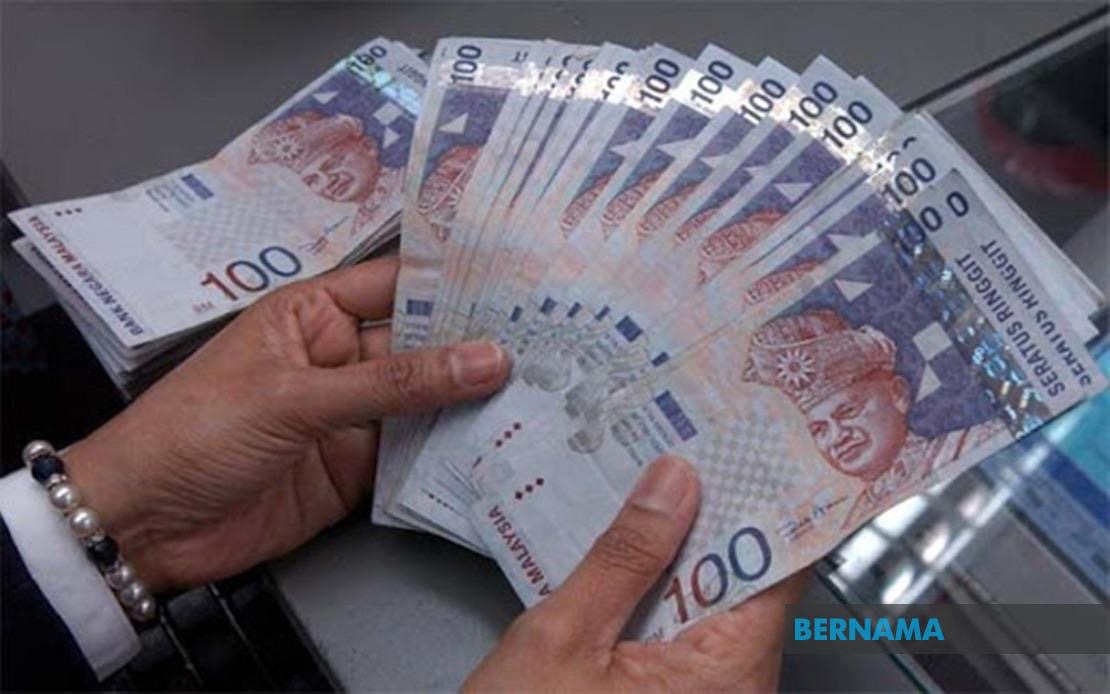

KUALA LUMPUR, Dec 5 — There has been no official proposal agreed upon by BRICS member countries regarding dedollarisation in trade matters, said Investment, Trade, and Industry Minister, Tengku Datuk Seri Zafrul Abdul Aziz.
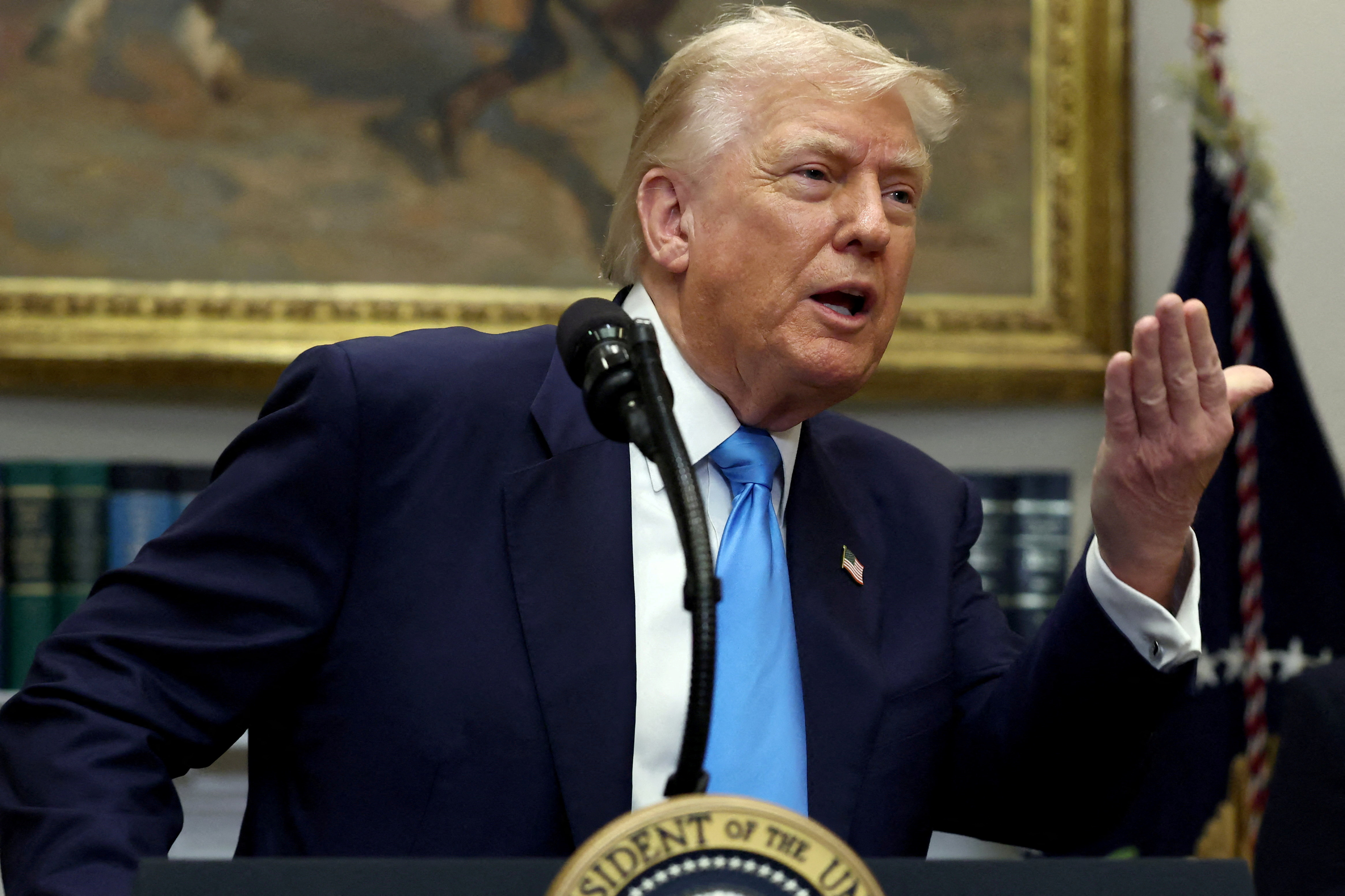
He said Malaysia, as a BRICS partner, is aware of the situation, especially of the threat made by US president-elect Donald Trump to impose a 100 per cent tariff on BRICS countries if they pursue the use of a new currency.
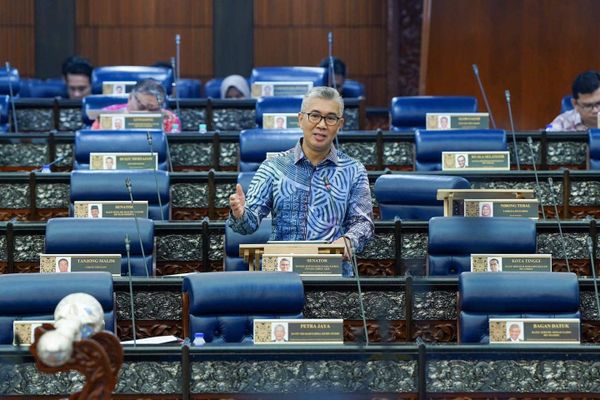
“Although one of the topics that were discussed during BRICS meetings in the past was related to reducing dependence on traditional trade currencies such as the US dollar, there has been no official proposal agreed upon for dedollarisation as of now,” said Tengku Zafrul during the Minister’s Question Time session in the Dewan Rakyat today.
He was responding to a question from Young Syefura Othman (PH-Bentong) about Malaysia’s stance as a BRICS partner regarding the potential 100 per cent tariff increase by Trump.
Tengku Zafrul said Malaysia views BRICS as an increasingly important platform for presenting views and positions on regional economic issues through dialogue, forums, or discussions that are non-binding.
He also acknowledged the high level of interdependence in the trade and economic relations between Malaysia and the US, especially in the semiconductor supply chain, where US firms are key investors in Malaysia.
This complementary trade relationship can be seen in current statistics, where in 2023, the US was Malaysia’s third-largest trading partner, while Malaysia was the US’ 19th-largest trading partner.
“Therefore, any move to impose a 100 per cent tariff would only harm both parties, which are mutually dependent on efforts to prevent disruptions in the global supply chain,” said Tengku Zafrul.
He said that Malaysia, which is still not an official BRICS member, will continue to closely monitor developments that can impact the country, considering the US dollar still plays a significant role in the global financial system.
“The use of other currencies by Malaysia in trade and investment matters must be carefully examined by the government, and any decision on this matter should be based on the national interest and aligned with the country’s current policies,” he added.
— Bernama