KUALA LUMPUR, Sept 26 — The government is planning to revise the Statistics Act 1965 in the Dewan Rakyat in July to boost the Statistics Department’s (DOSM) role in strengthening the field.
The cabinet on September 9, 2020, approved DOSM’s proposal for national statistical system strengthening (PSSN) through the formation of a National Statistics and Data Council, which will serve as the highest advisory body that sets the direction for the national statistical system and coordinating information.
Among PSSN’s main agenda is the Amendment of the Statistics Act 1965 (Revised 1989) which aims to strengthen the role and function of DOSM.
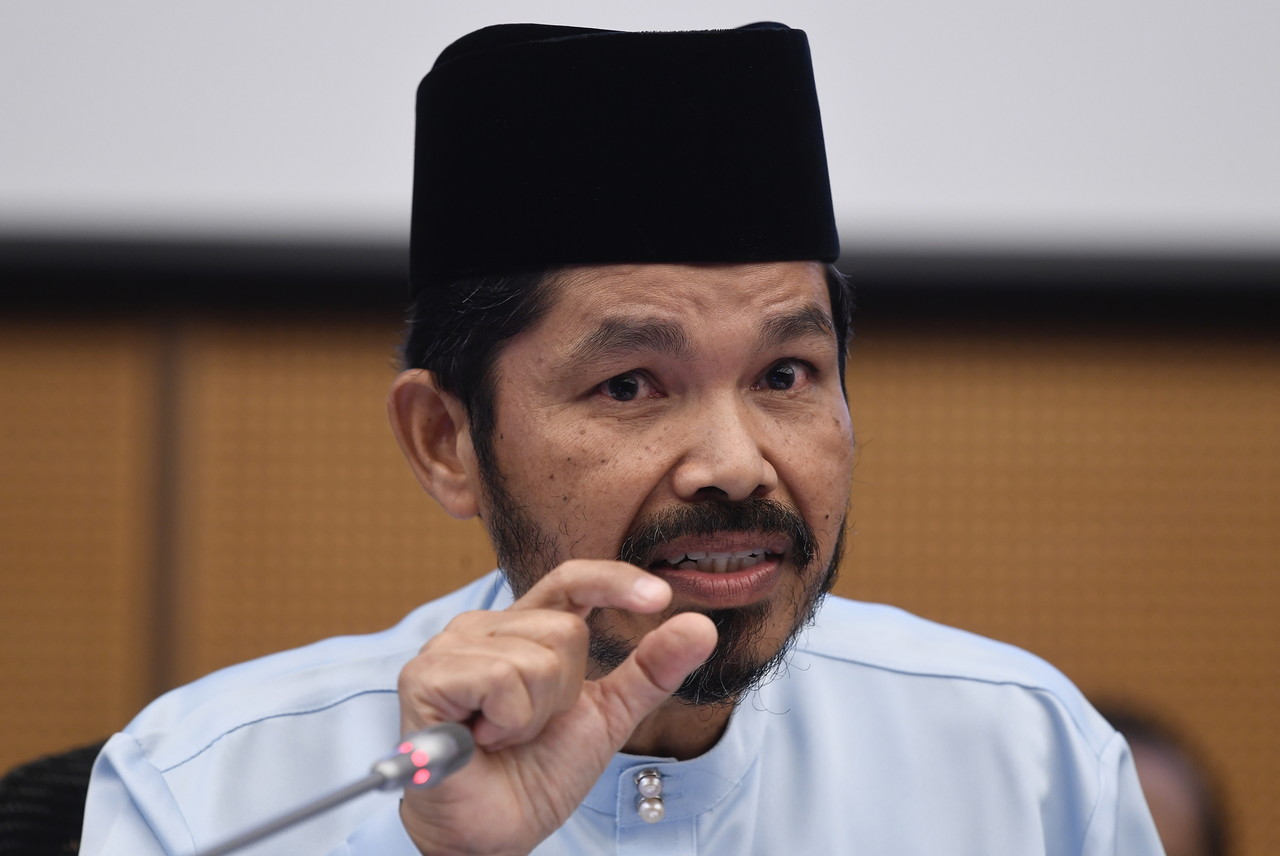
In his keynote speech at the launch of the 10th Malaysian Statistics Conference, chief statistician Datuk Seri Mohd Uzir Mahidin said DOSM continues to make strides in producing important statistics as the landscape of globalisation, the world economy, social well-being and the environment change.
He said the compilation of gross domestic product (GDP) began in 1961 when DOSM, or the Statistics Bureau as it was known at the time, released data with a focus on agriculture, petroleum production, and other key sectors.
Uzir said in the 1970s, Malaysia began to use the input-output method to calculate GDP, which allowed for a more detailed analysis of the economic structure.
“In the 1980s, the country began to use a real-time series system for data collection to ensure GDP was released more quickly and accurately. In 1993, to help improve the accuracy of economic data and understanding of the country’s economic structure, Malaysia began compiling GDP based on the System of National Accounts (SNA) 1968.
“Until now, Malaysia has been using the concepts and methods outlined in the latest SNA, which is SNA 2008,” he said.
Uzir said in the early 1990s, Malaysia took the first step to compile GDP data on a quarterly basis with the help of an expert consultant from New Zealand, Rodney Wellington.
He said although GDP is a well-known and significant economic indicator, it cannot reflect the social situation of the people and the readiness of a country to face threats.
He said therefore, there was clear demand from policymakers, academics and the public to move statistical measurement frameworks beyond the GDP, as defined during the High-level Forum on Official Statistics organised by the United Nations’ Economic and Social Affairs Statistics Department earlier this year.
Uzir said data beyond the borders of GDP requires a combination of economic, environmental and social indicators that go beyond measurements of market activity and take into account matters involving the people’s well-being and environmental sustainability.
It is important for today’s experts to look beyond GDP to record more comprehensive statistical data, he said.
— Bernama